How to Properly Feed Your Betta Fish
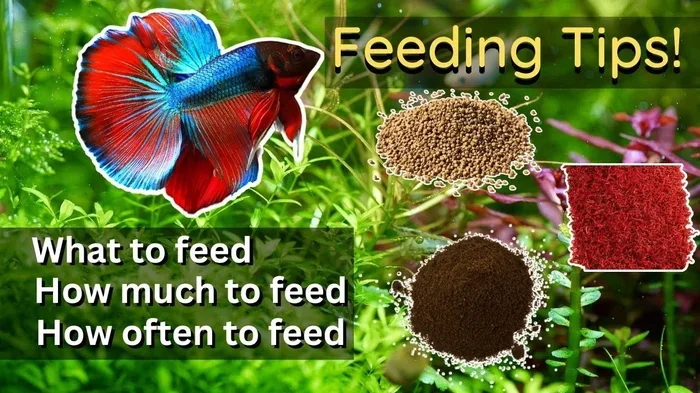
Learning how to properly feed your betta fish is the single most important thing you can do for their health and lifespan. This guide covers everything from the best foods and feeding schedules to portion sizes and common mistakes. You will walk away with a clear, actionable plan to keep your betta fish thriving and happy.
Keeping a betta fish healthy starts with one simple thing: food. But here is the thing most people get wrong. Knowing how to properly feed your betta fish is not just about dropping flakes into a bowl. It is about understanding what they need, how much they need, and when to feed them.
Betta fish are beautiful, lively creatures that bring joy to any home. But they are also sensitive. A wrong feeding habit can lead to bloating, constipation, and even a shortened lifespan. On the flip side, a proper betta fish feeding routine can help your fish live a long, vibrant life of five years or more.
This guide breaks down everything you need to know. From the best betta fish food types to portion sizes and feeding frequency, you will find practical advice you can use right away. Let us dive in.
Key Takeaways
- Feed your betta fish 1-2 times daily with small portions to avoid overfeeding and digestive issues.
- A high-quality pellet diet should be the foundation of your betta fish nutrition plan.
- Variety matters — supplement pellets with frozen or live foods like brine shrimp and bloodworms for optimal health.
- Overfeeding is the #1 mistake new betta owners make and can lead to serious health problems.
- Fast your betta fish one day per week to support digestion and prevent constipation.
- Watch for hunger cues and behavioral changes to adjust feeding amounts and frequency.
- A clean tank supports proper digestion — regular water changes and tank maintenance are essential.
📑 Table of Contents
Why Proper Feeding Matters for Your Betta Fish
Food is fuel. And just like any living creature, your betta fish needs the right fuel to thrive. When you learn how to properly feed your betta fish, you are setting the foundation for their overall well-being. A well-fed betta will have bright colors, a healthy appetite, and plenty of energy.
On the other hand, poor feeding habits can cause real damage. Overfeeding betta fish is one of the most common problems owners face. Uneaten food rots in the tank, which spikes ammonia levels and pollutes the water. This creates a toxic environment that can make your fish sick very quickly.
Underfeeding is a concern too, but it happens far less often. Most betta fish will tell you when they are hungry. The real danger lies in giving them too much. Betta fish care starts with understanding their dietary needs and sticking to a consistent routine.
The Connection Between Diet and Betta Fish Health
Your betta fish diet directly affects every part of their body. A balanced betta fish nutrition plan supports strong fins, clear eyes, a healthy digestive system, and a powerful immune system. When your fish gets the right nutrients, their colors become more vivid and their personality shines through.
Feeding the wrong foods or inconsistent portions can lead to malnutrition. Your betta might become lethargic, lose color, or develop fin rot. These are signs that something is off with their betta fish feeding schedule or the type of food you are offering.
How Feeding Habits Affect Tank Water Quality
Here is something many beginners do not think about. Every time you feed your betta, leftover food sinks to the bottom and starts breaking down. This process releases ammonia into the water. Even small amounts of ammonia can harm your fish over time.
This is why how much to feed betta fish matters just as much as what you feed them. Less food means less waste, which means cleaner water. Pairing a smart feeding routine with regular tank maintenance keeps everything in balance. If you want to learn more about keeping the water clean, check out our guide on how to clean your betta fish tank.
What to Feed Your Betta Fish
Not all fish food is created equal. Bettas are carnivores by nature, which means they need a protein-rich diet. The good news is there are plenty of great options available. Let us look at the best choices for betta fish food types.
Betta Pellets (The Gold Standard)
Betta fish pellets are the most recommended food for a reason. They are specially formulated to meet the nutritional needs of bettas. High-quality pellets sink slowly, which is perfect because bettas prefer to eat from the middle or bottom of the water column.
Look for pellets that list fish meal or shrimp as the first ingredient. Avoid pellets filled with fillers like corn or wheat. These offer little nutritional value and can cause bloating. A betta fish hunger response after feeding pellets is a great sign that the food is right for them.
Frozen and Live Foods
Pellets should be the base of your betta’s diet, but variety is key. Frozen brine shrimp and frozen bloodworms are excellent supplements. They are packed with protein and most bettas go crazy for them.
You can also feed live foods like live brine shrimp or live daphnia. These mimic what bettas would eat in the wild and provide a natural feeding experience. Just be sure to source them from reputable suppliers to avoid introducing parasites into your tank.
Betta Flakes and Other Options
Betta flakes are okay in a pinch, but they are not ideal. They tend to fall apart quickly and lose nutrients fast. If you use flakes, only give a tiny amount and remove any uneaten pieces within a few minutes.
Some owners also ask about feeding peas, human food, or even goldfish food. The short answer is: stick to foods made specifically for bettas. For more details on specific foods, you can read our article on can you feed your betta fish peas and can you feed your betta fish human food.
How Often and How Much to Feed
This is where most betta owners get confused. How often to feed betta fish and how much to feed betta fish are the two questions that matter most. The answer is simpler than you think.
The Ideal Feeding Frequency
The standard recommendation is to feed your betta twice a day. Once in the morning and once in the evening. This mimics their natural eating patterns and keeps their metabolism steady. Some experienced fish keepers also recommend fasting your betta fish one day per week. This gives their digestive system a break and helps prevent constipation.
If you are unsure about the best schedule, you can find more detailed guidance on how often to feed a betta fish. Consistency is the most important factor. Feed your fish at the same times each day so they know what to expect.
Portion Size: The Pinch Rule
When it comes to portion size, think small. A good rule of thumb is the pinch rule. Give your betta an amount of food roughly the size of their eyeball, or about two to three pellets per feeding. That is it.
Your betta should eat everything you offer within two minutes. If there is leftover food, you gave too much. Remove any uneaten food immediately to keep the water clean. Proper portion control is one of the easiest ways to boost your betta’s health and longevity.
Betta Fish Feeding Schedule Example
Here is a simple daily feeding schedule you can follow:
- Morning (8-9 AM): 2-3 high-quality pellets
- Evening (6-7 PM): 2-3 pellets or a small portion of frozen brine shrimp
- One day per week: No food (fasting day)
This routine works for most bettas. Adjust based on your fish’s age, activity level, and appetite. Younger bettas may need slightly more food, while older bettas do well with smaller portions.
Common Feeding Mistakes to Avoid
Even well-meaning betta owners make feeding mistakes. The good news is these are easy to fix once you know what to look for. Here are the most common errors and how to avoid them.
Overfeeding Your Betta
Overfeeding is the number one killer of pet bettas. It is so common that most betta health problems trace back to it. When you feed too much, your fish eats more than their stomach can handle. This leads to bloating, constipation, and a condition called dropsy, which is often fatal.
Bettas have tiny stomachs. Think about the size of their eye. That is all the room they have. Resist the urge to give in when your betta begs for food. They will act hungry even when they are full. Betta fish portion control is not about being mean. It is about keeping them healthy.
Feeding the Wrong Foods
Not all fish food works for bettas. Tropical flakes designed for community tanks lack the protein levels bettas need. Goldfish food is even worse. It does not meet a betta’s dietary requirements and can cause long-term health issues.
Stick to foods made specifically for bettas. Look for high protein content, ideally 30% or higher. Avoid foods with artificial colors and fillers. Your betta will be happier and healthier on a diet built for them.
Ignoring Uneaten Food
Leaving uneaten food in the tank is a quick path to poor water quality. Decaying food releases ammonia and nitrites, which are toxic to fish. Always remove any food your betta does not eat within two to three minutes. A small net or turkey baster works great for this.
Creating the Perfect Feeding Routine
A great feeding routine is more than just food and timing. It is about building habits that support your betta’s overall lifestyle. When you get the routine right, everything else falls into place.
Consistency Is Key
Bettas thrive on routine. They are intelligent fish and they learn quickly. Feed them at the same times every day. Use the same spots near the tank where they can easily see you. Over time, your betta will get excited at feeding time, which is one of the most rewarding parts of fish keeping.
If you ever need to travel or are away from home, plan ahead for feedings. You can use automatic feeders or vacation feeding blocks, or ask a trusted friend to feed your fish while you are gone.
Watching Your Betta’s Appetite
Pay close attention to how your betta eats. A healthy betta should be eager and active during feeding time. If your fish suddenly stops eating or shows less interest, that is a red flag. Loss of appetite can signal stress, illness, or poor water conditions.
Check your water parameters first. Ammonia, nitrite, and nitrate levels all affect appetite. If the water is clean and your betta still refuses food, consider offering a different food type. Sometimes a simple switch from pellets to frozen brine shrimp is enough to spark their appetite again.
Supplementing with Treats
Treats are a great way to add variety and enrichment to your betta’s diet. Frozen bloodworms, daphnia, and brine shrimp all work well as occasional treats. Offer treats no more than two to three times per week alongside the regular pellet diet.
Treats should never replace the main diet. Think of them as dessert, not the entrée. Too many treats can unbalance the nutrition and lead to weight gain. Keep treats occasional and always in small amounts.
Special Feeding Situations
Not all betta feeding situations are the same. Different life stages and circumstances require different approaches. Here are a few special cases to keep in mind.
Feeding Young Betta Fish
Baby bettas, or fry, need more frequent small meals throughout the day. They have high metabolisms and tiny stomachs. Betta fish fry food should be very fine, such as crushed pellets or specialized fry powder. Feed them three to four times a day in tiny amounts.
Feeding a Sick or Recovering Betta
If your betta is recovering from illness, appetite may be low. In this case, offer easily digestible foods like soaked pellets or live daphnia. Soaking pellets in tank water for a few minutes before feeding makes them softer and easier to digest. If your fish is still not eating after a couple of days, consult a vet who specializes in fish.
Feeding a New Betta Fish
When you first bring a betta home, give them time to adjust. Do not overfeed during the first few days. A new environment can cause stress, and stressed fish often refuse food. Offer a small amount of pellets on the first day and gradually increase portions as your betta settles in.
Final Thoughts
How to properly feed your betta fish comes down to three things: the right food, the right amount, and the right schedule. Keep it simple, stay consistent, and always watch your fish for cues. A well-fed betta is a happy betta, and a happy betta brings so much joy to your day.
Remember that feeding is just one part of overall betta fish care. Clean water, proper tank temperature, and a stress-free environment all work together with a good diet to keep your fish thriving. If you want to build a deeper connection with your pet, check out our guide on how to grow a bond with your betta fish.
Start applying these tips today. Your betta fish will thank you with bright colors, playful behavior, and years of companionship. Proper feeding is the gift that keeps on giving, and your fish deserves nothing less.
Frequently Asked Questions
How many times a day should I feed my betta fish?
Feed your betta fish twice a day, once in the morning and once in the evening. Stick to small portions, about two to three pellets per feeding. This keeps their metabolism steady and prevents overfeeding, which is the most common mistake betta owners make.
Can I feed my betta fish every day?
Yes, you should feed your betta fish every day. However, many experts recommend fasting your betta for one day per week. This gives their digestive system a break and helps prevent constipation and bloating. A consistent daily routine with one fasting day works best for most bettas.
What is the best food for betta fish?
High-quality betta pellets should be the foundation of their diet. Supplement pellets with frozen or live foods like brine shrimp and bloodworms for variety. Avoid generic tropical flakes and goldfish food, as these do not meet a betta’s specific nutritional needs.
How do I know if I am overfeeding my betta fish?
Signs of overfeeding include bloating, constipation, uneaten food sitting in the tank, and cloudy water shortly after feeding. If your betta leaves food behind within two minutes, you are giving too much. Reduce the portion size and remove any leftovers immediately.
Can betta fish go without food for a day?
Yes, betta fish can safely go without food for 24 hours. In fact, a weekly fasting day is beneficial for their digestion. Bettas in the wild often go periods without eating, so a day without food is completely normal and healthy for them.
How long can a betta fish go without eating before it becomes a problem?
A healthy adult betta can go up to 14 days without food, though this is not recommended as a regular practice. If your betta refuses food for more than three to four days, check your water parameters and look for signs of illness. Loss of appetite lasting more than a couple of days warrants closer attention.