How to Make My Betta Fish Have Babies
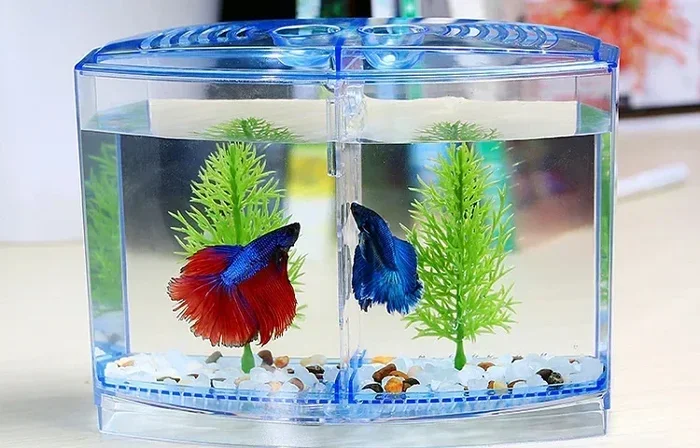
Want to know how to make my betta fish have babies? This guide covers everything you need, from setting up a breeding tank and conditioning your fish to caring for eggs and newborn fry. Breeding betta fish requires the right water conditions, a healthy diet, and patience. With the steps below, you can create a safe environment where your betta fish feel comfortable enough to spawn and raise healthy babies.
Breeding betta fish is one of the most rewarding experiences a fish keeper can have. If you have been wondering how to make my betta fish have babies, you are in the right place. This guide walks you through every step of the betta fish breeding process in simple, easy-to-follow terms. You will learn how to prepare the tank, condition your fish, and care for eggs and newborn fry. By the end, you will feel confident and ready to start your own betta fish breeding project.
Betta fish breeding is not as hard as many people think. With the right setup and a little patience, your betta fish can successfully produce babies. The key is creating a safe, stress-free environment. You also need to understand betta fish behavior during mating and spawning. This article covers all of that and more. Let us dive into the details of how to make my betta fish have babies the right way.
Key Takeaways
- Set up a dedicated breeding tank: A small, warm tank with soft water and gentle filtration gives your betta fish the best chance of breeding successfully.
- Condition your fish with quality food: Feeding live or protein-rich foods for 1-2 weeks before breeding prepares both male and female betta fish for spawning.
- Watch for bubble nests and courtship behavior: These are clear signs your betta fish are ready to mate and start the breeding process.
- Remove the female after spawning: The male betta fish will guard the eggs, and keeping the female separate prevents aggression and egg damage.
- Care for betta fry with tiny, frequent feedings: Newly hatched fry need infusoria or special fry food several times a day to grow strong and healthy.
- Maintain pristine water quality: Clean, warm water at the right temperature is essential for egg survival and fry development.
📑 Table of Contents
Understanding Betta Fish Breeding Basics
Before you start, it helps to understand how betta fish reproduce. Betta fish are egg layers, which means the female releases eggs and the male fertilizes them outside of the body. The male betta fish then collects the eggs and places them in a bubble nest. This nest floats on the surface of the water and protects the eggs until they hatch. Knowing this process makes everything else much easier to understand.
What Happens When Betta Fish Breed
The breeding process starts with courtship. The male betta fish builds a bubble nest at the surface of the water. He then flares his fins and shows off to attract the female. When the female is ready, she releases eggs, and the male wraps his body around hers to fertilize them. This process may repeat several times over a few hours. Once all the eggs are released and fertilized, the male carefully places them into the bubble nest.
It is important to note that betta fish breeding can be stressful for both fish. The male may chase the female during courtship. This is normal, but it can become dangerous if the female cannot escape. Having a well-planned tank setup reduces stress and keeps both fish safe during this sensitive time.
Signs Your Betta Fish Is Ready to Breed
Not every betta fish is ready to breed at the same time. There are clear signs you can look for to know when the time is right.
- Vertical Stripes on the Female: A female betta fish ready to breed will show pale vertical stripes on her body. These are called breeding bars and they signal that she is mature and willing to mate.
- Bubble Nest Building: If your male betta fish is building a bubble nest at the surface, he is ready to breed. A healthy bubble nest means he is in breeding mode.
- Flaring and Dancing: The male will flare his gills and fins and may dance around the female. This is his way of showing interest and inviting her to mate.
- Plump Belly on the Female: A female carrying eggs will look slightly plumper than usual. Her belly may appear rounded when viewed from above.
If you notice these signs, your betta fish are likely ready to breed. Make sure you have completed all the tank setup steps before introducing them. You can also check out how to make your betta fish stronger to ensure both fish are in top health before breeding.
Setting Up the Perfect Breeding Tank
The breeding tank is the most important part of the entire process. A poorly set up tank can lead to failed breeding or sick fry. You need to create conditions that mimic the betta fish natural habitat while keeping the water clean and stable.
Tank Size and Water Conditions
A breeding tank does not need to be large. A 5 to 10 gallon tank works perfectly for betta fish breeding. The key is to keep the water clean and warm. Use a sponge filter for gentle filtration that will not create strong currents. Betta fish prefer still or slow-moving water, especially during breeding.
Water quality matters a lot during breeding. Use conditioned water that is free from chlorine and heavy metals. If you are unsure about your water quality, learn how to make water for betta fish to ensure the best results. The water should be soft and slightly acidic, with a pH between 6.5 and 7.0. Keep the water temperature steady at around 78 to 80 degrees Fahrenheit.
Temperature and Lighting Needs
Temperature plays a huge role in betta fish breeding. Warm water encourages breeding behavior and helps eggs develop properly. Use a small aquarium heater to maintain a steady temperature of 78 to 80 degrees Fahrenheit. Avoid temperature swings, as they can stress both the male and female fish.
Lighting should be soft and dim. Bright lights can stress betta fish during breeding. A gentle light that you can dim or turn off partially works best. Some breeders even cover the tank with a towel to keep the environment dark and calm. This helps the male focus on building his bubble nest and caring for the eggs.
Conditioning Your Betta Fish for Breeding
Conditioning means preparing your betta fish for breeding by feeding them high-quality food and keeping them in optimal health. This step is essential for producing healthy eggs and strong fry. Skipping conditioning can lead to weak offspring or failed breeding attempts.
Feeding for Breeding Success
Start conditioning your betta fish at least 1 to 2 weeks before you plan to breed. During this time, feed them a protein-rich diet to boost their energy and reproductive health. Live or frozen foods work best for conditioning. Here are some great food options:
- Live Brine Shrimp: Brine shrimp are packed with protein and encourage breeding behavior. They are one of the best foods for conditioning betta fish.
- Bloodworms: These are another excellent protein source. Feed them in small amounts 2 to 3 times a day.
- Daphnia: Daphnia are small aquatic creatures that provide nutrition and act as a natural laxative, which helps with egg production.
- High-Quality Pellets: Use premium pellets as a staple food alongside live or frozen options.
If you want to prepare homemade food, check out how to make betta fish food at home for simple, healthy recipes your fish will love. A well-fed betta fish is more likely to breed successfully and produce strong, healthy fry.
Introducing Male and Female Betta Fish
Once both fish are conditioned and the breeding tank is ready, it is time to introduce them. Place the male and female in separate containers within the same tank. This lets them see each other without direct contact. Watch their behavior closely.
If the male is building a bubble nest and flaring at the female, that is a great sign. The female should also show interest by displaying breeding bars. After a day or two of visual introduction, you can allow them into the same tank. Monitor them closely. Remove the female immediately if the male becomes too aggressive. You want breeding to be a positive experience for both fish.
The Breeding Process Step by Step
Now that your betta fish are introduced and ready, the actual breeding process can begin. Understanding each step helps you know what to expect and when to intervene.
How Betta Fish Mate
When the male and female are together, the courtship begins. The male wraps his body around the female in a behavior called spawning embrace. During this embrace, the female releases eggs and the male fertilizes them. This process repeats several times over a period of a few hours. Each time, the male collects the eggs and places them gently into the bubble nest.
The entire spawning process can last anywhere from a few hours to an entire day. It is important not to disturb the fish during this time. Keep the room quiet and the lights dim. Any stress can cause the fish to stop breeding or damage the bubble nest.
What to Expect During Spawning
After spawning is complete, the male betta fish takes over. He carefully gathers any eggs that fell outside the nest and places them back inside. The female should be removed at this point because the male may become aggressive toward her. Leaving the female in the tank can result in egg damage or injury to the female.
The male will guard the bubble nest and the eggs fiercely. He may even repair the nest if eggs fall out. This is completely normal behavior. During this time, keep the water flow very gentle. Strong currents can destroy the bubble nest and wash eggs away. If you need help maintaining water quality during this period, learn how to make water for betta fish to ensure safe, clean conditions for the eggs.
Caring for Betta Fish Eggs and Fry
The eggs typically hatch within 24 to 48 hours. At first, the fry stay attached to the bubble nest and absorb their yolk sac for nutrition. After about 2 to 3 days, they become free-swimming and start looking for food. This is a critical stage that requires careful attention.
Protecting the Eggs
While the male guards the eggs, there are a few things you should do to protect them. Keep the tank covered to maintain humidity. The surface of the water must stay still because the bubble nest needs a stable environment. Avoid tapping on the tank or making sudden movements near the breeding tank.
If you notice any eggs turning white or fungus growing on them, the male may eat them. This is normal behavior and not a cause for alarm. The male focuses on the healthiest eggs and removes any damaged ones. You do not need to intervene unless a large number of eggs are affected.
Feeding Newborn Betta Fry
Once the fry are free-swimming, they need very small food. Newly hatched brine shrimp are the best first food for betta fry. You can also feed infusoria or commercially available fry food. Feed the fry tiny amounts 4 to 6 times a day. Overfeeding can dirty the water quickly, so remove any uneaten food after a few minutes.
As the fry grow, you can gradually introduce larger foods like micro worms and crushed flakes. Keeping the water clean is essential during this stage. Perform small water changes of about 10 to 15 percent every few days. Clean water helps prevent disease and keeps the fry growing strong. For tips on maintaining water quality, see how to make water for betta fish.
Common Breeding Problems and How to Fix Them
Even with the best preparation, breeding betta fish can come with challenges. Knowing what to look for helps you solve problems quickly and keep your fish healthy.
When Breeding Does Not Go as Planned
If your betta fish do not breed after introducing them, do not panic. Sometimes it takes a few attempts. Here are common reasons breeding may fail:
- Fish Are Not Healthy Enough: Sick or weak betta fish are less likely to breed. Make sure both fish are in excellent condition before attempting breeding.
- Water Conditions Are Off: Temperature fluctuations or poor water quality can prevent breeding. Test the water regularly and keep parameters stable.
- Fish Are Too Young or Too Old: Betta fish between 4 and 12 months old breed best. Fish that are too young or too old may not be interested in mating.
- Stress in the Tank: Loud noises, bright lights, or too much activity near the tank can stress the fish and stop breeding behavior.
If breeding repeatedly fails, consider giving your fish a break and focusing on their overall health first. You can learn how to make your betta fish healthy again to address any underlying health issues before trying again.
Keeping Fry Healthy and Strong
Raising betta fry requires patience and consistent care. Here are tips to give your fry the best chance of survival:
- Keep the Water Clean: Perform small, frequent water changes to maintain pristine conditions. Dirty water is the number one cause of fry death.
- Feed Frequently: Small, frequent meals help fry grow quickly and stay healthy. Do not skip feedings.
- Separate Sick Fry: If you notice any fry that are not eating or look sick, isolate them to prevent the spread of disease.
- Provide Hiding Spots: Add plants or fine-leaved decorations where fry can hide from the male if he becomes aggressive.
Raising betta fry is a journey. Not every fry will survive, and that is okay. Focus on giving them the best possible care and learning from each breeding experience. Over time, you will become more skilled and confident in your abilities.
Conclusion
Learning how to make my betta fish have babies is a fulfilling journey that requires patience, preparation, and care. From setting up the perfect breeding tank and conditioning your fish with a protein-rich diet to carefully managing the spawning process and raising healthy fry, every step matters. By following the tips in this guide, you give your betta fish the best possible chance of breeding successfully.
Remember that every betta fish is different. Some may breed quickly and easily, while others need more time and encouragement. Stay patient, keep the water clean, and watch your fish closely. With dedication and the right knowledge, you can welcome a new generation of betta fry into your home. Enjoy the process and celebrate each small success along the way.
Want to keep your betta fish happy and healthy throughout the breeding journey? Check out how to make betta fish happy for tips on creating a joyful environment that supports breeding behavior and overall well-being.
Frequently Asked Questions
How long does it take for betta fish eggs to hatch?
Betta fish eggs typically hatch within 24 to 48 hours after spawning. The male betta fish guards the eggs in the bubble nest during this time. Once hatched, the fry stay in the nest for another 2 to 3 days before becoming free-swimming.
Can I breed betta fish in my main aquarium?
It is not recommended to breed betta fish in a main aquarium. A separate breeding tank gives you better control over water conditions and protects both the fish and the eggs. The breeding tank should be at least 5 gallons with gentle filtration and a stable temperature of 78 to 80 degrees Fahrenheit.
How many babies can a betta fish have at once?
A female betta fish can lay anywhere from 10 to 500 eggs in a single spawning session. However, not all eggs will hatch, and not all fry will survive. On average, a healthy breeding pair produces around 30 to 50 surviving fry per batch. Learn more about how many babies do betta fish have for detailed information.
Do I need a separate tank for the male and female before breeding?
Yes, keeping the male and female in separate containers within the same tank is the best approach. This allows them to see each other and become familiar without the risk of injury. After a day or two of visual introduction, you can allow them into the same breeding tank under close supervision.
What should I feed betta fry?
Newly hatched brine shrimp is the best first food for betta fry. You can also feed infusoria or commercially available liquid fry food. As the fry grow, introduce micro worms, crushed flakes, and frozen baby brine shrimp. Feed small amounts 4 to 6 times a day to support steady growth.
Why is my male betta fish eating the eggs?
Male betta fish sometimes eat eggs that are infertile or damaged. This is normal behavior and helps the male focus energy on the healthiest eggs. If a large number of eggs are being eaten, it may indicate poor water quality or that the fish are not properly conditioned. Improving diet and water conditions can help reduce this behavior.