Why Is My Betta Fish Turning Brown
Seeing your betta fish turn brown can be alarming, but it’s often a sign of stress, water issues, or health problems. This guide explains the top reasons behind the color change and offers simple, practical solutions to help your fish regain its bright, healthy hue. Act fast to prevent further issues and keep your betta thriving.
Key Takeaways
- Water quality matters: Poor parameters are the #1 trigger for brown coloration.
- Stress triggers pigment loss: Overcrowding, aggressive tank mates, and sudden changes cause fading.
- Nutrition is crucial: A balanced diet rich in carotenoids can restore natural colors.
- Illness signs: Brown patches may signal bacterial, fungal, or parasitic infections.
- Lighting impacts pigments: Too little or too much light can affect color intensity.
- Seasonal molting: Betta fish naturally shed old scales, which can appear brown.
- Quick action helps: Testing water, adjusting diet, and monitoring behavior can reverse the brown hue.
📑 Table of Contents
Introduction
Betta fish are famous for their dazzling fins and bright colors. When you first bring a new betta home, you expect a splash of electric blue, vibrant red, or deep purple. So, it’s natural to feel a pang of worry when you notice those brilliant hues fading to a dull brown.
Don’t panic—brown coloration is a common symptom that usually points to an underlying issue you can fix. In this article we’ll answer the question why is my betta fish turning brown by exploring water quality, stress factors, diet, disease, and more. By the end, you’ll have a clear action plan to bring back the sparkle.
1. Water Quality – The Silent Culprit
Betta fish are incredibly sensitive to the chemistry of their environment. Even a small shift in pH, ammonia, or temperature can cause stress, which often shows up as a brownish tint.

Visual guide about Why Is My Betta Fish Turning Brown
Image source: pic4.zhimg.com
1.1 Ammonia and Nitrite Spikes
High ammonia or nitrite levels damage gill tissue and impair oxygen absorption. The fish responds by reducing pigment production, resulting in a muted brown color. Test your water weekly with a reliable test kit.
1.2 pH and Hardness
Betta fish thrive in slightly acidic to neutral water (pH 6.5‑7.5) with soft to moderate hardness. If the pH climbs above 8.0, melanin production can increase, giving the scales a brown cast.
1.3 Temperature Fluctuations
Betas love warm water (76‑82°F / 24‑28°C). Sudden drops make them sluggish and can trigger pigment loss. Use a reliable heater and a thermometer to keep the temperature stable.
Practical Tip
- Change 25‑30% of the tank water every week.
- Use a water conditioner to neutralize chlorine and chloramines.
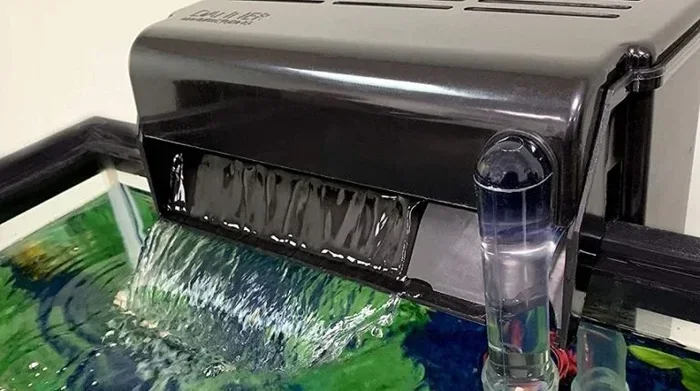
- Consider a small internal filter designed for betta tanks to maintain steady water flow without stressing the fish.
2. Stress – When the Environment Gets Too Much
Stress is a broad term that covers everything from aggressive tank mates to improper tank size. When bettas are stressed, they release cortisol, a hormone that can dull their colors.
Visual guide about Why Is My Betta Fish Turning Brown
Image source: zukan.pokemon.co.jp
2.1 Tank Size and Layout
Betas need at least 2.5‑5 gallons of space. A cramped bowl forces the fish to swim constantly, leading to exhaustion and brown discoloration.
2.2 Aggressive Neighbors
Even though bettas are often kept alone, some owners place them with peaceful species. If a neighbor nips at the fins, the betta may hide and lose its vibrant hue.
2.3 Sudden Changes
Moving the tank, changing décor, or altering lighting can shock the fish. The stress response often includes a temporary brown shade.
Practical Tip
- Provide plenty of hiding spots with live or silk plants.
- Keep the tank in a quiet area away from loud appliances.
- Introduce any changes gradually—add new décor over several days.
3. Nutrition – Feeding the Colors Back
What your betta eats directly influences its pigment production. Carotenoids, found in many live foods, are the building blocks of red, orange, and yellow hues.

Visual guide about Why Is My Betta Fish Turning Brown
Image source: assets.woolworths.com.au
3.1 Quality Commercial Pellets
Choose high‑quality betta pellets that list real fish or shrimp meal as the first ingredient. Avoid fillers like wheat or soy, which can cause digestive issues and dull colors.
3.2 Live and Frozen Foods
Brine shrimp, daphnia, and bloodworms are rich in carotenoids. Feeding a small amount (once or twice a week) can boost coloration dramatically.
3.3 Vitamin Supplements
Vitamin C and E supplements help reduce stress and support skin health. Use a liquid supplement formulated for tropical fish, following the label dosage.
Practical Tip
- Feed 2‑3 small meals per day, removing any uneaten food after 5 minutes.
- Rotate protein sources to keep the diet varied.
- Consider a “color‑boost” pellet that contains added astaxanthin.
4. Disease and Parasites – When Illness Shows Up as Brown
Sometimes brown patches are a warning sign of infection. Common culprits include bacterial drops, fungal growth, and parasitic infestations.
4.1 Bacterial Infections
Symptoms: brown or white spots, ragged fins, and lethargy. Bacterial infections often follow a water quality issue.
4.2 Fungal Infections
Symptoms: cotton‑like growth on the skin that may appear brownish before turning white.
4.3 Parasites (Ich, Velvet, etc.)
Parasites can cause a general loss of color, making the fish look dull or brown. Look for tiny white spots (ich) or a fine gold dusting (velvet).
When to Treat
If you notice additional signs—loss of appetite, rapid breathing, or erratic swimming—start treatment immediately. A broad‑spectrum antibacterial like Maracyn 2, or a antifungal such as Malachite Green, can be effective. Always follow the product instructions and isolate the betta in a hospital tank.
Related Reading
For more on color loss, see our guide on why did my betta fish lose its color.
5. Lighting – The Right Balance
Light influences melanin production. Too much bright light can cause stress and a brownish sheen, while insufficient light can make colors look muted.
5.1 Intensity and Duration
Provide 8‑10 hours of moderate LED lighting per day. Use a timer to keep the schedule consistent.
5.2 Spectrum
Full‑spectrum lights that mimic natural daylight enhance reds and blues. Avoid harsh fluorescent bulbs that emit excessive UV.
Practical Tip
- Place the tank away from direct sunlight to prevent temperature spikes.
- Use a dimmable LED fixture to adjust brightness as needed.
6. Natural Molting – A Normal Process
Betta fish periodically shed old scales and skin—a process called molting. During a molt, the new skin may appear slightly brown until the pigments fully develop.
6.1 Recognizing a Molt
Look for small flakes of skin floating in the water and a temporary loss of color. The fish will usually become more active once the molt is complete.
6.2 Supporting a Healthy Molt
Maintain pristine water and a protein‑rich diet. Adding a pinch of aquarium salt (1 gram per 10 gallon) can aid the shedding process.
Conclusion
Seeing the question why is my betta fish turning brown pop up in your mind is a sign you care about your finned companion. The good news is that most brown color changes are reversible. By testing and correcting water parameters, reducing stress, feeding a balanced diet, and monitoring for disease, you can help your betta regain its brilliant hue.
Remember to act quickly, keep a routine water‑testing schedule, and observe your fish’s behavior daily. With a little attention, your betta will be flaunting those vivid colors again in no time.
Frequently Asked Questions
Why does my betta fish turn brown after a water change?
A sudden change in water chemistry can stress the fish, causing a temporary loss of color. Make sure the new water is conditioned, matches the tank temperature, and has similar pH.
Can lighting alone cause my betta to turn brown?
Yes, overly intense or insufficient lighting can affect pigment production. Aim for 8‑10 hours of moderate, full‑spectrum LED light each day.
Is brown coloration a sign of a serious disease?
Brown patches can indicate bacterial, fungal, or parasitic infections, especially if accompanied by other symptoms like ragged fins or loss of appetite. Treat promptly with appropriate medication.
How long does it take for a betta to regain its color after fixing water issues?
Most bettas show improvement within a few days to a week once water parameters are stable and the fish is fed a nutritious diet.
Should I add aquarium salt to help my betta’s color?
Adding a small amount of aquarium salt (1 g per 10 gallon) can reduce stress and assist with molting, but avoid over‑salting, especially in freshwater-only setups.
Can I prevent my betta from turning brown in the future?
Yes—maintain clean water, provide a balanced diet rich in carotenoids, keep a stable temperature, and minimize stressors like aggressive tank mates or sudden changes.