How to Train Your Betta Fish to Recognize You
Training your betta fish to recognize you is easier than most people think. With consistent feeding routines, gentle interaction, and positive reinforcement, your betta can learn to identify you as its caregiver. This guide covers proven techniques that help you build a strong, lasting bond with your betta fish and turn your tank into a more interactive experience.
Have you ever looked at your betta fish and wondered if it even knows you exist? It might seem like a silly question, but the truth is betta fish are capable of recognizing their owners. These colorful, curious creatures are far more intelligent than most people give them credit for. With the right approach, you can teach your betta to identify you, respond to your presence, and even look forward to interaction time.
Training your betta fish to recognize you is not about tricks or gimmicks. It is about building trust through consistency, patience, and positive experiences. Whether you are a first-time fish owner or a seasoned hobbyist, this guide will walk you through proven methods that actually work. You will learn how betta fish intelligence plays a role in recognition, what daily habits to build, and how to create an environment that supports learning.
The process is simpler than you might expect. Most techniques rely on things you are probably already doing, like feeding and tank maintenance. The key is doing them with intention and awareness. By the end of this article, you will have a clear roadmap to strengthen your connection with your betta and enjoy a more interactive aquarium experience.
Key Takeaways
- Betta fish are smarter than they look: They can recognize patterns, faces, and routines over time.
- Consistent feeding is the foundation: Regular hand-feeding helps your betta associate you with food and safety.
- Positive reinforcement works best: Rewarding your betta with treats encourages recognition and trust.
- Patience is essential: Bonding takes time, and every betta has its own pace of learning.
- A healthy environment boosts training success: Clean water and proper tank setup make your betta more responsive.
- Interactive play strengthens the bond: Games and gentle handling help your betta feel comfortable around you.
📑 Table of Contents
- Understanding Betta Fish Intelligence
- Building a Consistent Feeding Routine
- Creating a Bond Through Daily Interaction
- Using Positive Reinforcement Effectively
- Recognizing Signs That Your Betta Knows You
- Advanced Techniques for Experienced Owners
- Maintaining a Healthy Environment for Training Success
- Conclusion
Understanding Betta Fish Intelligence
Before you start training, it helps to understand what is going on inside your betta’s mind. Betta fish intelligence is a fascinating topic that has gained attention among aquarium enthusiasts in recent years. Bettas belong to the gourami family, and they possess a surprisingly developed memory for fish. Studies have shown that bettas can remember patterns, associate signals with outcomes, and even distinguish between different human faces.
So how does this relate to recognition? Well, your betta is constantly observing its environment. It notices light patterns, feeding times, the movement of your hand near the tank, and even the sound of your footsteps. Over time, these observations build into associations. Your betta begins to link your presence with positive experiences like food and safety. This is the basis of betta fish behavior when it comes to recognizing owners.
It is important to set realistic expectations. Your betta will not come up and shake your hand. But it will learn to swim toward you when you approach the tank, flare at you in recognition, or get excited during feeding time. These are clear signs that your fish knows who you are and what you mean to it.
How Betta Fish Perceive Their World
Betta fish rely on several senses to understand their surroundings. Vision is one of the most important. Bettas have good eyesight for fish, and they can detect movement and shapes quite well. They also respond to light changes and shadows, which is why moving your hand slowly near the tank matters so much.
Hearing is another factor. While bettas do not have external ears, they can sense vibrations through the water. Your voice, tapping on the glass, and even the sound of the filter can become familiar sounds your betta learns to associate with you. Smell and taste also play roles, especially when it comes to food and water conditions.
Creating a healthy fish tank environment supports all of these senses. A clean, well-maintained tank with appropriate lighting and minimal stress allows your betta to focus on learning rather than survival. This is why tank maintenance and water quality are foundational to any training effort.
Building a Consistent Feeding Routine
The single most effective way to train your betta fish to recognize you is through consistent feeding routines. Bettas are food-motivated creatures, and they quickly learn to connect the person who provides meals with positive outcomes. If you are the one who feeds your betta every day, your fish will start to associate you with nourishment and security.
Start by feeding your betta at the same times each day. Morning and evening feedings work well for most owners. When it is feeding time, try to be the one who handles the food. If someone else feeds the fish, the recognition process slows down. The more consistent you are, the faster your betta will learn.
Hand Feeding as a Training Tool
Once your betta is comfortable eating at regular times, you can introduce hand feeding. This is a game-changer for bonding and recognition. Start by dropping pellets near your hand on the water surface. Do not force your hand into the tank right away. Let your betta get used to seeing your hand above the water first.
After a few days, try placing the food between your fingers just above the surface. At first, your betta might be hesitant. That is completely normal. Positive reinforcement means waiting patiently and never chasing your fish with food. Over time, most bettas will start taking food directly from your fingers. This is a clear sign of recognition and trust.
If you are struggling with hand feeding, check out this guide on how to play games with your betta fish for additional bonding techniques that complement feeding training.
Choosing the Right Food for Training
Not all foods are created equal when it comes to training. Use high-quality betta pellets as the staple, and reserve freeze-dried or frozen treats like bloodworms and brine shrimp as rewards. This creates a hierarchy of value that motivates your betta to perform and respond. Avoid overfeeding, as it can lead to health issues that derail your training progress.
A good rule of thumb is to feed small amounts two to three times a day. Remove any uneaten food after five minutes to keep the water clean. A clean tank environment reduces stress and keeps your betta alert and responsive during training sessions.
Creating a Bond Through Daily Interaction
Training is not just about feeding. Daily interaction is what turns a passive fish into an active, responsive companion. The more time you spend near the tank, the more familiar your betta becomes with your presence, movements, and even your voice.
Spend a few minutes each day sitting near your tank. Talk to your betta in a calm, gentle voice. Move your fingers slowly along the glass. Avoid sudden movements or loud noises that might startle your fish. The goal is to make your presence feel safe and predictable.
If you want to go deeper into bonding strategies, check out how to grow a bond with your betta fish for expert tips on building a meaningful relationship with your aquatic pet.
The Role of Tank Placement
Where you place your tank matters more than most people realize. Put your aquarium in a common area where you spend time frequently. The kitchen, living room, or home office are great options. When your betta sees you regularly, it has more opportunities to observe and learn your patterns.
Avoid placing the tank in a dark, noisy, or high-traffic area. Constant disturbances can stress your betta and make it less responsive. A quiet, well-lit spot near your daily activity zone creates the ideal setup for recognition training.
Using Visual Cues
Bettas respond well to visual cues. Wear a consistent color or pattern when you interact with your fish. Some owners find that their betta responds more to certain shirt colors or even specific jewelry. While this is not scientifically proven for every fish, many hobbyists report similar experiences.
You can also use a small mirror briefly during training sessions to stimulate your betta’s natural curiosity. However, limit mirror time to a few minutes, as prolonged exposure can cause stress. The idea is to make each interaction session feel fresh and engaging.
Using Positive Reinforcement Effectively
Positive reinforcement is the backbone of any successful training program, and it works beautifully with betta fish. The concept is simple: reward desired behavior, and your betta will repeat it. In this case, the desired behavior is recognizing you and responding to your presence.
Rewards come in many forms. Food is the most obvious and effective one. A treat like a bloodworm or a special pellet can signal to your betta that something good is happening. But rewards also include gentle observation, calm energy, and consistent presence. Your betta learns that you mean no harm and that you are a source of good things.
Timing Matters
The timing of your reward is crucial. You want to reinforce the behavior within seconds of it happening. If your betta swims toward you when you approach the tank, reward it immediately with food or a gentle verbal cue. This creates a strong mental connection between your presence and the positive outcome.
Consistency is equally important. Try to train at the same times each day and keep sessions short. Five to ten minutes is plenty for a betta. Longer sessions can overwhelm your fish and reduce its interest. Short, frequent interactions work much better than long, infrequent ones.
What to Avoid During Training
There are several common mistakes that can sabotage your training efforts. Never tap aggressively on the glass. Never reach into the tank too quickly. Never use your hands to chase or grab your betta. These actions create fear and distrust, which are the opposite of recognition and bonding.
Also, avoid changing too many variables at once. If you switch foods, move the tank, and start training all at the same time, your betta will become confused. Focus on one change at a time and give your fish time to adjust. A stress-free environment is the foundation of effective training.
Recognizing Signs That Your Betta Knows You
How do you know if your training is working? There are several clear signs that your betta has started to recognize you. Watch for these behaviors during your daily interactions.
- Swimming to the front of the tank: When you approach, does your betta swim closer to you? This is one of the strongest indicators of recognition.
- Flaring on command: Some bettas flare their gills when they see their owner. This is a sign of alertness and awareness.
- Excitement during feeding: If your betta gets more animated when it is your turn to feed, it has likely made the connection.
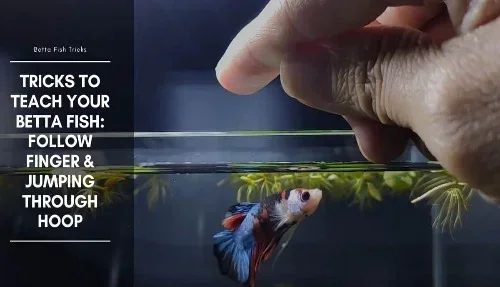
- Following your hand: A betta that tracks your hand movement along the glass is paying close attention to you.
- Reduced hiding behavior: A confident betta that spends less time hiding and more time in the open around you is a happy, bonded fish.
Not every betta will display all of these signs, and that is perfectly fine. Each fish has its own personality. Some are shy and reserved, while others are bold and outgoing. The key is to respect your betta’s individual temperament and adjust your expectations accordingly.
If you notice signs of stress or illness during training, pause and focus on betta fish health first. Check your water parameters, ensure the temperature is stable, and look for any physical symptoms. A sick or stressed fish cannot focus on learning. Once health is restored, you can resume training at a slower pace.
Advanced Techniques for Experienced Owners
Once your betta has mastered the basics of recognition, you can explore more advanced training methods. These techniques build on the foundation of trust and routine you have already established.
Target training is one popular method. You use a small object like a colored stick or a fingertip as a target. Your betta learns to follow the target in exchange for a food reward. Over time, you can guide your betta to swim through hoops, circle objects, or navigate simple obstacle courses.
For more ideas on expanding your betta’s skills, explore how to teach your betta fish to do tricks for step-by-step guidance on advanced training techniques.
Another advanced approach involves creating a training schedule. Write down your daily routine, including feeding times, interaction sessions, and tank maintenance. Over weeks and months, you will start to notice patterns in your betta’s behavior that confirm it is learning and adapting to your presence.
Some owners even use light cues to signal training time. Dimming the tank lights slightly before a session can help your betta anticipate interaction. This taps into their natural sensitivity to light changes and reinforces the connection between your presence and positive experiences.
Remember that every betta is different. What works for one fish might not work for another. Stay flexible, stay patient, and celebrate small wins along the way. The journey of training is just as rewarding as the outcome.
Maintaining a Healthy Environment for Training Success
You cannot train a stressed or unhealthy betta effectively. The tank environment plays a huge role in your fish’s ability to learn and recognize you. A clean, comfortable, and stimulating tank sets the stage for successful training.
Keep the water temperature between 76 and 82 degrees Fahrenheit. Test the pH regularly and aim for a range between 6.5 and 7.5. Perform partial water changes weekly, and never use soap or harsh chemicals when cleaning the tank. These basics of betta fish care directly impact your fish’s mood, energy, and responsiveness.
Adding gentle tank decorations, plants, and hiding spots gives your betta mental stimulation. A bored betta is less likely to engage in training. Consider adding live or silk plants, a few smooth rocks, and a comfortable hiding place. This creates a balanced environment where your betta feels safe enough to explore and learn.
For a deeper dive into tank setup and maintenance, check out how to decorate your betta fish tank for practical ideas that enhance both aesthetics and your fish’s well-being.
When to Seek Help
If your betta shows signs of illness during training, do not wait. Common symptoms include loss of color, clamped fins, lethargy, and loss of appetite. These can indicate bacterial infections, parasites, or water quality issues. Address health problems immediately to protect your training progress and your fish’s quality of life.
For guidance on identifying health issues, refer to how to make your betta fish healthy again for practical recovery steps that can get your fish back on track.
Conclusion
Training your betta fish to recognize you is one of the most rewarding aspects of fish keeping. It requires patience, consistency, and a genuine willingness to connect with your pet on a deeper level. The techniques covered in this article, from building a feeding routine to using positive reinforcement, are simple but powerful. They work because they respect the natural intelligence and instincts of your betta.
Start small, stay consistent, and enjoy the process. You do not need expensive equipment or special skills. All you need is time, attention, and a willingness to show up for your fish every day. As you practice these methods, you will notice your betta becoming more responsive, more curious, and more connected to you. That is the true beauty of betta fish training and recognition.
Your betta may not be able to say your name, but it knows who you are. And that is a bond worth nurturing every single day.
Frequently Asked Questions
How long does it take for a betta fish to recognize its owner?
Most bettas start showing signs of recognition within two to four weeks of consistent interaction. However, some fish may take longer depending on their personality and environment. The key is to stay patient and maintain a regular routine.
Can betta fish really tell the difference between people?
Yes, betta fish can distinguish between different people. They rely on visual cues, movement patterns, and associations with feeding times. Many owners report that their betta reacts differently to familiar and unfamiliar individuals.
Is hand feeding safe for betta fish?
Hand feeding is safe and actually beneficial for bonding. Just make sure your hands are clean and free of soap or lotion residue. Move slowly and let your betta approach the food at its own pace to avoid stress.
What should I do if my betta ignores me during training?
Some bettas are naturally more reserved than others. If your fish seems uninterested, try reducing the intensity of your approach and focus on building trust first. Check that water conditions are optimal and that your betta is healthy and comfortable.
Can I train an older betta fish to recognize me?
Absolutely. Age does not prevent a betta from learning new associations. Older fish may take a bit longer to adjust, but with patience and consistency, they can absolutely recognize their owners and respond to interaction.
Do I need special equipment to train my betta fish?
No special equipment is needed. All you need is a clean tank, quality food, and a consistent daily routine. Your time and attention are the most valuable tools you have for training and bonding with your betta fish.