Can Betta Fish Breed

Betta fish can indeed breed, but it requires careful preparation and understanding of their natural habits. This article walks you through selecting a pair, creating the ideal environment, caring for eggs and fry, and avoiding common pitfalls so you can enjoy successful betta breeding at home.
Key Takeaways
- Breeding is possible: Both male and female bettas will mate when conditions are right.
- Separate tanks are essential: Males become aggressive after spawning, so a dedicated breeding tank is a must.
- Water parameters matter: Soft, slightly acidic water (pH 6.5‑6.8) and a temperature of 78‑80°F encourage spawning.
- Eggs need gentle care: Removing the male after fertilization and keeping the water clean improves hatch rates.
- Fry require special feeding: Infusoria, microworms, and finely crushed fry food keep the babies healthy.
- Genetics play a role: Choosing healthy, non‑inbred parents leads to stronger offspring.
- Patience pays off: Expect a learning curve; every breeding cycle teaches you something new.
📑 Table of Contents
Introduction: Why Betta Breeding Captivates Hobbyists
Betta fish, also known as Siamese fighting fish, are famous for their dazzling colors and flamboyant fins. Many owners wonder, can betta fish breed successfully in a home aquarium? The answer is a confident yes—but only if you respect their natural instincts and provide the right setup.
Breeding bettas can be rewarding. Watching a male build a bubble nest, seeing the tiny eggs turn into wiggling fry, and then raising those fry into vibrant adults feels like a tiny miracle. This guide breaks down every step, from picking a pair to caring for the newborns, in plain language you can follow even if you’re new to fishkeeping.
1. Understanding Betta Reproduction
Natural spawning behavior
In the wild, bettas live in shallow, slow‑moving waters of Thailand and Malaysia. When the rainy season arrives, males become territorial and build a bubble nest on the water surface. Females release eggs, and the male fertilizes them before collecting the sticky clutch in his mouth and depositing it into the nest.
Male vs. female roles
The male is the “parent” after spawning—he guards the nest, tends the eggs, and fans them with his fins to provide oxygen. The female’s job ends once the eggs are released. Because the male can become aggressive toward the female after fertilization, separating them quickly is crucial.
2. Preparing for Breeding
Choosing the right pair
Start with a healthy, mature pair (6‑12 months old). Look for bright coloration, intact fins, and no signs of disease. It’s best to source bettas from reputable breeders rather than a pet store, as wild‑type or inbred stock may have hidden health issues. For more on sourcing, read Can You Breed Betta Fish From A Pet Store.

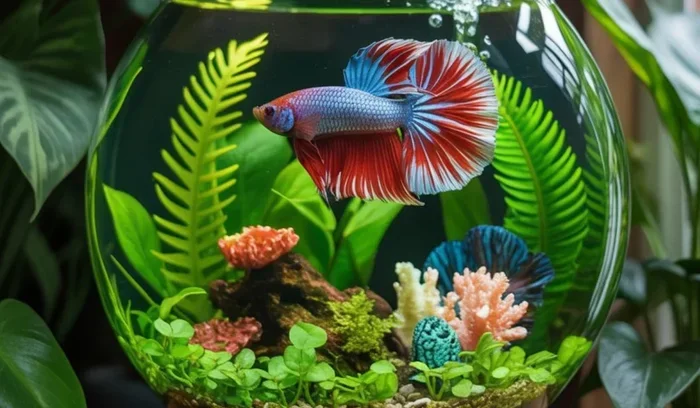
Visual guide about Can Betta Fish Breed
Image source: i.pinimg.com
Setting up the breeding tank
- Size: 5‑10 gallon tank is sufficient.
- Water: Soft (50‑100 ppm GH), slightly acidic (pH 6.5‑6.8), temperature 78‑80 °F.
- Filtration: Sponge filter with gentle flow to avoid disturbing the bubble nest.
- Plants and décor: Include fine-leaved plants or synthetic “Java moss” for the male to hide in.
- Lighting: Dim, with a 12‑hour light cycle to mimic natural conditions.
Conditioning the fish
Feed both fish high‑protein foods (brine shrimp, bloodworms) twice daily for 2‑3 weeks before spawning. This boosts their energy reserves and improves egg quality.
3. The Spawning Process
Encouraging the male to build a nest
Place the male in the breeding tank first. Within a few days he should start gathering bubbles at the surface. If he seems sluggish, raise the temperature a degree and add a few drops of liquid fertilizer to stimulate plankton growth, which provides extra nutrition.

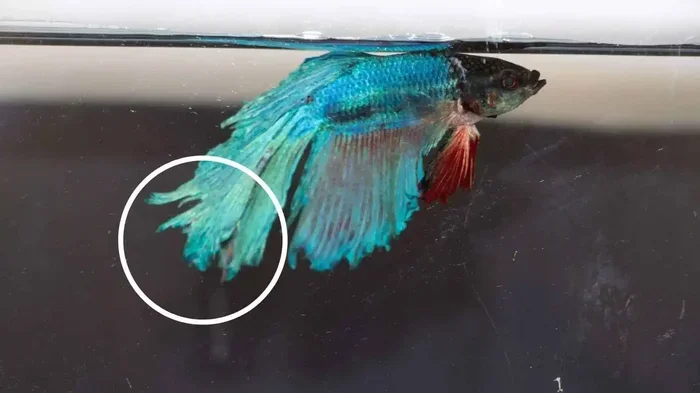
Visual guide about Can Betta Fish Breed
Image source: bkimg.cdn.bcebos.com
Introducing the female
Use a clear container (breeding box) to place the female in the tank. This lets the male see her without direct contact. After a few hours of “courtship displays,” lift the divider and let them meet. Watch for the male flaring his fins and the female responding with a “wiggle” swim.
Spawning and egg collection
Once the pair is comfortable, the female will release 200‑300 eggs. The male will fertilize them and gently pick them up in his mouth, depositing them into the bubble nest. After about 30 minutes, the male will guard the nest aggressively.
Separating the parents
Immediately remove the female to prevent her from being attacked. Keep the male with the nest for 2‑3 days until the eggs hatch, then gently transfer the male to a separate tank.
4. Caring for Eggs and Fry
Egg incubation
Eggs hatch in 24‑36 hours at 78 °F. During this time maintain water quality with frequent 10‑minute water changes (20‑30%). Use a gentle air stone to provide oxygen without breaking the bubbles.
First‑feed for fry
When the fry become free‑swimming (about 3‑4 days post‑hatch), start feeding infusoria or newly hatched brine shrimp. A simple homemade infusoria culture can be made by adding a few drops of yeast to a jar of water and letting it sit for 24 hours.
Growth stages
- Day 1‑3: Fry absorb the yolk sac; no feeding needed.
- Day 4‑7: Begin infusoria feedings 3‑4 times daily.
- Week 2‑3: Introduce microworms and finely crushed fry food.
- Week 4 onward: Gradually transition to regular betta pellets.
Preventing common problems
Keep the tank free of ammonia spikes; even a small rise can kill fragile fry. Also, avoid adding other fish until the fry are at least 4 weeks old and can fend for themselves.
5. Genetics and Selecting Future Breeders
Understanding inheritance
Betta colors and fin types are governed by multiple genes. Breeding two vibrant parents often yields colorful offspring, but recessive traits can appear unexpectedly. Keeping a breeding log helps track which pair produced the best results.
Avoiding inbreeding
Never breed siblings or parent‑offspring pairs. Inbreeding can cause weak fry, deformities, and increased susceptibility to disease. If you plan a long‑term breeding program, maintain a small “gene pool” of unrelated bettas.
Choosing fry for future breeding
Look for robust growth, clear eyes, and straight fins. Discard any fry with torn or clamped fins, as these often indicate genetic issues.
6. Frequently Overlooked Tips for Success
Water quality is king
Even a tiny amount of nitrate can stunt fry growth. Perform a 25 % water change daily during the first two weeks after hatching.
Temperature stability
Fluctuations of more than 2 °F stress both adults and fry. Use a reliable heater and a thermometer to monitor the water.
Patience with the male
After spawning, the male may become lethargic. Give him a quiet, dimly lit tank to recover before re‑introducing him to the community.
Use of breeding aids
Some breeders add a few drops of “breeding hormone” (commercially available melatonin) to stimulate spawning, but it’s optional and should be used sparingly.
Conclusion
So, can betta fish breed in a home aquarium? Absolutely—provided you respect their natural instincts, set up a proper breeding environment, and care for the delicate eggs and fry. By following the steps outlined above, you’ll increase your chances of a successful spawn and enjoy watching a new generation of stunning bettas grow. Remember, each breeding cycle is a learning experience, and even setbacks teach you valuable lessons. Happy breeding!
Frequently Asked Questions
Can betta fish breed without a bubble nest?
While a bubble nest greatly improves egg survival, bettas can occasionally spawn without one, especially in very soft water. However, the hatch rate drops dramatically.
How long does it take for betta eggs to hatch?
At 78 °F, betta eggs typically hatch in 24‑36 hours. Cooler water can extend this to 48 hours.
Do I need a separate tank for the male after spawning?
Yes. The male becomes aggressive toward the female and may even eat the fry if left together. A separate recovery tank keeps everyone safe.
Can I breed bettas from a pet store?
It’s possible, but store‑bought fish often carry hidden health issues. For better results, choose healthy, well‑cared‑for specimens or consider breeding your own stock.
What should I feed betta fry in the first week?
Start with infusoria or commercially prepared fry food. Once they’re free‑swimming, add newly hatched brine shrimp and microworms.
Is it okay to keep other fish with breeding bettas?
During spawning, keep the tank single‑sex. After the fry are several weeks old, you can introduce peaceful, small species, but always monitor for stress.