Why Don’t Betta Fish Need Oxygen
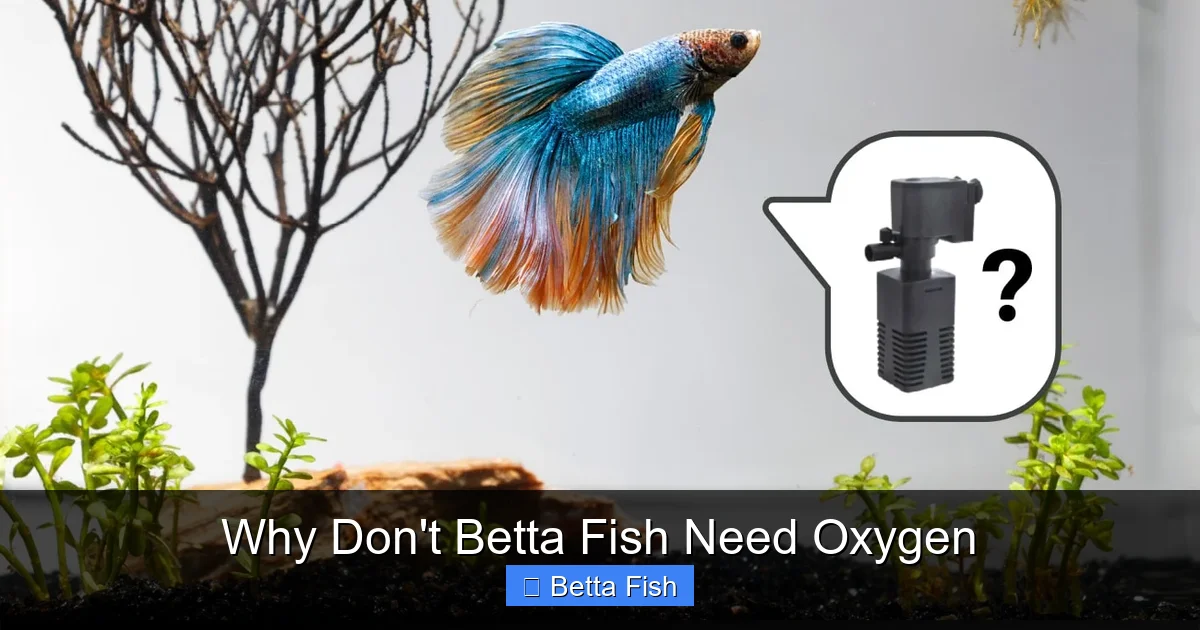
Betta fish thrive without an oxygen pump because of a special labyrinth organ that lets them breathe air directly from the surface. Understanding this unique ability helps you create a low‑maintenance, stress‑free home for your finned friend.
Key Takeaways
- Labyrinth organ: Betta fish have a built‑in air‑breathing organ that extracts oxygen from the air.
- Surface access is vital: A calm water surface lets bettas gulp air easily.
- No need for aeration: Unlike many fish, bettas can live in low‑flow tanks without an oxygen pump.
- Water quality still matters: Poor parameters can stress the fish even if oxygen is sufficient.
- Tank size matters: A minimum of 5 gallons provides space and stable water conditions.
- Temperature & humidity: Warm water holds less dissolved oxygen, making the labyrinth organ even more important.
- Practical tips: Use a lid, keep a small water movement, and monitor surface debris.
📑 Table of Contents
- Introduction: The Myth of the Oxygen‑Starved Betta
- 1. The Labyrinth Organ: Nature’s Built‑In Oxygen Mask
- 2. Why Dissolved Oxygen Isn’t Critical for Betta Health
- 3. Setting Up a Betta Tank That Supports Air Breathing
- 4. Common Misconceptions and How to Spot Real Problems
- 5. Practical Tips to Keep Your Betta Healthy and Happy
- Conclusion: Embrace the Betta’s Unique Breathing Superpower
Introduction: The Myth of the Oxygen‑Starved Betta
When you first hear about betta fish, you might picture them gliding gracefully in a tiny bowl, barely moving. A common question pops up: why don’t betta fish need oxygen? The short answer is that they have a built‑in backup system called the labyrinth organ. This organ lets them gulp air from the surface, so they don’t rely on dissolved oxygen the way most fish do.
In this article we’ll break down the science, explain what it means for tank setup, and give you practical, everyday tips to keep your betta thriving. By the end, you’ll see why the myth of “oxygen‑starved bettas” is just that—a myth.
1. The Labyrinth Organ: Nature’s Built‑In Oxygen Mask
What Is the Labyrinth Organ?
The labyrinth organ is a pair of folded, vascularized chambers located just above the gills. It works like a tiny sponge, absorbing oxygen directly from the air you or your fish breathes. When a betta swims to the surface and takes a quick gulp, the organ extracts the oxygen and sends it into the bloodstream.
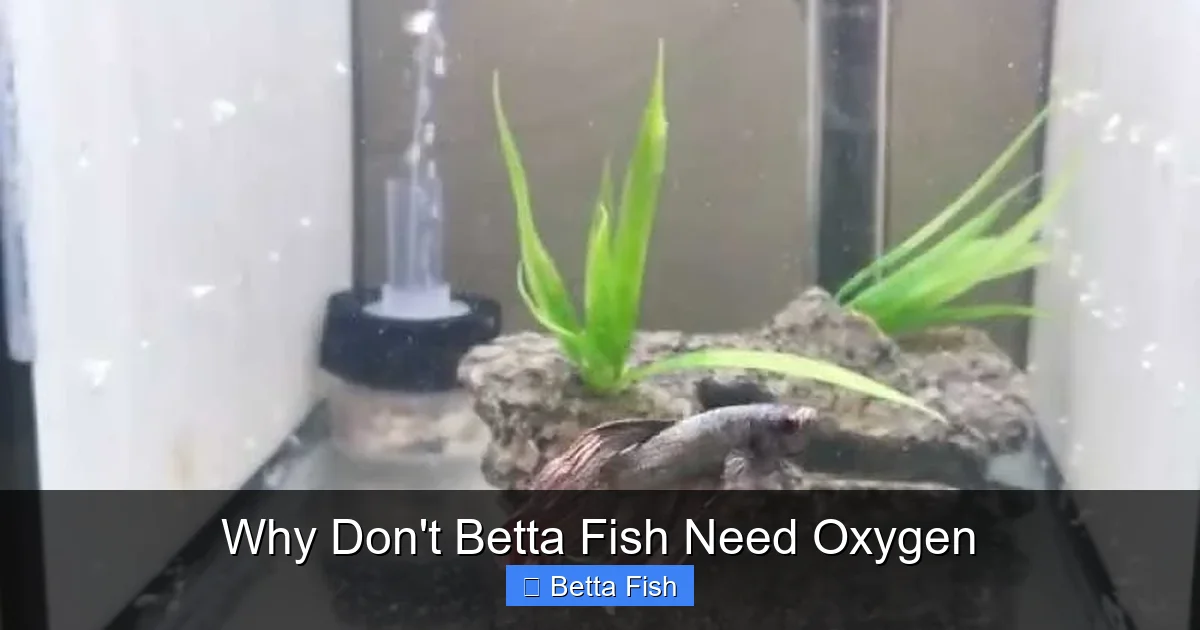
Visual guide about Why Don’t Betta Fish Need Oxygen
Image source: i0.wp.com
How It Differs From Regular Gills
Most fish rely solely on gills to pull dissolved oxygen out of water. Betta gills are still functional, but they’re a secondary source. The labyrinth organ gives bettas a safety net when water oxygen levels dip—perfect for warm, still waters where oxygen dissolves poorly.
Evolutionary Advantage
In their native Southeast Asian habitats—shallow rice paddies, stagnant ponds, and slow‑moving streams—oxygen can be scarce, especially during the hot dry season. The labyrinth organ evolved to let bettas survive in these harsh conditions, making them one of the most adaptable aquarium fish.
2. Why Dissolved Oxygen Isn’t Critical for Betta Health
Understanding Dissolved Oxygen (DO)
Dissolved oxygen is the amount of O₂ gas mixed into water. Warmer water holds less DO, and still water (no surface agitation) can become depleted quickly. For most tropical fish, a DO level of 5–7 mg/L is ideal.
Visual guide about Why Don’t Betta Fish Need Oxygen
Image source: bettafishnest.com
Betta Tolerance Ranges
Because of the labyrinth organ, bettas can comfortably live in water with DO levels as low as 2–3 mg/L, provided they can reach the surface. This is why you’ll often see bettas thriving in small bowls or low‑flow tanks where other fish would gasp for breath.
When Low DO Becomes a Problem
Even though bettas can survive low DO, extremely poor water quality—high ammonia, nitrite, or a pH swing—can stress them. Stress reduces their immune response and may lead to the health issues many owners mistake for “oxygen problems.”
3. Setting Up a Betta Tank That Supports Air Breathing
Tank Size and Shape
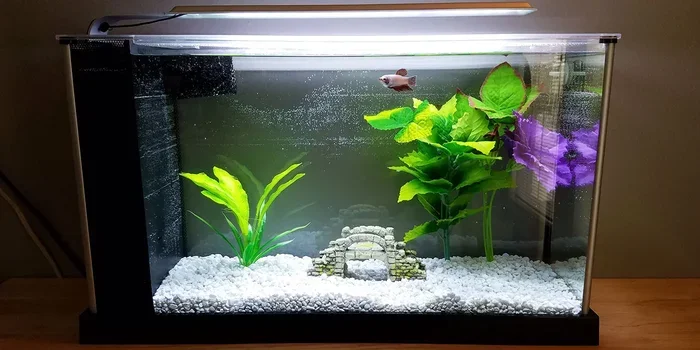
While a betta can survive in a 2‑gallon bowl, a 5‑gallon tank is strongly recommended. More water means more stable parameters, less frequent water changes, and a larger surface area for the fish to gulp air.
Surface Access Is Key
Place a lid or cover that has a tiny opening for air exchange. Avoid heavy decorations that block the surface. A calm, flat surface lets the betta reach the water‑air interface without fighting currents.
Gentle Water Movement
A slow sponge filter or a tiny air stone provides just enough movement to keep the water from becoming stagnant, without creating a strong current that pushes the fish away from the top. Remember, bettas love to rest near the surface.
Temperature and Humidity
Maintain a temperature between 76°F and 82°F (24°C‑28°C). Warm water holds less dissolved oxygen, making the labyrinth organ even more important. Keep the room’s humidity moderate; extremely dry air can cause the water surface to evaporate quickly, reducing the fish’s access to air.
Do You Need an Oxygen Pump?
Most betta owners do not need a dedicated oxygen pump. However, if you keep a community tank with other species that require high DO, an oxygen pump may be beneficial. For a single betta, a simple filter with gentle flow is sufficient. Read more about oxygen pumps for bettas here.
4. Common Misconceptions and How to Spot Real Problems
“My Betta Is Not Moving—Is It Because There’s No Oxygen?”
Betta fish often rest near the surface or hide among plants. If your betta stays at the bottom for long periods, check water parameters first. High ammonia or low pH can cause lethargy.
“Why Is My Betta Spitting Out Food?”
Stress from poor water quality, temperature spikes, or a lack of surface access can cause a betta to reject food. Ensure the water surface is clean and the fish can easily gulp air. Learn more about feeding issues here.
“Do Betta Fish Need an Oxygen Tank?”
Only in extreme cases—such as a heavily stocked tank with high bio‑load—might an additional oxygen source be necessary. For a single betta, a well‑maintained tank with a calm surface is enough. Explore the oxygen tank debate here.
Signs of Real Oxygen Stress
- Gasping at the surface repeatedly.
- Rapid, frantic swimming near the top.
- Pale or discolored gills.
If you see these signs, test the water immediately and increase surface agitation.
5. Practical Tips to Keep Your Betta Healthy and Happy
Regular Water Changes
Change 25‑30% of the water weekly. Use a water conditioner to remove chlorine and chloramines. This keeps ammonia low and maintains a healthy environment for both gill and labyrinth breathing.
Monitor Surface Cleanliness
Debris, oil films, or algae can block the fish’s access to air. Gently skim the surface during water changes and wipe the tank walls with a soft cloth.
Provide Hiding Spots
Live plants, silk plants, or smooth rocks give your betta places to rest and feel secure. A stressed betta may hide and refuse to eat, which can be mistaken for an oxygen issue.
Temperature Stability
Use a reliable heater with a thermostat. Sudden temperature drops reduce dissolved oxygen further and can shock the fish.
Observe Breathing Behavior
Watch your betta gulp air every few minutes. This is normal and a good sign the labyrinth organ is working. If it stops gulping altogether, investigate water quality right away.
Conclusion: Embrace the Betta’s Unique Breathing Superpower
Understanding why betta fish don’t need extra oxygen equipment unlocks a world of low‑maintenance, rewarding fish keeping. Their labyrinth organ lets them thrive in warm, still water, but it doesn’t excuse poor tank conditions. By giving them a clean surface, stable temperature, and regular water changes, you’ll keep your betta healthy and vibrant—no oxygen pump required.
Remember, the key is balance: respect the fish’s natural air‑breathing ability while providing a well‑filtered, properly sized home. With these simple steps, you’ll enjoy a thriving betta that dazzles with color and personality, all while debunking the myth that they need constant oxygen supplementation.
Frequently Asked Questions
Why can betta fish survive in a bowl without an air pump?
Betta fish have a labyrinth organ that lets them gulp air from the surface, so they don’t rely on dissolved oxygen like most fish. A calm surface in a bowl is enough for them to breathe.
Do bettas need a filter if they can breathe air?
Yes. A filter helps keep the water clean, removes harmful waste, and stabilizes temperature. Choose a gentle filter that doesn’t create strong currents.
What happens if a betta can’t reach the water surface?
If the surface is blocked by debris, oil film, or heavy decorations, the betta can’t gulp air, leading to stress and possible health issues. Keep the surface clear.
Can I keep a betta with other fish without an oxygen pump?
Betta fish are territorial and often aggressive toward other species. Even if oxygen isn’t a problem, compatibility is. Learn more about why betta fish can be with other fish before mixing.
Is a higher temperature safer for a betta’s labyrinth organ?
Warm water mimics their natural habitat, but it also holds less dissolved oxygen. The labyrinth organ compensates, but you must still maintain clean water and a calm surface.
How often should I clean the tank’s surface?
During each weekly water change, gently skim the surface to remove oil, dust, or algae. This ensures the betta can easily access air for breathing.