How to Train Betta Fish in Tamil
Training your betta fish in Tamil is easier than you think! This guide covers everything from basic betta fish training techniques to advanced tricks you can teach your colorful companion. Whether you are a beginner or experienced fish keeper, you will find practical tips to build trust and interact with your betta.
Training a betta fish might sound unusual at first. But once you see your colorful fish respond to your commands, it becomes truly rewarding. If you have been searching for ways to train betta fish in Tamil, you have come to the right place. This guide is written in simple language so anyone can follow along. You will learn proven methods that work well in Tamil-speaking households and communities.
Betta fish are smarter than most people think. They can recognize their owners, learn simple tricks, and even respond to feeding signals. The key is patience and consistency. In this article, we will walk you through every step of the betta fish training process. From setting up the right environment to teaching your fish basic tricks, we cover it all.
Whether you keep your betta in a bowl or a tank, the training principles remain the same. The goal is to create a bond between you and your fish. This bond makes training possible and enjoyable for both sides. Let us dive into the world of betta fish training in Tamil and discover what your fish can learn.
Key Takeaways
- Start with trust-building: The foundation of betta fish training is earning your fish’s trust through consistent, gentle interaction.
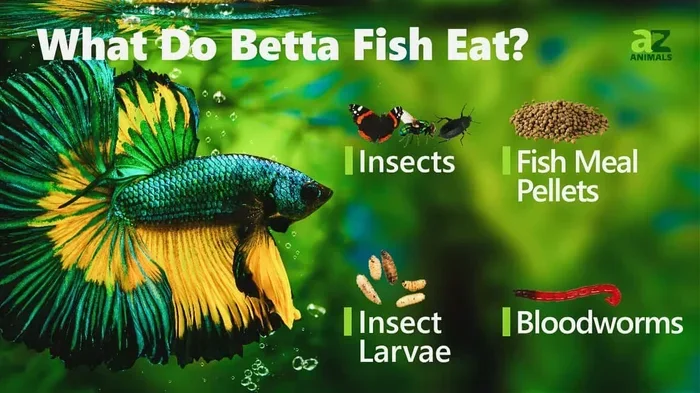
- Use food as motivation: High-quality pellets and live food are the best rewards for teaching your betta new behaviors.
- Train in Tamil-speaking environments: Cultural context and local care practices can make betta fish training in Tamil communities more effective.
- Keep sessions short: Five to ten minutes per session prevents stress and keeps your betta engaged and responsive.
- Be patient and consistent: Results take time. Daily repetition is the key to successful train betta fish outcomes.
- Observe your fish personality: Every betta has a unique temperament. Tailor your approach based on how your fish responds.
- Avoid common mistakes: Overfeeding, long sessions, and loud noises can undo your progress in betta fish training.
📑 Table of Contents
Understanding Betta Fish Behavior and Temperament
Before you start any training, you need to understand your betta fish. Each betta has its own personality. Some are bold and curious. Others are shy and cautious. Knowing your fish temperament helps you choose the right training approach.
Why Betta Fish Are Trainable
Betta fish belong to the gourami family. They are labyrinth fish, which means they breathe air from the surface. This unique trait makes them more aware of their surroundings. They can notice movement, light changes, and even recognize human faces over time.
When you understand betta fish behavior, training becomes much easier. Bettas respond well to routine. They learn to associate certain actions with feeding time. This natural ability forms the basis of all successful training.
Signs Your Betta Is Ready to Learn
Not every betta is ready for training at the same pace. Look for these positive signs:
- Your fish swims to the front of the tank when you approach
- Your betta follows your finger or hand movements
- Your fish shows excitement during feeding time
- Your betta flares less and stays calm around you
If you notice these behaviors, your betta is already starting to trust you. Trust is the most important element in betta fish training. Without trust, no amount of treats or repetition will work.
Setting Up the Right Training Environment
The environment where you train your betta matters a lot. A stressed fish will never learn. You need a calm, clean, and comfortable space. Here is how to set it up properly.
Tank Size and Setup
A minimum of five gallons is ideal for a training tank. Smaller bowls can work too, but they limit your fish’s movement. If you are keeping your betta in a bowl, make sure it is at least three gallons. Clean water keeps your betta healthy and alert during training sessions.
Make sure the water temperature stays between 78 and 80 degrees Fahrenheit. Are betta fish supposed to be in warm water? Yes, absolutely. Warm water keeps your betta active and responsive. Cold water makes them sluggish and uninterested in learning.
Reducing Distractions
Training works best in a quiet environment. Loud noises and sudden movements can scare your betta. Place the tank away from speakers and high-traffic areas. Dim lighting helps your fish focus on you instead of shadows and reflections.
If your betta seems stressed during training, take a break. How to care for betta fish in bowl settings requires extra attention to water quality. Dirty water causes stress, and stressed fish cannot learn effectively.
Step-by-Step Guide to Training Your Betta Fish
Now let us get into the actual training process. This section gives you a clear roadmap. Follow these steps in order for the best results.
Step One: Build Trust Through Feeding
The first week of training is all about trust. Sit by the tank and let your betta get used to your presence. Do not tap on the glass or make sudden movements. Simply let your fish observe you.
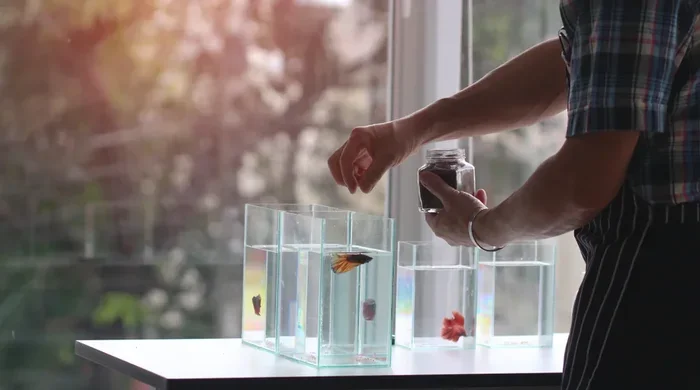
During feeding time, place your hand near the tank before adding food. Your betta will start to connect your hand with food. This simple step is the foundation of all betta fish training. Repeat this every day for at least one week.
Step Two: Teach Your Betta to Follow Your Finger
Once your betta is comfortable with your hand, move to finger following. Place your finger on the outside of the tank. Slowly move it from left to right. Your betta may follow the movement within a few days.
Use a small piece of pellet as a lure if your fish does not respond at first. Over time, your betta will follow your finger without any food lure. This is one of the simplest and most satisfying tricks in betta fish training in Tamil households.
Step Three: Teach Target Training
Target training is a great next step. Use a small stick or the tip of a pen. Touch the stick to the water surface near your betta. When your fish touches the stick, reward it with a pellet.
Repeat this five to ten times per session. Keep sessions short. Bettas have short attention spans. Five minutes of focused training works better than thirty minutes of frustration.
Step Four: Teach Simple Tricks
Once your betta masters target training, you can move to simple tricks. Some popular tricks include:
- Swimming through a hoop
- Following a moving object
- Spinning in a circle
- Jumping for food at the surface
Each trick requires patience. Start with one trick at a time. Never try to teach multiple tricks in the same session. Your betta will feel overwhelmed and may refuse to participate.
Common Mistakes to Avoid During Betta Fish Training
Many beginners make mistakes that slow down or even reverse their training progress. Here are the most common ones and how to avoid them.
Overfeeding During Training
It is tempting to give your betta too many treats during training. But overfeeding causes health problems. Feed your betta small amounts. Use training sessions as a supplement to regular meals, not a replacement.
Overfeeding leads to bloating and swim bladder issues. If your betta develops health problems, check how to cure swim bladder in betta fish for helpful remedies. A healthy fish learns much faster than a sick one.
Training Sessions That Are Too Long
Bettas are not dogs. They cannot focus for long periods. Sessions longer than ten minutes can stress your fish. Keep it to five minutes per session, two to three times a day. Short and sweet works best for betta fish training.
Ignoring Water Quality
Dirty water affects your betta’s mood and ability to learn. Change the water regularly. A clean tank creates a positive environment for training. If you are unsure about water changes, look up how to change water in betta fish tank for easy step-by-step instructions.
Moving Too Fast
Some owners rush the process. They expect results in one or two days. Training takes weeks. Be patient. Celebrate small wins. Every time your betta responds to a signal, that is progress.
Can You Train a Betta Fish to Fight or Do Tricks?
This is a question many Tamil fish keepers ask. The answer depends on what you mean by training.
Betta fish were originally bred for fighting in Southeast Asia. However, modern pet Bettas should never be trained to fight. Fighting causes injury and stress. It is cruel and unnecessary. Instead, focus on positive training like tricks and behavior modification.
If you are curious about trick training, the answer is yes! Bettas can learn simple tricks with consistent practice. Can you train a betta fish to do tricks? Absolutely. Tricks like following your finger, swimming through hoops, and target training are all achievable. These activities keep your betta mentally stimulated and strengthen your bond.
The key difference is intent. Training for enrichment and bonding is wonderful. Training for aggression or harm is not acceptable. Always choose kind and positive methods for your fish.
Expert Tips for Successful Betta Fish Training
Here are some expert-level tips that take your training to the next level:
- Use the same hand signal every time. Consistency helps your betta learn faster. Changing signals confuses your fish.
- Train at the same time each day. Bettas thrive on routine. A set schedule helps them anticipate training sessions.
- Use a mirror briefly. A mirror can stimulate your betta and make it more active before training. But never leave the mirror in the tank for too long.
- Observe your betta’s mood. If your fish seems tired or uninterested, skip the session. Pushing a reluctant fish creates negative associations.
- Keep a training log. Note what worked and what did not. This helps you track progress and adjust your methods.
These tips come from experienced betta keepers. They work well in Tamil homes where betta fish are popular pets. The cultural connection many Tamil families have with their betta fish makes training a shared family activity.
Conclusion
Training betta fish in Tamil is a rewarding journey that anyone can enjoy. You do not need expensive equipment or special skills. All you need is patience, consistency, and a willingness to understand your fish. Start with trust-building, move through the steps gradually, and always prioritize your betta’s well-being.
Remember that every betta learns at its own pace. Some fish pick up tricks quickly. Others take more time. Both are perfectly normal. The goal is not just to teach tricks. The goal is to build a meaningful connection with your fish.
Apply the tips from this guide and watch your betta transform. You will be amazed at what your colorful companion can do. Happy training, and enjoy every moment with your betta fish!
Frequently Asked Questions
Can betta fish really be trained?
Yes, betta fish can be trained. They are intelligent fish that can recognize their owners and learn simple behaviors. With patience and consistent practice, most bettas can learn to follow fingers, perform target training, and even do basic tricks.
How long does it take to train a betta fish?
Training time varies from fish to fish. Most bettas start responding to basic signals within one to two weeks. More complex tricks may take four to six weeks of daily practice. The key is to keep sessions short and positive.
What is the best food to use as training rewards?
Small pieces of high-quality betta pellets work great as training rewards. You can also use live or frozen bloodworms and brine shrimp. Use very small amounts to avoid overfeeding during training sessions.
Is it safe to train betta fish in a bowl?
Yes, it is safe to train betta fish in a bowl as long as the bowl is at least three gallons and the water is clean. A stressed or unhealthy fish will not train well. Make sure the bowl setup supports your betta’s health and comfort.
Can I train my betta fish to recognize me?
Absolutely. Bettas can recognize their owners over time. Sit near the tank regularly, feed your fish by hand, and be consistent. Your betta will start to swim to the front when it sees you. This recognition is the first step in any successful training journey.
What should I do if my betta fish refuses to train?
If your betta refuses to train, take a break for a few days. Check water quality, temperature, and overall health. A stressed or sick fish will not be interested in learning. Once your betta is healthy and comfortable, try again with shorter sessions and more enticing rewards.