Do Betta Fish Like Floating Fake Fish Find Out Here
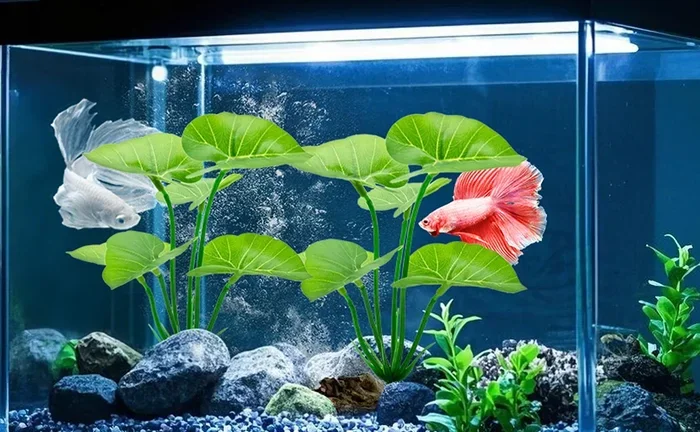
Many betta owners ask, do betta fish like floating fake fish? The answer depends on the type of decoration you choose. Some artificial items provide hiding spots, while others cause stress or injury. You need to pick safe materials that match your fish’s natural habits. This guide helps you make the best choice for your tank.
Keeping a betta fish is a wonderful hobby. These colorful creatures bring life to any room. However, setting up their home can be tricky. You want it to look nice. You also want it to be safe. Many people ask, do betta fish like floating fake fish? This is a common question for new owners. It is important to understand how decorations affect your pet.
Decorations make a tank look beautiful. They can also provide hiding spots. But not all items are safe. Some objects might scare your fish. Others could hurt them. Bettas are known for their long fins. They need space to swim without getting torn. They also need access to the water surface. This is because they breathe air from above. Any floating item must not block this access.
In this article, we will explore this topic deeply. We will look at why owners choose these items. We will discuss the risks involved. You will learn what materials are safe. We will also share tips on tank setup. By the end, you will know how to decorate wisely. Your betta will thank you for it.
Key Takeaways
- Safety First: Always choose smooth decorations without sharp edges to prevent injury.
- Natural Behavior: Bettas prefer environments that mimic their natural habitat with plants and hides.
- Stress Reduction: Floating objects can sometimes stress fish if they block the surface access.
- Material Matters: Avoid cheap plastics that may leach chemicals into the water.
- Observation is Key: Watch your fish closely after adding new items to ensure they are comfortable.
- Alternative Options: Live plants or silk plants often work better than hard plastic fish.
- Tank Balance: Ensure decorations do not overcrowd the tank or limit swimming space.
📑 Table of Contents
Why Owners Want Floating Decorations
People love to personalize their aquariums. A plain glass tank can look empty. Adding toys or figures makes it fun. Some owners want to create a scene. They might add sunken ships or castles. Others want moving parts. This leads to the question, do betta fish like floating fake fish? It is natural to want your tank to look lively.
Floating items add movement to the water. This can be entertaining for the owner. Watching the decoration bob on the surface is interesting. Some people think it entertains the fish too. They hope their betta will interact with the object. Interaction is good for mental stimulation. However, bettas are not like dogs or cats. They do not play with toys in the same way.
Another reason is aesthetics. A floating fish decoration might match the real fish inside. It creates a cool visual effect. You might see photos online that look amazing. These photos inspire owners to buy similar items. But remember, those photos are staged. The fish in the photo might not be comfortable. Just because it looks good does not mean it is good for the fish.
Visual Appeal vs. Fish Comfort
You must balance looks with comfort. A beautiful tank is useless if the fish is stressed. Stress weakens the immune system. This leads to sickness. So, before buying a floating toy, think about the fish. Will it block light? Will it trap food? These are important questions. The goal is a healthy ecosystem, not just a pretty display.
Understanding Betta Behavior and Preferences
To answer do betta fish like floating fake fish, we must look at their nature. Bettas come from shallow waters in Thailand. They live in rice paddies and slow streams. These areas have lots of plants. They do not have hard plastic objects. Their world is soft and organic. They like to hide among leaves. They also like to rest on broad leaves near the top.
Bettas are territorial. They protect their space. A new object in the tank can trigger this instinct. They might see the floating fish as an intruder. This causes aggression. You might see flaring gills. They might charge at the object. This wastes energy and causes stress. It is better to avoid triggers like this.
They also need to breathe air. Bettas have a special organ called a labyrinth. This lets them gulp air from the surface. If a floating decoration covers too much surface area, they cannot breathe easily. They need clear access to the top. Any floating item must leave plenty of open space. This is a critical safety rule for every owner.
Surface Access is Critical
Always check the water line. Ensure your betta can reach the air easily. If the floating fake fish blocks the corner they use, move it. Watch them for a few days. If they seem to struggle, remove the item. Their health is more important than the decoration. You can find more about their breathing habits in our guide on bubble blowing behavior.
Potential Risks of Artificial Floating Objects
There are real dangers to consider. Plastic decorations can have sharp edges. Betta fins are very delicate. A sharp point can tear a fin. This leads to fin rot. Fin rot is a serious bacterial infection. It can kill the fish if untreated. Always run your fingers over the object. If it feels rough, do not use it.
Chemicals are another risk. Cheap plastics might leak toxins. These toxins pollute the water. This harms the fish over time. Look for items labeled aquarium safe. Even then, wash them well before use. Soak them in water for a few days. This helps remove loose chemicals. Never use objects meant for dry display only.
Stability is also a concern. A floating item might tip over. It could fall and trap the fish. Bettas are not strong swimmers. They can panic if trapped. This causes physical injury. It also causes severe stress. Ensure the object is lightweight and stable. It should not sink unexpectedly.
Sharp Edges and Fin Damage
Inspect every inch of the decoration. Look for seams or rough spots. Smooth plastic is best. Silicone molds are often safer than hard plastic. If you see any damage, throw it away. Do not risk your fish’s health. For more on physical safety, read about signs of bleeding or injury. Knowing the signs helps you act fast.
Safe Alternatives to Floating Fake Fish
If you want decoration, choose safer options. Live plants are the best choice. They clean the water and provide cover. Java moss and Anubias are great starters. They do not need strong light. They grow slowly and stay manageable. Your betta will love hiding in them.
Silk plants are also good. They look real but are artificial. They are softer than plastic. They will not tear fins. You can place them anywhere. They do not float unless you weight them. This gives you control over placement. You can create a nice background without blocking the surface.
Floating logs or hammocks are popular too. These are designed for bettas. They provide a place to rest near the top. They are usually made of safe materials. They do not look like fake fish. This avoids the aggression issue. Your betta gets a resting spot without the stress of a rival.
Live Plants and Silk Options
Live plants add oxygen to the water. They absorb waste products. This keeps the tank healthier. Silk plants are easy to clean. You can remove them and rinse them off. They are durable and long-lasting. Both options are better than hard plastic toys. They support a natural environment. Your fish will feel more secure.
How to Introduce New Decorations Safely
If you decide to add anything new, do it slowly. Do not dump it in all at once. Clean the item thoroughly first. Use water only, no soap. Soap leaves residues that kill fish. Rinse the item for several minutes. Then, place it in the tank gently.
Watch your fish for the first week. Look for signs of stress. These include hiding all the time. Loss of color is another sign. Clamped fins mean they are unhappy. If you see these signs, remove the decoration. Try something else instead. Patience is key when changing the tank setup.
Give your fish time to adjust. They need to explore the new object. If they ignore it, that is fine. If they attack it, take it out. You want a peaceful home. Sometimes less is more. A simple tank with safe plants is better than a crowded toy store.
Monitoring Fish Reaction
Keep a journal if you can. Note any changes in behavior. Eating habits are a good indicator. If they stop eating, something is wrong. Check the water quality too. New items can affect the cycle. Test your water regularly. This ensures the new item is not causing pollution.
Expert Tips for a Happy Betta Tank
Experts agree that environment matters most. A happy betta is active and colorful. They flare occasionally but not constantly. They eat well and swim smoothly. To achieve this, focus on water quality. Temperature should be around 78 degrees Fahrenheit. Use a gentle filter. Strong currents tire them out.
Lighting is also important. Bettas need a day and night cycle. Too much light stresses them. Too little light stops plant growth. Use a timer for your tank light. This keeps things consistent. You can learn more about light needs in our article on lighting requirements.
Finally, keep the tank clean. Change some water every week. This removes waste and toxins. Clean decorations during water changes. This prevents algae buildup. A clean tank is a healthy tank. Your betta will thrive in a well-maintained home.
Maintaining Water Quality
Test your water weekly. Check for ammonia and nitrites. These are harmful to fish. Use a good water conditioner. This removes chlorine from tap water. Always match the temperature of new water. Sudden changes shock the fish. Slow and steady wins the race in fishkeeping.
Conclusion
So, do betta fish like floating fake fish? Mostly, no. They do not need them. These items often cause more problems than benefits. They can block breathing space. They can hurt delicate fins. They can trigger aggression. It is better to choose natural options. Live plants and silk decorations are safer.
Your goal is to mimic their natural home. Provide hiding spots and open swimming areas. Ensure they can reach the surface easily. Avoid sharp or toxic materials. Watch your fish closely after adding anything new. Their behavior tells you what they need. A safe tank leads to a long life.
Enjoy your hobby. Take time to learn about your fish. They are unique individuals. What works for one might not work for another. Prioritize their health over aesthetics. You will have a beautiful tank and a happy fish. That is the best outcome for everyone.
Frequently Asked Questions
Do betta fish get scared of plastic decorations?
Yes, betta fish can get scared of large or shiny plastic decorations. They prefer natural-looking environments. Sudden movements or reflections can cause stress.
Can floating toys block oxygen for betta fish?
They can if they cover too much surface area. Bettas need access to the air to breathe. Always leave plenty of open space on the water surface.
Are silicone fish decorations safer than plastic?
Generally, yes. Silicone is softer and less likely to tear fins. However, ensure the material is non-toxic and aquarium-safe before using it.
Will a fake fish trigger aggression in my betta?
It might. Bettas are territorial and may see the fake fish as a rival. This can lead to flaring and stress. Monitor your fish closely if you try it.
What is the best decoration for a betta tank?
Live plants and smooth silk plants are the best options. They provide hiding spots without sharp edges. They also help maintain water quality naturally.
How do I know if my betta hates a new decoration?
Watch for hiding, loss of color, or clamped fins. If they stop eating or seem stressed, remove the item. Their behavior is the best indicator of comfort.