How to Tell the Difference in Betta Fish
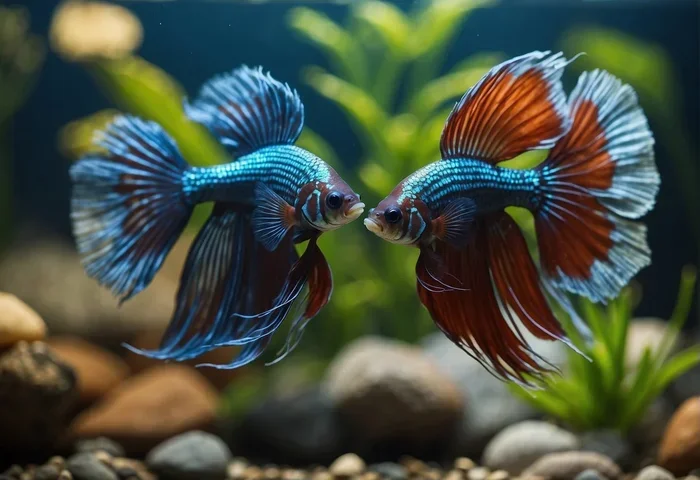
Knowing how to tell the difference in betta fish is essential for any fish keeper. You will learn to spot male and female betta fish by their colors, fins, and body shape. This guide also covers age identification and behavioral clues that make identification easy and fun.
Have you ever looked at two betta fish and thought, “These look the same”? You are not alone. Many fish keepers struggle with how to tell the difference in betta fish. Whether you are a beginner or a seasoned hobbyist, understanding the differences between male and female bettas is super important.
Betta fish are beautiful creatures. They come in amazing colors and have flowing fins that catch the eye. But here is the thing — males and females look very different. Their colors, fins, body shapes, and even behaviors change based on gender. Once you know what to look for, telling them apart becomes second nature.
This guide breaks everything down in simple terms. You will learn how to spot the differences by sight, by behavior, and even by age. We will also cover common mistakes people make when trying to identify their bettas. By the end, you will feel confident every time you look into your tank.
Key Takeaways
- Males and females look very different: Males have longer fins and brighter colors, while females are smaller and less colorful.
- Body shape and size give clear clues: Females have a white egg spot and a rounder belly, while males are more slender and streamlined.
- Behavior differs by gender: Males build bubble nests and flare more, while females tend to be calmer and more territorial in groups.
- Age affects appearance: Young bettas look similar, but differences become obvious as they mature around 3 to 6 months old.
- Color intensity is a strong indicator: Males develop vivid, saturated colors, while females often stay more muted.
- Fin length is the easiest clue: Male bettas have dramatic, flowing fins, while females have shorter, simpler fins.
- Knowing the differences helps with tank setup: It ensures proper tank mates, breeding pairs, and better overall care.
📑 Table of Contents
- How to Tell the Difference in Betta Fish by Gender
- How to Tell the Age of a Betta Fish
- How to Tell if Your Betta Fish Is Male or Female by Body Shape
- How to Tell the Difference in Betta Fish by Color and Fins
- Common Mistakes When Trying to Tell Betta Fish Apart
- Why Knowing the Differences Matters for Betta Care
- Quick Tips for Identifying Betta Fish Differences
- Final Thoughts on Telling Betta Fish Apart
How to Tell the Difference in Betta Fish by Gender
The biggest difference between betta fish comes down to gender. Males and females have distinct physical and behavioral traits. Once you know these, you will never mix them up again.
Physical Differences Between Male and Female Betta Fish
Male betta fish are the show-offs of the species. They have long, flowing fins that trail behind them as they swim. Their colors are bright and vivid. You will see deep blues, rich reds, and stunning greens on a male betta.
Female bettas are smaller and more compact. Their fins are much shorter. Their colors tend to be softer and less intense. But do not underestimate them — females are just as interesting to watch.
Here are the key physical differences to look for:
- Fin length: Males have long, dramatic fins. Females have short, simple fins.
- Body shape: Males are slender and elongated. Females are rounder and more compact.
- Color intensity: Males display bright, saturated colors. Females stay more muted.
- Egg spot: Females have a small white spot on their underside called an ovipositor. Males do not have this.
- Size: Females are generally slightly larger around the belly area.
If you want a deeper dive into identifying gender, check out our guide on how to tell the gender of a betta fish for more detailed visuals and tips.
Behavioral Differences Between Male and Female Bettas
Behavior is another great way to tell the difference. Male bettas are known for their flaring. They puff up their gills and spread their fins when they see another male or even their own reflection. It looks dramatic, but it is natural behavior.
Males also build bubble nests. These are small clusters of bubbles they blow at the surface of the water. It is a sign of a healthy, happy male betta ready to breed.
Females behave differently. They can be territorial too, especially when kept in groups called a sorority. A female betta sorority can be a fascinating setup. But females generally flare less and stay calmer than males.
Here is a quick comparison of male vs female behavior:
- Flaring: Males flare often. Females flare less.
- Bubble nests: Only males build them.
- Territorial behavior: Males should be kept alone. Females can sometimes live in groups.
- Activity level: Males tend to be more active and curious. Females can be more laid back.
How to Tell the Age of a Betta Fish
Age plays a big role in how betta fish look. Young bettas may not show clear gender differences yet. But as they grow, the differences become much more obvious.
Young Betta Fish: What to Expect
Baby bettas and juveniles look very similar. Both males and females have short fins and dull colors. It is almost impossible to tell them apart when they are very young. You usually need to wait until they are about three to six months old before differences start showing.
During the first few months, focus on keeping your fish healthy. Feed them well and keep the water clean. The colors and fin growth will come with time.
Adult Betta Fish: Signs of Maturity
Once a betta reaches adulthood, the differences become clear. Males start developing long fins and bright colors. Females begin to show their rounder body shape and egg spot.
If you want to learn more about determining age, our article on how to tell the age of a betta fish has helpful tips for fish of all ages.
How Age Affects Color and Fin Development
Color intensity increases as bettas age. A young male might look pale, but by the time he is fully grown, his colors will be vibrant. Fin length also grows over time. The older the male betta, the longer and more dramatic his fins become.
Keep this in mind when buying a betta fish. A young fish might not look as impressive right away, but give it time and proper care, and it will grow into a stunning fish.
How to Tell if Your Betta Fish Is Male or Female by Body Shape
Body shape is one of the easiest ways to identify gender. Once you know what to look for, you will spot the differences quickly.
Male bettas have a long, flat body from side to side. They look sleek and streamlined. When you look at them from above, they appear narrow and elongated.
Female bettas have a rounder, wider body. Their belly area is more pronounced. This is because females carry eggs. Even if your female is not ready to breed, she will still have a rounder shape than a male.
Here is a simple way to check:
- Look at your betta from above.
- Notice the width of the body.
- If the fish looks narrow and long, it is likely a male.
- If the fish looks wide and round, it is likely a female.
The egg spot is another reliable clue. It is a tiny white dot located on the underside of the female’s body, near the vent area. Not all females show it clearly, but when present, it is a strong indicator.
How to Tell the Difference in Betta Fish by Color and Fins
Color and fin length are the most visible differences. These traits make it easy to separate males from females at a glance.
Color Differences
Male bettas are famous for their bright colors. They come in every shade you can imagine. Electric blue, deep red, vivid green, and even purple — males display them all.
Female bettas have more subtle coloring. They might show hints of color, but it is usually less intense. Some females do develop bright colors, especially when they are ready to breed. But in general, females stay on the muted side.
Color can also change based on mood and health. A stressed betta might look pale. A happy, healthy betta will show off its best colors. So always consider the overall context when judging color.
Fin Differences
This is the most obvious difference. Male bettas have long, flowing fins that can be several times longer than their body. Their tail fins, dorsal fins, and anal fins all grow extra long.
Female bettas have short, practical fins. They still look nice, but they do not have the dramatic trailing fins that males do. This difference is present even in young fish, though it becomes more pronounced with age.
If you are shopping for bettas, fin length is the fastest way to tell them apart. A fish with long, flowing fins is almost certainly a male.
Common Mistakes When Trying to Tell Betta Fish Apart
Even experienced fish keepers sometimes make mistakes. Here are the most common errors people make when trying to identify betta fish.
Mistake 1: Assuming All Bright Fish Are Male
Some female bettas do develop bright colors. This is especially true for females that are ready to breed. Do not assume a colorful fish is definitely a male. Always check for the egg spot and body shape as well.
Mistake 2: Ignoring Age
Young bettas look very similar regardless of gender. If you try to identify a juvenile betta, you might get it wrong. Wait until the fish is at least three months old before making a judgment based on physical traits.
Mistake 3: Keeping Two Males Together
This is a serious mistake. Two male bettas will fight, and it can be fatal. Always make sure you know the gender before adding a new fish to your tank. If you are unsure, refer to our article on how to tell a female betta fish from a male for extra guidance.
Mistake 4: Overlooking Behavioral Clues
Some people focus only on looks and forget about behavior. Watching your fish for a few days can give you strong clues about its gender. A fish that builds bubble nests is a male. A fish that becomes territorial with other females might also be a male, though this is less common.
Why Knowing the Differences Matters for Betta Care
Understanding how to tell the difference in betta fish is not just about knowledge. It directly affects how you care for your fish.
Male bettas need to be kept alone. They are aggressive toward other males and can injure or kill them. A single male betta does best in his own tank with plenty of hiding spots and plants.
Female bettas can sometimes be kept in groups. A sorority of four to six females can work well in a larger tank. But even females need enough space and hiding spots to reduce aggression.
If you are planning to breed bettas, knowing the gender is essential. You need one male and one female. Breeding bettas requires careful preparation and a separate breeding tank.
Tank mates are another consideration. Female bettas can sometimes live with other peaceful fish. Males should generally be kept alone. Knowing the gender helps you make the right choices for your setup.
If you are ever unsure about your betta’s health or behavior, check out our guide on how to tell if my betta fish is sick to learn about signs of illness that can sometimes be confused with gender-related behavior.
Quick Tips for Identifying Betta Fish Differences
- Look at the fins first: Long fins mean male. Short fins mean female.
- Check for the egg spot: A white dot on the belly means female.
- Watch for bubble nests: Only males build them.
- Observe body shape: Round and wide means female. Slim and long means male.
- Consider the age: Wait until the fish is at least three months old for reliable identification.
- Watch behavior: Frequent flaring suggests a male. Calm behavior in a group suggests a female.
- Use good lighting: Colors look best in bright light, making it easier to spot differences.
Final Thoughts on Telling Betta Fish Apart
How to tell the difference in betta fish becomes easy once you know what to look for. Start with fin length and body shape. These are the most obvious clues. Then move on to behavioral signs like flaring and bubble nest building. Age also plays a role, so be patient with young fish.
Remember that every betta fish is unique. Some females are more colorful than others. Some males have slightly shorter fins. Use all the clues together to make the best identification.
With practice, you will be able to tell male from female in seconds. It is a fun skill that makes fish keeping even more enjoyable. Keep observing your fish, keep learning, and enjoy the beauty of these amazing creatures.
Whether you are setting up a single male tank or a female sorority, knowing the gender helps you create the best environment for your fish. Proper identification leads to better care, healthier fish, and a more rewarding hobby.
Frequently Asked Questions
Can you tell a betta fish’s gender as a baby?
It is very hard to tell the gender of a baby betta fish. Young bettas look almost identical. You usually need to wait until they are three to six months old before physical differences like fin length and body shape become visible.
Do female betta fish have fins like males?
No, female bettas have much shorter fins than males. Their fins are simple and practical. Males have long, flowing fins that are one of the easiest ways to tell them apart from females.
Why do male bettas flare their fins?
Males flare their fins to show dominance or defend their territory. It is a natural behavior. They often flare at other males or even at their own reflection in the tank glass.
Can two female bettas live together?
Yes, female bettas can sometimes live together in a group called a sorority. This works best in a tank that is at least 20 gallons with plenty of hiding spots and plants to reduce tension.
What is the egg spot on a female betta fish?
The egg spot is a small white dot on the underside of a female betta. It is called an ovipositor and is used for releasing eggs during breeding. It is one of the most reliable signs that a betta is female.
Does color help identify betta fish gender?
Yes, color can help. Males typically have brighter, more vivid colors than females. However, some females can also develop bright colors, especially when they are ready to breed. Always use multiple clues together for accurate identification.