How to Train a Betta Fish to Fight in Tamil
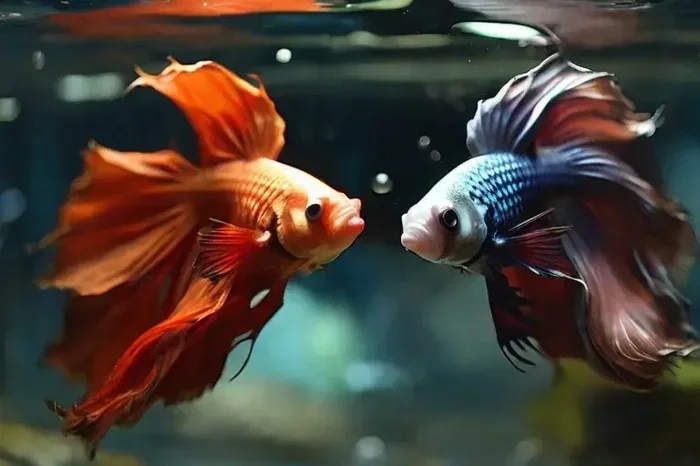
Training a betta fish to fight in Tamil is a traditional practice rooted in South Indian culture. This guide covers everything from understanding betta fish behavior to conditioning techniques and Tamil-specific training methods. You will learn how to prepare your fish properly, build their strength, and train them with patience and care.
Key Takeaways
- Betta fish fighting has deep roots in Tamil culture: This traditional practice dates back generations and remains popular in parts of Tamil Nadu.
- Male betta fish are the primary fighters: Understanding their natural aggression and temperament is essential before starting any training.
- Proper conditioning and diet play a big role: A well-fed, healthy betta fish performs better and responds better to training.
- Training takes time and patience: You cannot rush the process. Gradual conditioning yields the best and safest results.
- Safety and ethics matter: Always prioritize the health and well-being of your betta fish during training.
- Setting up the right environment is critical: A proper tank setup supports both training and overall fish health.
📑 Table of Contents
- How to Train a Betta Fish to Fight in Tamil: A Complete Guide
- Understanding Betta Fish Behavior in Tamil Culture
- Setting Up the Right Environment for Training
- Conditioning Your Betta Fish for Fighting
- Tamil-Specific Training Methods and Traditions
- Common Mistakes to Avoid During Training
- Raising and Caring for a Fighting Betta Fish
- Conclusion
How to Train a Betta Fish to Fight in Tamil: A Complete Guide
Betta fish fighting is not just a hobby. It is a deep part of Tamil culture and tradition. For centuries, people in Tamil Nadu have kept and trained betta fish for fighting. This practice connects communities, passes down knowledge, and keeps a unique tradition alive. If you want to learn how to train a betta fish to fight in Tamil, this guide will walk you through every step.
Training a betta fish is not something you do overnight. It requires patience, the right setup, and a good understanding of your fish. Male betta fish are the ones used for fighting because they are naturally more aggressive. This guide covers everything from choosing the right fish to conditioning techniques and Tamil-specific tips. Whether you are a beginner or have some experience, you will find useful information here.
The word betta comes from the scientific name Betta splendens. These fish are also called Siamese fighting fish. In Tamil, they are sometimes called “kattu meen” or simply fighting fish. The training process focuses on building strength, improving aggression in a controlled way, and preparing the fish for competition. Let us dive into the details.
Understanding Betta Fish Behavior in Tamil Culture
Before you start training, you need to understand how betta fish behave. Male bettas are territorial by nature. They flare their gills and spread their fins to look bigger and more threatening. This behavior is the foundation of fighting instincts.
Why Male Betta Fish Fight
Male betta fish fight to protect their territory. In the wild, they live in shallow rice paddies and slow-moving streams in Southeast Asia. When another male enters their space, they fight to win. This natural instinct is what makes them good fighters.
In Tamil Nadu, people have selectively bred betta fish for generations to enhance this fighting behavior. The fish are not just pets. They are considered warriors. Families pass down their best fighting fish through the years. This is why training in Tamil has its own unique methods and traditions.
Signs of a Healthy Fighting Fish
Not every betta fish can be a fighter. You need to look for certain signs before you start training. A healthy fighting fish will have bright colors, long flowing fins, and a strong body. It should be active and responsive. Avoid fish that look dull, lethargic, or sick.
Here are key signs to watch for:
- Bright, vibrant colors – a healthy betta will display intense red, blue, or green hues.
- Active flaring – the fish should flare at reflections and other fish.
- Strong appetite – a good fighter eats well and eagerly.
- Firm body shape – avoid fish that look thin or bloated.
- Alert behavior – the fish should respond quickly to movement near the tank.
Setting Up the Right Environment for Training
The environment you create for your betta fish matters a lot. A stressed fish will not train well. You need a clean, comfortable tank that mimics the fish’s natural habitat. This is where proper betta fish care becomes essential.
Tank Size and Setup
A minimum tank size of 5 gallons is recommended for a training betta. Larger tanks are even better because they reduce stress and give the fish room to move. Make sure the water is clean and the temperature is between 78 and 80 degrees Fahrenheit.
Here are some setup tips:
- Use a gentle filter to keep the water clean without creating too much current.
- Add plants and hiding spots to make the fish feel secure.
- Keep the lighting moderate. Bright lights can stress the fish.
- Use a heater to maintain a stable temperature.
If you are new to betta fish keeping, check out our guide on how to set up a fish tank for betta fish. It covers all the basics you need to know.
Water Quality and Maintenance
Clean water is non-negotiable. Dirty water leads to illness, and a sick fish cannot train. Change 25 to 30 percent of the water every week. Use a water conditioner to remove chlorine and other harmful chemicals.
For more details on keeping the water clean, read our article on how to change water in a betta fish tank. Regular maintenance keeps your fish healthy and ready for training sessions.
Conditioning Your Betta Fish for Fighting
Conditioning is the heart of betta fish training. It means building up the fish’s strength, aggression, and fighting spirit over time. This is done through diet, exercise, and controlled exposure to stimuli.
Diet and Nutrition
A strong diet builds a strong fish. Feed your betta high-quality pellets as the base of its diet. Supplement with live or frozen foods like brine shrimp, bloodworms, and daphnia. These foods are rich in protein and help build muscle.
Feed your betta twice a day in small amounts. Overfeeding can lead to health problems. A healthy diet supports energy levels and overall vitality. For tips on feeding specific foods, see our guide on how to feed a pea to a betta fish.
Exercise and Stimulation
Betta fish need mental and physical stimulation to stay sharp. You can encourage exercise by placing a mirror near the tank for short periods. The fish will flare at its reflection, which builds fighting instinct and strengthens its body.
Here are some conditioning exercises:
- Mirror training – place a small mirror in front of the tank for 5 to 10 minutes daily.
- Visual stimulation – show the fish other bettas through glass to trigger flaring.
- Gentle water current – use a sponge filter to create mild movement that keeps the fish active.
- Hand feeding – this builds trust and keeps the fish engaged and responsive.
For more training ideas, our article on can you train a betta fish to do tricks offers great techniques that also apply to fighting conditioning.
Gradual Exposure to Other Fish
The most important part of conditioning is controlled exposure. Start by placing the training tank near other betta fish. Let them see and smell each other through the glass. Over time, you can arrange supervised brief encounters in a divided tank.
Never put two unconditioned male bettas together in the same tank. This can lead to serious injury. Always use a tank divider or separate containers for initial encounters. The goal is to build aggression in a safe and controlled way.
Tamil-Specific Training Methods and Traditions
Training betta fish to fight has a rich tradition in Tamil Nadu. Local breeders and trainers have developed methods that have been passed down through families. These techniques focus on building the fish’s natural fighting ability while keeping it healthy.
The Role of Tamil Breeders
Tamil breeders are known for their expertise in selecting the best fighting fish. They look for specific traits like fin length, body shape, color intensity, and aggression level. Many breeders in Tamil Nadu specialize in particular betta strains that are known for their fighting spirit.
These breeders often compete in local tournaments and exhibitions. The winning fish earn respect and value in the community. This tradition keeps the art of betta fish breeding and training alive in Tamil culture.
Traditional Conditioning Techniques
Tamil trainers use several traditional methods that have proven effective over generations. These include:
- Herbal water additives: Some trainers use natural herbs in the water to boost the fish’s health and energy.
- Gradual sparring: Short, controlled fights with weaker opponents to build confidence.
- Diet supplements: Traditional Tamil recipes include specific natural supplements to enhance strength.
- Sound and vibration training: Some trainers expose fish to gentle sounds to keep them alert and responsive.
These methods reflect the deep cultural connection between Tamil communities and their fighting fish. They are passed from one generation to the next, preserving an important part of Tamil heritage.
Common Mistakes to Avoid During Training
Training a betta fish to fight can go wrong if you are not careful. Many beginners make mistakes that harm the fish or reduce its fighting ability. Here are the most common errors to avoid.
Overfeeding the Fish
Too much food makes the fish lazy and unhealthy. It also pollutes the water faster. Stick to a consistent feeding schedule and small portions. A fit, lean fish fights better than an overweight one.
Skipping Water Changes
Dirty water causes stress and disease. A stressed fish will not perform well. Always keep the water clean and at the right temperature. Regular maintenance is the foundation of good training.
Rushing the Process
Training takes weeks and sometimes months. Do not rush your betta into fights before it is ready. Gradual conditioning builds a stronger, more confident fighter. Patience is your best tool.
Ignoring Signs of Stress or Illness
If your fish shows signs of stress or illness, stop training immediately. Common signs include loss of color, clamped fins, loss of appetite, and lethargy. Address health issues first before returning to training.
For more information on recognizing and treating stress, check out our guide on how to treat a stressed betta fish. Catching problems early keeps your fish healthy and ready for training.
Raising and Caring for a Fighting Betta Fish
Once your fish is trained and ready, ongoing care becomes even more important. A fighting betta needs consistent attention to stay in top condition. This is where proper care routines make all the difference.
Daily Care Routine
A simple daily routine keeps your fighting betta in peak condition. Feed the fish twice a day with high-quality food. Check the water temperature and make sure the heater is working. Observe your fish for any changes in behavior or appearance.
For a complete care routine, our article on how to take care of a betta male fish provides detailed guidance on daily maintenance and health monitoring.
Long-Term Health and Longevity
A well-trained fighting betta can live for 3 to 5 years with proper care. Keep the fish in a clean tank, feed a balanced diet, and avoid unnecessary stress. Regular vet check-ups or consultations with experienced breeders can help catch problems early.
Raising a betta fish from a young age gives you the best results. Young fish adapt better to training and develop stronger fighting instincts over time. For tips on raising betta fish from the start, read our guide on how to raise a betta fish.
Conclusion
Training a betta fish to fight in Tamil is a rewarding journey that connects you to a rich cultural tradition. It requires patience, knowledge, and genuine care for the fish. From setting up the right tank to conditioning your betta and following Tamil-specific methods, every step matters.
Remember that the health and well-being of your betta fish should always come first. A well-cared-for fish trains better and performs better. Use the techniques in this guide to build a strong, healthy, and competitive betta fish. With time and dedication, you will see real results.
Start today. Follow these steps, stay consistent, and enjoy the process of training your betta fish. Whether you do it for competition or as a proud part of Tamil tradition, the experience is truly worthwhile.
Frequently Asked Questions
Is it legal to train betta fish to fight in Tamil Nadu?
The legality of betta fish fighting varies by region and country. In some areas, organized fighting is regulated or banned. Always check local laws and regulations before participating in or organizing any betta fish fighting activities. Responsible training for exhibition and competition is generally more widely accepted.
How long does it take to train a betta fish to fight?
Training typically takes several weeks to a few months, depending on the fish’s age, health, and natural temperament. Consistent daily conditioning and gradual exposure to stimuli produce the best results. Rushing the process can harm the fish and reduce its fighting ability.
Can female betta fish be trained to fight?
Female betta fish are generally less aggressive than males and are not typically used for fighting. Male bettas have stronger territorial instincts and more pronounced fighting behavior. If you are interested in training, focus on male bettas for the best results.
What should I feed my betta fish during training?
A high-protein diet supports training and conditioning. Feed quality pellets as a base and supplement with live or frozen brine shrimp, bloodworms, and daphnia. Feed small amounts twice a day and avoid overfeeding to keep the fish healthy and energetic.
How do I know if my betta fish is ready for its first fight?
Your betta is ready when it flares confidently, maintains a strong appetite, and shows consistent energy levels. It should respond actively to mirror training and visual stimuli. If the fish shows any signs of stress or illness, delay the first fight until it fully recovers.
Are there any risks involved in betta fish fighting?
Yes, betta fish fighting carries risks including injury, stress, and infection. Always use proper supervision and tank dividers during training encounters. Keep the water clean and monitor the fish closely for any signs of harm. Prioritize the fish’s health above competition results.