How to Tell a Betta Fish Is Pregnant
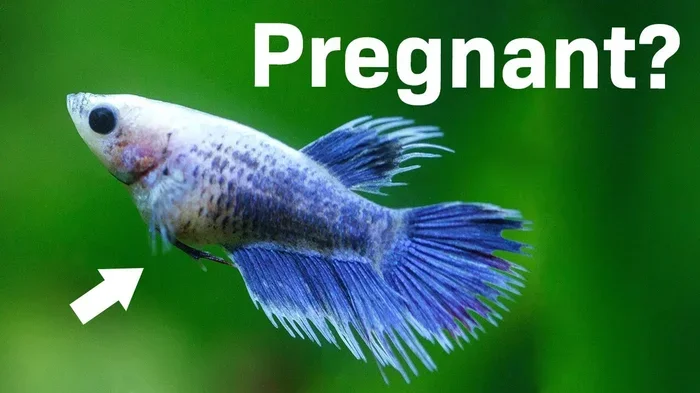
Figuring out how to tell a betta fish is pregnant starts with watching for a swollen belly, white spots, and changes in behavior. Female bettas carry eggs inside their bodies and show clear physical and behavioral signs before releasing them. This guide walks you through every sign, what to expect during the breeding process, and how to care for your fish during this exciting time.
Have you ever looked at your betta fish and thought, “Could she be pregnant?” It is a common question among fish keepers, and the answer is more interesting than you might think. Learning how to tell a betta fish is pregnant is not just about spotting a round belly. There are several physical signs, behavioral cues, and environmental factors that come into play.
Female betta fish do not carry live young like mammals. Instead, they carry eggs inside their bodies and release them during a process called spawning. Understanding this process helps you provide better care and create the right conditions for healthy breeding. Whether you are a beginner or a seasoned aquarist, this guide covers everything you need to know.
In this article, we will walk you through every sign of a pregnant betta fish, from physical changes to behavior shifts. We will also cover how to set up the right environment, what to feed your fish during this time, and common mistakes to avoid. By the end, you will feel confident in spotting the early signs and supporting your fish through the breeding process.
Key Takeaways
- A swollen, rounded belly is one of the most obvious signs that your betta fish is carrying eggs.
- White spots (egg spots) on the belly area are a strong indicator of a female betta ready to breed.
- Behavioral changes like building bubble nests and increased appetite signal pregnancy in betta fish.
- Water temperature and quality play a big role in triggering and supporting the breeding process.
- Separation and proper tank setup are essential for keeping both the female and male betta safe during spawning.
- Knowing the difference between a pregnant betta and a sick fish helps you respond with the right care.
📑 Table of Contents
- How to Tell a Betta Fish Is Pregnant
- Behavioral Signs of a Pregnant Betta Fish
- The Breeding Process Explained
- How to Care for a Pregnant Betta Fish
- Common Mistakes to Avoid
- How to Tell a Female Betta Fish from a Male
- When to Expect the Eggs
- What Happens After the Eggs Are Released?
- Quick Tips for Spotting Betta Pregnancy
- Final Thoughts
How to Tell a Betta Fish Is Pregnant
The first step in understanding betta fish pregnancy is knowing what to look for. Unlike many animals, bettas do not show obvious pregnancy symptoms right away. The signs develop gradually over days or even weeks. Here are the key indicators that your female betta is carrying eggs.
Swollen or Rounded Belly
The most visible sign of a pregnant betta fish is a swollen belly. When a female carries eggs, her abdomen rounds out and becomes plumper than usual. However, you need to distinguish between a pregnant belly and a bloated belly caused by illness. A pregnant belly tends to be more uniform in shape, while bloating from disease often looks lopsided or uneven.
Try this simple test: gently observe your fish from above. A pregnant betta will have a smooth, rounded shape that tapers slightly toward the tail. If the belly looks hard or distended, it could be a sign of dropsy or constipation, not pregnancy.
White Spots (Egg Spots)
Look closely at the underside of your betta’s belly. Female bettas have small white spots called ovipositors, which are the tubes through which eggs are released. These egg spots become more visible when a female is ready to breed. They look like tiny white dots arranged in a line near the anal fin.
Not all females show these spots clearly, and some males can have a small white spot too. But when combined with other signs, visible egg spots are a strong clue that your betta is preparing to spawn.
Changes in Color and Fins
A pregnant betta often shows brighter colors and more vibrant fins. This is her body’s way of signaling readiness to breed. Some females develop a faint horizontal stripe, often called a “breeding stripe,” along their body. This stripe is more noticeable in lighter-colored bettas.
Her fins may also appear slightly more flared or relaxed. These color changes are subtle but become easier to spot once you know what to look for.
Behavioral Signs of a Pregnant Betta Fish
Physical changes tell only part of the story. Betta fish behavior during pregnancy shifts in noticeable ways. Paying attention to how your fish acts is just as important as looking at her body.
Bubble Nest Building
While bubble nest building is typically done by male bettas, it often happens in response to a female’s readiness to breed. If you notice a cluster of tiny bubbles floating near the surface of the tank, it is a sign that breeding conditions are right. The male will build this nest to hold the fertilized eggs after spawning.
If your tank has both a male and female, the male’s bubble nest activity is a strong indicator that the female is carrying eggs and the environment is suitable for breeding.
Increased Appetite
A pregnant betta fish often eats more than usual. Her body is working hard to produce and carry eggs, so she needs extra energy. You may notice her begging for food more frequently or eating faster than normal.
Just be careful not to overfeed. Excess food can dirty the water and lead to health problems. Offer small, frequent meals of high-quality food to support her nutritional needs.
Flirting and Flaring
If you have a male and female in the same tank (or in adjacent tanks), you may see the male flaring his fins and “flirting” with the female. He will display his colors and build the bubble nest to attract her. The female may respond by darkening in color or approaching the nest.
This courtship behavior is a natural part of the betta breeding process and confirms that both fish are ready to spawn.
The Breeding Process Explained
Understanding how bettas reproduce helps you provide better care throughout the process. Betta fish breeding is a fascinating journey that involves several stages.
Stage 1: Egg Development
Inside the female’s body, eggs develop over a period of one to two weeks. During this time, her belly gradually swells. She does not need a male to produce eggs — females release eggs on a regular cycle, whether or not a male is present. However, the eggs will not be fertilized without a male.
Stage 2: Spawning
When the female is ready, she releases her eggs during a process called spawning. The male wraps his body around the female to collect the eggs and fertilize them. This process lasts only a few minutes. Afterward, the male carefully gathers the fertilized eggs and places them in the bubble nest.
Stage 3: Egg Incubation
The eggs hatch within 24 to 48 hours. The male betta guards the nest and the developing eggs during this time. He will pick up any eggs that fall and return them to the nest. The fry (baby fish) stay in the nest for another day or two before becoming free-swimming.
| Stage | Duration | Key Signs |
|---|---|---|
| Egg Development | 1–2 weeks | Swollen belly, visible egg spots |
| Spawning | A few minutes | Male wraps around female, egg release |
| Incubation | 24–48 hours | Male guards bubble nest |
| Fry Stage | 2–3 days | Fry become free-swimming |
How to Care for a Pregnant Betta Fish
Once you confirm that your betta is carrying eggs, proper care becomes even more important. The right environment and diet support healthy egg production and reduce stress on your fish.
Tank Setup for Breeding
If you plan to breed your bettas, set up a separate breeding tank. A tank of 5 to 10 gallons works well. Keep the water temperature between 78 and 80 degrees Fahrenheit, as warm water encourages breeding behavior. Use a gentle filter or sponge filter to maintain water quality without creating strong currents.
Add a few floating plants or a spawning mop. These give the female a place to deposit her eggs and give the male something to attach the bubble nest to. Keep the tank dimly lit, as bright lights can stress both fish during the breeding process.
Feeding a Pregnant Betta
A high-quality diet supports egg production and overall health. Feed your pregnant betta a mix of:
- High-protein betta pellets as the staple food
- Frozen or live brine shrimp for extra protein
- Bloodworms as an occasional treat
- Daphnia to aid digestion and provide nutrients
Feed small amounts two to three times a day. Remove any uneaten food after five minutes to keep the water clean.
Water Quality and Maintenance
Clean water is essential for a healthy pregnant betta. Test the water parameters regularly. Keep ammonia and nitrite levels at zero, and nitrates below 20 ppm. Perform small water changes of 10 to 15 percent every few days to maintain optimal conditions.
For more guidance on maintaining clean water, check out our article on how to take care of betta fish water.
Common Mistakes to Avoid
Even experienced fish keepers make mistakes when caring for a pregnant betta. Here are some common errors to watch out for.
- Confusing pregnancy with illness. A bloated belly can also signal constipation or dropsy. Look for multiple signs before assuming pregnancy.
- Keeping the male and female together too long. After spawning, remove the female to protect her from the male, who may become aggressive.
- Overfeeding. Extra food leads to dirty water, which harms both the mother and future fry.
- Ignoring water temperature. Cold water can delay or prevent breeding. Use a reliable heater to maintain consistent warmth.
- Not providing hiding spots. The female needs a safe place to rest, especially if the male becomes territorial.
Expert Insight: Many beginners mistake a female betta carrying eggs for a fish that is sick. The key is to look for multiple signs together — a rounded belly, white egg spots, increased appetite, and breeding behavior. If you are ever unsure, consult the guide on how to tell if my betta fish is sick to rule out illness.
How to Tell a Female Betta Fish from a Male
Before you can confirm pregnancy, you need to know the gender of your fish. Telling a female betta fish from a male is an essential first step. Males have longer, more colorful fins and a more pointed anal fin. Females have shorter fins, a rounder body, and the visible egg spots we discussed earlier.
If you are not sure about your fish’s gender, our guide on how to tell a female betta fish from a male provides detailed visual comparisons and tips to help you identify the gender accurately.
When to Expect the Eggs
Once you have confirmed that your betta is pregnant, you may wonder how long until the eggs are released. The timeline depends on several factors, including water temperature, the female’s health, and the presence of a male.
Typically, a female betta releases her eggs within a few days to a week after showing clear signs of pregnancy. The eggs are not live young — they are small, white, and oval-shaped. The male will fertilize them immediately after release and place them in the bubble nest.
For tips on keeping your tank clean during this sensitive period, read our article on how to clean a betta fish tank without filter for gentle cleaning methods that won’t disturb your fish.
What Happens After the Eggs Are Released?
After spawning, the male takes over most of the parental duties. He guards the bubble nest and the eggs carefully. During this time, remove the female from the tank to prevent her from eating the eggs or being harmed by the male.
The eggs hatch within 24 to 48 hours. The fry remain in the nest for another day or two. Once they become free-swimming, you can start feeding them infusoria or liquid fry food. As they grow, you can gradually introduce baby brine shrimp to their diet.
If you are new to raising betta fry, our article on how to raise a betta fish offers step-by-step advice for caring for young bettas from hatching to adulthood.
Quick Tips for Spotting Betta Pregnancy
- Observe your fish daily for changes in belly shape and color.
- Look for white egg spots near the anal fin.
- Watch for increased appetite and more active behavior.
- Check for bubble nest building if a male is present.
- Maintain warm water temperatures between 78 and 80 degrees Fahrenheit.
- Provide a calm, stress-free environment with gentle filtration.
- Feed a high-protein diet to support egg development.
- Separate the female after spawning to keep her safe.
Final Thoughts
Knowing how to tell a betta fish is pregnant is a rewarding skill for any fish keeper. From the swollen belly and white egg spots to behavioral changes like bubble nest building and increased appetite, the signs are there if you know what to look for. By providing the right environment, proper nutrition, and careful monitoring, you can support your betta through the entire breeding process.
Remember that every fish is different. Some females show clear signs early, while others are more subtle. Patience and observation are your best tools. If you ever notice something unusual, do not hesitate to research or consult with experienced aquarists.
Caring for a pregnant betta is a wonderful experience. It gives you a front-row seat to one of nature’s most interesting reproductive processes. Enjoy the journey, and give your fish the love and attention she deserves throughout this special time.
Frequently Asked Questions
How long are betta fish pregnant for?
Betta fish are not technically “pregnant” in the mammalian sense. A female carries eggs inside her body for about one to two weeks before releasing them during spawning. The entire process from egg development to release takes roughly 10 to 14 days under ideal conditions.
Can a betta fish be pregnant without a male?
Yes. Female bettas produce eggs on a regular cycle regardless of whether a male is present. However, without a male, the eggs will not be fertilized and will not develop into baby fish. The female will still show signs of carrying eggs, including a swollen belly and visible egg spots.
What do betta fish eggs look like?
Betta fish eggs are tiny, white, and oval-shaped, about 1 to 2 millimeters in size. They look like small pearls or grains of rice. The male collects the fertilized eggs and places them in the bubble nest he builds at the surface of the water.
How can I tell the difference between a bloated and a pregnant betta fish?
A pregnant betta has a smooth, evenly rounded belly that tapers toward the tail. A bloated fish often has a lopsided or hard belly, may swim erratically, and might show other signs of illness like clamped fins or loss of color. Look for multiple signs together to make a correct identification.
Should I separate the female betta after she releases eggs?
Yes. After spawning, remove the female from the breeding tank. The male betta becomes protective and may become aggressive toward the female. Keeping her separate ensures her safety while the male guards the eggs and cares for the fry.
What should I feed a pregnant betta fish?
Feed a high-protein diet including quality betta pellets, frozen or live brine shrimp, bloodworms, and daphnia. Offer small meals two to three times a day. Avoid overfeeding, as excess food can dirty the water and harm both the mother and future fry.