How to Teach a Male Betta Fish Tricks
Teaching a male betta fish tricks is easier than most people think. With patience, the right treats, and consistent practice, your betta can learn fun behaviors like following your finger, swimming through hoops, and more. This guide walks you through every step of training your male betta fish using proven positive reinforcement methods.
Key Takeaways
- Male betta fish are smarter than you think: They can learn a range of tricks with consistent training.
- Positive reinforcement works best: Use small treats and gentle praise to encourage your betta.
- Start with simple tricks: Begin with easy behaviors like following your finger before moving to complex tricks.
- Keep training sessions short: 3 to 5 minutes per session prevents stress and keeps your fish engaged.
- A proper tank setup matters: A healthy, stress-free environment makes training much more effective.
- Patience is the key ingredient: Every betta learns at their own pace, so stay consistent and calm.
📑 Table of Contents
- How to Teach a Male Betta Fish Tricks
- Why Male Betta Fish Can Learn Tricks
- Getting Ready for Training
- Easy Tricks to Start With
- Training Techniques That Work
- Common Mistakes to Avoid
- Building a Bond Through Training
- How Long Does It Take to Train a Betta Fish?
- Advanced Tricks for Experienced Trainers
- Final Thoughts
How to Teach a Male Betta Fish Tricks
Have you ever watched your male betta fish swim around and thought, “He seems pretty smart”? You are not imagining things. Betta fish are surprisingly clever creatures. They can recognize their owners, respond to signals, and yes, even learn tricks. Training your betta is a fun way to interact with your pet. It also keeps your fish mentally stimulated and healthy.
If you have been searching for how to teach a male betta fish tricks, you are in the right place. This guide breaks everything down into simple, easy-to-follow steps. You do not need any special equipment or experience. Just a little time, some patience, and a few treats. Let us get started.
Before you begin, it helps to understand your fish. Male bettas are known for their vibrant colors and flowing fins. They also have strong personalities. Unlike many other fish, bettas can recognize patterns and associate actions with outcomes. This is the foundation of betta fish training. Once you know this, you will see just how capable your fish really is.
Why Male Betta Fish Can Learn Tricks
Many people underestimate betta fish intelligence. They think fish have tiny brains and short memories. That is simply not true. Studies show that bettas can remember things for weeks. They can also learn to associate certain actions with rewards. This is called positive reinforcement, and it is the backbone of all fish training.
The Science Behind Betta Intelligence
Your male betta fish has a brain that is capable of learning. Bettas in the wild must find food, avoid predators, and navigate their environment. This keeps their minds sharp. In a home aquarium, they still have that natural curiosity. When you offer a training treat after a desired behavior, your betta’s brain releases a feel-good response. Over time, your fish starts to repeat that behavior to earn the reward.
This is exactly how how to teach your betta fish to do tricks works. You are simply tapping into your fish’s natural ability to learn. The key is to be consistent and patient.
Getting Ready for Training
Before you start training sessions, you need to set the stage for success. A stressed or unhealthy fish will not learn well. Make sure your betta fish care routine is solid first. Here is what you need to prepare.
Step 1: Set Up a Proper Tank Environment
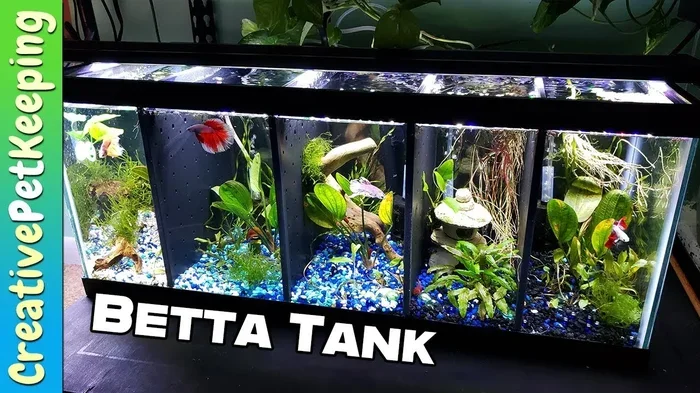
Your betta needs a clean, comfortable tank. A how to set up a fish tank for betta fish guide can help you get the basics right. The water temperature should be between 76 and 82 degrees Fahrenheit. Keep the water clean with regular maintenance. A stressed fish will not focus on learning.
Step 2: Choose the Right Training Treats
Bettas are carnivores. They love small, protein-rich foods. Bloodworms, brine shrimp, and daphnia make excellent training treats. Use tiny pieces so your fish does not fill up too fast. You want your betta to stay hungry enough to be motivated during each session.
Step 3: Pick a Quiet Training Spot
Choose a calm spot near your tank. Avoid loud noises or sudden movements. Your betta will focus better in a quiet environment. Also, try to train at the same time each day. Bettas thrive on routine, and consistency helps them learn faster.
Easy Tricks to Start With
Now for the fun part. You should always start with simple tricks. This builds confidence for both you and your fish. Here are some beginner-friendly tricks to try.
Trick 1: Following Your Finger
This is the easiest trick to teach. Simply place your finger on the outside of the tank. Move it slowly. Your betta will likely follow the movement. After a few seconds, reward your fish with a treat. Repeat this several times a day. Within a few days, your betta will start following your finger on purpose.
Trick 2: Swimming Through a Hoop
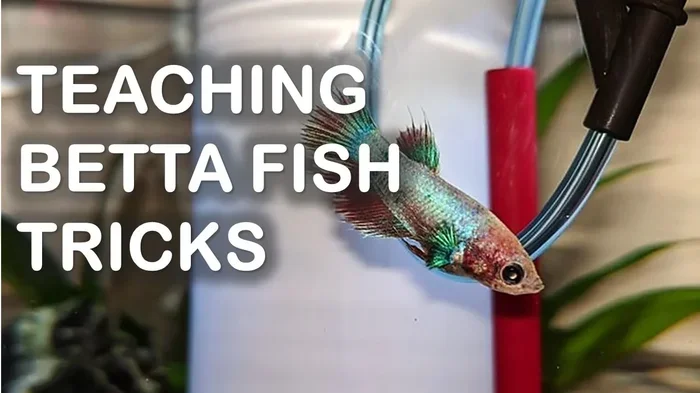
You can make a simple hoop from a pipe cleaner. Gently place it in the water. Hold a treat on the other side. Your betta will swim through the hoop to get it. With practice, your fish will go through the hoop without needing the treat to lure it. This is one of the most impressive tricks you can teach a betta fish.
Trick 3: Target Training
Target training involves teaching your betta to touch a specific object. Use a small stick or the tip of a pen. Dip it in the water near your fish. When your betta touches it, give a treat. Over time, move the target to different spots. Your fish will follow it around the tank. This is a great foundation for more advanced tricks.
Training Techniques That Work
Not all training methods are created equal. Some techniques work much better than others. Here are the most effective methods for training a male betta fish.
Positive Reinforcement
This is the gold standard for betta fish training. Every time your fish performs the desired behavior, give an immediate reward. The reward can be a tiny food treat or gentle praise. Never punish your fish for mistakes. Bettas do not respond well to negative reinforcement. It only causes stress and sets back your training.
Clicker Training
Some fish owners use a small clicker device. The click sound becomes a signal that a treat is coming. You click right after the desired behavior. Then immediately give the treat. Over time, your betta learns to associate the click with a reward. This method can speed up the training process.
Shaping
Shaping means breaking a trick into small steps. For example, if you want your betta to jump out of the water, first reward it for swimming near the surface. Then reward it for touching your finger above the water. Finally, reward it for jumping. This gradual approach makes complex tricks much easier to teach.
Common Mistakes to Avoid
Training your betta can be very rewarding. But there are some mistakes that can slow you down or even harm your fish. Here is what to watch out for.
- Training sessions that are too long: Keep each session to 3 to 5 minutes. Longer sessions tire out your fish and cause stress.
- Too many treats: Overfeeding during training can lead to health problems. Use tiny portions and limit treats to training time only.
- Inconsistent signals: Use the same hand signal or target every time. Changing signals confuses your betta.
- Moving too fast: Do not jump to advanced tricks too quickly. Master each step before moving on.
- Ignoring your fish’s mood: If your betta seems stressed or uninterested, stop the session. Try again later when your fish is more alert.
Avoiding these mistakes will make the whole process smoother. If you want more tips on keeping your fish happy and healthy, check out this guide on how to care for a male betta fish.
Building a Bond Through Training
One of the best parts of training your betta is the bond it creates. When you spend time with your fish, it starts to recognize you. Many betta owners report that their fish get excited when they approach the tank. This connection is real and meaningful.
If you want to deepen this bond, try spending extra time near the tank outside of training. Talk to your fish gently. Let them explore your hand. You can also read more about how to grow a bond with your betta fish for additional tips. The trust you build through training makes every trick even more satisfying.
How Long Does It Take to Train a Betta Fish?
The honest answer is: it depends. Some bettas learn simple tricks in just a few days. Others may take weeks. The timeline depends on several factors. Your fish’s age, personality, and previous experience all play a role. Younger bettas tend to learn faster. Fish that are already used to human interaction also pick things up more quickly.
The most important thing is to stay patient. Do not get frustrated if your betta does not get a trick right away. Every fish learns at its own pace. Celebrate small wins along the way. Even a tiny improvement is progress.
For more ideas on what your betta can learn, explore this article on what tricks you can teach a betta fish. It has a great list of beginner and advanced tricks to try.
Advanced Tricks for Experienced Trainers
Once your male betta has mastered the basics, you can try more challenging tricks. Here are a few to work toward.
- Jumping for food: Hold a treat just above the water surface. Your betta may learn to jump up to grab it.
- Swimming through a tunnel: Use a small hollow decoration or tube. Lure your fish through with a treat.
- Spinning in a circle: Guide your betta in a circle using a target stick. Reward each partial turn until your fish completes a full spin.
- Pushing a small ball: Place a tiny floating ball in the tank. Guide your betta to nudge it with its nose.
Remember to keep each session fun and low-pressure. Advanced tricks take more time. Always end on a positive note, even if the session was not perfect.
Final Thoughts
Teaching a male betta fish tricks is one of the most enjoyable parts of fish keeping. It proves that bettas are intelligent, interactive pets. With the right approach, you can teach your fish a wide variety of behaviors. Start simple, stay consistent, and always use positive reinforcement.
Your betta fish is smarter than you might think. Give it a chance to show you what it can do. The tricks your fish learns will surprise and delight you. Most importantly, the time you spend training will strengthen the connection between you and your pet. Enjoy the journey, and have fun with it.
Frequently Asked Questions
Can all male betta fish learn tricks?
Most male bettas can learn basic tricks with patience and consistency. However, every fish has its own personality. Some bettas are more eager to learn than others. If your fish seems uninterested at first, try again later or adjust your training approach.
What is the best treat for training a betta fish?
Small pieces of bloodworms, brine shrimp, or daphnia work best. These are high in protein and very appealing to bettas. Use only tiny amounts to keep your fish healthy and motivated during training sessions.
How long should each training session last?
Keep training sessions to 3 to 5 minutes. Bettas have short attention spans. Longer sessions can cause stress and reduce your fish’s willingness to participate. Short, consistent sessions work much better.
Is clicker training safe for betta fish?
Yes, clicker training is safe and effective for bettas. The click sound is gentle and does not stress the fish. The key is to click right before giving a treat. Over time, your betta will learn to associate the click with a reward.
Can I train a betta fish of any age?
You can train bettas of most ages. Younger fish tend to learn faster, but older bettas can also pick up new tricks. The most important factors are patience, consistency, and a healthy tank environment.
What should I do if my betta fish refuses to do a trick?
If your betta refuses, do not force it. Take a break and try again later. Make sure your fish is healthy and well-fed. Sometimes switching to a more appealing treat or simplifying the trick helps. Check out this guide on teaching betta fish tricks for more troubleshooting tips.
=== CONCLUSION ===
Teaching a male betta fish tricks is a rewarding experience that benefits both you and your fish. It stimulates your betta’s mind, strengthens your bond, and adds a fun new dimension to fish keeping. Start with simple tricks, use positive reinforcement, and always keep training sessions short and enjoyable. With patience and consistency, you will be amazed at what your betta can learn. Enjoy the process and celebrate every small success along the way.