How to Teach a Betta Fish to Use Leaf Hammock
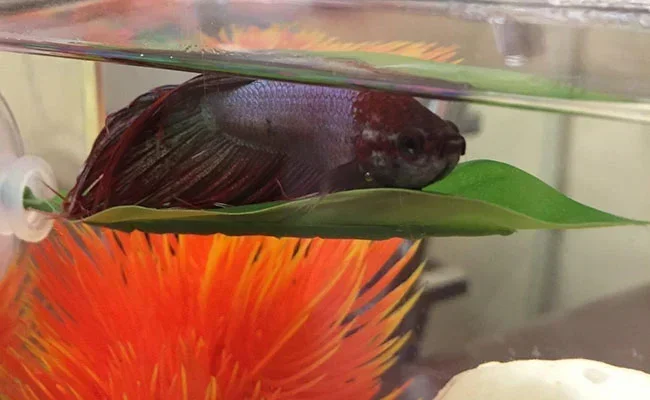
Teaching your betta fish to use a leaf hammock is easier than you think. This fun enrichment activity keeps your betta active, healthy, and mentally stimulated. With patience and the right approach, your betta will start enjoying its new floating resting spot in no time.
Have you ever watched your betta fish swim around the tank and thought, “This guy could use a little luxury”? A leaf hammock can bring that luxury right into your aquarium. But here is the thing — most bettas do not just hop on a hammock the moment it enters their tank. They need a little guidance. That is where this guide comes in.
In this article, we will walk you through how to teach a betta fish to use leaf hammock step by step. You will learn the best placement strategies, training techniques, and common mistakes to avoid. Whether you are a total beginner or a seasoned betta keeper, these tips will help you introduce a leaf hammock the right way. Let us get started.
Key Takeaways
- Leaf hammocks reduce stress: They mimic natural resting spots and help bettas feel safe.
- Start with proper tank setup: Place the hammock at the right height and distance from the filter.
- Use food motivation: Treats make training sessions effective and enjoyable for your betta.
- Keep sessions short: 5 to 10 minutes per day prevents overwhelming your fish.
- Watch for signs of stress: Know when to pause and adjust your training approach.
- Consistency is key: Daily practice builds trust and helps your betta learn faster.
- Pair training with bonding: Training sessions strengthen the relationship between you and your betta.
📑 Table of Contents
Why a Leaf Hammock Matters for Your Betta
Betta fish are not just pretty faces. They are intelligent creatures that need mental stimulation and comfortable resting spots. In the wild, bettas often rest on broad leaves near the water surface. A leaf hammock recreates this natural environment inside your tank.
Adding a hammock to your setup offers several real benefits:
- Reduces stress: Bettas feel safer when they have a designated resting place near the surface.
- Encourages natural behavior: It gives your fish a spot to rest just like they would in their natural habitat.
- Boosts activity levels: A hammock encourages your betta to swim up and explore different areas of the tank.
- Provides entertainment: Watching your betta interact with the hammock is genuinely fun and rewarding.
- Supports overall health: A relaxed betta is a healthier betta. Rest is just as important as swimming and eating.
If you are serious about betta fish care, a leaf hammock should be on your list. It is one of the simplest yet most effective ways to improve your fish’s quality of life. And the best part? You can train your betta to use it without any fancy equipment.
Choosing the Right Leaf Hammock
Not all leaf hammocks are created equal. Before you start training, you need to pick the right one for your betta. Here is what to look for.
Material Matters
Most leaf hammocks are made from silk or plastic. Silk versions tend to look more natural and feel softer. Plastic ones are durable and easy to clean. Either option works fine as long as the material is non-toxic and aquarium-safe. Avoid anything with sharp edges or rough textures that could damage your betta’s delicate fins.
Size and Shape
Choose a hammock that is proportional to your betta’s size. Most adult bettas do well with a leaf that is about 4 to 6 inches wide. The shape should resemble a natural leaf — slightly curved with a flat resting surface. If the hammock is too small, your betta may not feel comfortable resting on it.
Color Options
Green and brown hammocks blend best with live or fake plants in your tank. Bright colors can startle some bettas, especially those that are shy or new to a tank. Stick with natural tones for the best results.
Setting Up the Hammock in Your Tank
Placement is everything when it comes to getting your betta to accept the hammock. A poorly placed hammock will scare your fish instead of inviting them to explore it.
Ideal Placement Location
Position the hammock near the water surface, about 2 to 3 inches below the top of the tank. Bettas are labyrinth fish, which means they breathe air from the surface. Placing the hammock close to the top mimics their natural resting behavior and makes it easy for them to access the surface when needed.
Here are a few placement tips to keep in mind:
- Stay away from the filter output: Strong currents will push the hammock around and make your betta nervous.
- Avoid direct light: Place the hammock where it gets some shade. Bettas prefer dimmer areas for resting.
- Keep it near plants: Positioning the hammock close to existing tank plants helps your betta feel secure.
- Make sure it is stable: The hammock should not wobble or sway too much. Stability matters to a cautious betta.
Before you begin any training, let the hammock float in the tank for a day or two. This gives your betta time to get used to its presence. Rushing this step is one of the most common mistakes new fish owners make. Patience pays off here.
If you are still working on your overall tank setup, check out our guide on how to set up a fish tank for betta fish to make sure everything is perfect before adding new decorations.
Step-by-Step Training Guide
Now for the fun part — actually teaching your betta to use the hammock. This process requires patience, consistency, and a few clever tricks. Follow these steps and you will see progress faster than you expect.
Step 1: Build Trust First
Before you introduce the hammock, your betta needs to trust you. Spend a few minutes each day sitting near the tank and talking softly. Let your betta get used to your presence. You can also try hand-feeding small pieces of food to create a positive association. This foundation of trust makes all the difference during training.
Building a bond with your betta is a process, and it directly affects how well they respond to training. If you want tips on strengthening your connection, read our article on how to grow a bond with your betta fish.
Step 2: Use Food as Motivation
Betta fish are food-motivated creatures, and you can use this to your advantage. Start by holding a treat right next to the hammock. Use a pair of feeding tweezers or your fingers to place the food on or very near the hammock surface.
At first, your betta might not go near it. That is completely normal. Keep trying during each feeding session. Within a few days, most bettas will start associating the hammock with food. Once they begin approaching it, you are on the right track.
Here are some food motivation tips:
- Use their favorite treat: Bloodworms, brine shrimp, or daphnia work great as high-value rewards.
- Feed small portions: You do not want your betta to get full before training starts.
- Train before regular feeding: A slightly hungry betta is more motivated to explore and try new things.
- Be consistent: Train at the same time each day so your betta learns to expect the sessions.
Step 3: Guide Them Gently
Once your betta shows interest in the hammock, you can start gently guiding them. Place a treat on the hammock surface and wait. If your betta approaches but seems hesitant, try placing the treat closer to the edge of the hammock. You can also use a small piece of food to lure them onto the hammock surface itself.
Never force your betta onto the hammock. Pushing or chasing them will only create negative associations. Let them explore at their own pace. Some bettas take to the hammock in just a few sessions, while others need a week or more. Both outcomes are perfectly fine.
Step 4: Reward and Repeat
Every time your betta touches or sits on the hammock, reward them immediately. A small piece of food works as positive reinforcement. Over time, your betta will start seeking out the hammock on their own because they associate it with a pleasant experience.
Keep training sessions short — about 5 to 10 minutes per day. Any longer and your betta may lose interest or become stressed. Short, focused sessions produce the best results.
If you enjoy training your betta, you might also like teaching your betta fish to do tricks. The training principles are very similar, and your betta can learn some impressive behaviors with consistent practice.
Step 5: Gradually Reduce Assistance
As your betta becomes more comfortable with the hammock, slowly reduce your involvement. Stop placing treats directly on the hammock and instead drop them nearby. Eventually, your betta will hop on the hammock independently, especially during their natural rest periods.
This gradual weaning-off process ensures that your betta does not become dependent on treats to use the hammock. The goal is for the hammock to become a natural part of their daily routine.
Common Mistakes to Avoid
Training a betta fish to use a leaf hammock is straightforward, but it is easy to make a few common errors. Here is what to watch out for.
Rushing the Process
This is the number one mistake. Some owners place the hammock and expect their betta to use it immediately. That does not happen. Bettas are cautious by nature, and they need time to adjust to new objects in their environment. Give your fish at least a few days of acclimation before you start any active training.
Using the Wrong Hammock
Not every product labeled as a “betta hammock” is safe. Some cheap versions use materials that leach chemicals into the water. Always choose hammocks made from aquarium-safe materials. If the product smells like plastic or has loose dye, skip it. Your betta’s health comes first.
Ignoring Water Quality
Training sessions go much more smoothly when your betta is healthy and comfortable. Poor water quality causes stress, which makes your betta less likely to explore anything new, including a hammock. Keep up with regular water changes and test your parameters frequently. If you need a refresher on maintaining clean water, check out our guide on how to care for a betta fish water.
Overfeeding During Training
Treats are great motivators, but too many can lead to health problems. Betta fish have small stomachs, and overfeeding causes bloating, constipation, and other issues. Limit training treats to 2 or 3 small pieces per session and factor them into your betta’s daily food intake.
Neglecting Tank Temperature
Betta fish need warm water to stay active and engaged. If the temperature drops below 76 degrees Fahrenheit, your betta will become sluggish and uninterested in anything, including a hammock. Use a reliable heater to maintain a stable temperature between 78 and 80 degrees Fahrenheit.
Signs Your Betta Is Responding Well to the Hammock
How do you know if your training is working? Look for these positive signs:
- Your betta swims toward the hammock on their own: This is the clearest sign of acceptance.
- They rest on the hammock for extended periods: Even a few minutes of resting on the hammock is a great achievement.
- They seem curious and explore the hammock: Nudging it with their nose or fins means they are comfortable.
- They eat treats near the hammock without hesitation: This shows the hammock no longer feels threatening.
- They appear more relaxed overall: A betta that uses a hammock often shows reduced stress behaviors like flaring or hiding.
If you notice any of these signs, you are on the right track. Celebrate the small wins and keep up the consistent training. Every betta learns at their own pace, and that is perfectly okay.
Expert Tips for Faster Results
Want to speed up the process? Try these expert-backed tips that experienced betta keepers swear by:
- Mirror training before hammock training: Briefly showing your betta their reflection can increase their alertness and curiosity. This heightened state of awareness makes them more willing to explore the hammock.
- Use a target stick: A small stick with a colored tip can guide your betta toward the hammock. Move the stick close to the hammock and reward any interest your betta shows.
- Add live plants nearby: The hammock feels more natural when surrounded by greenery. Live plants also improve water quality and create a calming environment.
- Train during the active part of the day: Bettas are most alert and responsive during daylight hours. Schedule your sessions in the morning or early afternoon for the best results.
- Stay calm and quiet: Loud noises and sudden movements near the tank will stress your betta out. A relaxed owner raises a relaxed fish.
Remember, training your betta fish should be a fun and rewarding experience for both of you. If you ever feel frustrated, take a break and try again the next day. Your patience will pay off.
For a broader understanding of betta behavior and training fundamentals, our article on care for a betta fish 101 covers essential topics that will make you a better betta owner overall.
Conclusion
Teaching your betta fish to use a leaf hammock is one of the most rewarding things you can do as a fish owner. It enriches your betta’s life, provides mental stimulation, and adds a beautiful decorative element to your tank. The key is to be patient, consistent, and gentle throughout the process.
Start by choosing the right hammock and placing it correctly in your tank. Build trust with your betta before you begin any active training. Use food motivation to guide them toward the hammock, and always reward positive interactions. Avoid common mistakes like rushing the process or using unsafe products. With time and dedication, your betta will be lounging on their hammock like a pro.
Remember, every betta is different. Some will take to the hammock in just a few days, while others might need a couple of weeks. The important thing is that you are providing enrichment and building a stronger bond with your fish. Enjoy the journey, and happy training!
Frequently Asked Questions
How long does it take to teach a betta fish to use a leaf hammock?
Most bettas learn to use a leaf hammock within 1 to 3 weeks of consistent training. Some curious bettas may take to it in just a few days, while shy or older fish might need more time. The key is daily practice and patience.
Can I leave the leaf hammock in the tank all the time?
Yes, you can leave the hammock in the tank permanently once your betta is comfortable with it. In fact, leaving it in place allows your betta to discover and use it on their own schedule. Just make sure it stays clean and securely positioned.
What kind of food should I use to train my betta?
Use high-value treats like bloodworms, brine shrimp, or daphnia for training. These are irresistible to most bettas and work as powerful motivators. Feed them in very small pieces to avoid overfeeding during training sessions.
Is a leaf hammock safe for all betta fish?
Yes, leaf hammocks are safe for bettas of all ages and varieties. Just make sure the hammock is made from non-toxic, aquarium-safe materials. Avoid hammocks with sharp edges, loose dye, or strong chemical smells that could harm your fish.
Should I remove other tank decorations when training?
No, you do not need to remove anything. In fact, keeping familiar decorations helps your betta feel secure during training. A cluttered but familiar environment is better than a bare tank that might cause stress.
Can I teach my betta to use the hammock if they are older?
Absolutely. Betta fish can learn new behaviors at any age. Older bettas might take a bit longer to adjust, but with consistent training and patience, they can absolutely learn to use a leaf hammock. The training process is the same regardless of age.