How to Take Care of a Halfmoon Betta Fish
Learning how to take care of a halfmoon betta fish is easier than most people think. These stunning fish with their dramatic, fan-like tails need the right tank, clean water, and a proper diet to thrive. This guide covers everything from setup to feeding to common health problems, so your halfmoon betta can live a long and healthy life.
Few fish in the aquarium world catch the eye quite like the halfmoon betta fish. With their wide, flowing tails that spread out like a half circle, these beauties are a favorite among fish keepers of all levels. But here is the thing — keeping a halfmoon betta healthy takes more than just dropping them in a bowl with some water.
If you want your halfmoon betta to thrive, you need to understand what they need in terms of tank setup, water quality, food, and daily care. This guide walks you through every step of the process in plain, simple language. By the end, you will feel confident and ready to give your betta the best life possible.
Whether you are a complete beginner or someone looking to improve your current setup, this article has you covered. Let us dive right in and learn everything there is to know about caring for these amazing creatures.
Key Takeaways
- Tank Size Matters: A minimum 5-gallon tank gives your halfmoon betta room to swim and stay healthy.
- Water Temperature Is Critical: Keep the water between 76°F and 82°F to mimic their natural habitat.
- Diet Plays a Big Role: Feed high-quality betta pellets and occasional treats like bloodworms for optimal health.
- Watch for Health Signs: Know the early warning signs of common betta diseases like ich and fin rot.
- Regular Maintenance Keeps Things Clean: Perform partial water changes weekly and clean the filter monthly.
- Enrichment Improves Quality of Life: Add plants, hiding spots, and gentle filtration to keep your betta stress-free.
📑 Table of Contents
What Is a Halfmoon Betta Fish?
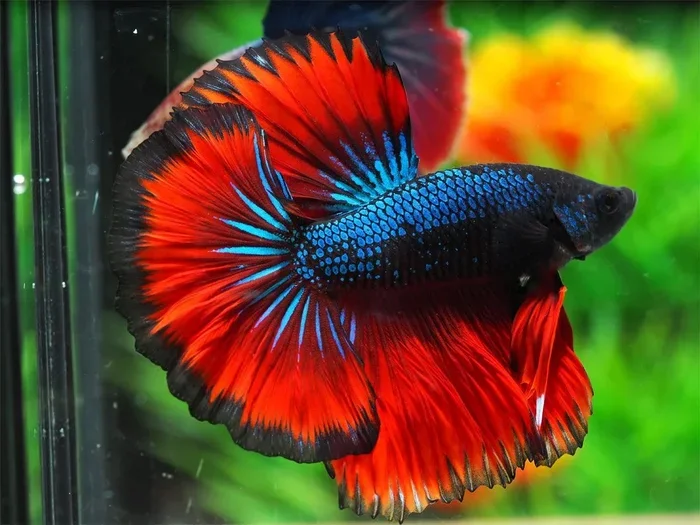
The halfmoon betta is a type of Siamese fighting fish known for its spectacular tail. When the tail is fully spread, it forms a perfect 180-degree arc, resembling a half moon. This unique shape is what gives the halfmoon its name and its stunning visual appeal.
Halfmoon bettas come in a wide range of colors and patterns. You will find them in solid shades like blue, red, and green, as well as complex combinations like marble, butterfly, and copper. Each fish has its own personality, and many owners say their bettas recognize them over time.
In the wild, bettas live in warm, shallow waters in Southeast Asia, including rice paddies and slow-moving streams. Understanding their natural environment helps you recreate conditions that will keep them happy and healthy in a home aquarium.
Setting Up the Perfect Tank for Your Halfmoon Betta
A common mistake many new fish owners make is keeping their betta in too small a container. While bettas can survive in tiny bowls, they truly thrive in a properly sized tank. If you want the best results, you need to invest in the right setup from day one.
For a single halfmoon betta, a 5-gallon tank is the minimum recommended size. A 10-gallon tank is even better, as it gives your fish more room to explore and swim around. Larger tanks are also easier to maintain because water parameters stay more stable.
Essential Tank Equipment
Here is a simple list of what you need to set up a proper home for your halfmoon betta:
- Tank: At least 5 gallons, with a lid or hood to prevent jumping.
- Filter: A gentle sponge filter works best. Bettas do not like strong currents.
- Heater: An adjustable aquarium heater to maintain a steady temperature.
- Thermometer: To monitor the water temperature accurately.
- Substrate: Fine gravel or sand that is safe for aquarium use.
- Decorations and Plants: Live or silk plants provide hiding spots and reduce stress.
Setting up your tank before bringing your fish home is important. You want the filter and heater running for at least 24 hours to cycle the water. This process removes harmful toxins and creates a safe environment. If you need step-by-step guidance on this, check out our article on how to set up a fish tank for betta fish.
Water Conditions and Temperature
Water quality is one of the most important factors in betta fish care. Bettas are tropical fish, which means they need warm, clean water to stay healthy. Poor water conditions are the leading cause of illness and stress in aquarium fish.
Ideal Water Parameters
Here are the key water parameters you should monitor for your halfmoon betta:
- Temperature: 76°F to 82°F (24°C to 28°C). A heater is essential to maintain this range.
- pH Level: Between 6.5 and 7.5. Stable pH is more important than hitting a perfect number.
- Ammonia and Nitrite: Both should be at 0 ppm. Any level above zero is dangerous.
- Nitrate: Keep below 20 ppm. Regular water changes help control nitrate levels.
Using a water conditioner every time you add new water is a must. Conditioners remove chlorine and chloramine from tap water, which can harm your fish. Always let tap water sit for 24 hours before adding it, or use a quality conditioner for instant treatment.
If you are wondering about keeping your betta warm without a heater, there are some options. However, a heater is the most reliable method. You can read more about alternative warming methods in our guide on how to warm a betta fish bowl.
Partial Water Changes
Regular water changes are essential for maintaining a healthy tank. For a 5-gallon tank, aim to change about 25 to 30 percent of the water every week. This removes waste buildup and keeps the environment fresh without disrupting the beneficial bacteria in your filter.
Use a gravel vacuum during water changes to clean debris from the substrate. This simple habit goes a long way in preventing ammonia spikes and keeping your betta comfortable.
Feeding Your Halfmoon Betta Fish
Feeding your halfmoon betta the right diet is one of the most enjoyable parts of fish ownership. Bettas are carnivores by nature, which means they need protein-rich food to stay healthy and maintain their vibrant colors.
A high-quality betta pellet should form the foundation of your fish’s diet. Look for pellets that list fish meal or whole fish as the first ingredient. Avoid pellets filled with fillers like corn or wheat, as these offer little nutritional value.
Best Foods for Halfmoon Bettas
Here are some excellent food options to include in your betta’s diet:
- Betta Pellets: The staple food. Feed 2 to 3 pellets twice a day.
- Frozen Bloodworms: A tasty treat that encourages natural hunting behavior.
- Brine Shrimp: Great for boosting energy and color.
- Daphnia: A natural laxative that helps with digestion.
- Freeze-dried Tubifex Worms: An occasional treat, but not a daily staple.
One important thing to remember is not to overfeed your betta. Bettas have small stomachs, and excess food can pollute the water and cause health problems. A good rule of thumb is to feed only what your fish can eat within two minutes.
Skipping one feeding day per week can also benefit your betta. It gives their digestive system a break and helps prevent constipation. Many experienced fish keepers recommend this simple practice for long-term health.
Common Health Issues and How to Prevent Them
Even with the best care, bettas can sometimes fall ill. Knowing the signs of common problems and how to address them early can make all the difference. Prevention is always easier than treatment, so let us look at what to watch for.
Fin Rot
Fin rot is one of the most common issues bettas face. It shows up as frayed, discolored, or melting fins. Poor water quality is usually the culprit. To treat mild fin rot, perform a water change and add aquarium salt to the tank. For more severe cases, a medicated treatment may be needed.
Ich (White Spot Disease)
Ich is a parasitic infection that appears as tiny white spots on the fish’s body and fins. It spreads quickly and can be deadly if left untreated. Raising the water temperature slightly to 82°F and using a commercial ich treatment can help eliminate the parasite. You can find detailed treatment steps in our article on how to treat ich on a betta fish.
Stress and Behavioral Issues
Stressed bettas often show signs like clamped fins, loss of color, and lethargy. Common causes of stress include poor water quality, aggressive tank mates, and lack of enrichment. Keeping the tank environment stable and providing hiding spots helps reduce stress significantly.
Prevention Tips
- Test your water parameters regularly with a liquid test kit.
- Never add untreated tap water directly to the tank.
- Quarantine new fish or plants before adding them to your main tank.
- Keep the tank in a quiet area away from direct sunlight and drafts.
- Observe your betta daily for any changes in behavior or appearance.
Taking these simple precautions will greatly reduce the risk of disease and keep your halfmoon betta feeling its best.
Tips for Keeping Your Halfmoon Betta Happy and Healthy
Beyond the basics of tank setup, feeding, and disease prevention, there are some extra steps you can take to really improve your betta’s quality of life. These tips come from experienced fish keepers who have spent years perfecting their betta care routines.
Add Live Plants
Live plants do wonders for a betta tank. They absorb nitrates, produce oxygen, and create a more natural environment. Bettas love to rest on broad-leaved plants like anubias or java fern. Some great low-light options include java moss and amazon sword plants.
Provide Mental Stimulation
Bettas are curious creatures that benefit from enrichment. You can add gentle background bubbles, rearrange decorations occasionally, or even place a mirror near the tank for short periods (no more than a few minutes) to stimulate natural behaviors.
Handle With Care
If you ever need to move your betta, use a soft net and handle them gently. Avoid chasing your fish around the tank, as this causes unnecessary stress. When cleaning the tank, work slowly and calmly to keep your betta relaxed.
Learn Your Fish’s Personality
Every halfmoon betta has a unique personality. Some are bold and swim to the front of the tank when they see you. Others are shy and prefer to hide. Spending time observing your fish helps you understand their individual needs and preferences. Over time, you will notice patterns in their behavior that tell you when something is off or when they are feeling great.
Know When to Seek Help
If your betta shows signs of persistent illness despite your best efforts, it is wise to consult a veterinarian who specializes in fish or reach out to experienced aquarist communities online. Early intervention can save your fish’s life, especially for conditions like bacterial infections or internal parasites.
Taking care of a halfmoon betta fish is a rewarding experience that brings a lot of joy. These fish are more than just pretty faces — they are interactive, curious, and full of personality. By following the steps outlined in this guide, you are giving your betta the best possible chance at a long, healthy, and vibrant life.
Remember that every betta is different, and it may take some trial and error to find what works best for your specific fish. Stay patient, keep learning, and enjoy the journey. Your halfmoon betta will thank you with dazzling colors and lively behavior for years to come.
If you are new to betta keeping or want to refresh your knowledge, our comprehensive guide on how to take care of a betta fish covers the fundamentals in even more detail. And for those wondering about the broader question of whether bettas are easy or hard to care for, check out our article on are betta fishes easy to take care of.
The key to success with any betta is consistency. Keep the water clean, the temperature stable, and the diet balanced. Your halfmoon betta will reward you with beauty and companionship that few other pets can match.
Frequently Asked Questions
How long do halfmoon betta fish live?
With proper care, a halfmoon betta fish can live between 3 and 5 years. Some well-cared-for bettas have even been known to reach 6 years. The key factors that influence lifespan include water quality, diet, and tank size.
Can halfmoon betta fish live in a bowl?
While bettas can survive in a bowl, it is not ideal. A bowl is usually too small to maintain stable water conditions. A 5-gallon tank or larger provides a much healthier and happier environment for your halfmoon betta.
Do halfmoon betta fish need a heater?
Yes, halfmoon bettas need a heater. They are tropical fish that require water temperatures between 76°F and 82°F. Room temperature water is usually too cold and can lead to stress and illness over time.
Can halfmoon bettas live with other fish?
Halfmoon bettas can sometimes live with peaceful, non-fin-nipping tank mates in a large enough tank. However, male bettas should never be housed with other male bettas. Always research compatibility carefully before adding any tank mates.
Why is my halfmoon betta losing color?
Color loss in bettas can be caused by stress, poor water quality, inadequate diet, or old age. Check your water parameters first, then evaluate the fish’s diet and overall environment. Addressing the root cause usually restores color over time.
How often should I feed my halfmoon betta fish?
Feed your halfmoon betta 2 to 3 pellets twice a day. It is also a good idea to skip one feeding day per week to support digestion. Avoid overfeeding, as uneaten food can quickly pollute the water.