A pregnant betta fish shows distinct physical changes and needs special care to ensure a healthy brood. Understanding the signs, providing the right environment, and feeding properly will boost your chances of successful fry survival.
Key Takeaways
- Identify pregnancy early: Look for a fuller abdomen, darker coloration, and a developing belly spot.
- Tank conditions matter: Keep water temperature between 78‑80°F and maintain a low‑flow environment.
- Nutrition is crucial: Offer high‑protein foods like brine shrimp and specialized fry starters.
- Bubble nest importance: A strong bubble nest protects eggs; remove any disturbances.
- Separate males after spawning: Prevent the male from eating fry by moving him to a quarantine tank.
- Monitor fry health: Feed tiny amounts frequently and keep water pristine.
- Plan for the future: Grow fry in a separate tank and gradually introduce compatible tank mates.
📑 Table of Contents
- Introduction: Why a Pregnant Betta Fish Deserves Your Attention
- 1. Recognizing a Pregnant Betta Fish
- 2. Setting Up the Perfect Tank for a Pregnant Betta
- 3. Nutrition: Feeding a Pregnant Betta Fish
- 4. The Spawning Process
- 5. Raising the Fry
- 6. Common Problems and How to Fix Them
- Conclusion: Celebrate the Journey of a Pregnant Betta Fish
Introduction: Why a Pregnant Betta Fish Deserves Your Attention
If you’ve ever watched a male betta flare his fins and build a bubble nest, you know these fish are full of personality. But what happens when a female betta is carrying eggs? A pregnant betta fish enters a delicate phase that requires a bit more knowledge and care than a typical adult. Understanding the signs, providing the right environment, and feeding properly can turn a nervous waiting period into a rewarding breeding experience.
In this guide we’ll walk you through every step—recognizing pregnancy, preparing the tank, feeding strategies, spawning, and raising the tiny fry. You’ll also get practical tips you can start using today, plus answers to common questions that keep new breeders from making simple mistakes.
1. Recognizing a Pregnant Betta Fish
Physical signs you can’t miss
A female betta that is ready to lay eggs will show a few clear changes:
Visual guide about A Pregnant Betta Fish
Image source: koibettafish.com
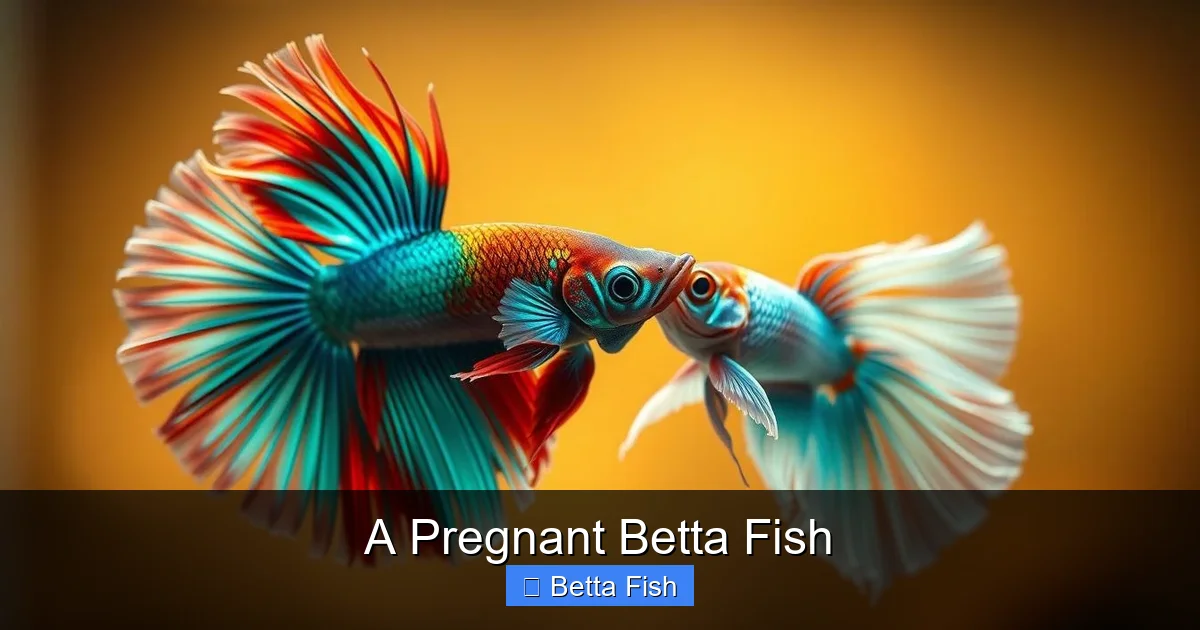
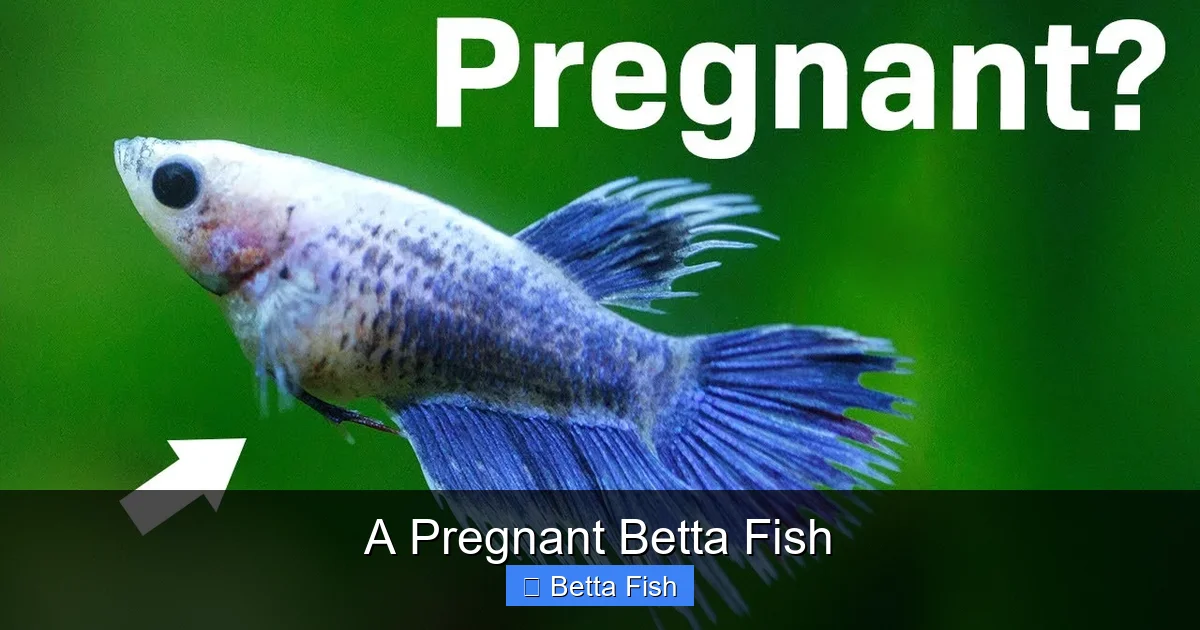
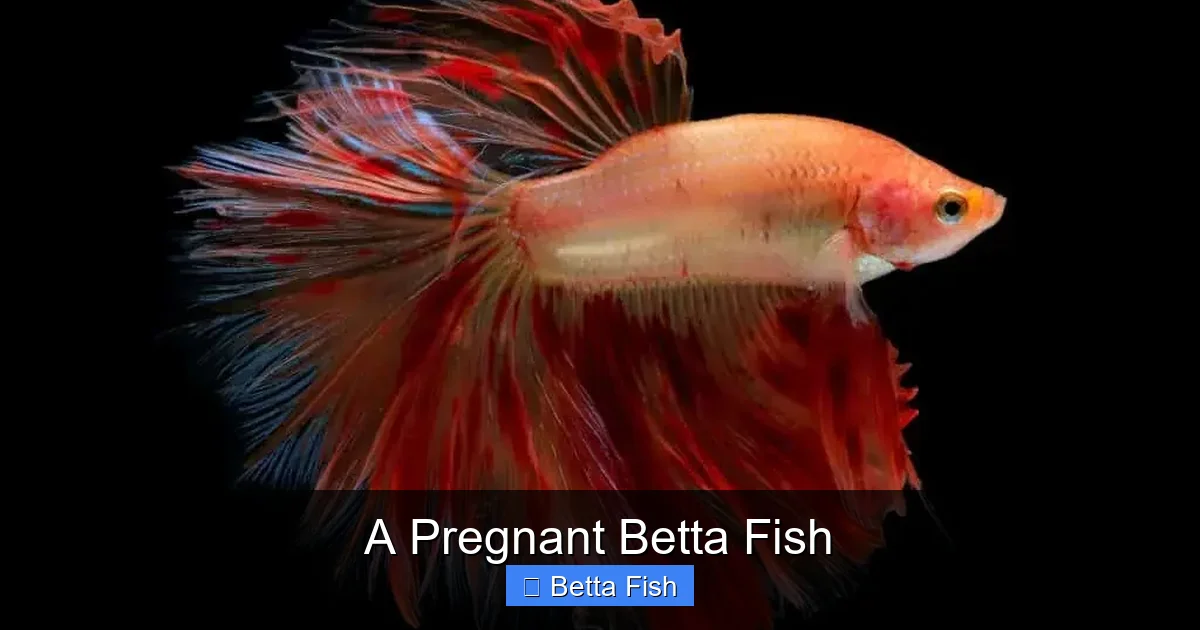
- Swollen belly: The abdomen becomes rounded and feels slightly firm.
- White spot (ovarian tissue): A small, pale oval appears near the vent, indicating mature eggs.
- Darker coloration: Many females deepen in hue, especially on the fins, as hormones rise.
- Increased activity: She may explore more, searching for a suitable spot to build a nest.
These signs usually appear 2‑3 weeks after a male has fertilized the eggs, but timing can vary. If you’re unsure, compare her to a non‑pregnant female or consult a guide on how to tell the gender of a betta fish.
Behavioral clues
Aside from looks, a pregnant betta fish often becomes more reclusive, hiding among plants or decorations. She may also start “spawning” behavior—flaring her fins and gently moving water to find a place for a bubble nest, even though only males build them.
2. Setting Up the Perfect Tank for a Pregnant Betta
Tank size and shape
While a single betta can live in a small bowl, a pregnant betta needs extra space. Aim for at least a 5‑gallon tank with a gentle flow filter. This gives the female room to move and the male (if present) space to build a strong bubble nest.
Visual guide about A Pregnant Betta Fish
Image source: i.ytimg.com
Water parameters
Maintain a stable temperature of 78‑80°F (25‑27°C). Consistency is key; sudden drops can stress a pregnant betta fish and cause the eggs to abort. Use a reliable heater and a thermometer.
Keep the pH between 6.5 and 7.5, and ensure the water is soft to moderately hard. A weekly 25‑30% water change helps keep nitrogen levels low, which is vital for egg health.
Lighting and décor
Provide a gentle day/night cycle with a 10‑hour light period. Too much light can stress a pregnant betta fish, while darkness can discourage a male from building a nest. Add live or silk plants for hiding spots and a flat surface (like a piece of smooth slate) for the male to attach his bubble nest.
Filtration and flow
Choose a sponge filter or a low‑flow hang‑on‑back unit. Strong currents can disrupt the bubble nest and make the female uncomfortable. If you need extra aeration, a gentle air stone placed away from the nest works well.
3. Nutrition: Feeding a Pregnant Betta Fish
High‑protein diet
Egg development demands protein. Offer a variety of foods three times daily:
Visual guide about A Pregnant Betta Fish
Image source: bettasource.com
- Live or frozen brine shrimp (rich in protein and easy to digest).
- Bloodworms or daphnia for occasional treats.
- High‑quality betta pellets formulated with added vitamins.
Rotate foods to prevent boredom and ensure a balanced intake. Avoid over‑feeding; a pregnant betta fish should eat just enough to stay active without becoming bloated.
Supplements for egg health
Adding a pinch of calcium powder or a commercial fry starter supplement can strengthen the eggshells. Mix the supplement into a small amount of brine shrimp and feed it once a day during the final week before spawning.
4. The Spawning Process
Male preparation and bubble nest building
If you have a male betta fish, introduce him to the pregnant female’s tank only when you see the white spot and a swollen belly. The male will immediately start building a bubble nest at the water surface. A strong nest looks like a fluffy, white cloud of bubbles anchored to a surface.
Watch for this behavior: the male flares, flutters his fins, and releases bubbles. If the nest looks weak, gently lower the water level by an inch to give him a calmer surface to work on.
Spawning act
When the female is ready, the male will nudge her under the nest and stimulate her to release eggs. She will then deposit the eggs one by one, and the male will immediately pick them up in his mouth and place them in the nest. This process can last 30‑60 minutes, during which you may see the water cloud with tiny white specks.
Post‑spawning care
After the eggs are in the nest, remove the female to a separate quarantine tank. This prevents her from eating the eggs and reduces stress for both fish.
Leave the male with the nest for 2‑3 days. He will tend the eggs, keeping them clean and aerated. If the male shows signs of neglect or aggression, be prepared to move the eggs to a hatchery tank.
5. Raising the Fry
Hatching timeline
Betta eggs typically hatch within 24‑36 hours at 78‑80°F. The fry remain attached to the nest for another 2‑3 days, feeding on the yolk sac.
Once free‑swimming, they need microscopic food. Infusoria cultures are ideal for the first few days, followed by newly hatched brine shrimp.
Fry tank setup
Use a separate 2‑gallon tank with a gentle sponge filter and a heater set to 80°F. Add a fine mesh lid to prevent the tiny fry from escaping.
Water changes should be small (10‑15%) but frequent to keep ammonia at zero.
Feeding schedule for fry
Feed 4‑6 times daily, offering a few drops of infusoria or a pinch of finely crushed fry starter. As the fry grow (about 5 days old), introduce baby brine shrimp twice daily.
Weaning and growing out
After two weeks, you can start offering high‑quality betta pellets softened with water. Gradually increase pellet size as the fry develop full fins.
6. Common Problems and How to Fix Them
Eggs not hatching
Possible causes: low temperature, poor water quality, or fungal infection. Raise the temperature slightly (to 81°F) and add a few drops of antifungal medication if you see white growth.
Male eats the eggs
If the male seems aggressive, remove him after 24 hours and transfer the nest to a separate hatchery tank. Use a soft brush to gently lift the bubble nest onto a piece of mesh.
Fry not thriving
Check water parameters; high ammonia will kill fry quickly. Ensure you’re feeding appropriate amounts—over‑feeding can foul the water, under‑feeding stalls growth.
Female shows no signs of pregnancy
Sometimes a female may not become pregnant after a single mating. Give her a rest period of at least a week, then try again with a healthy male.
Conclusion: Celebrate the Journey of a Pregnant Betta Fish
Raising a pregnant betta fish can feel like a delicate dance, but with the right knowledge it becomes a rewarding adventure. By spotting the early signs, setting up a stable tank, feeding a protein‑rich diet, and caring for the eggs and fry, you give your betta the best chance to produce healthy offspring. Remember to keep water conditions pristine, watch the male’s behavior, and be patient with the tiny fry as they grow.
Whether you’re a seasoned breeder or a curious hobbyist, each successful spawning adds to the joy of keeping these vibrant fish. So set up that tank, watch the bubble nest form, and enjoy the miracle of life beneath the water’s surface.
Frequently Asked Questions
How can I tell if my betta fish is pregnant?
Look for a swollen abdomen, a white spot near the vent, darker coloration, and increased activity. These signs usually appear 2‑3 weeks after fertilization.
Do I need a separate tank for a pregnant betta fish?
While a single pregnant female can stay in her regular tank, a separate quarantine tank is recommended after spawning to protect the eggs and prevent the female from eating them.
What temperature should the water be for a pregnant betta fish?
Maintain the water between 78‑80°F (25‑27°C). Stable temperature supports egg development and encourages the male to build a strong bubble nest.
How often should I feed a pregnant betta fish?
Feed three times daily with high‑protein foods such as brine shrimp, bloodworms, and quality betta pellets. Add a calcium supplement during the final week before spawning.
Can I keep other fish with a pregnant betta fish?
It’s best to keep the female alone until after spawning. Once the fry are free‑swimming, you can introduce peaceful, small species like neon tetras in a well‑filtered, larger tank.
What should I do if the male betta eats the eggs?
Remove the male after 24‑48 hours and transfer the bubble nest to a hatchery tank. A gentle scoop with a soft net works well, and the fry will continue developing safely.