Can Betta Fish Eat Celery

Betta fish can nibble on small pieces of raw celery, but it should only be an occasional treat. Celery offers fiber and vitamins, yet it lacks the protein bettas need, so it must be offered sparingly and prepared correctly.
Key Takeaways
- Celery is safe in tiny, blanched pieces: Betta fish can eat it, but only in very small, soft portions.
- Protein remains essential: Celery cannot replace a betta’s primary diet of high‑protein foods.
- Watch for choking hazards: Cut celery into bite‑size strips to avoid blockages.
- Introduce gradually: Start with one tiny piece and monitor your fish for any digestive upset.
- Balance with variety: Pair celery with live or frozen foods like daphnia or bloodworms for a complete diet.
- Seasonal treat, not staple: Offer celery no more than once a week.
- Proper preparation matters: Rinse, peel, and lightly blanch to make it digestible.
📑 Table of Contents
- Introduction: Why the Question Comes Up
- 1. Understanding a Betta’s Natural Diet
- 2. Nutritional Profile of Celery
- 3. Preparing Celery for Your Betta
- 4. Feeding Celery Alongside a Balanced Diet
- 5. Observing Your Betta’s Reaction
- 6. Frequently Made Mistakes & How to Avoid Them
- Conclusion: The Bottom Line on Celery for Betta Fish
Introduction: Why the Question Comes Up
Betta owners love to experiment with “human‑grade” foods. You might have seen a friend toss a piece of lettuce or a carrot into a tank and wonder, can betta fish eat celery? The answer isn’t a simple yes or no. It depends on preparation, portion size, and the overall diet of your fish.
In this article we’ll explore the nutritional profile of celery, how bettas digest plant matter, and step‑by‑step instructions for feeding this crunchy veggie safely. By the end, you’ll know exactly when and how to offer celery without risking your betta’s health.
1. Understanding a Betta’s Natural Diet
What Betta Fish Eat in the Wild
Betta splendens originate from the shallow, slow‑moving waters of Thailand and Malaysia. In their native habitat they feast on:

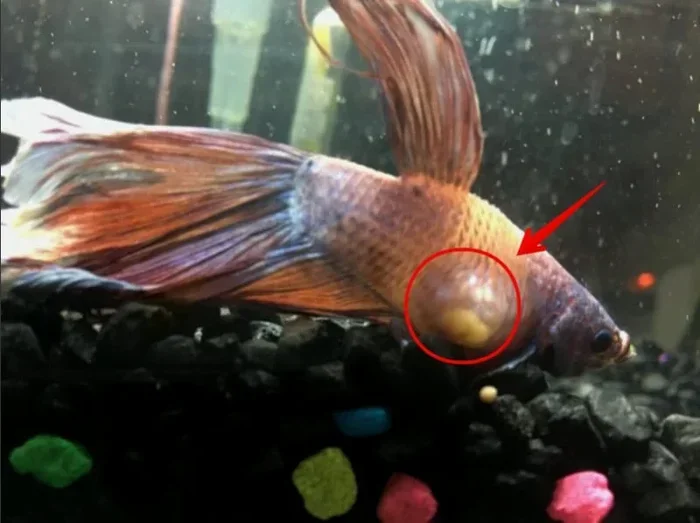
Visual guide about Can Betta Fish Eat Celery
Image source: i.pinimg.com
- Insect larvae (mosquito, midge)
- Small crustaceans (brine shrimp, water fleas)
- Worms and tiny fish
These foods are rich in protein and fats, which fuel the betta’s vibrant colors and aggressive courtship displays.
Why Plant Matter Is Not a Primary Food Source
While bettas will occasionally nibble on soft plant material, their digestive enzymes are geared toward animal protein. Plant fibers pass through quickly and provide little energy. That’s why a diet heavy on veggies can lead to malnutrition, loss of color, and slower growth.
Link to Comprehensive Diet Guide
For a full rundown of safe betta foods, see our article on what can betta fish eat. It covers everything from live feeds to commercial pellets.
2. Nutritional Profile of Celery
What’s Inside a Stalk?
Celery is low in calories but packed with:
Visual guide about Can Betta Fish Eat Celery
Image source: i.pinimg.com
- Water (about 95%) – helps keep fish hydrated.
- Fiber – aids digestion in mammals, but offers limited benefit to fish.
- Vitamins A, C, K – antioxidant and immune‑supporting.
- Minerals like potassium and folate.
However, celery contains almost no protein or fat, the two nutrients bettas need most.
Potential Benefits for Betta Fish
When offered in tiny amounts, celery can:
- Provide a mental enrichment stimulus (new texture to explore).
- Add a splash of natural vitamin C, which can support immune health.
- Increase water movement when the piece wiggles, encouraging mild exercise.
Possible Drawbacks
Because celery is high in fiber and low in protein, overfeeding can:
- Cause digestive upset, bloating, or constipation.
- Reduce appetite for essential protein sources.
- Leave a residue that clouds the water if not removed promptly.
3. Preparing Celery for Your Betta
Step‑by‑Step Preparation
- Rinse thoroughly: Remove any pesticides or dirt.
- Peel the outer layer: Betta mouths are tiny; the skin can be tough.
- Boil or blanch briefly (30‑45 seconds): This softens the fiber, making it easier to chew.
- Cool completely: Hot food can shock the fish.
- Cut into bite‑size strips: Aim for pieces about 0.5 cm long and 0.2 cm wide.
How Much Is Too Much?
One or two strips per feeding session is sufficient. Offer it once or twice a week at most. If your betta seems uninterested, don’t force the treat – some fish simply prefer animal prey.

Visual guide about Can Betta Fish Eat Celery
Image source: media.sketchfab.com
Safety Checklist
- No added salt or seasoning.
- Ensure the piece is soft enough to bend under gentle pressure.
- Remove any uneaten celery after 5‑10 minutes to keep water quality high.
4. Feeding Celery Alongside a Balanced Diet
Combining with Protein‑Rich Foods
Pair celery with live or frozen options such as:
- Daphnia
- Bloodworms
- Brine shrimp
These foods supply the protein bettas crave while the celery adds variety.
Sample Weekly Feeding Schedule
| Day | Food |
|---|---|
| Monday | High‑quality betta pellet (2‑3 pellets) |
| Tuesday | Frozen bloodworms (1‑2 pieces) |
| Wednesday | Celery strip (optional treat) |
| Thursday | Live daphnia (2‑3 individuals) |
| Friday | Pellet mix |
| Saturday | Celery strip (if desired) |
| Sunday | Fast – no feeding (helps clear the gut) |
Adjust portions based on the size and activity level of your betta.
Related Feeding Question
If you’re curious about other protein sources, read our guide on can betta fish eat shrimp for a tasty alternative.
5. Observing Your Betta’s Reaction
Signs of Acceptance
When a betta likes a new food, you’ll see it:
- Approach the surface quickly.
- Snatch the piece with its mouth.
- Show a brief burst of activity.
Warning Signals
If you notice any of these, remove the celery immediately:
- Gasping or gulping air at the surface.
- Lethargy or loss of normal swimming patterns.
- Bloated abdomen or visible constipation.
When to Seek Help
Persistent issues such as prolonged loss of appetite, discoloration, or abnormal swimming may indicate a deeper health problem. Consult a veterinarian experienced with ornamental fish.
6. Frequently Made Mistakes & How to Avoid Them
Common Errors
- Giving raw, unblanched celery: Too tough, can cause choking.
- Feeding large chunks: Betta mouths can’t handle big pieces.
- Offering daily: Overuse leads to nutrient imbalance.
- Leaving leftovers: Decaying plant matter pollutes the tank.
Quick Fixes
Keep a small kitchen knife and a pot on hand for quick blanching. Set a timer for 30 seconds, then immediately transfer the celery to cold water to stop cooking.
Conclusion: The Bottom Line on Celery for Betta Fish
So, can betta fish eat celery? Yes, but only as an occasional, properly prepared treat. Celery provides some vitamins and mental stimulation but lacks the protein bettas need for vibrant health. By following the preparation steps, offering tiny portions, and balancing the diet with protein‑rich foods, you can safely add a bit of green to your betta’s menu.
Remember, the core of a happy betta is a high‑quality protein diet, clean water, and a stress‑free environment. Use celery sparingly, watch your fish’s response, and enjoy the occasional curiosity‑sparked feeding session.
Frequently Asked Questions
Can betta fish eat raw celery?
Raw celery is too tough for a betta’s small mouth and can cause choking. It should be peeled, blanched, and cut into tiny strips before offering.
How often should I feed celery to my betta?
Limit celery to once or twice a week and only a single strip each time. Treats should never replace the primary protein‑rich diet.
Will celery replace the need for betta pellets?
No. Celery lacks protein and essential fats. Pellets or live foods remain the foundation of a healthy betta diet.
Can I feed other vegetables besides celery?
Yes, bettas can try soft, blanched vegetables like zucchini or cucumber, but the same rules about size and frequency apply.
What should I do if my betta shows signs of digestive upset after eating celery?
Remove any remaining celery, fast the fish for 24 hours, then resume feeding a small amount of high‑protein food. If symptoms persist, seek veterinary advice.
Is it safe to feed celery to a betta that lives with other fish?
Yes, as long as the celery is prepared in small pieces and removed promptly, it won’t harm tank mates. Just be mindful that other species may also try to eat it.