How to Take Care of a Baby Betta Fish
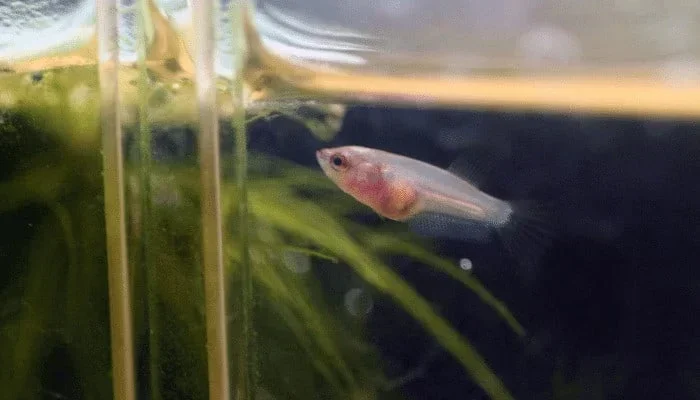
Taking care of a baby betta fish requires the right tank setup, warm water, and tiny frequent meals. Baby bettas, also called betta fry, are delicate and need special attention to grow strong. This guide covers everything you need to know, from feeding schedules to disease prevention, so your little fish thrives.
Key Takeaways
- Tiny Tank Matters: Baby betta fish need a small, filtered, and heated tank to stay healthy and grow properly.
- Frequent Feeding: Feed baby bettas small amounts 3 to 5 times a day with appropriate fry food.
- Water Quality Is Critical: Regular water changes and stable parameters prevent illness in young bettas.
- Watch for Diseases: Early detection of common issues like ich and fungal infections saves lives.
- Separate the Fry: Keep baby bettas away from adult fish to prevent injury and stress.
- Patience Pays Off: With consistent care, your baby betta will grow into a vibrant adult fish over several months.
📑 Table of Contents
- How to Take Care of a Baby Betta Fish
- Setting Up the Perfect Tank for a Baby Betta Fish
- Feeding Your Baby Betta Fish
- Water Quality and Maintenance
- Common Health Issues in Baby Betta Fish
- Raising Baby Betta Fish: Growth Stages and Timeline
- Common Mistakes to Avoid
- Expert Tips for Raising Baby Betta Fish
- Conclusion
How to Take Care of a Baby Betta Fish
Bringing home a baby betta fish is exciting. These tiny, colorful creatures are full of personality even at a very young age. But they also need special care that differs from adult bettas. If you are new to raising betta fry, this guide will walk you through every step.
Baby bettas, often called betta fry, are fragile. Their immune systems are still developing. Water conditions must be near perfect. And their food must be small enough to eat. But do not worry. With the right setup and a little patience, you can raise a healthy baby betta fish. Let us dive in.
Setting Up the Perfect Tank for a Baby Betta Fish
Before you bring your baby betta home, you need the right tank. A proper setup makes a huge difference. It keeps your fish safe and reduces stress. Here is what you need to know.
Tank Size for Baby Bettas
A small tank works best for baby bettas. A 5-gallon tank is ideal. It is large enough to maintain stable water conditions. But it is small enough that your baby fish can find food easily. Avoid tanks larger than 10 gallons for very young fry. The water currents in big tanks can tire out tiny fish.
Make sure the tank has a lid. Baby bettas are jumpers. They can leap out of open tanks. A tight-fitting lid or mesh cover keeps them safe.
Filtration and Heating
Use a gentle sponge filter. Strong filters can suck up baby bettas. A sponge filter provides biological filtration without creating harsh currents. It also keeps the water clean without harming your fry.
Heat is essential. Baby bettas need water between 78 and 80 degrees Fahrenheit. Use a small aquarium heater with a thermostat. Stable temperature helps your baby betta fish stay active and eat well.
Decorations and Hiding Spots
Add soft plants and hiding spots. Java moss and silk plants work great. They give your baby fish places to hide and rest. Avoid sharp decorations. Tiny fins can tear easily on rough surfaces.
Setting up a fish tank for betta fish correctly from the start saves you time and stress later.
Feeding Your Baby Betta Fish
Feeding is one of the most important parts of baby betta fish care. Young bettas have tiny stomachs. They need small, frequent meals throughout the day. Here is how to get feeding right.
What to Feed Baby Bettas
Baby bettas need very small food particles. Here are the best options:
- Baby brine shrimp: This is the top food for betta fry. It is packed with protein and easy to eat.
- Microworms: These tiny worms are perfect for newborn bettas. They are easy to culture at home.
- Powdered betta fry food: Commercial fry foods dissolve into small bits. They work well as a staple.
- Infusoria: These microscopic organisms are a natural first food for very young fry.
Feeding Schedule
Feed your baby betta 3 to 5 times a day. Each meal should be tiny. Just a few particles at a time. Overfeeding is a common mistake. Uneaten food fouls the water quickly in small tanks. Remove any leftover food after a few minutes.
Watch your baby fish during feeding. A healthy fry will eagerly swim to the surface or search the plants for food. If your fish seems lethargic, check the water temperature first. Cold water can reduce appetite.
Water Quality and Maintenance
Clean water is the foundation of healthy baby betta fish care. Young fish are more sensitive to toxins than adults. Even small amounts of ammonia can harm them. Here is how to keep the water pristine.
Testing Water Parameters
Test your water regularly. The key parameters are:
- Ammonia: 0 ppm (parts per million)
- Nitrite: 0 ppm
- Nitrate: Below 20 ppm
- pH: Between 6.5 and 7.5
- Temperature: 78 to 80 degrees Fahrenheit
Use a liquid test kit for accurate readings. Test strips are convenient but less precise. Test the water at least twice a week during the first few weeks.
Water Changes
Perform small water changes frequently. Change 20 to 30 percent of the water every other day. Use water that matches the tank temperature exactly. Sudden temperature drops can shock your baby betta.
Always treat new water with a conditioner. Tap water contains chlorine and chloramine. These chemicals are harmful to young fish. A good conditioner neutralizes them safely.
Prepare Water the Right Way
If you are new to water preparation, learning how to prepare water for a betta fish is a great first step. Dechlorinated, temperature-matched water keeps your fry safe during every water change.
Common Health Issues in Baby Betta Fish
Baby bettas can get sick just like adult fish. The good news is that most problems are preventable. A clean tank and proper feeding go a long way. But it helps to know what to watch for.
Signs of a Healthy Baby Betta
A healthy baby betta fish will have bright colors and active movement. It will swim steadily and eat eagerly. The fins should be intact without tears or clamping. The body should look plump and round.
Common Diseases to Watch For
Here are the most common health issues in betta fry:
- Ich (White Spot Disease): White dots appear on the body and fins. It spreads quickly in poor water. Treating ich early is critical for young fish.
- Fungal Infections: White cotton-like growths on the body. Often caused by poor water quality or open wounds.
- Swim Bladder Disorder: The fish swims crookedly or floats at the top. Overfeeding is a common cause in fry.
- Fin Rot: Frayed or discolored fins. Usually caused by bacterial infection in dirty water.
Prevention Tips
Keep the tank clean. Feed small amounts. Quarantine any new fish before adding them to the fry tank. These simple steps prevent most health problems.
Raising Baby Betta Fish: Growth Stages and Timeline
Watching a baby betta grow is rewarding. Each stage brings new changes. Understanding these stages helps you provide the right care at the right time.
Week 1 to 2: The Newborn Stage
Newborn bettas are extremely tiny. They are about 3 to 4 millimeters long. They will hide among plants and eat infusoria or baby brine shrimp nauplii. Do not disturb the tank much during this stage. Keep the lights dim and the water calm.
Week 3 to 4: The Fry Stage
By week three, your fry will be about half an inch long. They will start swimming more actively. You can begin feeding microworms and finely crushed flakes. Water changes become even more important as the fish produce more waste.
Month 2 to 3: The Juvenile Stage
Your baby betta will start showing color. The fins will grow longer. You can now feed slightly larger food like small pellets. This is also when you can start thinking about moving them to a slightly bigger tank.
Month 4 and Beyond: Growing Into Adults
By four months, your betta is essentially a young adult. Males will start developing long fins and bright colors. Females will have shorter fins and more muted colors. Continue providing excellent care, and your fish will thrive.
If you want to learn more about raising betta fry, this article on whether baby betta fish are hard to care for offers great insights.
Common Mistakes to Avoid
Even experienced fish keepers make mistakes with baby bettas. Here are the most common errors to avoid.
- Overfeeding: This is the number one killer of betta fry. Excess food rots in the water and spikes ammonia levels. Feed small amounts and remove leftovers.
- Skipping Water Changes: Baby bettas produce waste in a small tank. Skipping changes leads to toxic buildup. Stay consistent with your water change schedule.
- Using Too Strong a Filter: A powerful filter creates currents that exhaust tiny fry. Always use a sponge filter with gentle flow.
- Keeping Fry with Adults: Adult bettas will eat baby bettas. Always separate fry from adults immediately after breeding or purchase.
- Ignoring Temperature Stability: Temperature swings stress young fish. Use a reliable heater and monitor the temperature daily.
- Using Untreated Tap Water: Chlorine and chloramine in tap water can kill baby fish. Always condition water before adding it to the tank.
Expert Tips for Raising Baby Betta Fish
Here are some bonus tips from experienced betta keepers. These small habits make a big difference.
First, keep a journal. Write down feeding times, water changes, and any observations. Tracking helps you spot patterns and catch problems early. Second, dim the lights for the first two weeks. Baby bettas feel safer in low-light environments. Third, do not rush to upgrade the tank. Let your fish grow comfortably in the small setup before moving them to a larger one.
Also, consider growing a culture of microworms or brine shrimp at home. This gives you a steady supply of live food. Live food promotes faster growth and better color in baby bettas.
If your baby betta fish seems stressed, check the water temperature first. Then look at feeding habits. Stress in young fish usually comes from water problems or hunger. Fix those two things and you will see improvement quickly.
Conclusion
Taking care of a baby betta fish is a rewarding experience. It requires attention to detail and consistency. But the joy of watching a tiny fry grow into a beautiful adult betta is unmatched. Start with the right tank setup, feed small and often, and keep the water clean. Avoid common mistakes and watch for early signs of illness.
Remember that every baby betta is different. Some grow fast. Others take their time. The key is to provide a stable, clean, and stress-free environment. With the tips in this guide, you are well on your way to raising a happy and healthy betta fish.
Frequently Asked Questions
How often should I feed a baby betta fish?
Feed your baby betta 3 to 5 times a day. Each meal should be very small. Just a few particles of food at a time. Frequent small meals match their tiny stomachs and support steady growth.
What is the best food for baby betta fish?
Baby brine shrimp and microworms are the best foods for betta fry. You can also use powdered fry food specifically designed for small fish. These options are easy to digest and packed with nutrients.
Can baby betta fish live in a bowl?
It is not recommended. Bowls lack proper filtration and heating. Baby bettas need stable water conditions to thrive. A small filtered and heated tank is much better for their health and growth.
When do baby betta fish start showing color?
Baby bettas usually start showing color around 2 to 3 months of age. Males tend to develop brighter colors and longer fins first. Females may show color a bit later but will still be vibrant.
How do I know if my baby betta fish is sick?
Look for signs like white spots, clamped fins, lethargy, or loss of appetite. Also watch for abnormal swimming behavior. If you notice any of these signs, test the water and make a water change right away.
Do baby betta fish need a heater?
Yes, baby bettas need a heater. They thrive in water between 78 and 80 degrees Fahrenheit. A small aquarium heater with a thermostat keeps the temperature stable. This is especially important for young fry who are sensitive to temperature changes.