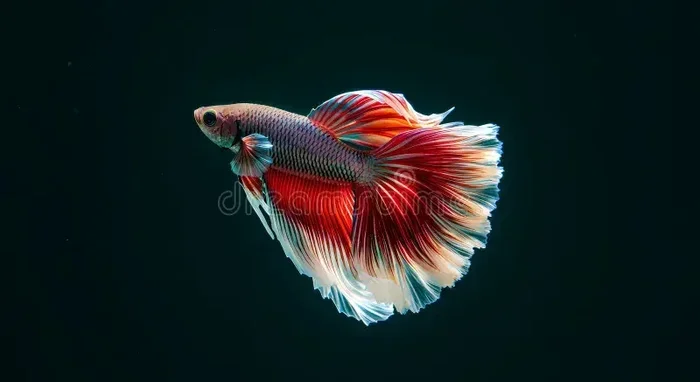
Can I Put a Lamp Over My Betta Fish Bowl
Yes, you can put a lamp over your betta fish bowl, but it must be the right type of lamp and used carefully. Standard household lamps can overheat the water and stress your betta, while low-heat LED or aquarium-specific lights are safer choices. Proper lighting helps regulate your betta’s day-night cycle, but too much heat or brightness can be harmful.
Key Takeaways
- Use low-heat LED lights: LED lamps produce minimal heat and are the safest option for placing over a betta fish bowl.
- Avoid incandescent bulbs: These generate excessive heat that can dangerously raise water temperature and stress or kill your betta.
- Maintain a natural light cycle: Bettas need 8-12 hours of light per day followed by darkness to mimic their natural environment and stay healthy.
- Monitor water temperature closely: Any lamp near the bowl can affect temperature; always use a thermometer to ensure it stays between 76-82°F.
- Consider aquarium-specific lighting: Purpose-built aquarium lights are designed to provide proper illumination without overheating the water.
- Watch for signs of stress: Clamped fins, lethargy, or loss of color can indicate your betta is uncomfortable with the lighting setup.
- Position the lamp at a safe distance: Keep any light source at least 6-12 inches above the bowl to minimize heat transfer while still providing adequate illumination.
📑 Table of Contents
- Can I Put a Lamp Over My Betta Fish Bowl?
- Why Lighting Matters for Betta Fish
- Types of Lamps You Can Use Over a Betta Bowl
- Lamps You Should Never Use Over a Betta Bowl
- How to Safely Set Up a Lamp Over Your Betta Bowl
- Signs Your Betta Is Stressed by Lighting
- Alternatives to Using a Lamp
- Common Mistakes to Avoid
- Frequently Asked Questions About Betta Fish Lighting
- Final Thoughts on Lighting for Your Betta Fish Bowl
Can I Put a Lamp Over My Betta Fish Bowl?
If you’ve ever looked at your betta fish bowl and thought it needed a little extra light, you’re not alone. Many betta owners wonder whether placing a lamp over their fish’s home is a good idea. The short answer is yes, but there are some important things you need to know first. Not all lamps are created equal, and the wrong choice could seriously harm your betta.
Bettas are beautiful, vibrant fish that deserve the best care we can give them. Lighting plays a bigger role in their health than most people realize. It affects their sleep cycle, their color, their mood, and even their appetite. So before you clamp a desk lamp onto the rim of your betta’s bowl, let’s walk through everything you need to consider to keep your fish happy and healthy.
In this guide, we’ll cover the types of lamps that are safe, the ones you should absolutely avoid, how to set up proper lighting, and what signs to watch for if something isn’t right. Whether you’re a first-time betta owner or you’ve been keeping fish for years, this information will help you make the best decision for your aquatic friend.
Why Lighting Matters for Betta Fish
The Natural Light Cycle Bettas Need
In the wild, betta fish live in shallow rice paddies, ponds, and slow-moving streams across Southeast Asia. These environments have a natural rhythm of light and darkness that bettas have evolved to depend on. During the day, sunlight filters through the water, and at night, it’s dark. This cycle tells your betta when to be active, when to eat, and when to rest.
When you keep a betta in a bowl at home, you become responsible for recreating this natural cycle. Without proper lighting, your betta can become confused, stressed, and even sick. A consistent light schedule helps regulate their internal clock, which affects everything from their immune system to their behavior.
How Light Affects Betta Health and Behavior
Light does more than just help your betta see. It influences their coloration, their energy levels, and their overall well-being. Bettas that receive proper lighting tend to display more vibrant colors. They’re also more active and engaged with their environment.
On the flip side, too much light or the wrong kind of light can cause problems. Excessive brightness can stress your betta, making them hide more and eat less. Constant light with no dark period can disrupt their sleep and weaken their immune system over time. Finding the right balance is key.
Types of Lamps You Can Use Over a Betta Bowl
LED Lamps: The Best Choice
If you’re going to put a lamp over your betta fish bowl, LED lights are your best bet. They produce very little heat, which means they won’t warm up the water in your bowl. This is crucial because bettas are sensitive to temperature changes, and even a few degrees too warm can cause stress or illness.
LED lights also come in a variety of brightness levels and color temperatures. For bettas, you want something that mimics natural daylight. Look for LEDs labeled as “daylight” or with a color temperature around 5000-6500K. These will make your betta’s colors pop without being too harsh.
Another advantage of LEDs is their energy efficiency. They last a long time and won’t run up your electricity bill. Many betta owners use small LED desk lamps or clip-on LED lights positioned above their fish’s bowl. Just make sure the light isn’t too intense and that you can adjust the brightness if needed.
Aquarium-Specific Lights
If you want to go the extra mile, consider investing in a light designed specifically for aquariums. These lights are engineered to provide the right spectrum of light for aquatic life without generating excess heat. Some are even designed to fit on small tanks and bowls.
Aquarium lights often come with built-in timers, which makes it easy to maintain a consistent light schedule. They also tend to have a more natural appearance that complements your betta’s colors beautifully. While they cost more than a basic desk lamp, they’re worth it if you’re serious about giving your betta the best care possible.
Fluorescent Lamps
Compact fluorescent lamps (CFLs) are another option that produces less heat than traditional bulbs. They’re brighter than LEDs in some cases, so you’ll want to be careful about intensity. A small CFL positioned at a reasonable distance above the bowl can work well.
However, fluorescents don’t last as long as LEDs and contain small amounts of mercury, which is something to consider if you’re environmentally conscious. They also take a moment to reach full brightness when you turn them on, which isn’t ideal if you want instant illumination.
Lamps You Should Never Use Over a Betta Bowl
Incandescent Bulbs: A Dangerous Choice
This is the big one. Incandescent bulbs, the old-fashioned kind with a filament inside, produce a lot of heat. Placing one of these over your betta fish bowl is like putting your fish in a slow cooker. The water temperature can rise quickly, and bettas are extremely sensitive to heat.
Water that gets too warm holds less oxygen, which makes it harder for your betta to breathe. It can also accelerate the growth of harmful bacteria and algae. Even if the lamp seems far enough away, the heat can still affect a small bowl of water more than you’d expect. It’s simply not worth the risk.
Halogen Lamps
Halogen bulbs are another type that generates significant heat. They’re brighter than incandescent bulbs and run even hotter. Using a halogen lamp over your betta’s bowl is a recipe for disaster. The concentrated heat can raise the water temperature to dangerous levels in a very short time.
Some people think that using a lower-wattage halogen bulb solves the problem, but even small halogens produce more heat than LEDs or fluorescents. There are much safer options available, so there’s no reason to take this risk with your betta’s health.
Heat Lamps and Reptile Bulbs
This might seem obvious, but it’s worth mentioning. Heat lamps designed for reptiles or plants should never be used over a fish bowl. These are specifically designed to generate warmth, which is the exact opposite of what you want for your betta. Even a few minutes under a heat lamp can cause the water to become dangerously warm.
How to Safely Set Up a Lamp Over Your Betta Bowl
Positioning the Lamp Correctly
Distance matters a lot when placing a lamp over your betta fish bowl. As a general rule, keep the light source at least 6 to 12 inches above the water surface. This distance helps minimize heat transfer while still providing enough light for your betta.
If you’re using a desk lamp, position it so the light shines down at an angle rather than directly overhead. This reduces the intensity and creates a more natural lighting effect. You can also use a lamp with an adjustable arm so you can fine-tune the height and angle as needed.
Make sure the lamp is stable and can’t fall into the water. Electrical equipment and water are a dangerous combination. Secure the lamp on a flat surface and keep cords away from the bowl. If you have other pets or small children, extra caution is necessary.
Setting a Light Schedule
One of the most important things you can do for your betta is establish a consistent light schedule. Bettas thrive with 8 to 12 hours of light per day, followed by 12 to 16 hours of darkness. This mimics the natural day-night cycle they would experience in the wild.
The easiest way to maintain a consistent schedule is to use a simple outlet timer. You can find these at any hardware store for just a few dollars. Set it to turn the lamp on in the morning and off in the evening. This takes the guesswork out of lighting and ensures your betta gets the routine they need.
Avoid placing the bowl in a room where lights are turned on and off randomly throughout the night. Inconsistent lighting can stress your betta and disrupt their sleep patterns. If the room gets dark at night, that’s actually perfect for your fish.
Monitoring Water Temperature
Even with a low-heat LED lamp, it’s important to keep an eye on the water temperature. Small bowls are especially susceptible to temperature changes because there’s less water to absorb and buffer heat. A good aquarium thermometer is an essential tool for any betta owner.
The ideal temperature range for betta fish is between 76 and 82 degrees Fahrenheit. If you notice the temperature creeping above this range after adding a lamp, move the light further away or reduce the number of hours it’s on. You might also consider whether the room itself is warm, as ambient temperature plays a role too.
Check the temperature at different times of day, especially right after the lamp has been on for several hours. This will give you a clear picture of how much the light is affecting the water. If you’re concerned about temperature, you might want to read more about where to place your betta fish tank for optimal conditions.
Signs Your Betta Is Stressed by Lighting
Physical Signs to Watch For
Your betta can’t tell you when something is wrong, but they can show you. If the lighting in their environment is causing problems, you’ll likely notice some physical changes. Clamped fins, where the fins are held close to the body instead of fanning out, are a common sign of stress.
Loss of color is another red flag. Bettas that are stressed or unhealthy often appear dull or faded. If your once-vibrant betta starts looking pale, the lighting could be part of the problem. Lethargy and loss of appetite are also indicators that something in their environment isn’t right.
Behavioral Changes
Pay attention to how your betta behaves when the lamp is on versus when it’s off. If your fish hides more when the light is on, it might be too bright. If they seem agitated or swim erratically, the light could be causing discomfort.
On the other hand, if your betta is active, eating well, and displaying their fins proudly when the lamp is on, you’ve probably found a good setup. Every betta is different, so it’s important to observe your individual fish and adjust accordingly. Learning how to tell if your betta fish is happy can help you gauge whether your lighting setup is working.
Alternatives to Using a Lamp
Natural Room Lighting
In many cases, you might not need a lamp at all. If your betta’s bowl is in a room that gets decent natural light during the day, that might be sufficient. Just make sure the bowl isn’t in direct sunlight, as this can overheat the water and promote algae growth.
Indirect natural light is actually ideal for bettas. It provides a gentle, full-spectrum light that makes their colors look beautiful without the risks associated with artificial lighting. A spot near a window that doesn’t get direct sun rays can be perfect.
LED Strip Lights
LED strip lights are another popular option among betta owners. These flexible strips can be attached to the rim of a tank or placed around the base of a bowl. They provide even, diffused light without generating heat.
Many LED strip lights come with remote controls that let you adjust brightness and even change colors. While colored lights aren’t necessary for your betta’s health, they can create a beautiful display. Just stick with white or daylight-colored strips for everyday use.
Clip-On Aquarium Lights
Small clip-on lights designed for aquariums are a convenient and safe option. They attach directly to the rim of the bowl or tank, providing focused light exactly where you need it. Many of these lights use LEDs, so heat isn’t a concern.
These lights are affordable and widely available at pet stores and online. They’re a great solution if you want something more purpose-built than a desk lamp but don’t want to invest in a full aquarium lighting system.
Common Mistakes to Avoid
Leaving the Light On 24/7
One of the biggest mistakes betta owners make is leaving a light on all the time. Bettas need darkness to rest and recharge. Without a proper dark period, they can become stressed, their immune system can weaken, and their lifespan can be shortened.
Think about it this way: you wouldn’t want to live in a room where the lights never turned off. Neither does your betta. Always make sure your fish gets at least 8 hours of darkness each night. A timer makes this easy to manage.
Using the Wrong Bulb Wattage
Even with LED lights, wattage matters. A bulb that’s too powerful can create excessive brightness that stresses your betta. For a small betta bowl, you generally don’t need anything more than a 5 to 10-watt LED bulb.
Start with a lower wattage and increase only if needed. It’s much easier to add more light than to deal with a stressed betta caused by too much brightness. Remember, bettas come from environments with dappled, filtered light, not harsh direct illumination.
Ignoring the Bowl Size Factor
Small bowls heat up faster than larger tanks. This is a simple matter of physics: less water means less thermal mass to absorb heat. If your betta is in a small bowl, you need to be extra careful about any heat source nearby, including lamps.
This is one of many reasons why larger tanks are generally better for bettas. If you’re keeping your betta in a bowl, you might want to read about whether you can keep betta fish in a small bowl and what the potential risks are. A larger volume of water is more stable and forgiving when it comes to temperature fluctuations.
Frequently Asked Questions About Betta Fish Lighting
Do betta fish need light at all?
Yes, betta fish do benefit from light. Light helps regulate their circadian rhythm, encourages natural behavior, and enhances their coloration. However, they don’t need intense or specialized lighting. Moderate, consistent light that follows a natural day-night cycle is perfectly adequate for a healthy betta.
Can I use a regular desk lamp for my betta?
You can use a regular desk lamp as long as it uses an LED bulb and is positioned at a safe distance from the water. Avoid desk lamps with incandescent or halogen bulbs, as these generate too much heat. Make sure the lamp is stable and cannot fall into the bowl.
How do I know if my betta is getting too much light?
Signs of too much light include hiding, clamped fins, loss of color, and reduced appetite. If your betta seems to avoid the lit area of the bowl or appears stressed when the lamp is on, try reducing the brightness, moving the light further away, or shortening the light period.
Final Thoughts on Lighting for Your Betta Fish Bowl
So, can you put a lamp over your betta fish bowl? Absolutely, as long as you do it right. The key is choosing a low-heat light source like an LED, positioning it at a safe distance, and maintaining a consistent light schedule that gives your betta both light and darkness each day.
Remember that every betta is unique. What works for one fish might not work for another. Pay attention to your betta’s behavior and appearance, and don’t be afraid to adjust your setup as needed. The fact that you’re researching this topic shows you care about giving your betta the best life possible, and that’s what matters most.
With the right lamp, the right schedule, and a little bit of attention, you can create a beautifully lit environment that keeps your betta healthy, happy, and looking their absolute best. Your betta will thank you with vibrant colors, active swimming, and those gorgeous fin displays that make bettas one of the most beloved pet fish in the world.
Frequently Asked Questions
Can a lamp over my betta bowl cause the water to overheat?
Yes, certain types of lamps can cause overheating. Incandescent and halogen bulbs generate significant heat that can raise water temperature to dangerous levels. Always use low-heat LED lights and monitor the water temperature with a thermometer.
How many hours of light does my betta fish need each day?
Bettas need approximately 8 to 12 hours of light per day, followed by 12 to 16 hours of darkness. This mimics their natural environment and helps regulate their sleep cycle and overall health.
Is it okay to put my betta bowl in direct sunlight instead of using a lamp?
Direct sunlight is not recommended for betta bowls. It can cause rapid temperature increases, promote excessive algae growth, and create uncomfortable brightness. Indirect natural light or a low-heat artificial light is a much better option.
What type of light makes betta fish colors look best?
Daylight-spectrum LED lights with a color temperature of 5000-6500K tend to make betta colors appear most vibrant. These lights mimic natural sunlight and bring out the rich blues, reds, and other hues that bettas are known for.
Can I leave a small LED lamp on my betta bowl overnight?
It’s best to turn off the lamp at night. Bettas need a period of darkness to rest properly. Leaving a light on 24/7 can cause stress, disrupt their natural rhythms, and potentially weaken their immune system over time.
Do I need a special aquarium light for my betta bowl?
You don’t necessarily need a specialized aquarium light. A simple LED desk lamp or clip-on LED light works well for most betta bowls. The most important factors are low heat output, appropriate brightness, and a consistent on-off schedule.