Is Tuna Fish Better in Oil or Water
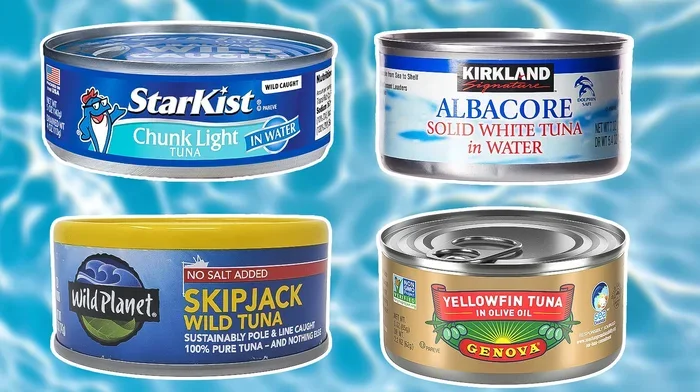
Is tuna fish better in oil or water? The answer depends on your health goals, taste preferences, and how you plan to use it. Tuna packed in water is lower in calories and fat, making it a popular choice for weight management. Tuna in oil has a richer flavor and softer texture but comes with more calories and fat. Both options provide excellent protein and essential nutrients that support heart health, brain function, and muscle recovery.
Key Takeaways
- Tuna in water is lower in calories: It is the go-to option for those watching their calorie intake or managing their weight.
- Tuna in oil has more flavor: The oil enhances the taste and gives the fish a richer, more tender texture.
- Omega-3 content matters: Both options provide omega-3 fatty acids, but the amount can vary depending on the packing method.
- Drain the oil for a healthier option: If you choose tuna in oil, draining it reduces the fat and calorie content significantly.
- Consider your use case: Water-packed tuna works great for salads and sandwiches, while oil-packed tuna shines in pasta dishes and spreads.
- Read the label carefully: Look for sustainable sourcing and low-sodium options to get the most out of your canned tuna.
📑 Table of Contents
- Is Tuna Fish Better in Oil or Water?
- Tuna in Oil vs Tuna in Water: Nutritional Breakdown
- Taste and Texture Differences You Will Notice
- Health Benefits of Each Option
- Which One Is Better for Your Diet Goals?
- Tips for Choosing and Using Canned Tuna
- Common Mistakes People Make with Canned Tuna
- Conclusion
Is Tuna Fish Better in Oil or Water?
If you have ever stood in front of the canned tuna shelf at the grocery store, you know the struggle. There are so many choices. And the biggest question is always the same: should you pick tuna packed in oil or tuna packed in water? It is a simple question, but the answer is not always obvious. Both options have their pros and cons, and the right choice really depends on what you care about most.
Tuna is one of the most popular canned fish in the world. It is affordable, packed with protein, and easy to store. Whether you are making a quick sandwich, tossing together a salad, or preping meals for the week, canned tuna is a staple in many kitchens. But the packing liquid makes a big difference in nutrition, taste, and how you use it. In this guide, we will break everything down so you can make the best choice for your needs.
So, is tuna fish better in oil or water? Let us dive in and find out. We will look at the nutrition facts, taste differences, health benefits, and practical tips to help you decide. By the end, you will know exactly which option to grab off the shelf.
Why the Packing Liquid Matters
The liquid inside the can is not just filler. It actually affects the flavor, texture, and nutritional profile of the tuna. Water-packed tuna tends to be lighter and firmer. Oil-packed tuna is softer and more flavorful. The choice between the two can change how your final dish turns out, especially if you are following a specific diet or health plan.
Tuna in Oil vs Tuna in Water: Nutritional Breakdown
When comparing these two options, nutrition is where the biggest differences show up. Let us take a closer look at what each packing method brings to the table.
Calories and Fat Content
Tuna packed in water has fewer calories than tuna packed in oil. A typical serving of water-packed tuna contains around 100 to 120 calories. The same serving of oil-packed tuna can have 150 to 200 calories or more. The extra calories come from the oil, which adds fat to the fish.
If you are trying to manage your weight or eat a low-fat diet, water-packed tuna is the clear winner. It gives you the protein and nutrients you need without the extra fat. This makes it a great option for people who are focused on calorie control.
On the other hand, oil-packed tuna provides healthy fats, especially if the oil used is olive oil or sunflower oil. These fats can support heart health and help your body absorb fat-soluble vitamins. So the extra calories are not necessarily a bad thing, depending on your goals.
Protein Content
Both water-packed and oil-packed tuna deliver a strong protein punch. A standard serving provides about 20 to 25 grams of protein. The packing liquid does not significantly change the protein content. So if protein intake is your main concern, either option works well.
Protein is essential for building and repairing muscles, supporting immune function, and keeping you feeling full after meals. Canned tuna is one of the most convenient and affordable sources of high-quality protein available. Whether you choose oil or water, you are getting a solid nutritional payoff.
Omega-3 Fatty Acids
Omega-3 fatty acids are one of the main reasons people eat fish. These healthy fats support heart health, brain function, and reduce inflammation in the body. Tuna is a good source of omega-3s, but the packing method can affect how much you get.
Tuna packed in water tends to retain more of its natural omega-3 content. When tuna is packed in oil, some of the omega-3s can leach into the oil. If you drain the oil before eating, you may lose some of these beneficial fats. This is why many health experts compare the omega-3 profile of canned tuna to fish oil vs omega 3 supplements, since the delivery method affects how much nutrition you actually absorb.
To get the most omega-3s from oil-packed tuna, try using the oil in your recipe instead of draining it. This way, you capture all the nutrients and add flavor to your dish at the same time.
Sodium Levels
Sodium is another factor to consider. Canned tuna, regardless of the packing liquid, can be high in sodium. Salt is used as a preservative, and it adds flavor. However, too much sodium can raise blood pressure and increase the risk of heart disease.
Look for low-sodium or no-salt-added options when shopping. Rinsing the tuna under water before use can also reduce the sodium content by a significant amount. This simple step works for both water-packed and oil-packed varieties.
Taste and Texture Differences You Will Notice
The flavor and texture of tuna change a lot depending on whether it is packed in oil or water. These differences matter, especially if you are using tuna in specific recipes or eating it on its own.
Flavor Profile
Water-packed tuna has a milder, cleaner taste. It lets the natural flavor of the fish shine through. This makes it a great choice for people who prefer a lighter taste or want to add tuna to dishes without overpowering other ingredients.
Oil-packed tuna has a richer, more robust flavor. The oil infuses the fish with extra depth and moisture. Many people prefer this taste because it feels more indulgent and restaurant-quality. If you are making a tuna salad or a pasta dish, oil-packed tuna can really elevate the final result.
Texture Comparison
Water-packed tuna tends to be firmer and flakier after opening the can. It holds its shape well, which makes it ideal for salads and sandwiches where you want distinct chunks of fish.
Oil-packed tuna is softer and more tender. The oil helps keep the fish moist, so it has a almost buttery feel. This texture works well in dishes where you want the tuna to blend together, like spreads, dips, or casseroles.
Which Tastes Better for Different Uses?
Here is a quick guide to help you pick the right type based on how you plan to use it:
- Salads: Water-packed tuna holds its shape better and mixes well with vegetables and dressing.
- Sandwiches: Water-packed tuna is lighter and does not make the bread soggy.
- Pasta dishes: Oil-packed tuna adds richness and coats the noodles beautifully.
- Spreads and dips: Oil-packed tuna blends smoothly and creates a creamier texture.
- Simple snacking: Water-packed tuna is easier to eat on its own without feeling too heavy.
Health Benefits of Each Option
Both water-packed and oil-packed tuna offer real health benefits. The key is understanding what each one brings to the table and aligning it with your personal health goals.
Benefits of Water-Packed Tuna
- Lower in calories: Great for weight loss or maintenance.
- Less fat: Ideal for low-fat diets and heart-healthy eating plans.
- Higher omega-3 retention: More of the natural healthy fats stay in the fish.
- Firmer texture: Works well for meal prep and portion control.
- Easier to drain: Less messy and quicker to prepare.
Benefits of Oil-Packed Tuna
- Richer flavor: Makes simple dishes taste more gourmet.
- Softer texture: Easier to chew and digest for some people.
- Healthy fats from the oil: Especially if packed in olive oil or avocado oil.
- Better for cooking: Adds moisture and flavor to baked or grilled dishes.
- More satisfying: The fats help keep you full longer after eating.
How Tuna Compares to Other Fish Sources
Canned tuna is a convenient way to get your daily dose of fish nutrients. But how does it stack up against other fish sources? For example, many people wonder whether salmon vs fish oil is a better choice for omega-3s. While salmon is higher in omega-3s per serving, tuna is more affordable and easier to store. Both are excellent options, and choosing between them often comes down to personal preference and budget.
If you are looking for plant-based alternatives, you might also consider omega 3 fish oil or flaxseed as a supplement. Flaxseed provides alpha-linolenic acid (ALA), a type of omega-3, but it is not as easily absorbed as the EPA and DHA found in fish like tuna. For the best results, whole food sources like canned tuna remain a top choice for most people.
Which One Is Better for Your Diet Goals?
The answer to this question depends entirely on what you are trying to achieve with your diet. Let us break it down by common goals.
For Weight Loss
If you are trying to lose weight, water-packed tuna is the better choice. It is lower in calories and fat, which helps you stay within your daily calorie budget. You can pair it with vegetables, whole grains, and healthy dressings to create satisfying, low-calorie meals.
For Muscle Building
Both options work well for muscle building since they provide similar amounts of protein. However, oil-packed tuna offers extra calories and healthy fats that can support a calorie surplus, which is needed for muscle growth. If you are trying to gain weight in a healthy way, oil-packed tuna can be a useful addition to your meals.
For Heart Health
Tuna is already a heart-healthy food thanks to its omega-3 content. Water-packed tuna preserves more of these beneficial fats, but oil-packed tuna packed in olive oil also provides heart-healthy monounsaturated fats. The best choice for heart health is the one you will eat regularly, so pick the option you enjoy most.
For Low-Sodium Diets
Sodium content is similar in both water-packed and oil-packed tuna. The packing liquid does not significantly affect the salt content. To reduce sodium, always look for low-sodium versions and rinse the tuna before eating. This simple habit can make a big difference in your overall sodium intake.
Tips for Choosing and Using Canned Tuna
Now that you understand the differences between tuna in oil and tuna in water, here are some practical tips to help you get the most out of your canned tuna.
Read the Label
Always check the nutrition facts panel before buying. Look at the calorie count, fat content, sodium levels, and serving size. Some brands pack tuna in soybean oil, which is less healthy than olive oil or water. The ingredients list tells you a lot about the quality of the product.
Drain the Oil If You Choose Oil-Packed
If you decide to buy tuna in oil but want to reduce your fat intake, simply drain the oil before using. You can also rinse the tuna lightly with water. This removes excess oil and brings down the calorie count without sacrificing too much flavor.
Use the Oil Wisely
Do not throw away the oil from oil-packed tuna. It can be used in salad dressings, marinades, or for cooking vegetables. The oil carries flavor and nutrients, so putting it to good use adds value to your meals.
Store Properly
Keep unopened cans in a cool, dry place. Once opened, transfer any leftover tuna to an airtight container and refrigerate. Use it within two to three days for the best freshness and safety.
Mix and Match
There is no rule that says you have to pick one type and stick with it. Many people keep both water-packed and oil-packed tuna in their pantry. Use water-packed for salads and light meals, and oil-packed for richer dishes. This gives you the best of both worlds.
Common Mistakes People Make with Canned Tuna
Even though canned tuna is simple to use, there are a few common mistakes that can affect your results. Avoiding these pitfalls will help you get the best experience every time.
- Not draining the liquid: Leaving the packing liquid in can add extra calories, sodium, or oil that you do not need.
- Overcooking tuna dishes: Canned tuna is already cooked. Just heat it gently or use it cold to keep the best texture.
- Ignoring sustainability: Look for brands that use sustainably sourced tuna. This helps protect ocean ecosystems and ensures fish populations stay healthy for the future.
- Buying only one type: Sticking to just water or just oil limits your versatility in the kitchen. Having both gives you more options.
- Forgetting to check for bones: Some canned tuna brands include small bones for added calcium. Check the label if this is a concern for you.
Conclusion
So, is tuna fish better in oil or water? The truth is, there is no single right answer. Both options have their place in a healthy and balanced diet. Water-packed tuna is lighter, lower in calories, and great for weight management. Oil-packed tuna is richer in flavor, more satisfying, and perfect for hearty dishes.
The best choice is the one that fits your health goals, taste preferences, and how you plan to use it. If you are making a quick salad or watching your calories, go with water-packed tuna. If you are cooking a pasta bake or want a richer flavor, oil-packed tuna is the way to go.
Remember to read labels, drain excess liquid when needed, and choose sustainably sourced options whenever possible. Canned tuna is a versatile, affordable, and nutritious food that can support your health in many ways. Keep both types in your pantry, and you will always be ready to throw together a healthy and delicious meal in minutes.
Next time you are at the store and wondering whether to grab tuna in oil or water, you will know exactly what to look for. Make the choice that works best for you, and enjoy the simple goodness of canned tuna.
Frequently Asked Questions
Is tuna fish better in oil or water for weight loss?
Water-packed tuna is better for weight loss because it has fewer calories and less fat. It gives you the protein you need without the extra calories from oil. If you choose oil-packed tuna, draining the oil before eating can also reduce the calorie content significantly.
Does tuna in oil have more omega-3 than tuna in water?
Tuna in water generally retains more of its natural omega-3 fatty acids. Some omega-3s can leach into the oil during packing, and if you drain the oil, you lose those nutrients. To get the most omega-3s from oil-packed tuna, use the oil in your recipe instead of pouring it out.
Can I use tuna in oil for salads?
Yes, you can use tuna in oil for salads, but it may make the salad heavier and richer. Water-packed tuna is lighter and works better for salads if you prefer a clean, fresh taste. However, oil-packed tuna can add a delicious depth of flavor that elevates a simple salad.
Is it safe to eat canned tuna every day?
Eating canned tuna in moderation is generally safe for most people. However, tuna can contain mercury, so it is best to limit your intake to two to three servings per week. Vary your protein sources and choose low-sodium options when possible to keep your diet balanced and healthy.
Which is better for sandwiches, tuna in oil or water?
Water-packed tuna is better for sandwiches because it is lighter and does not make the bread soggy. It also has a milder flavor that pairs well with common sandwich ingredients like lettuce, tomato, and light mayo. Oil-packed tuna can work too if you enjoy a richer taste.
Does draining tuna in oil remove all the fat?
Draining tuna in oil removes a significant amount of the excess fat and calories. However, some fat remains absorbed in the fish itself. If you want to further reduce fat content, you can also rinse the tuna lightly with water after draining the oil.
=== CONCLUSION ===
Is tuna fish better in oil or water? The answer comes down to your personal goals and preferences. Water-packed tuna wins for low-calorie, high-protein meals, while oil-packed tuna delivers richer flavor and a more satisfying eating experience. Both options are nutritious, convenient, and versatile. Keep both in your pantry, use them in the right situations, and you will always have a healthy meal ready to go.