How to Mate 2 Betta Fish
Learning how to mate 2 betta fish requires patience, preparation, and the right setup. You need a separate breeding tank, stable warm water, and healthy male and female bettas. This guide walks you through every step from courtship to caring for betta fish fry.
Breeding betta fish is one of the most rewarding experiences a fish keeper can have. But how to mate 2 betta fish successfully takes more than just putting a male and female together. You need the right tank, the right water, and a good understanding of betta behavior.
Many beginners jump into betta fish breeding without preparation. That often leads to stress, injury, or even death for the fish involved. This guide gives you a clear, step-by-step path to breeding your bettas safely. We cover everything from choosing the right pair to caring for tiny fry.
Whether you are a hobbyist looking to expand your collection or someone curious about the betta fish mating process, this article has you covered. Let us walk through it together.
Key Takeaways
- Separate Tank Is Essential: You need a dedicated breeding tank with the right water conditions before introducing your bettas.
- Temperature Matters: Keep the water warm, around 78-80°F, to trigger the natural mating behavior in betta fish.
- Watch for Courtship Signs: The male builds a bubble nest and flares at the female as part of the betta fish mating process.
- Remove the Female After Spawning: The male may become aggressive, so separating the female protects her from harm.
- Fry Care Requires Patience: Betta fish fry need tiny food and clean water to survive the first few weeks of life.
- Not All Betta Fish Will Mate Successfully: Compatibility between the male and female is crucial for a positive outcome.
📑 Table of Contents
Understanding Betta Fish Mating Behavior
Before you start, it helps to understand how bettas mate. The betta fish mating process is fascinating but also delicate. Both the male and female play specific roles, and knowing what to expect makes the whole experience smoother.
Signs Your Betta Fish Is Ready to Mate
Not every betta is ready to breed at the same time. Look for these signs that your fish are mature and healthy enough for betta fish breeding:
- The male builds a bubble nest at the surface of the water
- The female develops a visible egg spot on her underside
- Both fish show bright, vibrant colors
- The female develops a white breeding tube near her anal fin
- The male flares frequently and shows interest in the female
These signs tell you the betta fish breeding cycle has begun. If you do not see these signs, give your fish more time. Forcing the process too early can cause problems.
The Courtship Dance
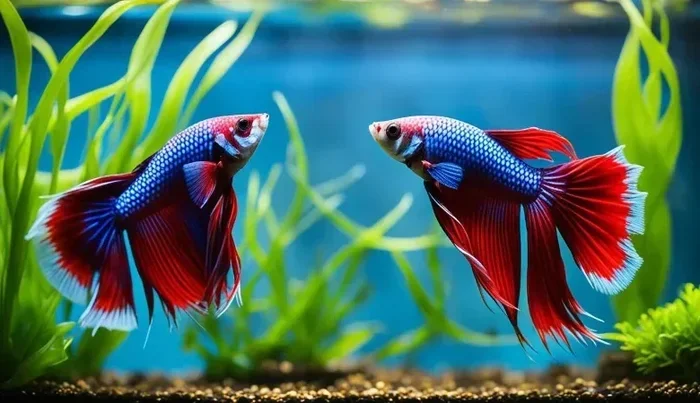
Once both fish are ready, the betta fish courtship begins. The male flares his fins and wraps his body around the female. This is how the female releases her eggs and the male fertilizes them. The whole process usually takes less than an hour.
During courtship, the male may seem aggressive. This is normal. But you should watch closely. If he hurts the female, you need to separate them right away. A tank divider can help you manage this safely.
Preparing the Tank for Breeding
A proper setup is the foundation of successful how to mate 2 betta fish efforts. You cannot use a regular community tank for breeding. Your bettas need a dedicated space that feels safe and mimics their natural habitat.
Tank Size and Setup
Use a tank that is at least 10 gallons for the breeding setup. This gives the fish enough room to move without feeling crowded. Before you introduce any fish, make sure you know how to set up a fish tank for betta fish properly. Here are the key elements:
- A sponge filter for gentle water flow
- A heater to maintain stable temperature
- A thermometer to monitor the water
- A few floating plants or a breeding mop
- A tight-fitting lid to keep humidity high
The floating plants are important because the male betta will build his bubble nest underneath them. This gives the eggs a safe place to rest after betta fish spawning.
Water Conditions for Breeding
Water quality is critical during the breeding process. Poor water conditions can stop the betta fish mating process before it even starts. Follow these guidelines:
- Keep the temperature between 78 and 80 degrees Fahrenheit
- Maintain a pH level between 6.5 and 7.0
- Use soft water with low mineral content
- Cycle the tank before introducing any fish
- Prepare water for a betta fish using a conditioner to remove chlorine
Before adding your fish, take time to properly prepare water for a betta fish tank. Use a water conditioner and let the water sit for 24 hours. This removes harmful chemicals and stabilizes the temperature. Clean, conditioned water gives your bettas the best chance of success.
Introducing the Male and Female Betta Fish
This is the most delicate part of the process. How you introduce the two fish can make or break the breeding attempt. Patience and careful observation are your best tools here.
Using a Tank Divider First
Start by placing the male and female in the same tank but separated by a clear divider. This lets them see and smell each other without direct contact. Watch their reactions over 2 to 3 days.
If the male flares and builds a bubble nest, that is a great sign. If the female shows vertical stripes (breeding bars), she is ready. Both fish should appear calm and curious, not fearful or aggressive.
Some breeders also use a tank divider or even a separate bowl to keep the female safe before the introduction. Knowing how to transfer a betta fish to a bowl gently is a helpful skill during this stage.
The Introduction Process
When both fish show positive signs, remove the divider. Watch them closely for the next few hours. The male will start chasing the female gently. This is normal courtship behavior.
Do not leave them unattended during this phase. If the male becomes too aggressive, separate them immediately. The goal is to allow the betta fish courtship to happen naturally without anyone getting hurt.
The Spawning Process
Once the male and female accept each other, the actual betta fish spawning begins. This is the moment you have been working toward.
Bubble Nest Building
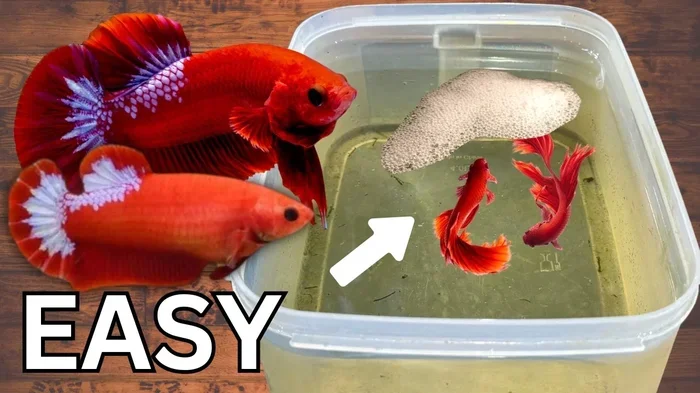
The male betta will build a cluster of bubbles at the surface of the water. This is called a bubble nest, and it is a sign that he is ready to mate. A healthy bubble nest looks like a foamy cluster attached to floating plants or the water surface.
The size and quality of the bubble nest tells you a lot about the male’s readiness. A large, dense nest means he is in good breeding condition. If the nest is small or falling apart, give him more time.
Egg Laying and Fertilization
During spawning, the male wraps his body around the female. She releases eggs, and he fertilizes them immediately. This process repeats several times over a few hours. The female may release anywhere from 30 to 500 eggs depending on her size and health.
After spawning, the male collects the eggs and places them gently into the bubble nest. At this point, you should remove the female from the tank. The male becomes very protective and may harm the female if she stays too long.
Use a small net to remove the female carefully. Do not chase or stress the male during this process. A calm environment helps the male focus on protecting the eggs.
Caring for Betta Fish Fry
Once the eggs are safely in the bubble nest, the real work begins. Raising betta fish fry requires attention to detail and consistent care.
First Days After Spawning
The male betta will guard the bubble nest and the eggs for 24 to 48 hours. During this time, he will pick up any eggs that fall from the nest and place them back. Do not disturb the tank during this period.
Keep the water temperature stable and avoid any sudden changes. The eggs will hatch within 24 to 48 hours. Once they hatch, the fry will fall to the bottom of the tank and start absorbing their yolk sacs.
Feeding the Fry
After the yolk sacs are absorbed (usually around day 3), the fry need external food. Start with infusoria or commercially available fry food. As they grow, you can introduce baby brine shrimp and micro worms.
Feed the fry small amounts several times a day. Overfeeding can foul the water quickly. A small turkey baster works well for removing uneaten food and waste from the tank.
Keep the water pristine by doing small daily water changes of about 10%. Use water that is the same temperature and treated with conditioner. Clean water is the single most important factor in fry survival.
Common Problems and How to Solve Them
Even with the best preparation, problems can arise during the breeding process. Here are the most common issues and how to handle them.
- The male does not build a bubble nest: This often means the water conditions are not right or the fish are not mature enough. Check the temperature and give it more time.
- The female is not interested: She may not be ready or may not be compatible with the male. Try a different pairing if this happens repeatedly.
- The male is too aggressive: Some males are overly aggressive during courtship. Always have a backup plan for separating the fish quickly.
- Eggs fall from the nest: This can happen if the water flow is too strong. Use a sponge filter on the lowest setting to minimize water movement.
- Fry are not eating: Newly hatched fry may take a day or two to start feeding. Make sure the food is small enough for their tiny mouths.
Remember that not every breeding attempt will be successful. That is completely normal. Even experienced breeders sometimes have batches that do not work out. The key is to learn from each attempt and improve your setup for the next time.
When Not to Breed Betta Fish
Breeding should only happen when both fish are in excellent health. Avoid breeding if either fish shows signs of illness, such as clamped fins, loss of color, or unusual behavior. A sick fish should be treated first, possibly with medications like tetracycline for betta fish if a bacterial infection is present.
Also consider whether you have the time and resources to care for dozens or even hundreds of fry. Raising betta fish fry is a serious commitment that lasts several weeks. Make sure you are ready for that responsibility before starting the betta fish mating process.
Conclusion
How to mate 2 betta fish successfully comes down to preparation, patience, and observation. You need a clean breeding tank, stable warm water, and healthy fish that show the right signs of readiness. The betta fish mating process is a natural wonder to witness, but it also requires you to be attentive and ready to intervene if needed.
Start with the tank setup and water conditions. Introduce the fish slowly. Watch the courtship and spawning closely. And then commit to caring for the fry with consistent feeding and clean water. Follow these steps, and you give your bettas the best possible chance of a successful breeding experience.
Take your time, enjoy the process, and remember that every attempt teaches you something new about these beautiful fish. Happy breeding!
Frequently Asked Questions
How long does the betta fish mating process take?
The actual mating and spawning usually happen within a few hours once the fish are introduced. However, the entire process from courtship to bubble nest building can take several days. Be patient and let the fish set the pace.
Can I breed two male betta fish together?
No. Two male betta fish will fight aggressively and can seriously injure or kill each other. Breeding requires one healthy male and one healthy female. Always keep males separated except during the brief breeding introduction.
How many eggs does a female betta fish lay at once?
A healthy female betta can lay anywhere from 30 to 500 eggs per spawning session. The exact number depends on her age, size, and overall health. Not all eggs will hatch, and not all fry will survive to adulthood.
What should I feed betta fish fry?
Start with infusoria or liquid fry food for the first few days. After the yolk sacs are absorbed, introduce baby brine shrimp and micro worms. Feed small amounts multiple times a day to keep the fry growing steadily.
When should I remove the female after spawning?
Remove the female as soon as spawning is complete. The male becomes very protective and may attack the female to guard the eggs. Use a soft net to transfer her gently back to her own tank.
Do I need a special tank for breeding betta fish?
Yes. A dedicated breeding tank of at least 10 gallons works best. It should have a sponge filter, a heater, floating plants, and a tight lid to maintain humidity. Proper setup is essential for successful betta fish breeding.