How to Make Betta Fish Change Color

Want a brighter, more vivid betta? By tweaking lighting, water quality, diet, and stress levels, you can encourage your betta to display its full color range. Follow these easy steps and watch your fin‑fighter transform.
Key Takeaways
- Lighting matters: Proper spectrum and duration can intensify colors.
- Water quality is key: Clean, stable water supports healthy pigmentation.
- Diet influences hue: Color‑enhancing foods boost reds, blues, and greens.
- Stress reduction: A calm environment lets the betta show its true colors.
- Genetics set limits: Not every fish can become neon; know your betta’s potential.
- Patience pays: Color changes happen gradually, not overnight.
- Regular monitoring: Keep an eye on health to ensure color shifts are a sign of wellness, not illness.
📑 Table of Contents
- Introduction
- 1. Understanding Betta Pigmentation
- 2. Optimize Lighting for Vibrant Hues
- 3. Keep Water Conditions Spotless
- 4. Feed a Color‑Boosting Diet
- 5. Reduce Stress for Natural Color Expression
- 6. Enhance Color Through Selective Breeding (Optional)
- Putting It All Together: A 30‑Day Color Boost Plan
- Conclusion
Introduction
Betta fish, also called Siamese fighting fish, are famous for their dazzling fins and bold personalities. Many owners wonder if they can coax their betta to show even brighter, more varied colors. The good news is that, while genetics set the baseline, you have a lot of control over the environment, diet, and stress levels that influence pigmentation.
In this guide we’ll walk through practical, low‑cost methods to help you understand how to make betta fish change color safely and effectively. Think of it as a friendly chat over a cup of tea, with plenty of real‑world tips you can start using today.
1. Understanding Betta Pigmentation
How Betta Color Works
Betta fish get their colors from two main sources: chromatophores (pigment cells) and structural coloration (light‑reflected scales). Chromatophores contain pigments like melanin (black/brown), carotenoids (reds and oranges), and iridophores (metallic blues and greens). The fish’s diet supplies many of these pigments, especially carotenoids.
Why Betta Fish Change Color
Natural color shifts happen for several reasons: age, breeding, stress, health, and environmental changes. For a deeper dive, see our article on why betta fish change color. Understanding these triggers helps you separate healthy changes from warning signs.
2. Optimize Lighting for Vibrant Hues
Choose the Right Spectrum
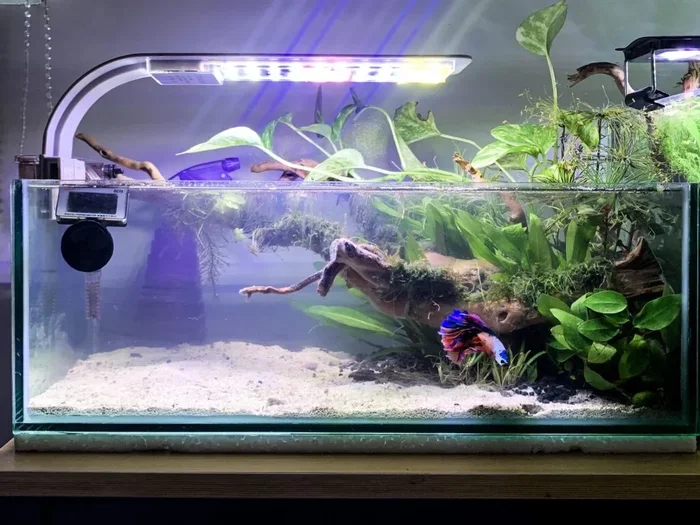
Betta fish respond best to full‑spectrum LED lights that mimic natural daylight. Lights with a strong blue‑green component enhance iridophores, making blues and greens pop, while a warm white spectrum accentuates reds and oranges.

Visual guide about How to Make Betta Fish Change Color
Image source: i.pinimg.com
Set a Consistent Light Cycle
Maintain 10–12 hours of light per day. Too much light can stress the fish, causing dullness, while too little can suppress pigment expression. Use a timer to keep the schedule steady.
Practical Tip
- Place the tank near a window with indirect sunlight, but avoid direct sun to prevent algae blooms.
- Consider a dimmable LED fixture so you can adjust intensity during breeding or display periods.
3. Keep Water Conditions Spotless
Why Clean Water Impacts Color
Stressed bettas often lose their bright colors. Poor water quality raises cortisol levels, which can cause pigment cells to shrink. A stable, clean environment supports healthy chromatophores.
Essential Water Parameters
- Temperature: 76‑82°F (24‑28°C)
- pH: 6.5‑7.5
- Ammonia & Nitrite: 0 ppm
- Hardness: 3‑4 dGH
Water Change Routine
Perform a 25‑30% water change weekly. For step‑by‑step guidance, check out how to do a water change for betta fish. Always match the new water’s temperature and parameters to the tank’s to avoid shock.
4. Feed a Color‑Boosting Diet
Carotenoid‑Rich Foods
Carotenoids are the powerhouse behind reds, oranges, and yellows. Offer high‑quality betta pellets that include natural shrimp or krill extracts, and supplement with frozen or live foods like:
- Brine shrimp (rich in astaxanthin)
- Daphnia (carotenoid source)
- Bloodworms (adds red pigment)
Commercial Color Enhancers
There are safe, vitamin‑rich color‑enhancing powders you can sprinkle on meals. Look for products with “astaxanthin” and “canthaxanthin” as key ingredients.
Feeding Schedule
Feed 2‑3 small meals daily, removing any uneaten food after 5 minutes to keep water pristine. Overfeeding leads to waste, which degrades water quality and dulls colors.
5. Reduce Stress for Natural Color Expression
Provide a Comfortable Habitat
Betta fish love places to hide and explore. Add silk plants, caves, or smooth rocks. Avoid plastic décor with sharp edges that can damage fins and cause stress‑induced color loss.
Minimize Aggressive Interactions
If you keep multiple bettas (not recommended), ensure each has its own visual barrier. Even in a single‑fish tank, sudden movements or loud noises can spike stress hormones.
Link to Happiness
A happy betta shows its best colors. Learn more about creating a joyful environment in how to make betta fish happy.
6. Enhance Color Through Selective Breeding (Optional)
Understanding Genetics
While you can’t change a fish’s genetic makeup, you can choose mates with desired hues if you’re breeding. Look for parents with strong, stable coloration and avoid those that fade quickly.
Ethical Considerations
Never force a fish to display colors it isn’t genetically equipped for. Over‑manipulation can lead to health issues. Always prioritize welfare over aesthetics.
Putting It All Together: A 30‑Day Color Boost Plan
- Day 1‑7: Set up full‑spectrum lighting and establish a weekly water‑change schedule.
- Day 8‑14: Introduce carotenoid‑rich foods (brine shrimp 3× per week).
- Day 15‑21: Add silk plants and a small cave; monitor for stress signs.
- Day 22‑30: Sprinkle a color‑enhancing supplement on each meal; keep a consistent light cycle.
By the end of the month you should notice a subtle but noticeable brightening of fins and body hue. Remember, patience is key—color development can take weeks.
Conclusion
Learning how to make betta fish change color is less about magic tricks and more about providing the best possible environment. Good lighting, pristine water, a nutrient‑dense diet, and a stress‑free home work together to let your betta’s natural pigments shine. Keep a watchful eye on health, and celebrate each small shift in hue as a sign of a thriving fish.
Frequently Asked Questions
Can I change my betta’s color permanently?
Only the fish’s genetics determine permanent color. You can enhance and brighten existing hues, but you cannot alter the base color forever.
How long does it take to see color changes?
Visible changes usually appear after 2‑4 weeks of consistent care. Faster shifts may indicate stress or illness.
Is it safe to use aquarium dyes?
No. Artificial dyes can stress bettas and may be toxic. Stick to natural methods like diet and lighting.
Do male and female bettas change color differently?
Both sexes can brighten, but males often display more dramatic color shifts during breeding or when showing off.
What if my betta’s color fades suddenly?
Sudden fading can signal poor water quality, illness, or stress. Test the water, check for signs of disease, and improve tank conditions.
Can extra lighting cause health problems?
Yes, excessive light can lead to algae growth and stress. Keep lighting to 10‑12 hours per day and use a timer.