How Many Eggs Lay Betta Fish
Betta fish typically lay between 10 and 50 eggs per spawning cycle, with some healthy females producing up to 100 or more under ideal conditions. Understanding how many eggs a betta fish lays depends on factors like the female’s age, size, health, and the quality of her tank environment. This guide covers everything you need to know about betta fish egg production, from spawning behavior to caring for the eggs and fry.
Key Takeaways
- A female betta fish typically lays 10 to 50 eggs per spawn.
- Egg count depends on her age, size, and overall health.
- Remove unfertilized, white eggs immediately to prevent fungal growth.
- Keep water temperature stable at 78-80°F for healthy egg development.
- The male will guard the nest and care for fry.
- Proper conditioning with live food boosts egg production significantly.
📑 Table of Contents
- How Many Eggs Do Betta Fish Lay?
- How Many Eggs Do Betta Fish Lay?
- What Affects How Many Eggs a Betta Fish Can Lay?
- The Betta Fish Breeding Process
- How to Care for Betta Fish Eggs and Fry
- Common Problems with Betta Fish Egg Laying
- Expert Tips for Successful Betta Fish Breeding
- Betta Fish Egg Production at a Glance
- Key Takeaways
How Many Eggs Do Betta Fish Lay?
Have you ever wondered how many eggs a betta fish can produce? If you’re a betta owner or thinking about breeding, this is a great question to ask. How many eggs lay betta fish depends on several factors, including the fish’s age, health, and environment. On average, a female betta can lay anywhere from 50 to 500 eggs in a single spawn. That’s a pretty wide range, right? But don’t worry — we’ll break it all down for you.
In this guide, you’ll learn everything about betta fish egg production, what affects the number of eggs, and how to care for them properly. We’ll also cover the breeding process, common problems, and expert tips to boost your success. Whether you’re a beginner or a seasoned hobbyist, this article has something valuable for you. So let’s dive right in and explore the fascinating world of betta fish reproduction.
How Many Eggs Do Betta Fish Lay?
The big question every betta owner asks is: how many eggs does a betta fish lay? The honest answer is — it varies. A healthy female betta fish can lay between 50 and 500 eggs per spawning cycle. But most commonly, you’ll see around 100 to 300 eggs in a typical spawn. That’s quite a lot for such a small fish!
It’s important to understand that not all eggs will be fertilized. In fact, some eggs may be unfertilized eggs that the male picks up and discards. The actual number of surviving betta fry (baby fish) is usually much lower. This is completely normal and part of the natural process.
Here’s a quick breakdown of what you might expect:
- First-time spawners: 50 to 150 eggs
- Experienced breeders: 200 to 500 eggs
- Fertilized eggs: Usually 70% to 90% of total eggs
- Surviving fry: 20 to 100 depending on care
These numbers can surprise many hobbyists. The wide range might seem confusing, but it’s perfectly normal. Each betta fish is unique, and many variables come into play. If you want to learn more about the timeline, check out our guide on how many days to hatch betta fish eggs.
Do All Betta Fish Lay the Same Number of Eggs?
Nope! Not all betta fish are equal when it comes to egg count. Some females are just more fertile than others. You might also notice differences based on the specific type of betta you have. For example, veiltail bettas and halfmoon bettas might produce different amounts. The overall health and genetics of your fish play a huge role here.
What Affects How Many Eggs a Betta Fish Can Lay?
Several factors influence how many eggs your female betta will produce. Understanding these can help you create better conditions for breeding. Let’s look at the main ones.
Age and Size of the Betta Fish
Age matters a lot. A young betta fish, usually around 6 to 12 months old, might produce fewer eggs compared to a mature female. The best breeding age for female bettas is typically between 6 months and 2 years old. After that, fertility tends to decline. Larger, healthier females also tend to produce more eggs than smaller ones.
Water Conditions and Tank Setup
Clean, well-maintained water is essential. Poor water quality can seriously reduce betta fish egg production. Here are the key water parameters to keep in check:
- Temperature: 78°F to 82°F (25°C to 28°C)
- pH: 6.5 to 7.5
- Ammonia: 0 ppm
- Nitrate: Below 20 ppm
If you’re unsure about tank size, a proper setup makes a big difference. A larger tank gives your fish more comfort, which can improve betta fish fertility. You can read more about ideal tank sizes in our article on how many gallons for betta fish.
Nutrition and Diet
What your betta eats directly impacts egg production. A well-fed female with a balanced diet will lay more eggs. High-quality pellets, live or frozen foods like bloodworms and brine shrimp — all of these contribute to better betta fish egg laying. Feed your betta nutritious meals at least twice a day leading up to breeding.
Stress Levels
Stress is a silent killer when it comes to breeding. Loud noises, aggressive tank mates, or frequent water changes can all stress your betta. A stressed female may produce fewer eggs or even refuse to spawn. Keep the environment calm and stable. Think of it like preparing a cozy nursery — the better the setting, the better the results.
The Betta Fish Breeding Process
Understanding how betta fish breeding works helps you appreciate the whole process. It starts with courtship and ends with betta fry swimming freely. Let’s walk through it step by step.
Step 1: Preparing the Breeding Tank
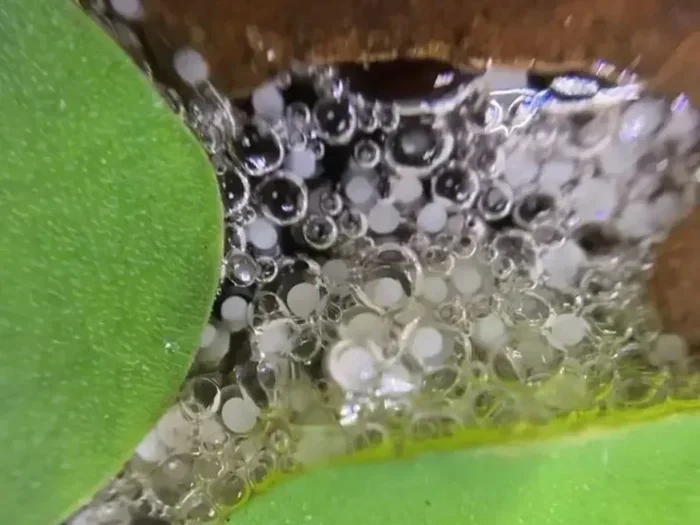
Before anything happens, you need a proper breeding setup. A separate breeding tank of about 5 to 10 gallons works well. Add some floating plants and a betta bubble nest surface. The male will build this nest to protect the eggs. Keep the water warm and stable.
Step 2: Introducing the Male and Female
Introduce the female first so the male can get used to her presence. You’ll see the female develop visible egg spots — small white dots on her underside. This means she’s carrying eggs. The male will then start building or maintaining his bubble nest. When both fish are ready, they’ll begin the spawning dance.
During this process, the male wraps around the female. She releases her eggs, and the male fertilizes them externally. This is called betta spawning. It can take several hours for all the eggs to be released. You can learn more about the fertilization process in our detailed guide on how male betta fish fertilize eggs.
Step 3: Egg Collection and Care
After spawning, the male carefully collects any eggs that fall and places them in his bubble nest. He becomes very protective. This is the time to remove the female from the tank. She might attack the male or eat the eggs if left together. The male alone will tend to the eggs.
Step 4: Eggs Hatch into Fry
Betta fish eggs typically hatch within 24 to 48 hours. The tiny fry stay in the nest for another 2 to 3 days, absorbing their yolk sacs. Once they start swimming freely, you can feed them infusoria or liquid fry food. It’s a magical moment to watch!
How to Care for Betta Fish Eggs and Fry
Once the eggs are laid, proper care becomes critical. Even a small mistake can reduce your betta fry survival rate. Here’s how to give your eggs the best chance.
Maintaining Water Quality
Clean water is non-negotiable. Perform gentle water changes of about 10% every few days. Use a turkey baster to remove any debris without disturbing the nest. Keep the temperature steady at around 80°F. Any sudden changes can harm the developing embryos.
Feeding the Fry
Newly hatched fry are tiny and need very small food. Here’s a feeding timeline:
- Day 1-2: No feeding needed (absorbing yolk sac)
- Day 3-4: Infusoria or liquid fry food
- Day 5-7: Microworms or baby brine shrimp
- Week 2+: Crushed pellets or fine flake food
Feed them small amounts multiple times a day. Overfeeding is a common mistake that can foul the water quickly. For more feeding tips, check out our articles on how many pellets to feed betta fish daily and how many fish flakes per betta.
Protecting Fry from Predators
Even the parents might eat the fry. Remove the male once the fry start swimming freely. Move them to a separate grow-out tank. This ensures maximum survival for your baby bettas.
Common Problems with Betta Fish Egg Laying
Not every breeding attempt goes smoothly. Here are some common issues you might face.
Betta Fish Not Laying Eggs
If your female isn’t producing eggs, it could be due to several reasons:
- She might be too young or too old
- Poor water conditions are affecting fertility
- She hasn’t developed mature eggs yet
- She may be stressed or sick
Sometimes a female betta can lay unfertilized eggs without a male present. This is completely normal and not a cause for alarm. For more details, read our article on can female betta fish lay eggs without male.
Eggs Falling from the Bubble Nest
This is frustrating but common. The male might not be experienced enough to keep all eggs in the nest. You can help by adding a mesh or net below the nest area to catch falling eggs. Make sure the water surface is calm — strong water flow can dislodge eggs easily.
Male Eating the Eggs
In rare cases, the male might eat the eggs. This usually happens when he’s stressed or malnourished. Keep him well-fed and minimize disturbances near the breeding tank. If he continues eating eggs, you may need to remove him and try hand-raising the eggs.
Fungal Infections on Eggs
Fungus can attack unfertilized eggs and spread to healthy ones. Watch for white, cotton-like growth on the eggs. Remove any infected eggs immediately using a turkey baster. Adding a tiny amount of methylene blue to the water can help prevent fungal outbreaks.
Expert Tips for Successful Betta Fish Breeding
Breeding bettas takes patience and preparation. Here are some tried-and-true tips from experienced breeders.
Tip 1: Choose Healthy, Mature Fish
Select breeding pairs that are healthy, active, and at least 6 months old. Look for bright colors, good appetite, and visible egg spots on the female. Healthy parents produce better-quality eggs and more vigorous fry.
Tip 2: Condition the Fish Before Breeding
Feed both the male and female high-quality foods for 1 to 2 weeks before breeding. Live foods are ideal. This boosts their energy and improves betta fish egg production. Think of it like prepping for a big event — you want everyone in top shape.
Tip 3: Monitor the Tank Closely
Watch the breeding tank during the entire process. Be ready to act quickly if problems arise. Keep a notebook to track spawning behavior, egg counts, and hatching times. This data helps you improve future breeding attempts.
Tip 4: Don’t Rush the Process
Breeding can take several hours. Let the male and female do their thing without interference. Avoid tapping on the glass or making sudden movements. Patience is your best friend here.
Tip 5: Plan for the Fry
Before breeding, make sure you have a plan for the fry. They need proper food, clean water, and a safe environment. Growing betta fry to adulthood requires dedication. How many fry survive depends largely on the care you provide. For more insights, read our article on how many fry do betta fish have.
Betta Fish Egg Production at a Glance
Here’s a handy comparison table summarizing key factors that affect egg production:
| Factor | Low Egg Production | High Egg Production |
|---|---|---|
| Age | Under 6 months or over 2 years | 6 months to 2 years old |
| Water Quality | Poor, fluctuating parameters | Clean, stable, warm water |
| Diet | Low-quality or irregular feeding | Rich, varied, high-nutrition meals |
| Stress Level | High (aggressive tank mates, noise) | Low (calm, stable environment) |
| Tank Size | Under 5 gallons | 5 to 10 gallons or more |
| Breeding Experience | First-time breeders | Experienced, well-conditioned pairs |
As you can see, most factors come down to providing the best possible environment. The better you care for your fish, the more successful your breeding efforts will be.
Key Takeaways
So, how many eggs lay betta fish? The answer is anywhere from 50 to 500 eggs per spawn, with most healthy females producing around 100 to 300 eggs. Not all eggs will survive, and that’s completely natural. Your role as a breeder is to give the best conditions for maximum betta fry survival.
Remember these key points:
- A healthy female betta can lay 50 to 500 eggs per spawning cycle
- Age, diet, water quality, and stress all affect egg count
- The male tends the eggs in a betta bubble nest
- Fry hatch within 24 to 48 hours and need special care
- Proper nutrition and clean water are essential for breeding success
Breeding betta fish is a rewarding experience when done right. It takes time, effort, and patience — but watching tiny fry swim freely makes it all worthwhile. Apply what you’ve learned here, stay consistent with care, and enjoy the incredible journey of betta fish reproduction. Happy breeding!
Frequently Asked Questions
How Many Eggs Do Betta Fish Lay?
A female betta fish can lay between 10 and 50 eggs per spawning session. Some healthy, well-fed bettas may lay up to 100 or more eggs in a single batch. So, if you are wondering how many eggs lay betta fish, the answer depends on her age, size, and overall health.
How Often Do Betta Fish Lay Eggs?
Betta fish can lay eggs every two to three weeks if conditions are ideal and a male is present to build a bubble nest. However, spawning too frequently can drain the female’s health. It is best to allow resting periods between breeding sessions to keep your fish happy and healthy.
How Many Eggs Can a Female Betta Lay at One Time?
Most female bettas release eggs in batches of 10 to 50 during each spawning event. Younger and smaller females tend to produce fewer eggs, while mature, larger females can lay more. This number can also vary based on water temperature and the quality of their diet.
Can a Betta Fish Lay Eggs Without a Male Present?
Yes, a female betta can lay unfertilized eggs even without a male in the tank. These eggs will not hatch and may be reabsorbed by the female or ignored by other tank mates. It is a natural process and does not necessarily mean anything is wrong with your fish.
How Long Does It Take for Betta Fish Eggs to Hatch?
Betta fish eggs typically hatch within 24 to 72 hours after the male fertilizes them. Warmer water temperatures around 80°F can speed up the hatching process. After hatching, the fry will remain near the bubble nest for another day or two before becoming free-swimmers.
How Can You Tell If Your Betta Fish Is Carrying Eggs?
A female carrying eggs will develop a small white spot called the ovipositor near her ventral area. She may also appear rounder in the belly area and show increased appetite. However, not all round bellies mean eggs — bloating from illness can look similar, so always check for other signs.