How to Care for Your New Betta Fish
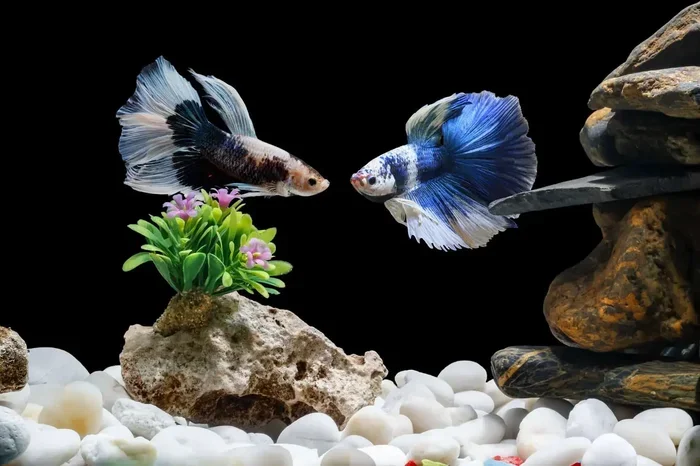
Learning how to care for your new betta fish is easier than most people think. This guide covers everything from setting up the perfect tank and maintaining clean water to feeding schedules and recognizing early signs of stress. Follow these simple steps, and your new betta will thrive for years to come.
Bringing home a new betta fish is exciting. These colorful creatures are beautiful, full of personality, and surprisingly easy to look after once you know the basics. But here is the thing many new owners miss early care makes all the difference between a betta that thrives and one that struggles.
Whether you just picked up your first betta or are planning to get one soon, this guide walks you through every step. You will learn how to set up the perfect tank, what to feed, how to keep the water clean, and how to spot trouble before it starts. Think of this as your care for your new betta fish roadmap.
The good news? You do not need years of experience or expensive equipment. A little knowledge and a consistent routine go a long way. Let us dive in and make sure your new friend has the best start possible.
Key Takeaways
- Choose the right tank size: A minimum of 5 gallons gives your betta room to swim and stay healthy.
- Cycle your tank before adding your fish: A properly cycled tank removes harmful toxins and keeps water safe.
- Feed wisely: Small amounts twice a day with high-quality food prevents overfeeding and keeps your betta energetic.
- Watch for stress signals: Clamped fins, faded color, and hiding behavior can mean your betta needs attention.
- Keep water conditions stable: Regular water changes and proper temperature control are essential for long-term betta health.
- Avoid common mistakes: Overcrowding, skipping water changes, and using untreated tap water are the top causes of betta problems.
📑 Table of Contents
Setting Up the Perfect Tank for Your New Betta
The foundation of good betta care starts with the right tank. Many people think bettas are happy in tiny bowls, but that is a myth. Bettas need space to swim, explore, and stay healthy. A proper setup from day one sets the stage for a long and happy life.
How Big Should the Tank Be?
The minimum tank size for a single betta is 5 gallons. A larger tank, like 10 gallons, gives you more room for decorations and makes it easier to maintain stable water conditions. Small bowls under 3 gallons are tempting but they make it hard to keep water quality consistent. When you are learning how to care for your new betta fish, tank size should be your first decision.
Here is a quick look at tank size options:
- Under 3 gallons (bowl): Not recommended for long-term health.
- 5 gallons: The ideal minimum for a single betta.
- 10 gallons: Great for a betta with light decorations or live plants.
- 20+ gallons: Best if you plan to add peaceful tank mates later.
Essential Equipment You Will Need
Every betta tank needs a few key pieces of equipment. A small sponge filter keeps the water clean without creating too much flow, which bettas dislike. A low-wattage heater maintains a steady temperature between 76 and 82 degrees Fahrenheit. Bettas are tropical fish and they need warmth to stay active and healthy.
You will also want a gentle light, either from an aquarium hood or a small LED strip. This helps you see your betta’s colors and supports any live plants you add. For more details on the full setup process, check out our guide on how to set up a fish tank for betta fish.
Decorations and Hiding Spots
Bettas love places to explore and hide. Smooth rocks, silk plants, and small caves make great additions. Avoid sharp plastic decorations or rough gravel that can tear their delicate fins. Live plants like java fern or anubias are excellent choices because they help filter the water naturally and give your betta a natural feel.
When you arrange decorations, leave open swimming space in the middle. Bettas are strong swimmers and they enjoy gliding around their territory. A well-decorated tank also reduces stress, which is key to preventing illness.
Preparing and Maintaining Clean Water
Water quality is the single most important factor in betta health. Dirty water causes stress, disease, and shortened lifespan. Keeping the water clean does not have to be complicated, but it does require consistency.
Why Water Quality Matters So Much
Bettas produce waste just like any other fish. Ammonia and nitrite build up quickly in small tanks and can damage your betta’s gills and fins. Nitrate is less toxic but still harmful at high levels. This is why cycling your tank before adding your betta is so important. A fully cycled tank grows beneficial bacteria that break down these toxins naturally.
If you are new to aquarium cycling, start by learning the basics of the nitrogen cycle. You can also read our article on how to condition tap water for betta fish to understand what happens before the water even enters the tank.
How to Do a Proper Water Change
Regular water changes are the best way to keep your betta’s environment safe. For a 5-gallon tank, change about 25 to 30 percent of the water every week. For a 10-gallon tank, a 20 percent weekly change works well. Use a gravel vacuum to remove debris from the substrate while you siphon out old water.
Always treat new water with a water conditioner before adding it to the tank. This removes chlorine and chloramine, which are harmful to fish. For a step-by-step walkthrough, our article on how to do a water change for betta fish covers the process in detail.
Testing Water Parameters
Invest in a simple liquid test kit to monitor ammonia, nitrite, nitrate, and pH levels. Test the water weekly during the first month after setup, then every two weeks once the tank is stable. Here is what healthy levels look like:
- Ammonia: 0 ppm
- Nitrite: 0 ppm
- Nitrate: Below 20 ppm
- pH: Between 6.5 and 7.5
Stable parameters matter more than hitting perfect numbers. Sudden swings in pH or temperature cause more stress than slightly imperfect readings.
Feeding Your New Betta the Right Way
Feeding seems simple, but it is one of the areas where most new betta owners make mistakes. Overfeeding is extremely common and it causes more health problems than underfeeding ever does.
What to Feed Your Betta
A high-quality betta pellet should be the staple of your fish’s diet. Look for pellets with protein listed as the first ingredient. You can supplement with frozen or freeze-dried bloodworms, brine shrimp, or daphnia as occasional treats. Live food is excellent too, but it carries a higher risk of introducing parasites into the tank.
Variety is important. Just like humans, bettas do better when they eat a balanced diet. Rotating between pellets and protein-rich treats keeps your betta interested in food and supports vibrant color.
How Much and How Often
Feed your betta two small meals per day. What does “small” mean? About two to three pellets per meal, or a portion roughly the size of your betta’s eye. Some owners skip one feeding day per week, which helps the digestive system stay healthy.
Watch your betta during feeding time. If food falls to the bottom and sits uneaten for more than a few minutes, you are giving too much. Uneaten food decays quickly and pollutes the water. Remove any leftover food with a small net or turkey baster.
Keeping Your Betta Healthy and Happy
A healthy betta is active, colorful, and curious. They should explore their tank, respond to your presence, and eat eagerly. Understanding what normal behavior looks like helps you catch problems early.
Common Signs of a Happy Betta
- Bright, vivid colors and flowing fins
- Swimming actively throughout the tank
- Coming to the front when you approach
- Building bubble nests (a great sign in male bettas)
- Eating with enthusiasm
Warning Signs to Watch For
Not every change in behavior means something is wrong, but certain signs deserve attention. Clamped fins (fins held close to the body), loss of color, staying at the bottom, or rapid breathing can all indicate stress or illness. Other red flags include white spots on the body, torn fins, or a swollen belly.
If you notice any of these symptoms, test your water parameters first. Poor water quality is the most common cause of betta health issues. If the water looks good, consider whether you recently changed anything in the tank, such as new decorations or a different feeding brand.
For guidance on handling sickness, our article on how to care for sick betta fish provides detailed steps on diagnosis and treatment options.
Preventing Stress and Disease
Prevention is always easier than treatment. Keep these habits in mind to protect your betta:
- Never place the tank near windows with direct sunlight. It causes temperature swings and algae blooms.
- Avoid loud noises or vibrations near the tank. Bettas are sensitive to their environment.
- Do not overcrowd the tank. A single betta does best alone or with very peaceful, non-fin-nipping companions.
- Wash your hands before and after tank maintenance to prevent transferring bacteria.
- Quarantine new plants or decorations for a few days before adding them to the main tank.
Common Mistakes New Betta Owners Make
Even well-meaning owners can accidentally harm their betta by following bad advice. Here are the most common mistakes and how to avoid them.
Mistake 1: Keeping a Betta in a Tiny Bowl
This is the number one mistake. Tiny bowls lack filtration, heating, and enough space for beneficial bacteria. A betta in a small bowl may survive for a while but will not thrive. Investing in at least a 5-gallon tank is the single best thing you can do for your fish.
Mistake 2: Skipping the Tank Cycle
Adding a betta to an uncycled tank exposes them to toxic ammonia from day one. The nitrogen cycle takes about four to six weeks to establish. Be patient and test the water before introducing your fish. Rushing this step often leads to fish loss and heartbreak.
Mistake 3: Overfeeding
It is tempting to feed your betta whenever they beg for food, but their stomach is tiny. Overfeeding leads to bloating, constipation, and dirty water. Stick to a consistent feeding schedule and resist the urge to give extra treats.
Mistake 4: Ignoring Water Changes
Some owners set up a tank and forget about it. Even with a filter, waste builds up over time. Skipping water changes causes nitrate levels to rise, which stresses your betta and weakens their immune system. Set a weekly reminder to stay on track.
Building a Bond With Your New Betta
One of the joys of owning a betta is the personal connection they can form with their owner. Bettas are intelligent fish and they can recognize the person who feeds them.
Spend time near the tank each day. Talk softly, move slowly, and let your betta get used to your presence. You can even try training your betta to follow your finger or eat from your hand. For fun bonding activities, check out our guide on how to play games with your betta fish.
The more time you invest in observing and interacting with your betta, the more you will notice their unique personality. Some bettas are bold and flashy, while others are calm and shy. Every betta has a character that makes them special.
Final Thoughts on Caring for Your New Betta Fish
Caring for a new betta fish does not have to feel overwhelming. Start with a properly sized tank, cycle it before adding your fish, keep the water clean, feed appropriately, and watch for signs of stress or illness. These five steps cover the essentials and give your betta the best possible life.
Remember that every betta is different. Some may need slightly warmer water, others prefer more hiding spots. Pay attention to your individual fish and adjust your routine as needed. The effort you put in during the first few weeks pays off with a healthy, vibrant companion for years to come.
Learning how to care for your new betta fish is a journey, and you have already taken the most important step by seeking out good information. Trust your instincts, stay consistent, and enjoy the process. Your new betta is lucky to have an owner who cares enough to do things right.
Frequently Asked Questions
How long do betta fish live with proper care?
With good care, bettas typically live between three and five years. Some well-cared-for bettas have been known to reach six years or more. The key factors are clean water, a proper diet, and a stress-free environment. Starting with the right setup from day one gives your betta the best chance at a long, healthy life.
Can I keep my betta fish in a bowl without a filter?
Technically yes, but it is not ideal. Bowls without filters require very frequent water changes, sometimes daily, to keep ammonia levels safe. A 5-gallon tank with a gentle sponge filter is much easier to maintain and provides a healthier environment. If you are committed to a bowl, be prepared for a more demanding cleaning routine.
What temperature should my betta tank be at?
The ideal temperature range for a betta tank is between 76 and 82 degrees Fahrenheit. Use a small aquarium heater with a thermostat to maintain a steady temperature. Avoid placing the tank near drafts, windows, or heating vents, as these cause temperature fluctuations that stress your fish.
How often should I feed my new betta fish?
Feed your betta two small meals per day, about two to three pellets each time. You can skip one feeding day per week to support healthy digestion. Always remove any uneaten food within five minutes to keep the water clean and prevent ammonia buildup.
Do betta fish need a heater?
Yes, bettas are tropical fish and they need a stable warm temperature to stay healthy. Room temperature water is usually too cool and can weaken their immune system over time. A small adjustable heater is one of the most important pieces of equipment for any betta setup.
How do I know if my betta fish is stressed?
Common signs of stress include clamped fins, faded colors, hiding at the bottom of the tank, rapid breathing, and loss of appetite. Stress often comes from poor water quality, sudden temperature changes, or aggressive tank mates. Test your water parameters first, then look for environmental causes and make adjustments as needed.