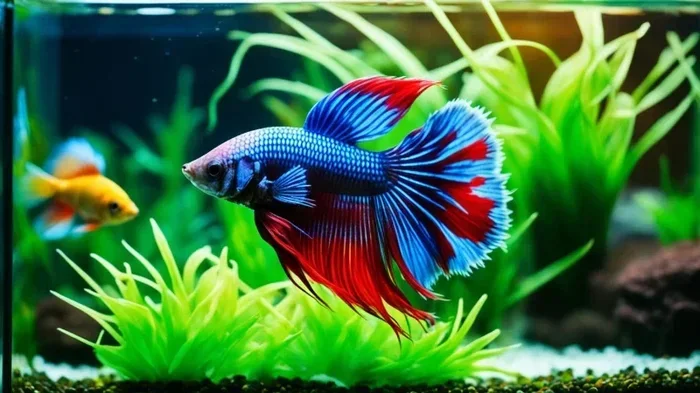
How to Care for a Baby Betta Fish
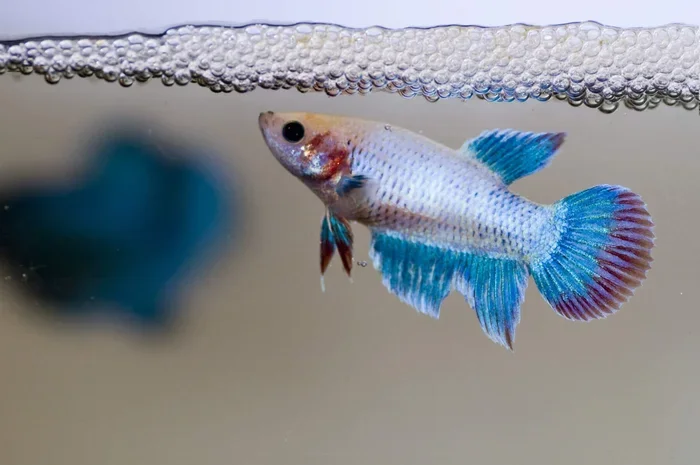
Caring for a baby betta fish requires the right tank setup, warm water, and a proper feeding schedule. Betta fry are tiny and delicate, but with the correct approach, they grow into vibrant, healthy fish. This guide covers everything you need to know about raising baby bettas from day one.
Caring for a baby betta fish is one of the most rewarding experiences in the aquarium hobby. These tiny, colorful creatures may look simple, but they have very specific needs that differ from adult bettas. If you are new to raising betta fry, this guide will walk you through every step with clear, practical advice.
Baby bettas, also called betta fry, need a carefully controlled environment to thrive. From the moment they hatch, their tiny bodies require warm water, frequent feedings, and a clean living space. Getting these basics right from day one sets the foundation for a long, healthy life.
Many new fish keepers underestimate how delicate betta fry really are. A small mistake in water temperature or feeding can cause serious problems. That is why this guide breaks everything down into simple, easy-to-follow steps. Whether you just hatched your first batch of fry or brought home a very young betta, you will find exactly what you need here.
If you want to learn the fundamentals of betta care in general, check out our guide on how to care for a betta fish 101. It covers the essentials that apply to bettas of all ages.
Key Takeaways
- Use a small tank (5 gallons or less) with gentle filtration to keep baby bettas safe from strong currents.
- Maintain water temperature between 78-80°F to support healthy growth in betta fry.
- Feed baby bettas 3-4 times daily with tiny, protein-rich foods like brine shrimp and micro pellets.
- Perform frequent small water changes to keep the water clean without stressing the fry.
- Watch for signs of illness early, including lethargy, loss of color, and clamped fins.
- Separate fry from adult bettas immediately to prevent aggression and injury.
- Transition to a larger tank gradually as your baby betta grows past the fry stage.
📑 Table of Contents
Why Baby Betta Fish Need Special Care
Baby betta fish are not just tiny versions of adult bettas. They have unique needs that require extra attention and a different approach. Understanding these differences is the first step toward raising healthy fry.
Betta fry are extremely small when they first hatch. They are barely visible to the naked eye and are very fragile. Their immune systems are still developing, which makes them more vulnerable to diseases and water quality issues. Even minor changes in their environment can cause stress or illness.
Another important factor is their rapid growth rate. Baby bettas grow quickly, and their needs change as they develop. What works for a one-day-old fry will not be suitable after just a few weeks. This means you need to adjust your care routine regularly as your fish grows.
Unlike adult bettas, fry cannot handle strong water currents. Their tiny bodies are not strong enough to swim against even gentle flows. This is why tank setup for baby bettas requires special consideration compared to adult fish tanks.
Understanding Betta Fry Development
Betta fry go through several growth stages in their first few months. Each stage comes with different care requirements. In the first week, fry still have egg sacs attached to their bodies. They absorb nutrients from these sacs and do not need external feeding yet.
After the egg sac is absorbed, usually around day 3 to 5, the fry become free-swimming. This is when you need to start feeding them very frequently. At this stage, they need tiny foods like infusoria or liquid fry food. As they grow over the next few weeks, you can gradually introduce larger food items like baby brine shrimp and micro worms.
The First Few Weeks Are Critical
The first two weeks of a betta fry’s life are the most important. During this time, they are at the highest risk of death from poor water quality, improper feeding, or temperature fluctuations. Keeping the water stable and clean is absolutely essential.
Many experienced breeders recommend doing very small water changes daily during this early period. This helps maintain pristine water conditions without disturbing the fry too much. Even a 10 to 15 percent water change each day can make a huge difference in survival rates.
Setting Up the Perfect Tank for a Baby Betta Fish
The tank setup is the foundation of baby betta care. Getting this right creates a safe and stable environment where your fry can thrive. You do not need a large tank, but you do need the right equipment and conditions.
For the best results, learn how to set up a fish tank for betta fish properly before introducing any fry. The principles are similar, but there are important adjustments you need to make for very young fish.
Tank Size and Equipment
A small tank works best for baby bettas. A 5-gallon tank is ideal for a group of fry. If you only have a few fry, even a 1-gallon container can work well. The key is to keep the water volume small enough that you can maintain consistent parameters easily.
Filtration is necessary but must be gentle. Baby bettas cannot swim against strong currents. Use a sponge filter on the lowest setting, or place a small sponge filter in the tank. The sponge filter provides biological filtration without creating a powerful flow that could exhaust the fry.
Heaters are essential for baby betta tanks. Bettas are tropical fish and need warm water to stay healthy. Set your heater to maintain a steady temperature of 78 to 80 degrees Fahrenheit. A small, adjustable heater designed for 1 to 5 gallon tanks works perfectly for fry setups.
Water Parameters and Temperature
Clean, warm water is the single most important factor in raising healthy baby bettas. The water temperature should stay consistent between 78 and 80 degrees Fahrenheit. Even a drop of a few degrees can slow down the growth of fry and make them more susceptible to illness.
The pH level should be between 6.5 and 7.5. Ammonia and nitrite levels must always read zero. Even trace amounts of ammonia can be deadly to baby bettas. Use a liquid test kit to monitor your water parameters every day during the first two weeks.
Before adding water to the tank, always treat it with a water conditioner. Tap water contains chlorine and chloramine that can harm delicate fry. Learn how to properly prepare water for your betta fish to ensure the safest possible environment.
Feeding Your Baby Betta Fish
Feeding is one of the most critical parts of baby betta care. Baby bettas have tiny stomachs and very high metabolisms. They need to eat frequently, but in very small amounts. Getting the feeding routine right can mean the difference between thriving fry and stunted growth.
What to Feed and How Often
Baby bettas need protein-rich foods that are small enough for them to eat. In the first week after they become free-swimming, offer infusoria or commercial liquid fry food. These are tiny enough for newborn fry to consume easily.
After the first week, you can introduce baby brine shrimp. This is one of the best foods for growing betta fry. It is packed with protein and is the right size for small mouths. You can also feed micro worms, which are another excellent first food for baby bettas.
As the fry grow and their mouths get bigger, you can gradually introduce crushed flake food and micro pellets. Aim to feed them 3 to 4 times per day. Each feeding should be very small. Only offer what the fry can consume within a few minutes.
Feeding Schedule for Betta Fry
A consistent feeding schedule helps baby bettas grow steadily. Here is a simple daily feeding routine you can follow:
- Morning (7-8 AM): Offer a small pinch of infusoria or liquid fry food.
- Midday (12 PM): Feed baby brine shrimp or micro worms.
- Afternoon (4-5 PM): Offer a tiny amount of crushed flake food.
- Evening (8 PM): Give a final small feeding of brine shrimp or micro pellets.
Adjust the amount based on how much the fry consume. Remove any uneaten food after 5 minutes to keep the water clean. Overfeeding is one of the most common mistakes new breeders make. Excess food decays quickly and can spike ammonia levels in the tank.
Keeping Your Baby Betta Fish Healthy
Baby bettas are more prone to illness than adult fish. Their immune systems are still developing, and they are sensitive to changes in their environment. Knowing how to spot early warning signs can save your fry’s life.
Common Health Issues in Baby Bettas
The most common health problems in baby bettas include fungal infections, bacterial infections, and parasites. These issues often arise from poor water quality or sudden temperature changes. Fungal infections appear as white cotton-like growths on the body or fins.
Bacterial infections can cause redness, swelling, or open sores. Parasites like ich show up as white spots on the body and fins. If you notice any of these signs, act quickly. Isolate affected fry if possible and treat the water accordingly.
For guidance on treating common diseases, our article on how to care for sick betta fish provides detailed treatment options. Early intervention is always better than waiting for the problem to worsen.
Signs of a Healthy Baby Betta
A healthy baby betta should be active and alert. It should swim freely without difficulty and respond to food eagerly. The colors should be vibrant, and the fins should move smoothly without clamping or tearing.
A healthy appetite is one of the best indicators of overall wellness. If your fry are eating eagerly and growing steadily, you are on the right track. Watch for steady growth over the first few weeks. Fry that are growing well and active are much more likely to develop into strong adult fish.
Growth Stages and What to Expect
Watching baby bettas grow is one of the most exciting parts of fish keeping. Understanding the growth stages helps you provide the right care at each phase. From tiny fry to juvenile fish, each stage brings new challenges and rewards.
From Fry to Juvenile
In the first month, baby bettas grow from barely visible specks to tiny fish with visible fins and color. By week 4, you should start to see the early signs of their signature long fins and vibrant colors. During this time, continue feeding high-quality foods and maintain pristine water conditions.
Between weeks 4 and 8, the fry enter the juvenile stage. Their fins grow longer, and their personalities start to emerge. This is also the time when you may notice aggression between males. Start planning for separation by sex if you want to avoid fighting as they mature.
When to Transition to a Bigger Tank
Once your baby bettas reach about 1 inch in length, usually around 8 to 12 weeks old, they are ready to move to a larger tank. A 5 to 10 gallon tank is appropriate for juveniles. Make sure the new tank has been fully cycled before the transfer.
When moving fry to a new tank, do it gradually. Float the container they are in inside the new tank for 15 to 20 minutes to equalize the temperature. Then slowly add small amounts of new tank water to their container over 30 minutes before releasing them. This process reduces stress and prevents shock.
Common Mistakes to Avoid When Caring for Baby Betta Fish
Raising baby bettas can be challenging, and even experienced hobbyists make mistakes. Here are some common errors to avoid so your fry have the best chance of survival.
- Overcrowding the tank: Too many fry in a small space leads to poor water quality and stunted growth. Keep the density low, especially in the first few weeks.
- Skipping water changes: Baby betta tanks need frequent water changes. Skipping them allows waste to build up quickly and can be fatal to fry.
- Feeding too much: Excess food pollutes the water fast. Feed small amounts multiple times a day rather than one large feeding.
- Using a hang-on-back filter: These filters create too much current for baby bettas. Stick with sponge filters that provide gentle filtration.
- Ignoring temperature stability: Fluctuating temperatures stress baby bettas and weaken their immune systems. Use a reliable heater and monitor it daily.
- Not separating males early: Male bettas become aggressive as they mature. Separate them by 8 weeks to prevent injuries.
One of the biggest mistakes is thinking baby bettas can live in a bowl without filtration or heating. While adult bettas can sometimes survive in bowls, baby bettas need more stable conditions to grow properly. A small filtered and heated tank is always the better choice.
Final Thoughts on Caring for Baby Betta Fish
Raising a baby betta fish is a journey that requires patience, consistency, and attention to detail. The early weeks are the most demanding, but the rewards are well worth the effort. Watching your tiny fry grow into beautiful, colorful adult bettas is incredibly satisfying.
Focus on the basics: clean water, warm temperatures, proper nutrition, and a stress-free environment. Master these fundamentals and your baby bettas will have the best possible start in life. Remember that every successful betta keeper started as a beginner. The knowledge you gain from raising baby bettas will serve you well throughout your fish-keeping journey.
If you ever need a refresher on general betta care, revisit our article on how to properly care for betta fish. It covers all the essentials that apply to bettas at every stage of life. With the right care and a little dedication, your baby bettas will grow up to be healthy, happy, and stunning fish.
Frequently Asked Questions
How often should I feed a baby betta fish?
Baby bettas should be fed 3 to 4 times per day in very small amounts. Their tiny stomachs can only handle small portions, but they need frequent feedings to support their rapid growth. Always remove any uneaten food within a few minutes to keep the water clean.
What is the best food for baby betta fish?
The best foods for baby bettas include infusoria, liquid fry food, baby brine shrimp, and micro worms. As they grow, you can introduce crushed flake food and micro pellets. The key is to offer food that is small enough for their tiny mouths and rich in protein.
What water temperature is best for baby betta fish?
Baby bettas thrive in water temperatures between 78 and 80 degrees Fahrenheit. Keeping the temperature stable is just as important as getting it in the right range. Use a small aquarium heater and check it daily to ensure consistent warmth.
How do I keep the water clean for baby betta fish?
Perform small water changes of 10 to 15 percent daily, especially during the first few weeks. Use a turkey baster or pipette to remove debris from the substrate without disturbing the fry. Always treat new water with a conditioner before adding it to the tank.
When should I separate baby betta fish by sex?
You should start separating male and female baby bettas by around 8 weeks of age. Males become increasingly territorial as they mature and can become aggressive toward each other. Separate them into individual containers to prevent fighting and injury.
Can baby betta fish live in a bowl?
While baby bettas can survive in a bowl, it is not ideal. They need stable water temperature, gentle filtration, and regular water changes to grow properly. A small filtered and heated tank provides much better conditions than an unfiltered bowl. If you use a bowl, be extra diligent about daily water changes.
=== CONCLUSION ===
Caring for a baby betta fish is a wonderful experience that rewards patience and dedication. By following the steps outlined in this guide, you give your fry the best possible chance at a healthy, happy life. Remember to focus on warm, clean water, frequent small feedings, and a stress-free environment.
Every baby betta you raise successfully adds to your skills and confidence as a fish keeper. Start with the basics, stay consistent, and enjoy watching your tiny fish grow into the beautiful adults that make bettas so beloved. The effort you put into caring for your baby betta fish today pays off for years to come.