Can Betta Fish Food Expire
Betta fish food does have a shelf life, and feeding expired food can harm your fish. By checking dates, storing properly, and recognizing signs of spoilage, you’ll ensure your betta gets fresh nutrition every day.
Key Takeaways
- Expiration dates matter: Most dry betta foods last 12‑18 months unopened, but once opened the clock speeds up.
- Storage is crucial: Keep food in a cool, dry place and seal it tightly to prevent moisture and pests.
- Signs of bad food: Foul odor, clumping, discoloration, or mold mean it’s time to toss it.
- Feeding small amounts: Offer only what your betta can eat in 2‑3 minutes to avoid leftovers that spoil fast.
- Rotate stock: Use the “first‑in, first‑out” rule so older bags are used before newer ones.
- Safe alternatives: Live or frozen foods can supplement a diet when dry food is past its prime.
- Regular checks: Inspect your betta’s food every month; a quick sniff can save your fish.
Quick Answers to Common Questions
Can I feed my betta fish food that is past the printed date?
If the food looks, smells, and feels normal, a few weeks past the date is usually safe, but always perform a quick check before feeding.
How long does opened betta food stay good?
Once opened, aim to use it within 2‑3 months if stored in an airtight container in a cool, dry place.
What should I do if my betta stops eating?
First check the food for spoilage. If the food is fine, try offering a different type (e.g., frozen bloodworms) and monitor water quality.
Is it okay to store betta food in the refrigerator?
Yes, a sealed container in the fridge can extend freshness, especially in humid climates, but let the food return to room temperature before feeding.
Can I mix different brands of betta food?
Mixing is fine as long as both are fresh. Keep the mixed portion sealed tightly to avoid moisture buildup.
📑 Table of Contents
- Introduction: Why Food Freshness Matters for Betta Fish
- 1. Understanding Shelf Life: How Long Do Betta Foods Last?
- 2. How to Tell If Your Betta Food Has Gone Bad
- 3. Proper Storage: Extending the Life of Your Betta Food
- 4. What to Do If You Find Expired or Spoiled Food
- 5. Feeding Strategies to Minimize Waste and Spoilage
- 6. Frequently Overlooked Factors That Affect Food Quality
- Conclusion: Keep Your Betta Healthy by Watching the Clock
Introduction: Why Food Freshness Matters for Betta Fish
When you first bring a betta home, the bright colors and flowing fins are mesmerizing. But the real secret to a happy, vibrant betta lies in something you might overlook: the freshness of its food. Just like us, bettas thrive on nutrition that’s clean, nutritious, and unspoiled. Feeding expired pellets or flakes can lead to digestive issues, reduced color intensity, and even illness.
In this article we’ll answer the burning question “Can betta fish food expire?” and walk you through everything you need to know—from reading expiration dates to proper storage, spotting spoilage, and what to do if you discover old food in your tank. By the end, you’ll feel confident that every bite your betta takes is as fresh as possible.
1. Understanding Shelf Life: How Long Do Betta Foods Last?
Typical Shelf Life of Dry Betta Food
Most commercial betta pellets and flakes are formulated to stay stable for 12‑18 months when sealed in their original packaging. Manufacturers print a “best‑by” or “use by” date on the bag – treat this as a guideline, not a hard deadline. Once you crack open the bag, exposure to air, humidity, and light begins to degrade the nutrients.

Visual guide about Can Betta Fish Food Expire
Image source: ignewsimg.s3.ap-northeast-1.wasabisys.com
What Changes After Opening?
- Moisture absorption: Even a small amount of humidity can cause pellets to clump or become soggy.
- Oxidation: Fats and vitamins break down, reducing nutritional value.
- Pest intrusion: Insects or rodents may get into an opened bag, contaminating the food.
Because of these factors, many hobbyists recommend using opened dry food within 2‑3 months for optimal quality.
2. How to Tell If Your Betta Food Has Gone Bad
Visual Cues
Take a quick look at the pellets:
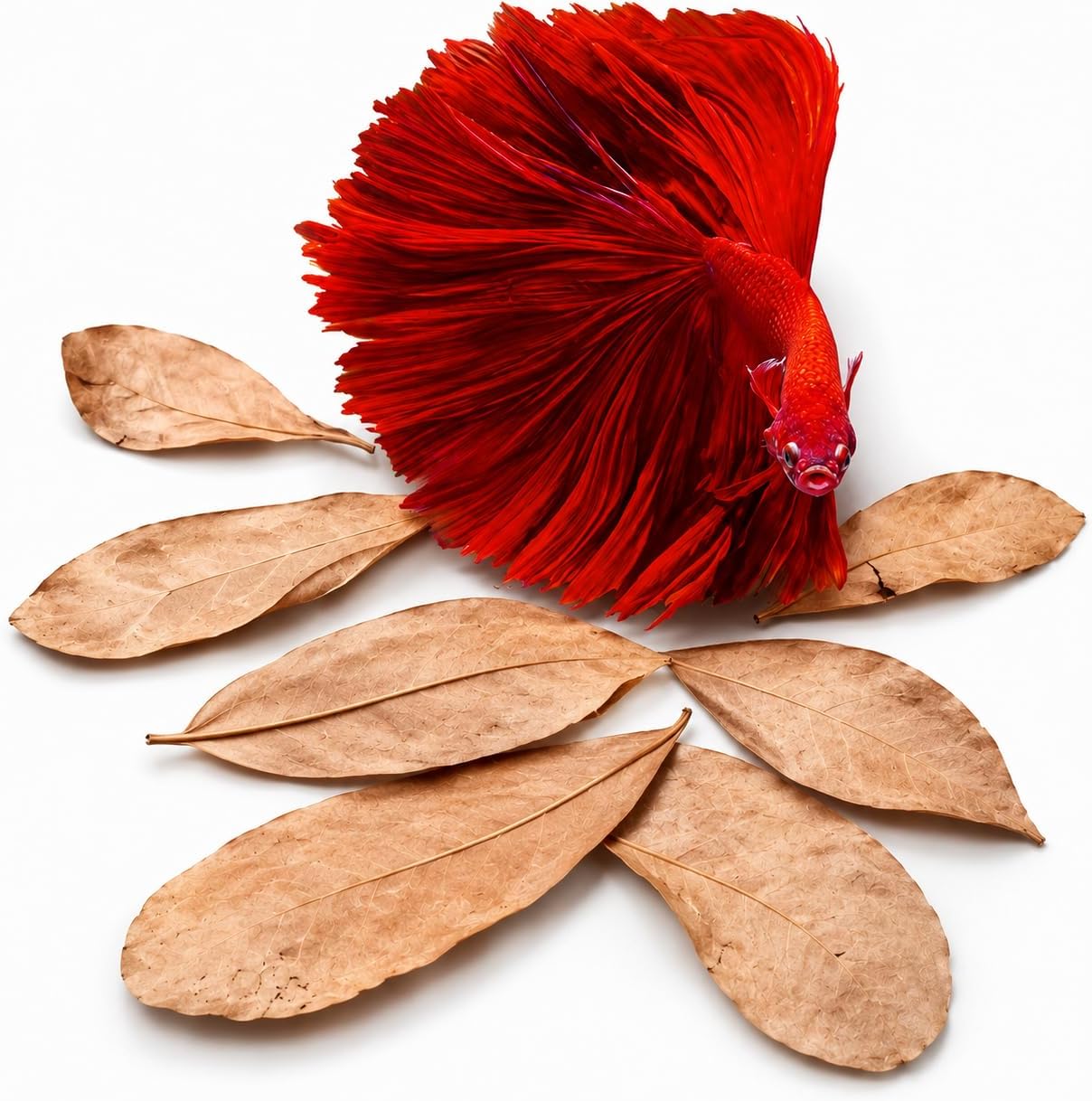
Visual guide about Can Betta Fish Food Expire
Image source: m.media-amazon.com
- Discoloration – a yellowish or gray tint indicates oxidation.
- Mold growth – white or green fuzzy spots are a clear sign of spoilage.
- Excessive clumping – if the pellets stick together in large chunks, moisture has gotten in.
Smell Test
Fresh betta food has a mild, almost neutral scent. A sour, rancid, or “old” smell means the fats have broken down and the food should be discarded.
Texture Check
Good pellets are firm and dry. If they feel soft, crumbly, or powdery, they have absorbed moisture and are likely unsafe.
3. Proper Storage: Extending the Life of Your Betta Food
Ideal Storage Conditions
To keep food fresh as long as possible, store it in a cool, dry, and dark place. A pantry shelf away from the stove or dishwasher works well.

Visual guide about Can Betta Fish Food Expire
Image source: i.ytimg.com
Seal It Tight
After each use, push the original bag’s opening back into the bag and seal it with a clip or a zip‑lock bag. For extra protection, transfer the food to an airtight container made of glass or heavy‑wall plastic.
Use Desiccants Wisely
Some hobbyists place a small food‑grade silica packet inside the container to absorb stray humidity. Make sure the packet never contacts the food directly.
4. What to Do If You Find Expired or Spoiled Food
Discard Safely
Wrap the spoiled food in a plastic bag and toss it in the trash (not the compost). This prevents pests from being attracted to the scent.
Clean the Feeding Area
If any old food has been in the tank, remove it with a net and perform a partial water change (about 25%). This helps prevent bacterial spikes.
Switch to Fresh Food
Buy a new bag of high‑quality betta pellets. Look for products with added vitamins and natural ingredients – they often stay fresher longer.
5. Feeding Strategies to Minimize Waste and Spoilage
Feed Small, Frequent Meals
Betta fish have small stomachs. Offer 2‑3 tiny pellets 2‑3 times a day, and remove any leftovers after a few minutes. This reduces the amount of food that can go bad in the tank.
Rotate Stock (First‑In, First‑Out)
When you purchase a new bag, place it behind the older one. This “first‑in, first‑out” method ensures you always use the oldest food first.
Supplement with Live or Frozen Foods
Occasionally offering daphnia, brine shrimp, or bloodworms provides variety and high protein. These foods are usually sold frozen and have a longer usable life when kept in the freezer.
6. Frequently Overlooked Factors That Affect Food Quality
Temperature Fluctuations
Storing food near a heat source can accelerate spoilage. Keep the bag away from windows, radiators, and appliances that generate heat.
Cross‑Contamination
If you use the same scoop for different types of fish food, you may introduce bacteria or foreign particles. Use a clean spoon each time you feed.
Quality of the Brand
Not all betta foods are created equal. Premium brands often use better preservatives and airtight packaging, extending shelf life. Check reviews and consider investing in a reputable brand.
Conclusion: Keep Your Betta Healthy by Watching the Clock
Yes, betta fish food can expire, and feeding expired food can compromise your fish’s health. By paying attention to dates, storing food correctly, and performing quick visual and smell checks, you’ll ensure every meal is nutritious and safe. Remember the simple habits: keep food sealed, feed small portions, and rotate stock. Your betta’s bright colors and active behavior are the best proof that you’re doing it right.
For more tips on feeding your betta, you might also explore Can You Feed Betta Fish Live Food and the differences between betta and goldfish diets in Can A Betta Fish Eat Goldfish Food. Happy feeding!
Frequently Asked Questions
Can betta fish food expire?
Yes, like most pet foods, betta pellets and flakes have a shelf life and can go bad after the expiration date or once opened.
How can I tell if betta food is spoiled?
Look for discoloration, mold, clumping, or a sour/rancid smell. Any of these signs mean the food should be discarded.
What is the best way to store betta fish food?
Store it in an airtight container in a cool, dry, and dark place. A zip‑lock bag or glass jar works well.
How often should I replace my betta’s food?
Replace opened bags every 2‑3 months and discard any food that shows signs of spoilage, even if it’s within the printed date.
Can I feed my betta live or frozen foods instead of pellets?
Yes, occasional live or frozen foods like daphnia or bloodworms provide variety and high protein, but they should complement, not replace, a balanced pellet diet.
Will expired food make my betta sick?
Feeding spoiled food can cause digestive upset, loss of appetite, and weakened immunity, which may lead to illness over time.