How to Care for a Betta Fish with a Filter
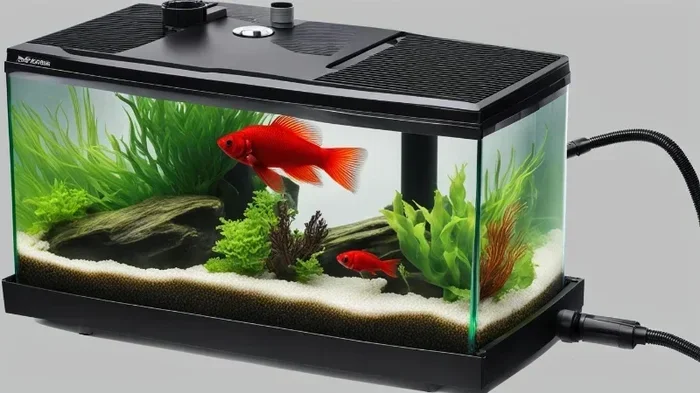
Caring for a betta fish with a filter is one of the best things you can do for your pet’s health and lifespan. A proper betta fish filter keeps water clean, removes harmful toxins, and creates a stable environment. In this guide, we walk you through choosing the right aquarium filter for betta, setting up your tank, and maintaining water quality with ease.
Caring for a betta fish with a filter is one of the smartest things you can do as a fish owner. Many beginners wonder if bettas even need a filter. The short answer is yes. A good filter makes a huge difference in your fish’s health, happiness, and lifespan. In this guide, we break down everything you need to know about betta fish tank maintenance with a filter. Whether you are a complete beginner or a seasoned hobbyist, you will find practical tips that work.
When most people think of betta fish care, they picture colorful fish swimming in small bowls. But the truth is far different. Bettas thrive in clean, well-maintained water. A filter helps you achieve that without endless effort. It removes harmful chemicals, supports beneficial bacteria, and keeps the water parameters stable. Let us dive into how to make this work for you and your fish.
Key Takeaways
- Right filter matters: Choosing a gentle, adjustable filter keeps your betta safe from strong currents.
- Sponge filters are ideal: They provide effective filtration without stressing your betta fish.
- Regular maintenance is key: Cleaning your filter and doing water changes prevents toxin buildup.
- Tank size counts: A larger tank with a filter gives your betta more room to thrive.
- Watch for warning signs: Changes in behavior or appearance can signal water quality issues.
- Patience pays off: Cycling your tank before adding your betta prevents many common health problems.
📑 Table of Contents
Why Does a Betta Fish Need a Filter?
Bettas may survive in small, unfiltered bowls, but surviving is not the same as thriving. A filter for betta fish does much more than just keep the water looking clear. It plays a vital role in your fish’s overall well-being.
In nature, bettas live in slow-moving streams and rice paddies. These environments have gentle water flow and natural filtration. Your goal as a fish keeper is to recreate that peaceful habitat. A well-chosen aquarium filter for betta mimics nature’s processes. It removes waste, breaks down toxins, and keeps the water quality high.
Without a filter, waste builds up fast. Ammonia and nitrite levels spike quickly in unfiltered tanks. These chemicals are toxic and can make your betta very sick. A filter gives you a safety net. It keeps the betta fish environment clean and stable around the clock.
How Filters Keep Water Safe
Filters work in three main ways. Mechanical filtration catches debris and particles. Biological filtration uses good bacteria to break down harmful chemicals. Chemical filtration removes odors and discoloration. Together, these processes create a healthy home for your fish.
For bettas, biological filtration is the most important. The beneficial bacteria that grow inside your filter convert toxic ammonia into less harmful substances. This cycle is called the nitrogen cycle. Without it, your tank becomes a dangerous place fast. If you want to learn more about this process, check out our guide on how to do a fish-in cycle with betta for step-by-step instructions.
Choosing the Best Filter for a Betta Fish
Not all filters are created equal. Some are too strong. Others are too complicated. The key is finding a filter that cleans well without stressing your fish. Let us look at the best options.
Sponge Filters
Sponge filters are hands down the best choice for bettas. They provide gentle filtration that your fish can handle easily. Air pumps push water through the sponge, which traps debris and hosts beneficial bacteria. These filters are affordable, quiet, and very safe for bettas.
If you are new to fish keeping, start with a sponge filter. It is simple to use and almost impossible to misuse. Many experienced betta keepers swear by them. You can find sponge filters in different sizes to match your tank.
Hang-On-Back Filters
Hang-on-back filters, also called HOB filters, attach to the back of your tank. They offer strong filtration and are easy to maintain. However, they can create a flow that is too powerful for bettas. If you choose this type, look for one with an adjustable flow rate. You can also baffle the output to reduce the current.
Some bettas love playing with the gentle flow from an HOB filter. Others may get stressed. Watch your fish closely after installing any new filter. If your betta seems tired or struggles to swim, the flow is probably too strong.
Internal Filters
Internal filters sit inside the tank, usually near the bottom. They are compact and work well in smaller setups. These filters are a good middle ground between sponge filters and HOB filters. They offer decent filtration without taking up too much space.
Just like with HOB filters, check the flow strength. A gentle internal filter works great for bettas. Strong internal filters can create too much current and tire your fish out.
Setting Up Your Betta Fish Tank with a Filter
Setting up a filtered tank for your betta is exciting. It sets the foundation for a healthy, happy fish. Follow these steps to get started the right way.
Step 1: Choose the Right Tank Size
Many people start with a tiny bowl, but bettas need more room. A tank of at least 5 gallons is ideal. Larger tanks are even better because they dilute waste and keep water parameters more stable. A 5-gallon tank with a filter gives your betta plenty of space to swim and explore.
Step 2: Rinse and Prepare the Filter
Before you install the filter, rinse the media in tank water. Never use tap water. Chlorine in tap water kills the beneficial bacteria your filter needs. Gently rinse the sponge or filter cartridge until the water runs clear. Then place the filter in your tank according to the manufacturer’s instructions.
Step 3: Add Decorations and Plants
Bettas love places to hide and explore. Add live or silk plants, caves, and gentle decorations. These create a natural feel and give your fish spots to rest. Avoid sharp plastic plants that can tear your betta’s delicate fins.
If you are unsure how to arrange your tank, our guide on how to set up a fish tank for betta fish offers detailed advice on creating a beautiful and safe habitat.
Step 4: Fill with Treated Water
Fill your tank with water that has been treated with a water conditioner. This removes chlorine and chloramine from tap water. Let the filter run for at least 24 hours before adding your betta. This gives the beneficial bacteria time to start colonizing the filter media.
Step 5: Cycle the Tank
Cycling your tank is one of the most important steps. It builds up the good bacteria that process waste. A fully cycled tank has stable ammonia and nitrite levels at zero. Skipping this step can lead to serious health problems for your betta. If you want a detailed walkthrough, read our article on how to cycle a fish tank for betta.
Maintaining Your Betta Filter and Water Quality
Once your filter is running, the work is not done. Regular maintenance keeps everything working properly. A dirty or clogged filter loses its effectiveness fast. Here is how to keep things running smoothly.
How Often to Clean Your Filter
Do not clean your filter media every week. The good bacteria live inside the media. Washing it too often can reset your tank’s cycle. Instead, rinse the media in old tank water once every 3 to 4 weeks. Replace filter cartridges only when they fall apart.
If you notice the water flow slowing down, check for debris. A gentle rinse usually fixes the problem. Keeping up with small maintenance tasks saves you from bigger headaches later.
The Importance of Regular Water Changes
Even with a filter, waste builds up over time. Regular water changes remove accumulated nitrates and keep the tank fresh. Aim to change 25 to 30 percent of the water every week. This is one of the simplest and most effective things you can do for your betta’s health.
If you are not sure how to do a water change properly, our guide on how to do a water change for betta fish walks you through the entire process step by step. Using a gravel vacuum during water changes removes waste from the substrate and keeps the tank bottom clean.
Testing Water Parameters
Testing your water regularly is a smart habit. Use a liquid test kit to check ammonia, nitrite, nitrate, and pH levels. Bettas prefer a pH between 6.5 and 7.5. Ammonia and nitrite should always read zero. Nitrates should stay below 20 ppm. Catching problems early saves your fish from unnecessary stress.
Common Mistakes to Avoid When Using a Filter with Betta Fish
Even experienced fish keepers make mistakes. Learning from others helps you avoid common pitfalls. Here are the errors most people make with betta fish tank maintenance.
- Choosing a filter that is too strong: Powerful filters create currents that exhaust bettas. Always choose a gentle or adjustable filter.
- Skipping tank cycling: Adding a betta to an uncycled tank is a recipe for disaster. Always cycle first.
- Cleaning filter media with tap water: Chlorine kills beneficial bacteria. Use old tank water only.
- Ignoring water changes: A filter does not replace water changes. Both are essential for a healthy tank.
- Overfeeding your betta: Extra food creates more waste. Feed small amounts once or twice a day.
Avoiding these simple mistakes keeps your betta healthy and your filter working at its best. If your fish does show signs of illness, our guide on how to care for sick betta fish can help you identify and treat common problems quickly.
Signs Your Filter Is Working Well
How do you know your filter is doing its job? Watch for these positive signs. Your betta swims actively and explores the tank. The water stays clear and odor-free. Your fish eats well and has vibrant colors. These are all good indicators that your filter and water quality are on track.
On the other hand, watch for warning signs. Cloudy water, a strong smell, or your betta staying near the surface could mean the filter needs attention. Check the flow rate and clean the media if needed. Regular observation helps you catch small problems before they become big ones.
Taking care of a betta fish with a filter does not have to be complicated. With the right equipment and a little routine, you can create a beautiful and healthy home for your fish. For more foundational care tips, our betta fish care 101 guide covers the basics in greater detail.
Conclusion
Caring for a betta fish with a filter is one of the most rewarding parts of fish keeping. A good filter keeps the water clean, supports healthy bacteria, and gives your betta the best chance at a long, happy life. Choose a gentle filter like a sponge filter, cycle your tank properly, and stick to a regular maintenance routine. These simple steps make all the difference.
Remember that every tank is different. Pay attention to your fish and adjust your approach as needed. Your betta will thank you with bright colors, playful behavior, and years of companionship. Start today, and you will see the difference a proper filter makes in your betta fish care routine.
Frequently Asked Questions
Can betta fish live with a filter that has a strong current?
Bettas are not strong swimmers and prefer gentle water flow. A filter with too much current can stress your fish and make it hard for them to swim comfortably. Always choose a filter with an adjustable flow or use a sponge filter, which provides very gentle filtration that bettas love.
How often should I clean my betta fish filter?
You should rinse your filter media in old tank water every 3 to 4 weeks. Never use tap water because chlorine kills the beneficial bacteria your filter needs. Replace filter cartridges only when they become damaged or fall apart.
Do betta fish need a filter in a small bowl?
While bettas can survive in small bowls without filters, they thrive much better with one. A filter helps maintain clean water and stable parameters, which supports your betta’s health and can even extend their lifespan. If you use a small bowl, a sponge filter is an excellent and compact option.
What type of filter is best for a betta fish?
Sponge filters are widely considered the best option for bettas. They provide gentle, effective filtration without creating strong currents. Hang-on-back filters also work well if you choose one with an adjustable flow rate and baffle the output to reduce water movement.
Can a filter replace water changes for my betta fish?
No, a filter cannot replace regular water changes. Filters remove debris and process toxins, but nitrates still build up over time. Weekly water changes of 25 to 30 percent are essential to keep the water fresh and your betta healthy, even with a filter running.
How long should I run the filter before adding my betta fish?
You should run the filter for at least 24 hours before adding your betta. This allows the water to circulate, temperature to stabilize, and beneficial bacteria to begin colonizing the filter media. If you have time, cycling the tank for 2 to 4 weeks before adding your fish is even better.