How to Best Care for Betta Fish

Learning how to best care for betta fish is easier than most people think. This guide covers everything from the right tank size and water temperature to feeding habits and common health issues. Whether you are a new betta owner or looking to improve your setup, you will find practical tips that make a real difference.
Betta fish are some of the most beautiful and fascinating pets you can keep at home. Their flowing fins and vibrant colors make them stand out in any room. But here is the truth many beginners do not expect: bettas need proper care to stay healthy and happy. If you want to learn how to best care for betta fish, you are in the right place.
Many people believe bettas are low-maintenance fish that can survive in a small bowl. That is one of the biggest myths in the fishkeeping world. In reality, bettas thrive in well-maintained tanks with clean water, stable temperatures, and a nutritious diet. This guide walks you through everything you need to know, from setting up the perfect tank to keeping your betta healthy for years to come.
We will cover every essential topic in simple, easy-to-follow steps. By the end of this article, you will have the confidence and knowledge to give your betta the best life possible. Let us dive in.
Key Takeaways
- Right Tank Size: A minimum of 5 gallons gives your betta room to thrive and stay active.
- Proper Water Conditions: Keep the temperature between 76-82°F and use a water conditioner to remove harmful chemicals.
- Balanced Diet: Feed high-quality betta pellets and occasional treats like bloodworms or brine shrimp.
- Regular Maintenance: Perform weekly water changes and keep the tank clean to prevent illness.
- Know the Warning Signs: Recognizing early symptoms of disease helps you act fast and save your fish.
- Avoid Common Mistakes: Overfeeding, tiny bowls, and skipping water changes are the top reasons bettas struggle.
📑 Table of Contents
Understanding Your Betta Fish
Before you set up a tank or buy food, it helps to understand what makes bettas unique. These fish belong to the gourami family and are native to the warm, slow-moving waters of Southeast Asia. In the wild, they live in rice paddies, floodplains, and shallow streams. Knowing their natural habitat gives you clues about what they need in captivity.
Betta Fish Behavior and Personality
Bettas are known for their curious and sometimes feisty personalities. Male bettas, in particular, are territorial and will flare their gills when they see another male or their own reflection. This behavior is completely normal and actually a sign of a healthy, alert fish. Female bettas are generally less aggressive and can sometimes live together in groups called sororities.
Your betta will respond to you over time. Many owners notice their fish swimming to the front of the tank when they approach. Some even learn to recognize their feeding schedule. These little interactions make bettas wonderful companions.
How Long Do Betta Fish Live?
With proper care, a betta fish can live between 3 and 5 years. Some well-cared-for bettas have even reached 7 years. The key factors that influence lifespan include water quality, diet, tank size, and stress levels. When you commit to learning how to best care for betta fish, you are investing in many years of enjoyment.
Setting Up the Perfect Betta Tank
The foundation of great betta care starts with the right tank setup. A proper environment reduces stress, prevents disease, and lets your fish display its natural colors and behaviors. Here is everything you need to know about creating a home your betta will love.
Choosing the Right Tank Size
The single most common mistake new betta owners make is using a tiny bowl or vase. While bettas can survive in small containers, they thrive in larger spaces. A tank of at least 5 gallons is the recommended minimum. This gives your fish enough room to swim, explore, and stay active.
Larger tanks are even better. A 10-gallon tank provides more stable water parameters and is easier to maintain. The reason is simple: larger volumes of water dilute toxins more effectively. This means fewer water changes and less stress for your fish.
Essential Equipment for Your Betta Tank
You do not need a complicated setup, but a few key pieces of equipment make a huge difference:
- Aquarium Filter: A gentle sponge filter works best for bettas because they do not like strong currents. The filter keeps the water clean by removing waste and harmful chemicals.
- Aquarium Heater: Bettas are tropical fish and need warm water. An adjustable heater set between 76°F and 82°F keeps the temperature stable.
- Thermometer: A simple stick-on thermometer lets you monitor the water temperature daily.
- Lighting: Standard LED aquarium lights work well. Avoid placing the tank in direct sunlight, as this can cause temperature spikes and algae blooms.
If you are new to fishkeeping, setting up a tank can feel overwhelming at first. Do not worry. It becomes second nature quickly once you understand the basics. For a step-by-step walkthrough, check out our guide on how to set up a fish tank for betta fish.
Decorations and Tank Mates
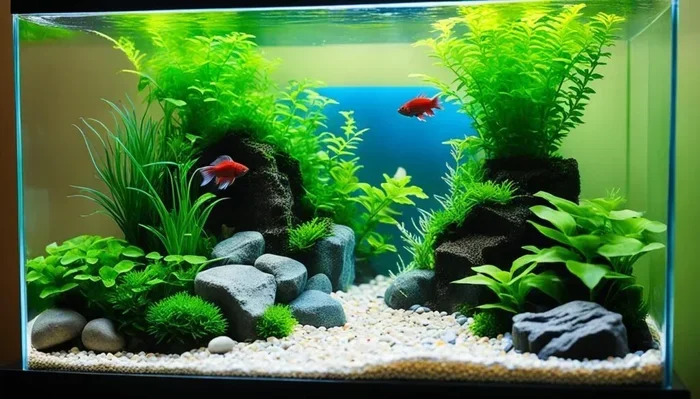
Bettas love places to hide and explore. Add live or silk plants, caves, and driftwood to create a natural-looking environment. Avoid sharp decorations that can tear their delicate fins. Live plants also help improve water quality by absorbing nitrates.
When it comes to tank mates, bettas can be selective. Avoid keeping two male bettas together. Some peaceful species like snails, ghost shrimp, or small Corydoras catfish can coexist with bettas in a community tank. Always monitor interactions closely when introducing new fish.
Water Quality and Maintenance
Clean water is the single most important factor in betta health. Poor water quality leads to stress, disease, and a shortened lifespan. Understanding how to manage your tank water is essential for any betta owner.
Understanding Water Parameters
Bettas do best in specific water conditions. Here are the ideal ranges to target:
- Temperature: 76°F to 82°F (24°C to 28°C)
- pH Level: 6.5 to 7.5 (slightly acidic to neutral)
- Ammonia: 0 ppm (parts per million)
- Nitrite: 0 ppm
- Nitrate: Below 20 ppm
Testing your water regularly with a liquid test kit helps you catch problems before they become serious. API and Seachem make reliable test kits that are easy to use.
How to Condition and Prepare Water
Tap water contains chlorine and chloramine, both of which are harmful to fish. Always treat your water with a water conditioner before adding it to the tank. A conditioner neutralizes these chemicals and makes the water safe for your betta.
For detailed instructions on this process, read our article on how to condition tap water for betta fish. It covers exactly what products to use and how much to add based on your tank size.
How Often to Change the Water
Regular water changes are one of the most impactful things you can do for your betta. In a 5-gallon tank, aim to change 25 to 30 percent of the water every week. This removes accumulated nitrates and refreshes essential minerals.
Use a gravel vacuum to clean the substrate while you remove old water. This simple tool pulls debris and waste from the bottom of the tank without disturbing your fish. For a complete guide on this process, visit our page on how to do a water change for betta fish.
Tank Cycling Explained
Cycling your tank means establishing beneficial bacteria that break down harmful ammonia and nitrite. This process should be completed before you add your betta. A fully cycled tank creates a stable environment that supports long-term fish health. Cycling typically takes 4 to 6 weeks and involves testing water parameters regularly until ammonia and nitrite levels read zero.
Feeding Your Betta Fish
Feeding your betta the right diet is one of the most enjoyable parts of fishkeeping. Bettas are carnivorous by nature and need protein-rich food to stay healthy and display their best colors.
What to Feed Your Betta
A high-quality betta pellet should form the foundation of your fish’s diet. Look for pellets where the first ingredient is whole fish or fish meal, not fillers like corn or wheat. These pellets provide balanced nutrition and are easy to portion.
Supplement their diet with occasional treats such as:
- Freeze-dried bloodworms
- Brine shrimp
- Daphnia
- Live or frozen mosquito larvae
Treats should make up no more than 10 percent of the total diet. Offer them once or twice a week as a special addition.
How Much and How Often to Feed
Overfeeding is one of the most common mistakes betta owners make. Feed your betta 2 to 3 pellets twice a day. Watch your fish eat and remove any uneaten food after 5 minutes. Excess food decomposes in the water and raises ammonia levels, which can make your fish sick.
It is also perfectly fine to skip one feeding day per week. This gives your betta’s digestive system a break and can help prevent constipation. Many experienced fishkeepers follow this practice and see noticeable improvements in their fish’s health and energy.
Keeping Your Betta Healthy
Even with the best care, bettas can sometimes fall ill. Knowing the signs of common health problems and how to respond quickly can make all the difference.
Common Betta Fish Diseases
Here are the most frequently seen health issues in bettas:
- Fin Rot: Frayed or discolored fins caused by bacterial or fungal infection. Often linked to poor water quality.
- Ich (White Spot Disease): Small white spots on the body and fins caused by a parasitic infection. Usually triggered by temperature changes or stress.
- Swim Bladder Disease: Difficulty maintaining buoyancy, often caused by overfeeding or constipation.
- Fungal Infections: Cotton-like growths on the body or fins, typically secondary to another health issue.
Prevention Is the Best Medicine
The best way to keep your betta healthy is prevention. Maintain clean water, feed a balanced diet, and keep the temperature stable. Stress is the leading cause of disease in bettas, so avoid sudden changes in their environment.
If your fish does show signs of illness, act quickly. Isolate the affected fish in a quarantine tank and research the specific symptoms. For detailed guidance on treating sick bettas, our article on how to care for sick betta fish provides practical steps and treatment options.
When to See a Specialist
Most common betta diseases can be treated at home with medication available at pet stores. However, if your fish does not improve within a week of treatment, consider consulting a fish veterinarian or a knowledgeable aquarium specialist. Early intervention is always better than waiting until a condition worsens.
Common Mistakes to Avoid
Even well-meaning betta owners can make mistakes that impact their fish’s health. Being aware of these pitfalls helps you avoid them from the start.
- Keeping a betta in a bowl smaller than 1 gallon: This is the most harmful mistake. Small bowls lack filtration and heating, leading to unstable water conditions.
- Overfeeding: Excess food pollutes the water and causes digestive problems.
- Skipping water changes: Even with a filter, waste builds up over time and needs to be physically removed.
- Using untreated tap water: Chlorine and chloramine are toxic to fish and must be neutralized before adding water to the tank.
- Placing the tank in direct sunlight: This causes temperature fluctuations and promotes algae growth.
- Ignoring signs of illness: Catching disease early gives your fish the best chance of recovery.
By avoiding these common errors, you set your betta up for a long, healthy, and vibrant life. Remember, proper betta care does not have to be complicated. Consistent, small efforts make the biggest difference.
Quick Tips for a Thriving Betta
Here is a quick reference list of best practices to keep in mind every day:
- Check the water temperature daily with your thermometer.
- Remove any uneaten food within 5 minutes of feeding.
- Perform a 25 percent water change every week.
- Test water parameters at least once a month.
- Observe your betta’s behavior and appearance for any changes.
- Keep the tank lights on for 8 to 10 hours per day, not 24/7.
- Clean the glass and filter sponge as needed.
These simple habits take only a few minutes each day but pay off enormously in your betta’s overall well-being. Consistency is the secret ingredient in successful fishkeeping.
Learning how to best care for betta fish is a rewarding journey. Every time you test the water, feed your fish, or clean the tank, you are building a stronger bond with your pet. Your betta will reward you with brilliant colors, lively behavior, and years of companionship.
Start with the basics, stay consistent, and never stop learning. Your betta deserves the best, and now you have the knowledge to provide it. Enjoy the process and celebrate every little milestone along the way.
Frequently Asked Questions
What is the best tank size for a betta fish?
A 5-gallon tank is the minimum recommended size for a single betta fish. This gives your fish enough room to swim and explore while keeping water parameters stable. Larger tanks, such as 10 gallons, are even better because they are easier to maintain and provide a healthier environment for your betta.
How often should I change my betta fish water?
In a 5-gallon tank, you should change about 25 to 30 percent of the water every week. Weekly water changes remove built-up nitrates and refresh essential minerals. Always use treated water that has been conditioned to remove chlorine and chloramine before adding it to the tank.
Can betta fish live with other fish?
Yes, bettas can sometimes live with peaceful tank mates like snails, ghost shrimp, or small Corydoras catfish. However, you should never keep two male bettas together, as they will fight aggressively. Always monitor new introductions closely and have a backup plan if aggression occurs.
What do betta fish eat?
Bettas are carnivores and need protein-rich food. A high-quality betta pellet should be their staple diet. You can supplement with occasional treats like freeze-dried bloodworms, brine shrimp, or daphnia. Avoid overfeeding, as this can lead to health problems and poor water quality.
How can I tell if my betta fish is sick?
Common signs of illness in bettas include clamped fins, loss of color, white spots on the body, difficulty swimming, or loss of appetite. If you notice any of these symptoms, test your water parameters first, as poor water quality is the most common cause of disease. Isolate the fish and research treatment options promptly.
Why is my betta fish hiding or not moving much?
A betta that hides frequently or appears lethargic may be stressed or unwell. Common causes include incorrect water temperature, poor water quality, illness, or boredom with their environment. Check your tank conditions first and make adjustments as needed. If the behavior persists, consider consulting a fish health specialist.
=== CONCLUSION ===
Caring for a betta fish is a wonderful experience that goes far beyond simply feeding them once a day. When you invest the time to learn how to best care for betta fish, you create a thriving environment where your fish can truly flourish. From choosing the right tank size and maintaining clean water to providing a nutritious diet and watching for signs of illness, every step matters.
Remember, consistency is key. Small daily efforts add up to a big impact on your betta’s health and happiness. Avoid the common mistakes that trip up new owners, and always be willing to learn and improve your approach. Your betta will thank you with vibrant colors, energetic swimming, and years of companionship.
Now that you have the knowledge and tools to provide excellent care, it is time to put it all into practice. Your betta fish deserves the best, and you are now fully equipped to give it. Enjoy every moment of this rewarding journey as a betta fish owner.