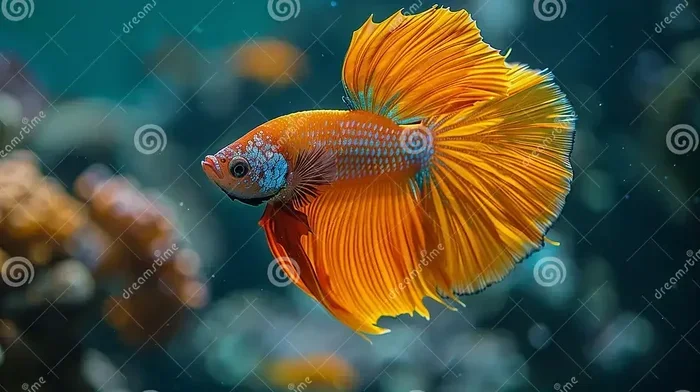
Are Betta Fish Aggressive to Goldfish
Betta fish can be aggressive toward goldfish, especially when space is limited or water conditions aren’t ideal. By understanding their natural behaviors, providing ample hiding spots, and monitoring water quality, you can often keep them together safely—but it’s not guaranteed. Read on for a step‑by‑step guide to decide if your tank is a good match.
Key Takeaways
- Temperament matters: Male bettas are typically more territorial than females.
- Size & water temperature: Goldfish need cooler water; bettas thrive in warmer ranges.
- Tank size is critical: A minimum of 20 gallons per betta‑goldfish combo reduces stress.
- Plants and décor: Live plants and plenty of visual barriers help keep peace.
- Watch for signs: Flaring fins, rapid breathing, and torn fins indicate aggression.
- Alternative solutions: A divided tank or a separate display can be safer.
- Research first: Learn each species’ needs before mixing; see our article on Can You Keep Goldfish With Betta Fish for more details.
📑 Table of Contents
- Introduction: The Betta‑Goldfish Question
- 1. Understanding Betta Aggression
- 2. Goldfish Needs: Temperature, Size, and Behavior
- 3. When Can Betta and Goldfish Coexist?
- 4. Practical Tips for a Peaceful Community Tank
- 5. Alternatives: Separate Tanks or Different Species
- Conclusion: Decide Based on Science, Not Aesthetics
Introduction: The Betta‑Goldfish Question
Ever watched a bright‑colored betta flare its fins and wondered if that drama could spill over to a goldfish roommate? You’re not alone. Many hobbyists love the idea of a vibrant betta sharing a tank with the classic orange goldfish, but the reality can be tricky.
Both fish are popular for beginners, yet they come from very different worlds. Betta fish (also called Siamese fighting fish) are native to warm, slow‑moving waterways in Southeast Asia, while goldfish hail from cooler, temperate streams in East Asia. Their temperature preferences, swimming habits, and social instincts often clash.
1. Understanding Betta Aggression
Why are male betta fish so aggressive?
Male bettas guard a territory and use their long, flowing fins as visual weapons. When another fish looks like a rival—especially a fish with bright colors or long fins—the betta may flare, chase, or even bite. This instinct is explained in depth in our piece Why Are Male Betta Fish So Aggressive.
Visual guide about Are Betta Fish Aggressive to Goldfish
Image source: scrio.co.jp
Female bettas and aggression
Females are generally less territorial, but they can still act defensively if the tank feels cramped. If you’re planning a community tank, a female betta is often the safer bet.
Betta aggression vs. other species
Betta fish can see the fins of goldfish as a threat, especially if the goldfish has long, flowing tails. The betta’s instinct to protect its “space” can trigger a showdown.
2. Goldfish Needs: Temperature, Size, and Behavior
Ideal water temperature
Goldfish thrive in water that stays between 65‑75 °F (18‑24 °C). Betta fish, on the other hand, prefer 78‑80 °F (25‑27 °C). Trying to keep both species in the same temperature range forces a compromise that often leaves one fish uncomfortable.
Visual guide about Are Betta Fish Aggressive to Goldfish
Image source: wallpapers.com
Space requirements
Goldfish are messy eaters and produce a lot of waste. A single goldfish needs at least 20 gallons, and each additional goldfish adds another 10‑15 gallons. Betta fish can live in as little as 2‑5 gallons, but when sharing a tank, you must meet the goldfish’s larger volume needs.
Swimming patterns
Goldfish are active swimmers that love open water. Betta fish, especially males, prefer to hover near the surface and hide among plants. This difference can cause stress if the tank is too small or lacks vertical space.
3. When Can Betta and Goldfish Coexist?
Ideal tank setup
If you’re determined to try, follow these guidelines:
- Tank size: Minimum 30 gallons for one betta and one goldfish; larger is better.
- Temperature: Keep the water around 74‑76 °F (23‑24 °C), a compromise that most goldfish tolerate and most bettas can survive in.
- Filtration: Strong, but gentle flow. Goldfish produce heavy bioload, so a robust filter is essential.
- Plants and décor: Use live plants like Java fern, Anubias, or floating lettuce to create visual barriers. Add driftwood or smooth rocks for the betta to claim.
- Lighting: Moderate lighting that mimics a natural day/night cycle helps reduce stress for both species.
Choosing the right betta
Pick a calm‑tempered betta—often a female or a “peaceful” male from a reputable breeder. Avoid bettas with excessively long or flowing tails (e.g., veil or delta tails) because they attract more attention from goldfish.
Monitoring behavior
Watch for these warning signs:
- Flaring or puffed‑up fins from the betta.
- Goldfish nipping at the betta’s fins.
- Rapid breathing or loss of appetite in either fish.
- Fin damage or missing pieces.
If any of these appear, be ready to separate the fish immediately.
4. Practical Tips for a Peaceful Community Tank
Gradual introduction
Never drop a betta into a goldfish‑filled tank. Instead, acclimate both fish side‑by‑side in separate containers within the same room for at least an hour. Then, use a “divided tank” method: a clear acrylic barrier lets them see each other without contact for a few days.
Feeding strategies
Goldfish are bottom‑feeders that love pellets, while bettas prefer floating foods like brine shrimp or betta pellets. Feed them at opposite ends of the tank to avoid competition. For more on feeding, see Can You Feed Goldfish Food To Betta Fish.
Water quality maintenance
Test the water weekly for ammonia, nitrite, and nitrate. Perform 25‑30% water changes every week to keep the environment clean. Use a water conditioner that removes chlorine and chloramines.
When to use a tank divider
If aggression spikes, a permanent acrylic or mesh divider can give each fish its own zone while sharing the same filtration system. This is a low‑cost way to keep both species alive without a full separation.
5. Alternatives: Separate Tanks or Different Species
Separate display tanks
Many hobbyists find that keeping bettas and goldfish in separate tanks is the simplest solution. A 5‑gallon betta tank paired with a 20‑gallon goldfish bowl provides each species with ideal conditions.
Other community fish options
If you love community tanks, consider species that share similar temperature and temperament, such as small rasboras, guppies, or dwarf corydoras. These fish are less likely to trigger a betta’s territorial response.
Conclusion: Decide Based on Science, Not Aesthetics
Betta fish can be aggressive to goldfish, but the outcome depends on tank size, water temperature, individual temperaments, and how you set up the environment. If you can meet the goldfish’s larger space and cooler temperature needs, and you choose a calm betta, a peaceful coexistence is possible—though never guaranteed.
Always prioritize the health and happiness of both fish. When in doubt, keep them separate and enjoy each species in its ideal habitat. For more detailed guidance on community setups, check out our article Can You Keep Betta Fish With Goldfish.
Frequently Asked Questions
Can a male betta live with a goldfish?
It’s possible, but risky. Male bettas are highly territorial and may attack a goldfish, especially if the tank is small or the goldfish has long fins.
Do female bettas get along better with goldfish?
Female bettas are generally less aggressive, making them a better match. Still, you need plenty of space and hiding spots to reduce stress.
What temperature should I set for a betta‑goldfish tank?
Aim for 74‑76 °F (23‑24 °C), a compromise that most goldfish tolerate and most bettas can survive in, though it’s not ideal for either species.
How many gallons are needed for a betta and a goldfish together?
At least 30 gallons total. More space reduces territorial behavior and helps maintain water quality for the goldfish’s higher waste output.
What are the signs that my betta is stressed?
Frequent fin flaring, loss of color, rapid breathing, and refusing food are common indicators of stress.
Is it better to keep a betta in a divided tank with a goldfish?
Yes, a clear divider lets both fish see each other without contact, allowing you to monitor behavior and prevent injuries while sharing filtration.