How to Properly Mate Betta Fish
Breeding betta fish properly requires patience, the right setup, and careful attention to water conditions and fish health. This guide walks you through everything from choosing a healthy breeding pair to raising betta fry. You will learn proven methods for successful betta fish mating that both beginners and experienced fish keepers can follow with confidence.
Breeding betta fish is one of the most rewarding experiences a fish keeper can have. But it is not as simple as dropping a male and female together and hoping for the best. Proper betta fish mating requires preparation, patience, and a solid understanding of your fish’s needs. This guide will show you exactly how to do it right.
Whether you are a complete beginner or someone who has kept bettas for years, you will find practical tips here that actually work. We cover everything from picking the right pair to raising healthy betta fry. Let us dive into the world of betta fish breeding together.
Key Takeaways
- Choose healthy males and females: A strong breeding pair starts with selecting fish that are vibrant, active, and free of disease.
- Set up a proper breeding tank: The right aquarium conditions including temperature, water quality, and hiding spots make all the difference.
- Watch for courtship behaviors: Understanding how bettas display before mating helps you know the process is working naturally.
- Care for betta eggs and fry: Once eggs are laid, proper handling and feeding ensure the babies survive and thrive.
- Maintain water quality throughout: Clean, warm, and stable water is the foundation of successful betta fish breeding.
- Separate the male after breeding: Removing the male once fry are free-swimming prevents aggression and protects the young.
📑 Table of Contents
Understanding Betta Fish Mating Basics
Before you start, it helps to understand what happens during betta fish mating. Bettas are bubble nesters. This means the male builds a nest of bubbles at the surface of the water. The female releases eggs, the male fertilizes them, and he places the eggs gently into the bubble nest. The whole process is fascinating to watch when things go well.
Not all bettas will mate easily. Stress, poor water conditions, or unhealthy fish can completely stop the process. That is why preparation is so important. You need to create an environment that makes both fish feel safe and ready to breed.
Male vs Female Betta Fish Roles
In betta fish mating, the male and female have very different roles. The male builds the bubble nest, courts the female, and guards the eggs after they are laid. The female releases the eggs for the male to fertilize. Understanding these roles helps you set up the tank correctly and know what to expect during each stage.
The male betta is usually more colorful and has longer fins. The female tends to be smaller with a duller color. She also has a small white spot called an ovipositor near her belly, which becomes more visible when she is ready to breed. Knowing these differences helps you pick the right pair.
How to Choose a Healthy Breeding Pair
Selecting the right fish is the most important step in betta fish breeding. A weak or sick pair will not produce healthy offspring. Take your time with this step and do not rush it.
Signs of a Healthy Male
Look for a male betta that is bright in color, has flowing fins, and swims actively. His fins should not be torn or clamped close to his body. A healthy male will build a strong bubble nest when conditions are right. He should also show interest in other fish around him, especially females.
Avoid males that look pale, lethargic, or have white spots on their body. These could be signs of betta fish health problems like ich or fungal infections. If the male is not in top shape, the breeding process will likely fail.
Signs of a Healthy Female
A healthy female betta should have a round belly, which means she is carrying eggs. Her color does not need to be as bright as the male’s, but she should still look vibrant and alert. Look for the ovipositor, that tiny white tube near her underside.
It is also important to choose a female that is not too young or too old. How to tell the age of a female betta fish matters a lot for breeding success. Females between four and twelve months old tend to breed the best. If you are unsure about her age, check out our guide on determining female betta age.
Setting Up the Perfect Breeding Tank
The breeding tank setup is where many people make mistakes. You cannot just use any tank and expect betta fish mating to work. The environment needs to be calm, clean, and warm.
Tank Size and Setup
A breeding tank should be at least five gallons. It does not need to be huge, but it should be tall enough for a bubble nest to form near the surface. Fill the tank with about five to six inches of water. This keeps the water calm and makes it easier for the male to maintain his nest.
Add a few floating plants or a spawning mop. These give the female places to hide during courtship. They also give the eggs something to attach to after they are released. Keep the tank bare on the bottom. No gravel or decorations that could hurt the eggs or the fry.
If you are not sure how to set up a tank properly, our article on how to set up a fish tank for betta fish covers all the basics in detail.
Water Temperature and Conditions
Water temperature is critical for betta fish breeding. Keep the water between 78 and 82 degrees Fahrenheit. This warm temperature encourages the fish to mate and helps the eggs develop properly. A small heater with a thermostat works great for this.
The water should be soft and slightly acidic. A pH between 6.5 and 7.0 is ideal. Use a sponge filter on the lowest setting to keep the water clean without creating too much flow. Strong currents can destroy a bubble nest, which defeats the whole purpose.
Before adding your breeding pair, make sure the water is fully cycled. Ammonia and nitrite levels should be at zero. Nitrate should be below 20 ppm. If you need help with water preparation, check out our guide on how to prepare water for a betta fish.
Introducing the Breeding Pair
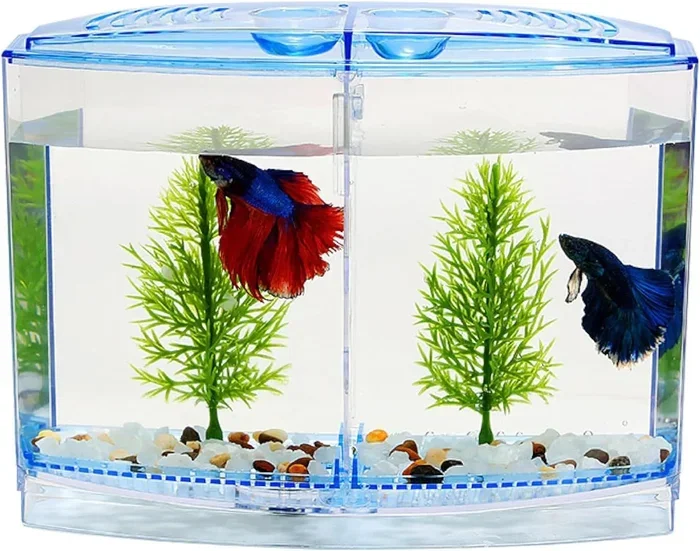
Start by placing the male and female in separate containers within the same tank. This lets them see each other without direct contact. After one or two days, if both fish look healthy and interested, you can release the female into the breeding tank.
Watch closely during this time. The male will start building or reinforcing his bubble nest. He may flare his fins and chase the female a little. This is normal courtship behavior. However, if the male becomes too aggressive and starts biting the female’s fins, separate them immediately.
The Courtship and Mating Process
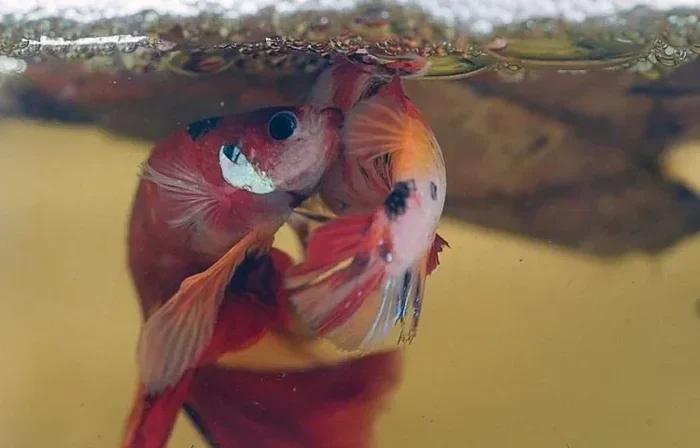
Betta fish courtship is a beautiful process to observe. The male wraps his body around the female in a behavior called a “nuptial embrace.” During this embrace, the female releases eggs and the male fertilizes them. This can happen several times over a few hours.
After each embrace, the male will collect the eggs and place them into his bubble nest. The female may appear limp or tired after releasing eggs. This is normal. Once she has released all her eggs, remove her from the tank carefully. The male will guard the eggs and take care of them on his own.
The entire courtship process can take anywhere from a few hours to a couple of days. Do not rush it. Let the fish set the pace. If you interfere too much, you could stress both fish and ruin the process.
What to Do After Eggs Are Laid
Once the female is removed, the male will focus on the bubble nest. He will patch any eggs that fall out and keep the nest intact. Do not disturb the tank during this time. Keep the lights dim and avoid making sudden movements near the tank.
The eggs will hatch in about 24 to 48 hours. At this point, the fry will still be attached to the nest and absorbing their yolk sacs. The male will continue to guard them and pick up any eggs that fall. Leave him in the tank for now.
Caring for Betta Fry
Once the fry are free-swimming, usually three to five days after hatching, it is time to change your approach. The male betta will start to see the fry as food and may eat them. You must remove him from the tank as soon as the fry are swimming freely.
Feeding Newborn Betta Fry
Newly hatched betta fry are extremely tiny. They cannot eat regular fish food. For the first few days, feed them infusoria or liquid fry food. After about a week, you can introduce baby brine shrimp. These are small enough for the fry to eat and packed with nutrients.
Feed the fry small amounts two to three times a day. Remove any uneaten food immediately to keep the water clean. Dirty water is one of the biggest killers of betta fry, so maintaining water quality is essential.
Growing and Developing Betta Fry
As the fry grow, you can gradually increase the size of their food. By the time they are two weeks old, they can eat finely crushed betta pellets. Watch their colors start to develop around four weeks of age. Some fry may show their true color earlier, while others take more time.
Keep the water temperature stable and warm. Fluctuations can stress young fish and slow their growth. If you want to know more about keeping your bettas warm, our article on how to keep your betta fish warm has great tips for maintaining consistent temperatures.
Separating Fry by Size
As the fry grow, some will become bigger than others. The larger fry may bully or even eat the smaller ones. To prevent this, separate the fry by size into different containers once they reach about one month old. This ensures all the fish get enough food and grow properly.
By the time the fry are two to three months old, they will start to look like miniature adult bettas. At this point, you can begin preparing them for their own individual tanks. Each male fry will eventually need its own space since bettas are territorial by nature.
Common Mistakes to Avoid When Breeding Bettas
Even experienced fish keepers make mistakes when breeding bettas. Here are some common errors to watch out for.
- Skipping the conditioning phase: Feeding the breeding pair high-quality food for one to two weeks before introducing them greatly improves success rates.
- Using a tank that is too large: A huge tank creates too much water flow and makes it hard for the male to maintain the bubble nest. Keep it small and manageable.
- Leaving the female in too long: The male may harm the female if she stays too long after all the eggs are released. Remove her promptly.
- Disturbing the bubble nest: Avoid tapping on the tank or making sudden changes during the egg-guarding period.
- Feeding fry the wrong food: Newborn fry need tiny food like infusoria. Regular flakes or pellets are too big for them to eat.
- Ignoring water quality: Dirty water leads to infections and death. Test your water parameters regularly and perform small water changes as needed.
Quick Tips for Successful Betta Fish Mating
Here are some quick tips to keep in mind throughout the process:
- Always quarantine your breeding pair for two weeks before introducing them to the breeding tank.
- Use a dim light or floating plants to reduce stress and make the fish feel secure.
- Keep the water temperature stable with a reliable heater.
- Do not attempt to breed bettas younger than four months old.
- Have a separate grow-out tank ready before the fry hatch.
- Be patient. Not every breeding attempt will be successful, and that is okay.
For more information on overall betta care that supports breeding success, take a look at our article on how to properly take care of betta fish. Good general care practices make all the difference when it comes time to breed.
Conclusion
Properly mating betta fish is a process that rewards patience and careful preparation. From choosing a healthy pair to setting up the right tank and caring for the fry, every step matters. Follow the guidelines in this guide and you will give your bettas the best chance of a successful breeding experience.
Remember that not every attempt will go perfectly. Even seasoned breeders face challenges sometimes. What matters is that you learn from each experience and keep improving your methods. The more you practice and observe, the better you will become at raising healthy betta fish from egg to adult.
Start with the basics, stay consistent with your water quality and feeding routine, and enjoy the incredible journey of bringing new life into your aquarium. Happy breeding!
Frequently Asked Questions
How long does it take for betta fish to mate?
The actual mating process, from introduction to egg release, usually takes a few hours to a couple of days. However, the entire process including courtship, egg laying, and hatching can take up to a week. Patience is key during this time.
Can you breed betta fish in a community tank?
No, breeding bettas should always be done in a separate breeding tank. Community tanks are too risky because other fish may eat the eggs or harm the breeding pair. A dedicated breeding tank gives the best results and keeps everyone safe.
How many eggs does a female betta fish lay at once?
A healthy female betta can lay anywhere from 30 to 100 eggs in a single spawning session. The exact number depends on her age, health, and size. Not all eggs will hatch, but a good breeding pair can produce a healthy batch of fry.
Why did my male betta eat the eggs?
Sometimes male bettas eat their own eggs, especially if they are inexperienced or stressed. This can happen if the tank is too bright, the water conditions are poor, or the male feels threatened. Using a dimly lit tank and keeping disturbances to a minimum helps prevent this behavior.
When should I remove the male betta from the breeding tank?
Remove the male betta once the fry are free-swimming, which is typically three to five days after hatching. At this point, the male may start seeing the fry as food. Transfer him carefully to a separate tank to protect the young fish.
What should I feed betta fry in the first week?
In the first week, feed betta fry infusoria or liquid fry food. These are small enough for their tiny mouths. After the first week, you can introduce baby brine shrimp as a protein-rich next step in their diet.