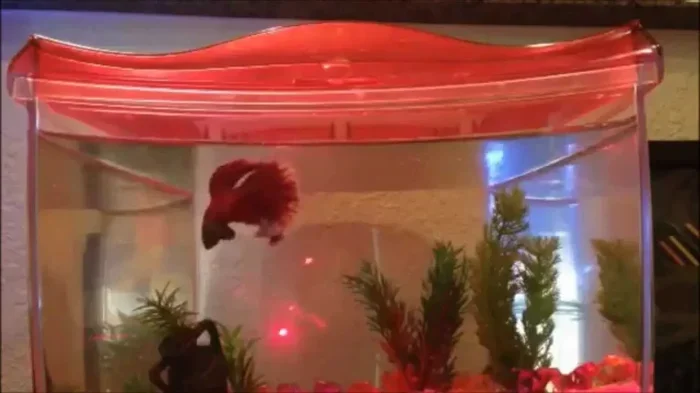
How Quickly Does a Betta Fish Grow
So how quickly does a betta fish grow? A betta fish grows rapidly in the first few months, reaching near-adult size within 6 to 8 months. Most bettas reach their full size of about 2.5 to 3 inches by around 8 months old, though growth can continue slowly for up to a year. Understanding the growth timeline helps you provide the right care at every stage.
If you have a betta fish or are thinking about getting one, you might wonder how quickly does a betta fish grow. The answer is more exciting than you might think. Betta fish go from tiny, fragile fry to full-sized adults in just a few months. Watching a betta grow is one of the most rewarding parts of fish keeping.
How quickly does a betta fish grow depends on several factors. These include diet, water quality, tank size, and genetics. In this guide, we will walk you through every stage of betta fish growth. You will learn what to expect, how to support healthy development, and what mistakes to avoid.
Whether you are a new betta owner or have had fish for years, this article covers everything you need to know about betta fish growth rate. Let us dive in.
Key Takeaways
- Fast early growth: Betta fish grow the most during their first 3 to 4 months of life.
- Full size by 8 months: Most bettas reach their maximum length of 2.5 to 3 inches within 8 months.
- Diet matters a lot: High-quality food and proper feeding frequency directly impact growth speed.
- Tank size plays a role: A larger, well-maintained tank supports healthier and faster growth.
- Water quality is critical: Clean, warm water helps bettas grow without stress or disease.
- Genetics matter: Some bettas naturally grow faster or larger based on their lineage.
- Growth slows after 6 months: The rapid growth phase ends, and size gains become minimal.
📑 Table of Contents
How Quickly Does a Betta Fish Grow in the First Weeks
The first few weeks of a betta fish’s life are all about rapid change. Baby bettas, also called fry, are incredibly tiny. When they first hatch, they are smaller than a grain of rice. But they grow surprisingly fast during this early window.
Week 1 to Week 2: The Tiny Beginning
During the first two weeks, betta fry rely on their yolk sac for nutrition. They do not need to eat on their own yet. By the end of week two, they start swimming freely and looking for food. At this point, they are still very small and delicate.
Week 3 to Week 4: The First Growth Spurt
By week three, betta fry start eating baby brine shrimp or micro worms. This is when betta fish growth kicks into high gear. You may notice visible changes almost every day. Their colors might start to show, and their fins begin to develop.
Here is what to expect during this phase:
- Fry grow from about 3mm to around 10mm in length.
- Fins start to form and become more visible.
- Color patterns begin to appear on the body.
- They become more active and responsive.
Quick Tip: Feed fry small amounts multiple times a day. Their stomachs are tiny, so frequent small meals work best.
Betta Fish Growth Stages and Timeline
Understanding the betta fish growth stages helps you know what to expect at every age. Below is a general timeline that most bettas follow. Keep in mind that individual fish may vary based on care and genetics.
Stage 1: Fry (0 to 4 Weeks)
During this stage, bettas are tiny and fragile. They grow from less than 5mm to about 15mm. Their bodies are transparent at first, and you can see their internal organs. This is the most delicate time in a betta’s life.
Stage 2: Juvenile (1 to 3 Months)
This is when how quickly does a betta fish grow becomes really obvious. By one month old, your betta is about 1 to 1.5 inches long. By three months, it can reach 2 inches or more. The fins grow longer, and colors become more vibrant.
During the juvenile stage, bettas start showing their personality. They become more curious and interactive. This is also when you can start to tell if you have a male or female based on fin length and body shape.
Stage 3: Sub-Adult (3 to 6 Months)
From three to six months, bettas continue to fill out. Their body becomes broader, and the fins become more dramatic. Males develop long, flowing fins during this period. By six months, most bettas are close to their full adult size.
If you want to know more about how big bettas can get, check out our guide on how big does a betta fish get.
Stage 4: Adult (6 to 12 Months)
By six to eight months, most bettas have reached their full size. Growth slows down significantly after this point. Adult bettas typically measure between 2.5 and 3 inches in length. Some may continue to fill out slightly for up to a year.
| Age | Average Size | Growth Phase |
|---|---|---|
| 0 to 2 Weeks | 3mm to 10mm | Fry (rapid development) |
| 2 to 4 Weeks | 10mm to 15mm | Fry (first growth spurt) |
| 1 Month | 1 to 1.5 inches | Juvenile |
| 3 Months | 2 to 2.5 inches | Juvenile to Sub-Adult |
| 6 Months | 2.5 to 3 inches | Near Full Size |
| 8 to 12 Months | 2.5 to 3 inches | Adult (growth slows) |
Quick Tip: Track your betta’s size every few weeks. Use a ruler or compare it to objects in the tank. This helps you spot any growth issues early.
What Affects How Fast a Betta Fish Grows
Not all bettas grow at the same speed. Several key factors influence the betta fish growth rate. Understanding these factors helps you create the best environment for your fish.
Diet and Nutrition
Food is the biggest factor in how fast a betta grows. A protein-rich diet supports rapid and healthy growth. Betta fish are carnivores by nature, so they need meat-based foods.
Here are the best food options for growing bettas:
- High-quality betta pellets: These should be the staple of their diet.
- Bloodworms: Great as a treat and growth booster.
- Brine shrimp: Excellent for fry and young bettas.
- Daphnia: Helps with digestion and provides extra nutrients.
Feed your betta 2 to 3 times a day in small amounts. Overfeeding can lead to health problems and poor water quality. For more on feeding schedules, see our article on how often does a betta fish eat.
Tank Size and Environment
Many people underestimate the importance of tank size. A small, cramped tank can stunt a betta’s growth. Fish need space to swim and explore, and this directly affects their development.
A tank of at least 5 gallons is recommended for a single betta. Larger tanks provide more stable water parameters, which reduces stress. Stress is one of the biggest growth blockers for betta fish.
For more details on the right tank size, check out our guide on how much space does a betta fish really need.
Water Quality and Temperature
Clean water is essential for healthy growth. Ammonia and nitrite levels should always be at zero. Nitrate levels should stay below 20 ppm. Regular water changes keep the environment safe and promote steady growth.
Temperature also plays a big role. Betta fish thrive in water between 78 and 80 degrees Fahrenheit. Too cold, and their metabolism slows down. Too hot, and they become stressed. Use a reliable heater and thermometer to maintain stable conditions.
Genetics
Just like people, bettas inherit traits from their parents. Some bettas are genetically predisposed to grow faster and larger. Others may naturally stay smaller. You cannot change genetics, but you can optimize everything else to help your fish reach its full potential.
How to Support Healthy Betta Fish Growth
Now that you know the factors, here is how you can actively support your betta’s growth. These tips are simple but make a big difference.
- Feed a balanced diet. Combine pellets with live or frozen foods for variety and nutrition.
- Keep the tank clean. Perform partial water changes every week. This removes toxins and keeps the environment healthy.
- Maintain proper temperature. Use a heater to keep the water in the ideal range of 78 to 80 degrees Fahrenheit.
- Provide hiding spots. Plants and decorations reduce stress and make your betta feel safe.
- Avoid overcrowding. Keep only one betta per tank unless you have a carefully divided tank setup.
- Monitor growth regularly. Track size changes and watch for any signs of stunted growth or illness.
If you want to give your betta the best possible start, consider learning how to make betta fish grow faster with proven techniques.
Quick Tips for Faster Growth
- Offer variety in diet to ensure all nutritional needs are met.
- Keep water parameters stable and within safe ranges.
- Avoid sudden temperature changes in the tank.
- Use a gentle filter to prevent strong currents that stress your fish.
- Handle your betta as little as possible to reduce stress.
Common Growth Myths About Betta Fish
There is a lot of misinformation out there about betta fish growth. Let us clear up some of the most common myths.
Myth 1: Betta Fish Stay Small Because of Their Tank
Many people believe bettas stay small because they live in small bowls. This is not entirely true. Bettas can grow to their full genetic size regardless of tank size. However, poor conditions in a small tank can lead to health issues that affect overall well-being.
Myth 2: All Betta Fish Grow to the Same Size
Not true. There is natural variation among bettas. Some will reach 3 inches, while others stay closer to 2 inches. Genetics, diet, and care all play a role in the final size.
Myth 3: You Can Force a Betta to Grow Faster with Food
While good nutrition supports healthy growth, you cannot force a betta to grow faster than its genetics allow. Overfeeding actually causes more harm than good. It leads to obesity, poor water quality, and health problems.
Expert Insight: Patience is key when raising betta fish. Growth takes time, and rushing the process with overfeeding or poor conditions will only hurt your fish.
When Do Betta Fish Stop Growing
Most bettas stop growing significantly by around 8 to 12 months of age. By this point, they have reached their full adult size. However, some slow filling out may continue for another few months.
The rapid growth phase happens during the first 3 to 6 months. This is when you will see the most dramatic changes in size and appearance. After 6 months, growth becomes much slower and harder to notice.
If your betta seems to stop growing before 6 months, check the water quality and diet first. These are the most common culprits for delayed growth. Also, consider the fish’s age. Some bettas sold in stores are already a few months old, so they may appear fully grown sooner than expected.
For more information about betta lifespan and how it relates to growth, read our article on how long does a betta fish live.
Signs Your Betta Is Growing Properly
Here are signs that your betta is on track with its growth:
- Steady increase in body length over weeks and months.
- Fins becoming longer and more elaborate.
- Colors becoming more vivid and defined.
- Good appetite and active behavior.
- No signs of illness such as clamped fins or loss of color.
Signs of Stunted Growth
Watch for these warning signs that something may be wrong:
- No visible size increase over several weeks.
- Thin or emaciated body shape despite regular feeding.
- Dull or fading colors.
- Lethargy or lack of appetite.
- Fins not developing properly.
If you notice any of these signs, test your water parameters and review your feeding routine. Sometimes a simple change makes all the difference.
Final Thoughts on Betta Fish Growth
How quickly does a betta fish grow is a question with a fascinating answer. From tiny fry to full-sized adults in just a few months, bettas grow at an impressive rate. The key to supporting that growth lies in proper nutrition, clean water, adequate tank size, and a stress-free environment.
Remember that every betta is different. Genetics play a role, and some fish will naturally grow faster than others. Focus on providing the best care you can, and your betta will thrive.
Enjoy watching your betta grow. It is one of the most rewarding experiences in fish keeping. And now that you understand the growth timeline, you are better equipped to give your betta the care it deserves at every stage.
Frequently Asked Questions
How big do betta fish get when fully grown?
Most betta fish reach a full size of 2.5 to 3 inches in length. Some may grow slightly larger depending on genetics and care. This is typically achieved by around 8 months of age.
How fast do betta fish grow in the first month?
Betta fish grow very quickly in the first month. They can go from a few millimeters as fry to about 1 to 1.5 inches long. This rapid growth is driven by their high metabolism and nutritional needs.
Can a betta fish’s growth be stunted?
Yes, poor water quality, inadequate diet, and small tank sizes can stunt a betta’s growth. Stress and illness also play a role. Providing proper care helps prevent stunted growth.
What should I feed my betta to support healthy growth?
Feed your betta a protein-rich diet including high-quality pellets, bloodworms, brine shrimp, and daphnia. Offer small amounts 2 to 3 times a day for the best results.
Do male and female betta fish grow at the same rate?
Males and females generally grow at a similar rate in the early months. However, males tend to develop longer fins and may appear larger overall as they mature. Females often stay slightly more compact.
Is it normal for a betta fish to stop growing before 6 months?
Some bettas may appear to stop growing early if they were already a few months old when purchased. Check water parameters and diet first. If everything looks good, your fish may simply have reached its genetic size potential.