Is Fishing Better When It Rains Discover the Truth
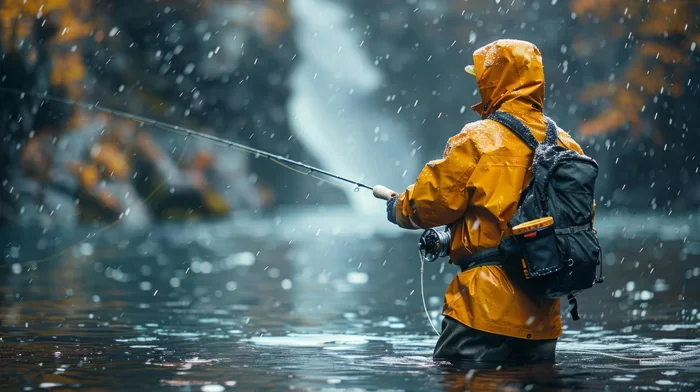
Is fishing better when it rains? The short answer is yes, but it depends on the situation. Rain can boost oxygen levels and wash insects into the water, triggering a feeding frenzy. However, safety and fish behavior matter just as much as the weather.
Is fishing better when it rains? Many anglers ask this question every season. Some swear by the rain, while others pack up at the first drop. The truth lies somewhere in the middle. Rain changes the water, the air, and the fish behavior. If you know what to look for, you can turn a gloomy day into a great catch.
Fishing in the rain can feel different from a sunny day. The water gets stirred up. The surface gets noisy. Fish may feel safer coming close to shore. But rain also brings risks. Cold drops can chill the water. Heavy storms can make it dangerous. Understanding these factors helps you decide when to stay and when to go home.
In this guide, we will explore why rain affects fish, what kinds of rain work best, and how to adjust your approach. You will also learn safety tips and common mistakes to avoid. By the end, you will know how to make the most of wet weather fishing.
Key Takeaways
- Rain boosts oxygen: Splashing water increases oxygen, making fish more active.
- Insects attract fish: Raindrops knock bugs into the water, creating easy meals.
- Timing matters: Light rain is often better than heavy storms.
- Safety first: Avoid fishing during lightning or dangerous conditions.
- Gear adjustments: Use darker lures or topwater bait in murky rain water.
- Location changes: Fish may move to shallow areas or near inflows during rain.
- Know when to stop: Cold rain or high winds can shut down the bite.
📑 Table of Contents
Why Is Fishing Better When It Rains in Many Cases
Rain changes the environment in ways that often help fish feed. The first reason is simple. Rain adds oxygen to the water. When raindrops hit the surface, they mix air into the top layer. Fish need oxygen to stay active. More oxygen can mean more movement and more bites.
Rain also brings food. Insects, worms, and plant matter often wash into lakes, rivers, and ponds during a storm. Small fish rush to eat these treats. Bigger fish follow the small fish. This chain reaction can create a feeding window that anglers can use.
Another benefit is cover. Rain noise and ripples can make fish feel less exposed. In clear, calm water, fish may stay deep or hidden. When the surface is disturbed, they may move into shallower areas. That means you may not need to cast as far to find them.
Still, rain is not a magic trigger. Fish are complex. Water temperature, pressure, and species behavior all matter. If the rain is too cold or too heavy, the bite may slow down. The key is to read the conditions and adjust.
Oxygen and Water Movement
Oxygen levels can rise during rain, especially in warm weather. Gentle rain creates surface agitation without cooling the water too much. This can stimulate fish activity. In contrast, a sudden cold downpour may lower the temperature and make fish sluggish.
Water movement also spreads scent and food. Currents from runoff can carry insects and baitfish into new areas. If you fish near inflows, creek mouths, or shallow banks, you may find active fish gathering there.
Food Sources and Feeding Windows
Rain can create short feeding windows. These often happen during the first hour of rain or just after the storm passes. Fish may rise to the surface to grab fallen insects. They may also patrol edges where food collects.
Topwater bait can work well in these moments. So can small lures that mimic insects or wounded baitfish. If the water gets murky, switch to brighter or louder lures. If the water stays clear, natural colors may work better.
Is Fishing Better When It Rains for Different Fish Species
Not all fish react the same way. Some species love the cover and food rain provides. Others prefer stable conditions. Knowing your target species helps you predict their response.
Bass often become more active in rainy conditions. They may move shallow to hunt baitfish and insects. Catfish may also respond well, especially in rivers and murky water. Trout can be trickier. They may feed in light rain, but cold rain can push them deeper. Panfish and bluegill often stay active in ponds when insects fall from the sky.
Saltwater fishing can also improve in certain rain conditions. Light rain may reduce visibility just enough to make fish feel less cautious. But strong winds and heavy runoff can push fish away from shore. Always consider the local environment.
Freshwater Species Behavior
In freshwater, rain often helps predator fish. Bass, pike, and walleye may use the cover to move closer to banks and structure. If you fish near weeds, logs, or drop-offs, you may find them waiting.
For panfish, rain can be a bonus. These fish often hang near the surface and around cover. A small bobber rig with a worm or insect imitation can be very effective when food is falling.
Saltwater and Brackish Water Considerations
In coastal areas, rain can change salinity and water clarity. Light rain may not matter much. Heavy rain can push freshwater into bays and reduce salinity near the shore. Some species may move, while others stay. Watch the tide and runoff. If the water gets too fresh or too muddy, the bite may slow.
When Is Fishing Better When It Rains and When It Is Not
Rain is not always helpful. The type of rain matters a lot. Light, steady rain is often the best. It adds oxygen, creates noise, and brings food without making the water too cold or too rough. Heavy rain can cause problems. It may muddy the water, reduce visibility, and make casting difficult. Cold rain can drop the temperature and slow fish down.
Wind matters too. A rainy day with strong wind can create waves that make fishing hard. It can also push fish into different areas. If the wind is too rough, safety becomes the main concern. Lightning is a hard stop. If you hear thunder, leave the water and seek shelter.
Season also plays a role. In spring and summer, rain may warm or cool the water depending on the air temperature. In fall, rain can lower the temperature quickly. In winter, cold rain may make fishing very slow. Think about the bigger picture before you go.
Light Rain vs Heavy Rain
Light rain often creates the best balance. The surface gets disturbed, but the water stays workable. You can still see your line and control your lure. Heavy rain may cause runoff, swirling water, and unsafe conditions. If the rain is intense, it is usually better to wait.
Temperature and Seasonal Effects
Warm rain in summer can boost activity. Cold rain in spring or fall may reduce it. If the air is warmer than the water, rain may help. If the air is colder, the water may chill quickly. Watch the temperature change and adjust your expectations.
How to Fish Successfully When It Rains
Fishing in the rain works best when you adjust your setup and strategy. Start with safety and comfort. Wear proper rain gear, keep your feet dry, and bring a towel. A dry angler stays focused longer. Next, think about your lure choice and presentation.
If the water gets murky, use lures that create vibration or contrast. Bright colors, spinner blades, and chatterbaits can help fish find your bait. If the water stays clear, natural tones may be better. Topwater lures can be effective when insects are active. Just be ready for sudden bites and quick strikes.
Slow down your retrieve if the temperature drops. Fish may not chase fast lures in cooler water. Work your bait carefully around cover and shallow edges. Pay attention to inflows, banks, and areas where food may collect. These spots often hold active fish during rain.
Gear and Tackle Adjustments
Rain gear is important, but so is your tackle. Keep your hooks sharp. Wet conditions can make some lines feel different. Check your knots before you cast. If you use a boat, make sure your gear is secured and your footing is safe.
Consider carrying a mix of lures. A dark soft plastic, a bright crankbait, and a topwater option give you flexibility. If one approach fails, switch quickly. Rain conditions can change fast, and fish may shift with them.
Best Spots and Techniques
Look for places where food and oxygen gather. Creek mouths, shallow banks, and covered structure are good starting points. In ponds, edges with weeds or overhanging trees can be productive. In rivers, eddies and slower seams may hold fish while the rain runs.
Use shorter casts when the surface is noisy. Fish may be close to you. If you see ripples or bait activity, cast near it. Stay quiet and avoid spooking fish that are already in a feeding mood.
Safety Tips and Common Mistakes to Avoid
Rain fishing can be rewarding, but safety must come first. Lightning is the biggest danger. If you hear thunder, stop immediately. Do not wait for rain to start. If the sky looks unstable, watch the forecast and be ready to leave. Wet rocks, slick banks, and cold water also create hazards. Move carefully and wear shoes with good grip.
Another mistake is assuming rain always helps. Some anglers stay too long in bad conditions. If the water gets too cold, too muddy, or too rough, the bite may stop. It is better to leave early than to force a bad day.
A third mistake is using the wrong lure or speed. Rain can change visibility and fish behavior. If you keep using the same setup that worked yesterday, you may miss opportunities. Adapt your approach to the current water conditions.
Weather Risks and Lightning
Always check the forecast before you head out. If storms are likely, plan a short trip or choose a safer location. Keep an eye on the sky. Dark clouds, distant thunder, or sudden wind shifts can signal trouble. Safety is more important than any catch.
Overconfidence and Poor Preparation
Rain can make anglers feel lucky, but preparation still matters. Bring extra layers, dry clothes, and a plan. Tell someone where you are going. If you fish from a boat, use caution on wet decks. A little planning goes a long way.
Final Thoughts on Is Fishing Better When It Rains
So, is fishing better when it rains? Often it can be, especially with light rain and warm water. The key is to understand why fish respond and when they do not. Rain can add oxygen, bring food, and give fish cover. It can also cool the water, muddy the surface, and create unsafe conditions. Your success depends on reading the day and making smart choices.
If you want to try rainy day fishing, start small. Watch the forecast, pick a safe spot, and bring the right gear. Stay flexible with your lures and retrieve. If the conditions improve, you may find active fish near the shore. If they worsen, be ready to pack up and return later.
Rain does not guarantee a great trip, but it can create excellent opportunities. With a little knowledge and caution, you can turn wet weather into a useful advantage on the water.
Frequently Asked Questions
Does rain make fish bite more often?
Rain can make fish bite more often because it adds oxygen and washes food into the water. However, the effect depends on the temperature, intensity of the rain, and the species you are targeting.
Is fishing better when it rains at night?
Night fishing in the rain can be very good because fish may feel extra cover and move into shallow water. Light rain at night can also reduce visibility, which may make some species less cautious.
What lure works best when it rains?
The best lure depends on water clarity and temperature. In murky water, bright or noisy lures often work well. In clear water, natural colors and smaller bait may be more effective.
Should I stop fishing if it starts thundering?
Yes, you should stop immediately if you hear thunder or see lightning. Move to a safe shelter and wait until the storm passes. Safety always comes first on the water.
Do fish go deeper when it rains?
Sometimes fish stay shallow in the rain, especially if food is falling or the surface provides cover. In cold or heavy rain, they may move deeper or become less active.
Is cold rain bad for fishing?
Cold rain can lower water temperature and slow fish down, especially in spring and fall. It is not always bad, but it often makes fish less eager to chase fast lures.