Betta fish can breed several times a year when conditions are right, but each female usually lays only 20‑30 eggs per spawn. Understanding their natural cycle, water parameters, and feeding schedule helps you plan successful breeding sessions without stressing the fish.
Key Takeaways
- Breeding frequency: In optimal conditions a healthy female can spawn every 4‑6 weeks.
- Seasonal cues: Temperature, daylight length, and diet act as natural triggers for breeding.
- Male role: Males guard the eggs and can breed with multiple females if given time to rest.
- Tank setup: A separate breeding tank with soft water and plants improves success rates.
- Post‑spawn care: Remove parents after hatching to prevent fry predation.
- Health matters: Only breed fish free of disease and with good coloration.
- Record keeping: Track dates, water parameters, and fry counts to refine your breeding schedule.
📑 Table of Contents
- Introduction: Why Betta Breeding Timing Matters
- 1. The Natural Breeding Cycle of Betta Fish
- 2. Key Triggers That Influence Breeding Frequency
- 3. Setting Up the Perfect Breeding Environment
- 4. The Breeding Process Step‑by‑Step
- 5. How Often Can You Repeat the Cycle?
- 6. Common Mistakes and How to Avoid Them
- Conclusion: Mastering the “How Often Betta Fish Breed” Question
Introduction: Why Betta Breeding Timing Matters
Betta fish, also called Siamese fighting fish, are famous for their vivid colors and dramatic flares. Yet many hobbyists wonder, how often betta fish breed and what they need to do to make each spawning successful. The answer isn’t a simple “once a month.” It depends on temperature, daylight, nutrition, and the health of both male and female.
In this article we’ll walk through the natural breeding cycle, break down the factors that speed up or slow down spawning, and give you practical, step‑by‑step tips so you can plan breeding sessions with confidence. Think of this guide as a friendly chat over a cup of tea, where we share stories, mistakes, and proven tricks.
1. The Natural Breeding Cycle of Betta Fish
1.1 How Often Betta Fish Breed in the Wild
In their native Thailand, bettas live in shallow rice paddies and slow‑moving streams. The rainy season raises water temperature to 78‑82°F (25‑28°C) and lengthens daylight to 12–14 hours. Those conditions cue the fish to breed, and females may spawn every 2–4 weeks while the season lasts.
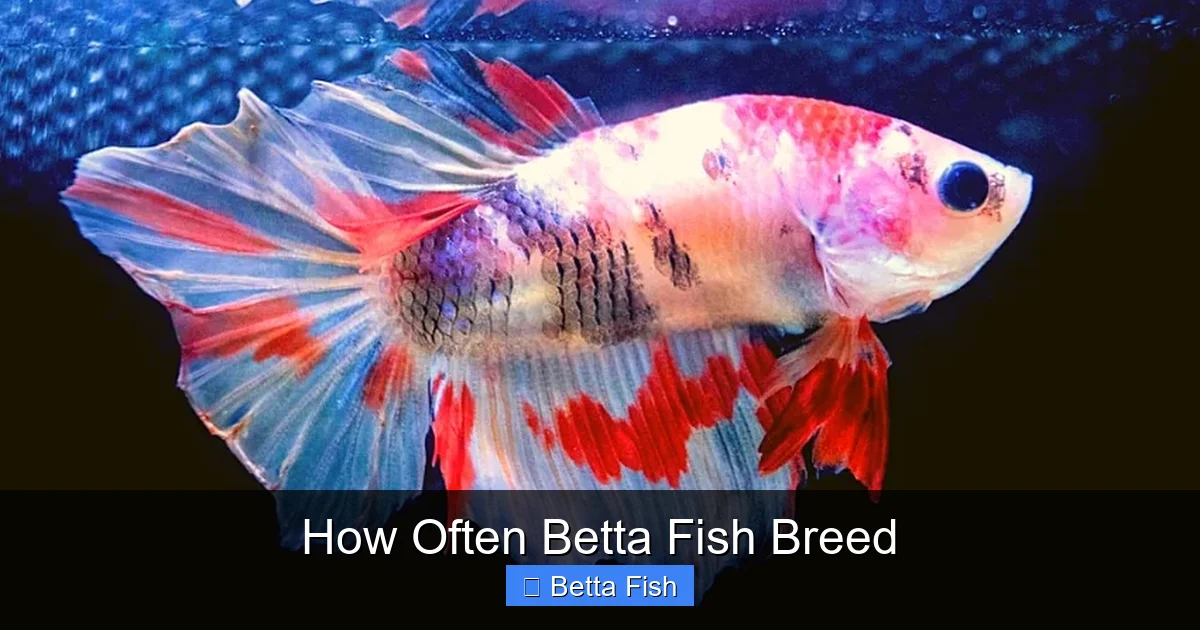
Visual guide about How Often Betta Fish Breed
Image source: infishtank.com
1.2 What “How Often Betta Fish Breed” Means for Home Aquariums
In captivity, you can mimic the rainy‑season cues. Most hobbyists see a female ready to spawn every 4–6 weeks if the water stays warm (around 80°F) and she receives high‑protein meals. After each spawn, a short recovery period of 1–2 weeks is advisable before the next breeding attempt.
2. Key Triggers That Influence Breeding Frequency
2.1 Temperature and Seasonal Lighting
Raise the tank temperature gradually to 80‑82°F and provide 12–14 hours of gentle light each day. A simple aquarium heater and a timer for the LED light do the trick. Consistency is crucial; sudden drops can halt spawning.

Visual guide about How Often Betta Fish Breed
Image source: cdn.amebaowndme.com
2.2 Nutrition: Feeding to Boost Reproduction
High‑protein foods such as brine shrimp, bloodworms, and quality betta pellets stimulate egg production. Feed the pair 2–3 times daily, offering a small portion each time. For more details on feeding schedules, see our guide on how often should u feed betta fish.
2.3 Water Quality and Softness
Soft water (pH 6.0–6.5, GH 3–5) mimics their natural habitat and encourages spawning. Perform regular water changes—about 25% weekly—to keep nitrate levels low. Learn the best routine in how often change betta fish water.
3. Setting Up the Perfect Breeding Environment
3.1 Choosing the Right Tank
A 5‑gal (20‑liter) breeding tank is ideal. It should be covered to prevent the male from jumping, but also have a small opening for airflow.
Visual guide about How Often Betta Fish Breed
Image source: image4.slideserve.com
3.2 Adding Plants and Spawn Traps
Live plants like Java moss or floating duckweed give the male places to guard the eggs. A simple spawn trap (a small cup with a slotted lid) makes egg collection easy.
3.3 Conditioning the Pair
Separate the male and female for a week, feeding them enriched foods daily. This “conditioning” phase readies the female’s ovaries and sharpens the male’s colors.
4. The Breeding Process Step‑by‑Step
4.1 Introducing the Pair
Place the conditioned male in the breeding tank first, then gently add the female using a breeding box. Watch for the male’s flaring and the female’s “quivering” behavior—signs she’s ready.
4.2 Spawning and Egg Laying
When the female is ready, she will deposit 20‑30 eggs on the surface or on plant leaves. The male immediately gathers the eggs into a tight “pup” and begins fanning them with his fins to provide oxygen.
4.3 Post‑Spawn Care
After all eggs are collected, remove the female to avoid accidental egg eating. Keep the water temperature steady and continue gentle fanning. Eggs hatch in 24–36 hours.
4.4 Raising the Fry
Once the fry are free‑swimming (about 3 days post‑hatch), move them to a separate rearing tank with infusoria or microworms. Feed small amounts 3–4 times daily.
5. How Often Can You Repeat the Cycle?
5.1 Female Recovery Time
A healthy female typically needs 1–2 weeks to rebuild her egg supply. For maximum health, aim for a new spawn every 4–6 weeks.
5.2 Male Rest Period
Male bettas can breed more frequently, but they also need a short rest (about 5–7 days) to avoid stress. Over‑breeding can lead to faded colors and reduced vigor.
5.3 Seasonal Adjustments
During colder months, you may notice a natural slowdown. You can maintain a mild breeding schedule by keeping the tank warm, but many breeders choose a “rest” period of 1–2 months.
6. Common Mistakes and How to Avoid Them
6.1 Ignoring Water Parameters
Even small spikes in ammonia can stop spawning. Test water weekly and perform partial changes as needed.
6.2 Over‑Feeding or Under‑Feeding
Both extremes stress the fish. Stick to a balanced feeding routine—2–3 small meals per day.
6.3 Keeping the Pair Together Too Long
After a spawn, keep the male and female separated for at least 7 days. This prevents the male from becoming aggressive and the female from re‑spawning before she’s ready.
Conclusion: Mastering the “How Often Betta Fish Breed” Question
Understanding how often betta fish breed is less about a fixed calendar and more about creating the right environment, nutrition, and recovery periods. By mimicking natural rainy‑season cues, providing soft water, and feeding high‑protein meals, you can expect a healthy female to spawn every 4–6 weeks, with the male ready to guard each batch of eggs.
Remember to track each spawn, keep water pristine, and give both fish time to rest. With patience and careful observation, you’ll enjoy multiple breeding cycles each year and watch a new generation of dazzling bettas flourish.
Frequently Asked Questions
How often can a female betta lay eggs?
A healthy female can lay eggs roughly every 4–6 weeks when temperature, lighting, and diet are optimal.
Do male bettas need a rest period after spawning?
Yes, males benefit from a 5–7 day break to recover stamina and maintain bright coloration.
Can I breed bettas year‑round?
It’s possible if you keep water temperature steady and provide proper lighting, but many breeders give the fish a short “off‑season” each winter.
What water conditions trigger spawning?
Soft water (pH 6.0–6.5), temperature around 80°F, and low nitrate levels are key triggers for spawning.
How many fry should I expect from one spawn?
Typical clutches contain 20–30 eggs, and about 70–80% of them hatch if the male tends them well.
Is it safe to keep multiple breeding pairs in the same tank?
It’s not recommended; each pair needs its own space to prevent aggression and to control water quality.

