Can Betta Fish Be Kept with Love You
Can betta fish be kept with love you? Yes—betta fish can thrive alongside loving companions when you choose the right tank mates and create a peaceful environment. Follow our guide to pick compatible species, set up the tank, and keep the harmony alive.
Key Takeaways
- Temperament matters: Male bettas are territorial, while females are more social.
- Tank size is crucial: Provide at least 10‑20 gallons for mixed communities.
- Choose peaceful mates: Small, non‑fin‑nipping fish like neon tetras or shrimp work best.
- Monitor behavior daily: Early signs of stress help you act before aggression escalates.
- Maintain water quality: Stable parameters keep both bettas and companions healthy.
- Decor and hiding spots: Plant cover and caves reduce stress for all inhabitants.
- Love you, not just “love”: Providing genuine care and observation is the key to success.
📑 Table of Contents
- Introduction: Why the Question “Can Betta Fish Be Kept With Love You?” Matters
- Understanding Betta Temperament
- Choosing the Right Tank Mates
- Setting Up the Ideal Community Tank
- Introducing New Tank Mates: A Step‑by‑Step Guide
- Common Mistakes and How to Avoid Them
- Love You: The Emotional Side of Betta Care
- Conclusion: Embracing the Answer
Introduction: Why the Question “Can Betta Fish Be Kept With Love You?” Matters
If you’ve ever looked into a sparkling aquarium and wondered, can betta fish be kept with love you, you’re not alone. Betta fish, also called Siamese fighting fish, are famous for their vivid colors and dramatic fins. Their reputation for aggression often scares beginners away from community tanks. Yet many hobbyists discover that with the right approach, a betta can share a home with other peaceful creatures—showing that love and understanding truly matter.
In this article we’ll explore the science behind betta behavior, the types of tank mates that get along, and the step‑by‑step setup that lets you answer the question with confidence: yes, you can keep betta fish with love you, as long as you follow proven guidelines.
Understanding Betta Temperament
Male vs. Female Betta Personalities
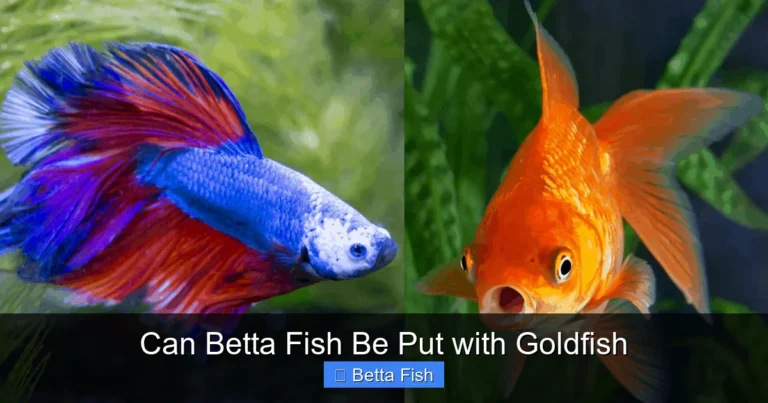
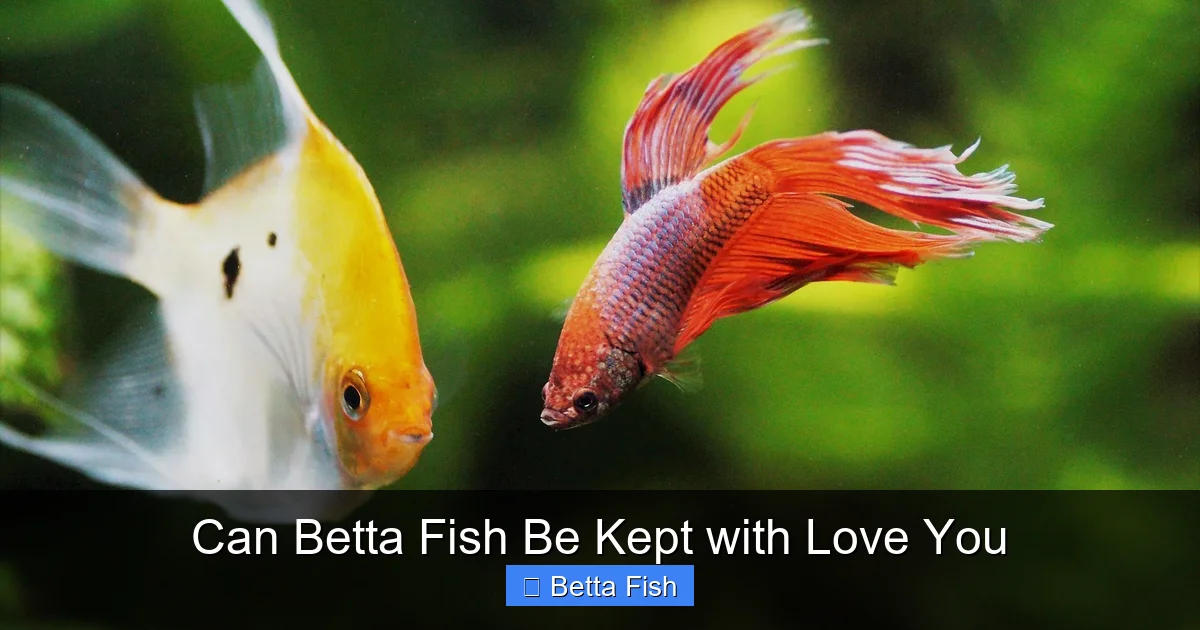
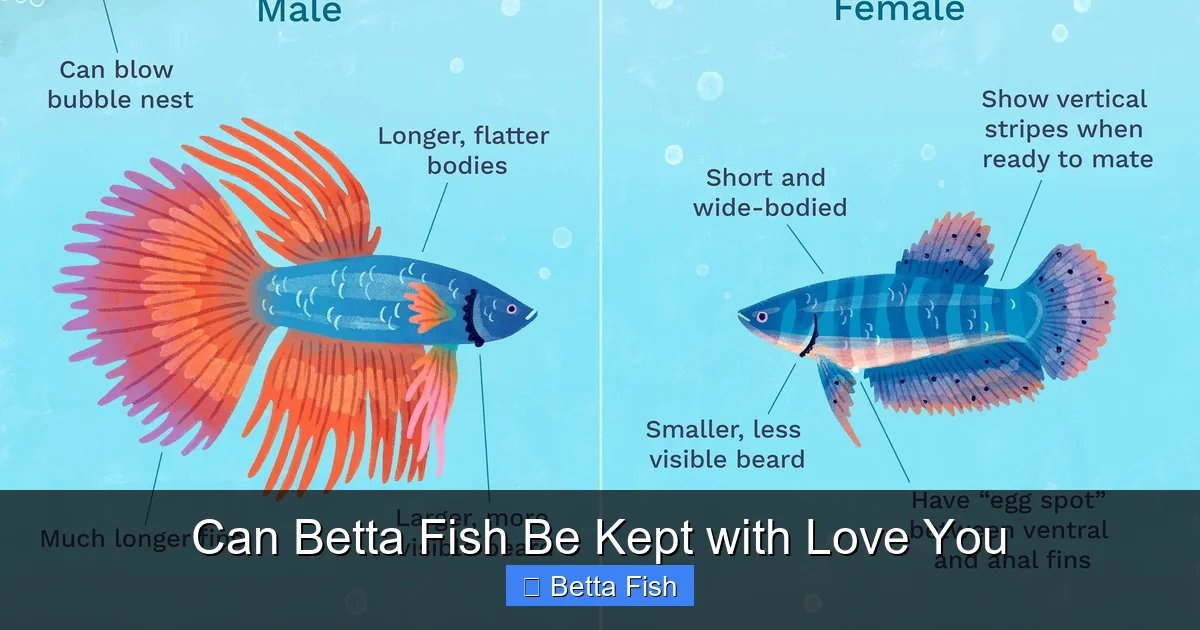
Male bettas are the classic “fighter” many imagine. They guard their space fiercely, especially when another male’s bright colors flash nearby. Female bettas, however, tend to be more communal. In a sorority tank—a group of several females—you’ll see less aggression and more schooling behavior.
Visual guide about Can Betta Fish Be Kept with Love You
Image source: peta.org
What Triggers Aggression?
Triggers include:
- Brightly colored fins that resemble another betta.
- Limited swimming space.
- Insufficient hiding spots.
- Sudden changes in water parameters.
By minimizing these triggers, you create an environment where the answer to “can betta fish be kept with love you” becomes a confident yes.
Choosing the Right Tank Mates
Peaceful Fish That Get Along
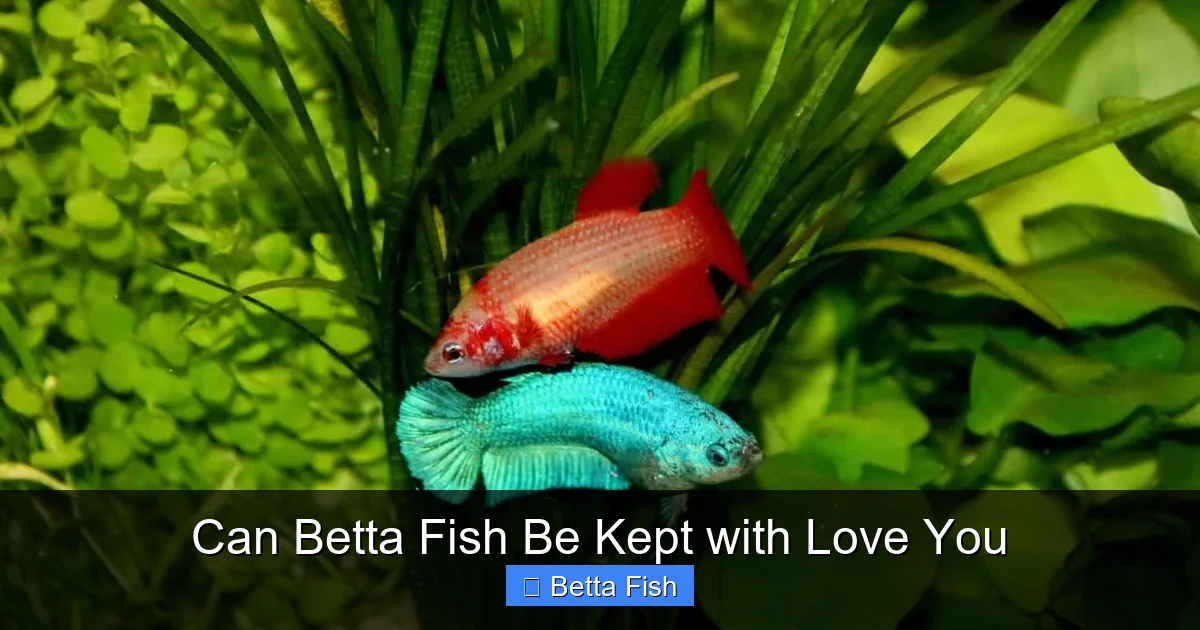
When you ask, can betta fish be kept with love you, the first rule is to pick species that are small, non‑aggressive, and occupy different layers of the tank. Here are top picks:
Visual guide about Can Betta Fish Be Kept with Love You
Image source: a-z-animals.com
- Neon Tetras: Their tiny size and fast swimming keep them out of the betta’s way.
- Harlequin Rasboras: Peaceful schooling fish that add movement without fin‑nipping.
- Guppies (female only): Bright but gentle; avoid males that might flare their fins.
- Corydoras Catfish: Bottom dwellers that never bother a betta.
For a deeper dive into compatible species, see our guide on which fish can be kept with betta.
Aquatic Invertebrates: Shrimp and Snails
Many hobbyists ask, can betta fish be kept with love you when they also love invertebrates. Freshwater shrimp like Cherry or Amano are usually safe because they’re too small to trigger a betta’s aggression and they help clean algae. Snails, such as Nerite or Mystery, are also great cleaners and add texture to the tank.
Read more about shrimp compatibility at Can You Have Shrimp With Betta Fish.
Setting Up the Ideal Community Tank
Tank Size and Layout
Even though bettas can survive in 2‑gallon bowls, a community tank needs room. Aim for at least 10 gallons for a single betta with a few peaceful mates. This space reduces territorial disputes and gives each fish a defined zone.
Visual guide about Can Betta Fish Be Kept with Love You
Image source: thesprucepets.com
Filtration and Water Parameters
Betta fish prefer water temperatures between 76‑82 °F (24‑28 °C) and a pH of 6.5‑7.5. A gentle sponge filter provides surface agitation without a strong current that could stress a betta.
Decor and Hiding Spots
Live plants like Java fern, Anubias, or floating water lettuce create natural barriers. Add caves, driftwood, and smooth rocks to give shy tank mates places to hide. This setup answers the question “can betta fish be kept with love you” by showing that love includes a well‑structured environment.
Introducing New Tank Mates: A Step‑by‑Step Guide
Quarantine First
Always quarantine new fish for 2‑4 weeks. This prevents disease spread and gives you time to observe any aggressive tendencies before they enter the main tank.
Gradual Introduction
Use a clear divider or a breeding box to let the betta see the newcomers without direct contact. Watch for flaring or nipping. After 24‑48 hours of calm behavior, you can lift the barrier and allow gentle interaction.
Monitoring and Adjusting
Spend at least 10 minutes each day watching the tank for signs of stress: faded colors, torn fins, or hiding all day. If problems arise, be ready to re‑home the aggressive fish.
Common Mistakes and How to Avoid Them
Overcrowding the Tank
Putting too many fish in a small space raises stress levels. Remember, the answer to can betta fish be kept with love you is “yes” only when the tank is spacious enough for everyone.
Choosing the Wrong Species
Fin‑nipping fish like tiger barbs or aggressive cichlids will provoke a betta. Stick to the peaceful options listed earlier.
Neglecting Water Quality
Betas are sensitive to ammonia spikes. Perform weekly water changes of 25‑30 % and test parameters regularly.
Love You: The Emotional Side of Betta Care
Building Trust with Your Betta
Spend time near the tank, speak softly, and offer occasional treats like bloodworms. Over weeks, your betta will recognize your presence and become less skittish.
Enrichment Activities
Rotate plants, change décor, and provide floating toys. These changes keep the environment interesting, reducing boredom‑driven aggression.
When “Love You” Means Letting Go
If a betta continually attacks despite best efforts, the kindest choice may be a single‑fish setup. Providing a proper solo environment is also an act of love.
Conclusion: Embracing the Answer
So, can betta fish be kept with love you? Absolutely—when you respect their nature, choose compatible companions, and create a spacious, well‑planted tank. By following the steps outlined above, you’ll enjoy a vibrant community where the betta’s dazzling colors complement, rather than clash with, its tank mates. Remember, love is shown through careful planning, daily observation, and the willingness to adjust when needed. Happy fishkeeping!
Frequently Asked Questions
Can a male betta live with other fish?
Yes, but only with very peaceful, non‑fin‑nipping species in a tank of at least 10 gallons. Monitor for aggression and be ready to separate if needed.
Are female bettas better for community tanks?
Female bettas are generally more sociable and can be kept in sorority groups, making them a good choice for mixed communities.
Can betta fish share a tank with shrimp?
Most bettas ignore shrimp, especially larger or faster‑moving types like Amano shrimp. Keep an eye on early interactions to ensure no nipping occurs.
What tank size is ideal for a betta and tank mates?
A minimum of 10 gallons is recommended for a single betta with a few small fish or invertebrates. Larger tanks provide more stability and less stress.
How often should I change the water in a community betta tank?
Change 25‑30 % of the water weekly, and test ammonia, nitrite, and nitrate levels to keep the environment healthy.
What signs show my betta is stressed?
Look for faded colors, clamped fins, constant hiding, or frequent flaring. Address stressors immediately by checking water quality or adjusting tank mates.