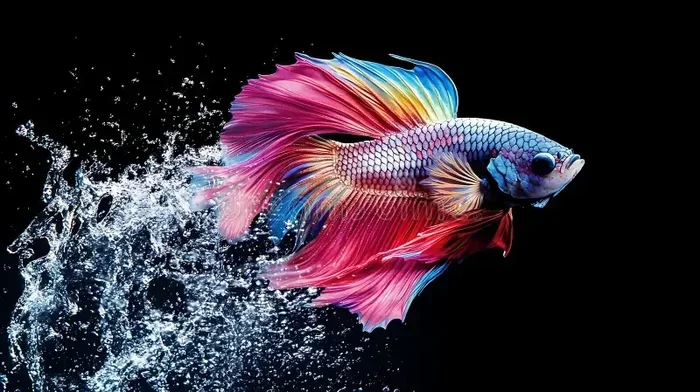
What Can You Put With a Betta Fish for a Happy Tank

Wondering what can you put with a betta fish? Choosing the right companions creates a peaceful tank. This guide covers safe fish, plants, and cleaning crew options. You will learn how to avoid aggression and stress. Build a thriving community aquarium with confidence.
Keeping a betta fish can be a truly rewarding experience. These colorful swimmers bring life and joy to any room. Yet many owners ask one big question. What can you put with a betta fish? The answer is not simple. Bettas have strong personalities. Some love company. Others prefer to swim alone. You must know your fish before adding friends.
A peaceful tank takes planning. You need the right size. You need calm companions. You also need proper plants and decor. This guide walks you through every step. We will cover safe fish choices. We will talk about clean-up crews. We will share water tips too. By the end, you will feel ready to build a happy community tank.
Key Takeaways
- Tank Size Matters: A 20-gallon tank gives everyone enough space to swim safely.
- Avoid Fin Nippers: Skip fish that chase or bite to protect your betta’s delicate fins.
- Choose Calm Companions: Peaceful species like snails and tetras often coexist well.
- Watch Water Conditions: Match temperature and pH needs for all tank residents.
- Add Live Plants: Greenery offers hiding spots and improves water quality naturally.
- Quarantine New Arrivals: Check new fish for disease before adding them to your tank.
- Observe Constantly: Watch behavior daily to catch problems early and act fast.
📑 Table of Contents
- Understanding Betta Fish Behavior and Tank Needs
- Safe Fish Companions for Your Betta
- Invertebrates and Clean-Up Crew Options
- Plants, Decor, and Enrichment for a Community Tank
- Water Conditions and Tank Maintenance for Mixed Species
- Common Mistakes to Avoid When Adding Tank Mates
- Final Thoughts on Building a Peaceful Betta Community
Understanding Betta Fish Behavior and Tank Needs
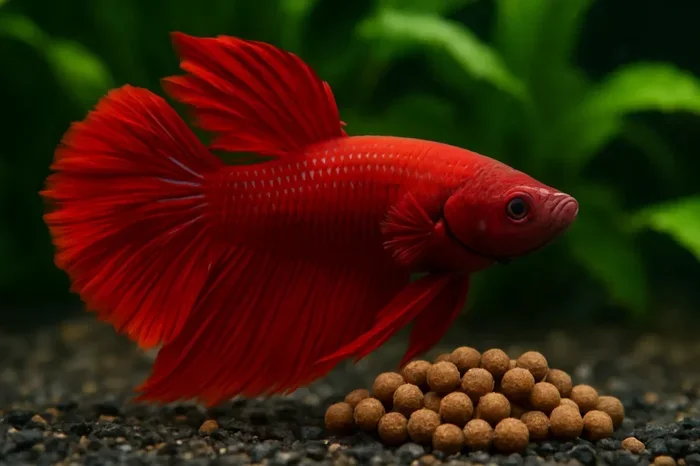
Betta fish are known for their bright colors and flowing fins. They also have a reputation for being territorial. Male bettas often fight with other males. This is why you should never house two males together. Females can sometimes live in groups called sororities. But this requires careful setup and monitoring.
Most bettas do best in warm water. They prefer temperatures between 76 and 82 degrees Fahrenheit. They also like calm water flow. Strong currents can stress them out. A tank with gentle filtration works best. You should also maintain good water quality. Test your water regularly. Clean the tank on a steady schedule.
Before adding any companion, think about your betta’s personality. Some bettas ignore other fish. Others chase anything that moves. If your betta shows aggression, keep it alone. A happy betta is a healthy betta. Peace matters more than numbers.
Why Tank Size Matters for Community Setup
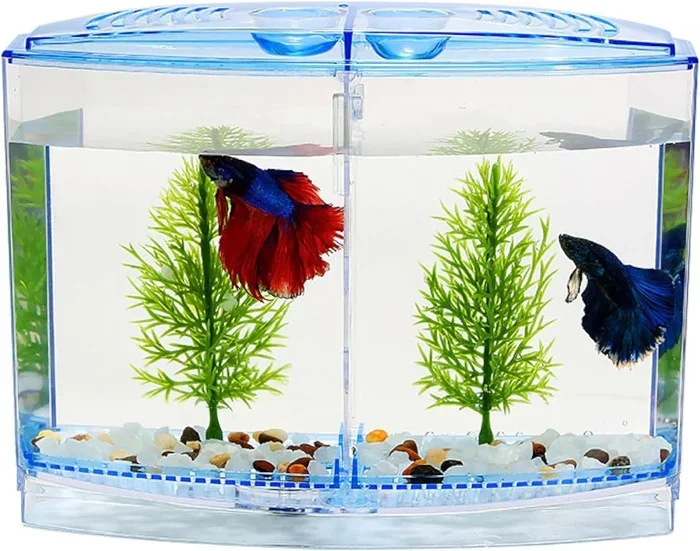
Space is the first rule of community tanks. Small bowls do not work for multiple fish. A 20-gallon tank gives everyone room to spread out. It also helps maintain stable water conditions. Larger volumes hold temperature better. They also dilute waste more effectively.
You should also think about swimming zones. Bettas like the top and middle areas. They often rest near the surface. Other fish may prefer the bottom or sides. This natural separation reduces conflict. It also makes the tank look full and active.
A good rule is one inch of fish per gallon. But this is only a starting point. Behavior matters more than length. A calm small fish may work better than a large active one. Always research each species before buying.
Safe Fish Companions for Your Betta
Choosing the right fish is the biggest step. You want peaceful species that do not flash bright colors. You also want fish that stay out of the betta’s face. Slow swimmers often work well. Small schooling fish can also be good choices.
Here are some safe options to consider:
- Neon Tetras: These small fish swim in groups. They stay in the middle of the tank. Their calm nature usually keeps them safe.
- Corydoras Catfish: These bottom dwellers stay low. They sift through the substrate. They rarely bother top swimmers.
- Harlequin Rasboras: These peaceful fish prefer groups. They have calm behavior and simple care needs.
- White Cloud Mountain Minnows: These hardy fish tolerate cooler water. They work well in smaller community tanks.
- Certain Livebearers: Some peaceful livebearers can work. But avoid flashy fin types that may trigger chasing.
You should always add new fish slowly. Start with one or two companions. Watch the tank for a few weeks. If the betta stays calm, you can add more. If chasing begins, remove the new fish. Patience prevents big problems.
Best Schooling Fish Options
Schooling fish can make a tank feel alive. They move together and create gentle motion. This can distract a betta from aggressive behavior. But you must choose the right species. Small tetras and rasboras often work well. Keep them in groups of six or more. A lone schooling fish feels stressed. A group feels secure.
Water flow also matters for schooling fish. They like steady swimming space. Avoid tight decor that blocks their paths. Open areas help them move naturally. This also gives your betta clear zones to claim.
Bottom Dwellers and Calm Species
Bottom dwellers are often excellent tank mates. They stay near the substrate. They rarely compete for surface space. Corydoras catfish are a popular choice. They are social and peaceful. They also help clean leftover food. Just make sure the substrate is smooth. Sharp gravel can hurt their sensitive bellies.
Other calm species can work too. Some small loaches and peaceful barbs may fit. But always check temperament. Some barbs nip fins. That is a major risk for bettas. When in doubt, choose the calmest option available.
Invertebrates and Clean-Up Crew Options
Not every tank mate is a fish. Invertebrates can be great helpers. They add interest and support tank health. Many of them stay small and quiet. They also rarely trigger aggression. This makes them strong candidates for betta tanks.
Here are some common clean-up crew choices:
- Nerite Snails: These snails eat algae well. They do not breed in freshwater. That makes them easy to manage.
- Mystery Snails: These snails are active and fun to watch. They graze on leftover food. They may need extra food sometimes.
- Amano Shrimp: These shrimp are excellent algae eaters. They stay hidden often. They work best in planted tanks.
- Neocaridina Shrimp: These colorful shrimp can thrive in stable tanks. They breed easily in good conditions. They may need protection from the betta at first.
Shrimp and snails are not magic cleaners. They help, but they do not replace water changes. You still need regular maintenance. Think of them as support crew. They make the tank more balanced. They also add movement and texture.
Snails That Work Well
Snails are some of the safest additions. They move slowly. They do not flash or dart around. This calm behavior often keeps bettas relaxed. Nerite snails are especially useful. They scrape algae from glass and decor. They also leave freshwater behind. That means no surprise babies.
Mystery snails are another favorite. They have personality and charm. They may crawl up the glass. They also explore the substrate. Just keep an eye on their size. Large snails produce more waste. Feed them appropriately. Remove excess food if needed.
Shrimp and Other Invertebrates
Shrimp can be beautiful and useful. Amano shrimp are large enough to avoid most trouble. They hide among plants and rocks. They also eat algae and detritus. Neocaridina shrimp are smaller and more delicate. They can thrive in calm tanks. But a curious betta may investigate them. Provide plenty of hiding spots. Moss and dense plants help a lot.
You should also avoid aggressive invertebrates. Some crabs and larger crustaceans can cause trouble. They may knock over decor or compete for food. Stick to peaceful, small options. That keeps the tank balanced and safe.
Plants, Decor, and Enrichment for a Community Tank
Plants do more than look nice. They create a healthier environment. They absorb waste. They offer shelter. They also reduce stress for shy fish. A planted tank often feels more natural and stable. This helps every resident, including your betta.
You can choose live plants or artificial ones. Live plants bring real benefits. They use light and nutrients to grow. This can improve water quality over time. Artificial plants are easier to maintain. They work well if you are new to planting. Just pick smooth materials. Rough plastic can damage fins.
Best Live Plants for Betta Tanks
Some plants are easy and hardy. Java fern attaches to wood or rock. It does not need rich soil. Anubias is another tough option. It grows slowly and stays compact. Both plants offer nice cover without taking over.
Floating plants can also help. They shade the surface a bit. This can calm a betta that likes bright light. They also give shy fish a place to rest. Just do not cover the whole surface. Your betta still needs access to air.
Safe Decor and Hiding Spots
Decor should be smooth and simple. Sharp edges are a big risk. Bettas have long fins that tear easily. Choose rounded stones and soft wood. Avoid rough caves or jagged ornaments. A simple setup often works best.
Hiding spots matter for all tank residents. They give fish a place to retreat. This lowers stress during conflicts. It also helps new fish settle in. Use plants, pipes, and gentle caves. Keep the layout open enough for swimming. Balance is the key to a happy tank.
Water Conditions and Tank Maintenance for Mixed Species
A community tank needs stable water. Every species has slightly different needs. You must find a middle ground. Warm water usually works for bettas and many tropical fish. Keep the temperature in a safe range. Use a reliable heater. Check it often.
Filtration matters too. The filter should move water gently. Strong flow can tire a betta. It can also stress small companions. A sponge filter or adjustable output works well. You want clear water, not a race track.
Test your water regularly. Watch ammonia, nitrite, and nitrate levels. These rise as fish produce waste. Plants and clean-up crews help, but they do not eliminate the need for care. Partial water changes keep the tank healthy. Replace about twenty-five percent each week. Use treated water that matches the tank temperature.
Feeding Multiple Species Safely
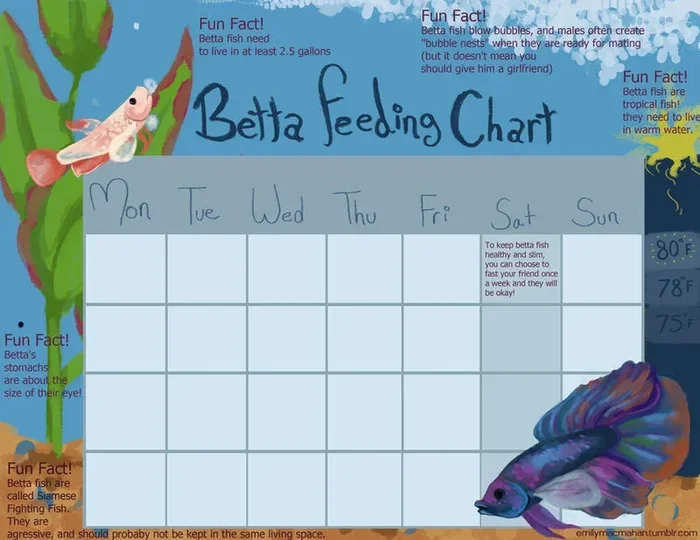
Feeding a mixed tank takes attention. Bettas are surface feeders. Bottom dwellers look for food below. Shrimp and snails graze differently too. You should offer a variety of foods. Sinking pellets help bottom feeders. Floating food suits the betta. Small wafers can work for snails and shrimp.
Do not overfeed. Extra food fouls the water. It also causes health problems. Feed small amounts twice a day. Watch who eats and who does not. If some fish miss out, adjust the feeding method. You can scatter food in different spots. This helps everyone get a share.
Monitoring Health and Behavior
Daily observation is your best tool. Look for clamped fins, hiding, or loss of color. These can signal stress or illness. Also watch for chasing or fin nipping. Early action prevents bigger trouble. If one fish bullies others, separate them. A quarantine tank is very useful for this.
New fish should be quarantined first. This keeps disease out of your main tank. Observe them for a couple of weeks. Check for spots, sores, or strange swimming. Once they seem healthy, introduce them slowly. Float the bag to match temperature. Then release them with care.
Common Mistakes to Avoid When Adding Tank Mates
Many new owners make the same mistakes. The good news is that they are easy to avoid. A little planning goes a long way. Here are the biggest pitfalls to watch for:
- Starting with a tiny tank: Small spaces increase conflict and waste buildup.
- Adding too many fish at once: This shocks the filter and stresses everyone.
- Choosing flashy or fin-nipping fish: Bright colors and fast chasing can trigger aggression.
- Ignoring water temperature needs: Mismatched species may struggle in the same tank.
- Skipping quarantine: New fish can bring illness into a healthy tank.
- Forgetting hiding places: Without cover, shy fish stay stressed.
- Overfeeding the tank: Extra food harms water quality and fish health.
Avoid these errors and you will save time, money, and heartache. A calm setup is always better than a crowded one. Quality matters more than quantity. Your betta will thank you for it.
When to Keep Your Betta Alone
Sometimes the best choice is no companion at all. If your betta attacks every new fish, do not force it. Some bettas are simply solitary. That is normal. A single betta can live a full and happy life. Add plants, decor, and enrichment instead. A well-decorated solo tank can be beautiful.
You can also focus on non-fish additions. Snails and shrimp may still work. They are less likely to trigger aggression. This gives you a lively tank without the risk of chasing. Listen to your fish. Their behavior tells you what they need.
Final Thoughts on Building a Peaceful Betta Community
Creating a community tank is a fun project. It takes patience, research, and observation. You do not need a crowded aquarium to enjoy the hobby. A few well-chosen companions can make the tank feel alive. The right plants and decor add comfort too. Stable water and careful feeding keep everyone healthy.
Remember the main goal. You want a calm home for your betta. That means safe tank mates, gentle flow, and enough space. It also means watching closely and making changes when needed. With the right approach, you can answer the question of what can you put with a betta fish with confidence. Build slowly. Choose wisely. Your tank will become a peaceful underwater world.
Frequently Asked Questions
Can I put two male betta fish together?
No, you should not house two male bettas in the same tank. They are highly territorial and usually fight. This can cause serious injury or death. Keep one male per tank for safety.
What are the safest tank mates for a betta fish?
Peaceful bottom dwellers and small schooling fish are often the safest choices. Snails and shrimp can also work well. Look for calm species that do not nip fins. Always match water needs before adding them.
Can I keep shrimp with a betta fish?
Yes, shrimp can live with a betta in many cases. Amano shrimp are usually a better choice because they are larger. Small shrimp may need dense plants for hiding. Watch closely at first to see how your betta reacts.
Do I need a large tank for community fish?
A larger tank is much easier for community setups. It gives everyone space and keeps water steadier. A 20-gallon tank is a good starting point for several species. Smaller tanks are harder to balance with multiple residents.
Should I add live plants to a betta tank?
Live plants are a great addition for betta tanks. They improve water quality and give fish places to hide. They also make the tank feel more natural. Choose hardy plants if you are new to keeping live greenery.
How do I know if my betta is stressed by tank mates?
Watch for hiding, clamped fins, faded color, or constant chasing. These signs often mean stress or conflict. If the behavior continues, remove the new fish. A calm betta should swim normally and rest without fear.