How Many Times Do You Feed a Male Betta Fish
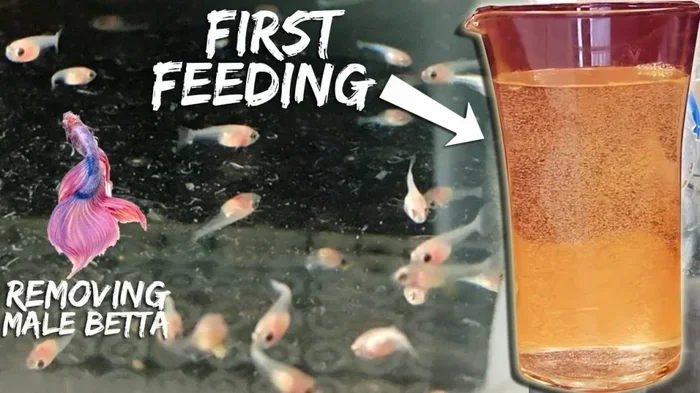
You should feed a male betta fish 1 to 2 times per day with small portions each time. Overfeeding is the most common mistake betta owners make, and it can lead to serious health problems. This guide covers the feeding frequency, portion sizes, best foods, and signs your betta is getting the right nutrition.
Owning a male betta fish is one of the most rewarding experiences for any fish keeper. These colorful creatures have personality, beauty, and a charm that few other pets can match. But here is the thing — feeding them the right way is not as simple as tossing food in the tank whenever you feel like it.
If you have ever wondered how many times do you feed a male betta fish, you are not alone. This is one of the most common questions new betta owners ask. And honestly, the answer is not as straightforward as a single number. It depends on your fish’s age, health, activity level, and the type of food you offer. But do not worry — by the end of this guide, you will have everything you need to get the feeding schedule just right.
Key Takeaways
- Feed 1 to 2 times daily: A consistent schedule keeps your male betta healthy and prevents overeating.
- Small portions matter: Only give what your betta can eat in 2 minutes to avoid leftover food and ammonia buildup.
- Variety is key: Rotate between pellets, frozen, and live foods to provide balanced nutrition.
- Watch for overfeeding signs: Bloating, lethargy, and cloudy water are red flags that mean you need to adjust portions.
- Skip one day a week: A weekly fasting day helps digestion and prevents constipation in bettas.
- Timing matters: Feed your betta at the same times each day to build a reliable routine.
📑 Table of Contents
Why Feeding Frequency Matters for Male Bettas
Male betta fish have a specific metabolism that differs from other tropical fish. They are carnivores by nature, which means their digestive systems are designed to process protein-rich foods in small amounts. Unlike omnivores that can handle larger, more frequent meals, bettas thrive on a controlled feeding routine.
Feeding too much too often can cause a host of problems. Your betta’s stomach is roughly the size of its eye, which gives you a clear picture of how much food is appropriate. When you ignore this, the consequences show up fast — bloating, swim bladder issues, and poor water quality from uneaten food rotting in the tank.
On the flip side, underfeeding is also a concern. A malnourished betta will lose its vibrant colors, become lethargic, and eventually fall ill. So finding the right balance is everything. Let us break down exactly what that balance looks like.
The Ideal Feeding Schedule for Male Bettas
For most adult male bettas, feeding once or twice a day is the sweet spot. Each feeding session should include a small portion — think 2 to 3 pellets or a pinch of flakes. The goal is to give your fish enough to feel satisfied without overloading its tiny digestive system.
Many experienced betta keepers follow a simple rule: feed in the morning and again in the evening, about 12 hours apart. This mimics natural feeding patterns and keeps your betta’s internal clock steady. If you are away from home during the day, a single morning feeding is perfectly fine. Bettas can handle one meal a day without any issues.
Young bettas under six months old may need a slightly different approach. Growing fish require more frequent meals — sometimes three times a day — but with even smaller portions. As your betta matures, you can gradually reduce the frequency to twice daily or once daily, depending on your fish’s appetite and body condition.
If you are still unsure about the exact timing and frequency, check out this detailed guide on how often do you feed a betta fish for more specific scheduling tips.
How Much Food Should You Give Per Feeding?
This is where most betta owners go wrong. The amount of food matters just as much as the frequency. A common mistake is assuming that more food equals a healthier fish. In reality, the opposite is true.
For pellets, the standard recommendation is 2 to 3 pellets per feeding. For flakes, a small pinch — no more than what can dissolve in about two minutes. If there is food left floating or sinking after that time, you have given too much. Remove the excess immediately to keep the water clean.
Here is a quick reference to help you gauge portion sizes:
- Pellets: 2 to 3 small pellets per feeding
- Flakes: A pinch roughly the size of your fish’s eye
- Frozen or live foods: 1 to 2 small pieces, thawed first
- Bloodworms: 1 to 2 worms, no more than twice a week
If you want a deeper dive into portion control, this article on how many pellets to feed a betta fish covers the topic in great detail. It also includes tips on choosing the right pellet size for your specific betta.
Types of Food for Male Bettas
Not all fish food is created equal, especially for a carnivorous species like the betta. The best diet for a male betta includes a mix of different food types to ensure complete nutrition. Here is what works well:
High-Quality Betta Pellets: These are the staple of most betta diets. Look for pellets with a protein content of at least 30% to 40%. Brands specifically formulated for bettas are ideal because they float, which bettas prefer. Sinking pellets often go uneaten and can foul the water.
Frozen or Freeze-Dried Foods: Bloodworms, brine shrimp, and daphnia make excellent treats. They are packed with protein and add variety to your betta’s diet. Always soak freeze-dried foods before feeding to prevent bloating from air intake.
Live Foods: Live brine shrimp or micro worms are the closest thing to a wild diet. Many bettas go absolutely crazy for live food. However, live foods carry a risk of introducing parasites or bacteria into the tank, so source them from reputable suppliers.
Betta Flakes: Flakes work in a pinch but are not as nutritionally dense as pellets. If you use flakes, choose ones designed for tropical carnivores and avoid generic tropical flakes that are mostly filler.
Want to know more about the best feeding practices? This guide on how do you feed a betta fish walks you through the step-by-step process for getting it right every time.
Common Feeding Mistakes to Avoid
Even the most dedicated betta owners make feeding mistakes. The good news is that most of these are easy to fix once you know what they are. Here are the most common errors people make when feeding their male bettas:
Overfeeding: This is the number one killer of pet bettas. A betta will eat until its stomach hurts, which is not a sign of a hungry fish — it is a sign of a problem. Uneaten food decays rapidly in warm water, spiking ammonia levels and stressing your fish. Always err on the side of giving less rather than more.
Feeding at Random Times: Bettas do best with a consistent schedule. Irregular feeding times can disrupt their metabolism and make them anxious. Pick two times each day and stick to them as closely as possible.
Ignoring Fasting Days: Bettas need a break from food once a week. A 24-hour fasting period helps clear the digestive system and prevents constipation. Many owners feel guilty about this, but your betta will actually benefit from it. In the wild, bettas do not eat every single day.
Relying on One Food Type: A diet of only pellets, no matter how high-quality, lacks certain nutrients. Variety keeps your betta healthy, active, and displaying its best colors. Rotate between pellets, frozen foods, and occasional treats throughout the week.
Feeding Too Close to Tank Maintenance: If you are doing a water change or cleaning the tank, avoid feeding right before or during the process. Food gets stirred up and makes cleaning harder. Feed your betta after the tank is clean and the water has settled.
Signs Your Male Betta Is Being Fed Correctly
How do you know if your feeding routine is working? Your betta will tell you if you know what to look for. A well-fed male betta displays specific physical and behavioral signs that indicate good health and proper nutrition.
Vibrant Colors: A healthy betta has bright, vivid colors — deep blues, rich reds, and bold greens. If your fish looks faded or dull, the diet may need adjustment.
Active Behavior: A well-fed betta explores its environment, builds bubble nests, and responds to your presence. Lethargy or hiding can signal that something is off with the feeding routine.
Healthy Appetite: Your betta should show excitement when it is feeding time, swimming to the surface eagerly. If your fish ignores food consistently, it could be a sign of illness or that the food type needs to change.
Regular Waste: This might not sound pleasant, but a betta that is eating the right amount produces firm, dark waste. White or stringy stool can indicate overfeeding or a digestive issue.
Clean Water: If your tank stays clear between water changes, your portions are likely appropriate. Cloudy water soon after feeding usually means you are giving too much food.
For more information on understanding your betta’s eating habits, check out this guide on how much do i feed a betta fish to make sure you are on the right track.
Adjusting the Feeding Schedule as Your Betta Ages
A male betta’s nutritional needs change over its lifetime. What works for a young, growing fish will not be ideal for an older betta. Understanding these changes helps you keep your fish healthy at every stage.
Juvenile Bettas (Under 6 Months): Young bettas grow quickly and need more fuel. Feed them 2 to 3 times a day with small portions. High-protein foods support healthy development during this stage.
Adult Bettas (6 Months to 3 Years): This is the prime stage. Stick to 1 to 2 feedings per day with standard portions. This is when you will see your betta at its most colorful and active.
Senior Bettas (3 Years and Older): Older bettas slow down and may become less interested in food. You can reduce feedings to once a day or even every other day. Monitor their weight and adjust accordingly. If your senior betta starts losing weight, try offering slightly larger portions or more frequent feedings.
Every betta is an individual, so watch your fish closely and adjust as needed. Some male bettas remain active and hearty eaters well into their fifth year, while others slow down earlier.
Quick Tips for Perfect Betta Feeding
Here are some quick, actionable tips to make feeding your male betta simple and effective:
- Feed at the same times every day — morning and evening work best.
- Start with a small portion and wait two minutes. If food remains, remove it.
- Use a feeding ring or tray to keep pellets in one spot and prevent waste.
- Soak freeze-dried foods for a few minutes before offering them to your betta.
- Keep a feeding log to track how much and when you feed — this helps spot patterns and problems early.
- Never feed your betta right before a water change or tank cleaning.
- When in doubt, feed less. A slightly hungry betta is a healthy betta.
Remember that consistency is the foundation of a good feeding routine. Once your betta learns when to expect food, it will become more active and responsive during feeding times. This also makes it easier to monitor how much your fish eats, which is one of the best ways to catch problems early.
Conclusion
Figuring out how many times do you feed a male betta fish does not have to be complicated. Stick to one or two feedings per day, keep portions small, and offer a varied diet. Watch your fish for signs of good health, and do not be afraid to adjust the routine as your betta ages. A well-fed betta is a happy betta, and a happy betta brings endless joy to your home.
The most important takeaway is this: quality over quantity. Your betta does not need a lot of food — it needs the right food at the right times. Follow the tips in this guide, and you will set your male betta up for a long, healthy, and colorful life.
Frequently Asked Questions
Can I feed my male betta fish once a day?
Yes, feeding once a day is perfectly fine for most adult male bettas. Just make sure the portion is enough to satisfy your fish without leaving excess food in the tank. Many betta owners find that one feeding per day works well with their schedule.
What happens if I overfeed my betta fish?
Overfeeding leads to bloating, swim bladder problems, and poor water quality from uneaten food decaying in the tank. Betta fish will happily eat beyond their needs, so it is your job to control portions. If you notice your betta leaving food behind, reduce the amount at the next feeding.
Can I skip a day of feeding my male betta?
Absolutely. Skipping one day a week is actually beneficial for your betta’s digestion. Fasting helps clear the digestive system and prevents constipation. In the wild, bettas do not eat every single day, so a rest day is perfectly natural and healthy.
How do I know if my male betta is hungry?
A hungry betta will swim to the surface eagerly and show excitement when you approach the tank. However, do not mistake begging for actual hunger — bettas learn to associate your presence with food and will always act hungry. Stick to your schedule and portions, and do not feed outside of designated times.
Is it okay to feed my betta only pellets?
Pellets can form the base of a healthy diet, but variety is important for complete nutrition. Supplement pellets with frozen or freeze-dried foods like bloodworms and brine shrimp a few times a week. This keeps your betta interested in food and provides a broader range of nutrients.
How long can a male betta fish go without eating?
A healthy adult male betta can go 10 to 14 days without food in an emergency, though this is not recommended as a regular practice. For planned fasting, a single 24-hour break once a week is ideal and supports healthy digestion.