How Much Is a Betta Fish Supposed to Eat
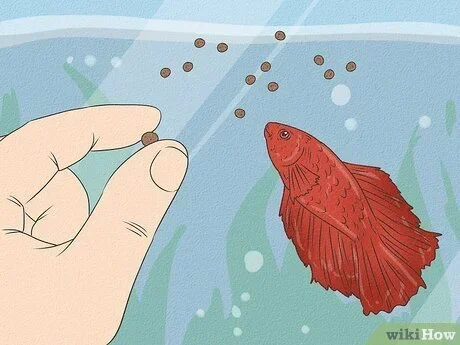
Knowing how much a betta fish is supposed to eat is one of the most important parts of betta care. Overfeeding is the number one mistake new owners make, and it can lead to serious health problems. This guide breaks down exact portion sizes, feeding frequency, and the best food types for your betta. By the end, you will have a clear feeding plan that keeps your fish thriving.
If you own a betta fish, you have probably wondered about the right amount of food. The question of how much is a betta fish supposed to eat comes up more often than you might think. Many new fish owners assume that more food means a happier fish. The truth is quite the opposite. Feeding your betta the correct amount is one of the simplest yet most powerful ways to boost their health and lifespan.
Betta fish are small but they have big appetites. Their tiny stomachs are about the size of their eye, which means they need very small portions. Giving them too much food can cause a range of problems, from bloating to dirty tank water. On the flip side, underfeeding can leave your betta weak and sluggish. Finding the right balance is the key to keeping your fish happy and active.
This guide will walk you through everything you need to know about betta fish feeding amounts. You will learn how much to feed your betta, how often, what foods to choose, and how to spot the signs of overfeeding or underfeeding. Whether you are a complete beginner or a seasoned fish keeper, these tips will help you refine your feeding routine and give your betta the best care possible.
Key Takeaways
- Feed your betta 2-3 times per day with small portions that match the size of their eyeball.
- Overfeeding is dangerous and can cause bloating, constipation, and poor water quality.
- A balanced betta diet includes pellets, frozen foods, and occasional treats like peas.
- Watch for hunger cues and adjust portions based on your fish’s age, size, and activity level.
- Remove uneaten food promptly to keep the tank clean and your betta healthy.
- Follow a consistent feeding schedule to reduce stress and support digestion.
📑 Table of Contents
How Much Should a Betta Fish Eat Per Meal?
The most common question about how much is a betta fish supposed to eat comes down to portion size. A single meal should be tiny. Think about the size of your betta’s eyeball. That is roughly the right amount of food for one feeding. For most bettas, this means two to three pellets per meal, depending on the size of the pellet.
Understanding Portion Sizes
Betta fish have very small stomachs. Their digestive system is designed to process small amounts of food throughout the day. When you give them too much at once, their stomach cannot handle it properly. This leads to bloating, which can cause discomfort and even swim bladder problems.
Here are some general guidelines for portion sizes based on food type:
- Pellets: 2 to 3 small pellets per meal. Choose high-quality pellets that are specifically made for bettas.
- Flakes: A small pinch, about the size of a pea. Flakes can be tricky because they expand in water and may cause bloating if too much is given.
- Frozen or live foods (bloodworms, brine shrimp): 2 to 3 pieces or a small pinch. These are treats and should not make up the bulk of the diet.
- Freeze-dried foods: 1 to 2 pieces. These are calorie-dense, so a little goes a long way.
Pro Tip: When in doubt, start with less. You can always add a tiny bit more if your betta finishes everything quickly. It is much safer to underfeed slightly than to overfeed.
Why Portion Control Matters
Controlling portions is not just about preventing bloating. It also affects your tank water quality. Uneaten food sinks to the bottom and breaks down. This releases ammonia and nitrites into the water, which are harmful to your betta. By giving small portions, you ensure that your fish eats everything and the tank stays clean.
If you want to dive deeper into feeding amounts, check out this detailed guide on how much should a betta fish eat for more specifics.
How Often Should You Feed a Betta Fish?
Feeding frequency is just as important as portion size. Most experts recommend feeding adult bettas twice a day. Some owners prefer three smaller feedings, which can work well too. The key is consistency. Your betta thrives on routine, and a regular feeding schedule helps regulate their digestion and metabolism.
The Twice-a-Day Routine
Feeding your betta once in the morning and once in the evening works well for most fishkeepers. Space the meals about 8 to 12 hours apart. This gives your betta time to digest the food between meals. A consistent schedule also helps you monitor how much your fish is eating each day.
Here is a simple daily feeding schedule you can follow:
- Morning feeding: Give 2 to 3 pellets or a small pinch of flakes. Feed at roughly the same time each day.
- Evening feeding: Offer the same amount. Try to feed at a consistent time in the evening as well.
- Skip one day per week: Many experienced fish keepers recommend skipping one feeding day per week. This helps prevent constipation and gives the digestive system a break.
Feeding Schedule for Different Life Stages
Not all bettas have the same feeding needs. Young bettas, or fry, need to eat more frequently. They should be fed 3 to 4 times a day with very small portions. Baby bettas are growing rapidly and need a steady supply of nutrients. Adult bettas, on the other hand, do well with two meals a day. Senior bettas may eat less and might only need one feeding per day.
If you are unsure about your betta’s age, learning how to tell how old a betta fish is can help you adjust the feeding routine to match their life stage.
Best Foods for Betta Fish
Not all fish foods are created equal. The best diet for your betta mimics what they would eat in the wild. In their natural habitat, bettas are carnivores. They eat small insects, larvae, and tiny crustaceans. A high-protein diet keeps them healthy, colorful, and active.
Staple Foods
The foundation of your betta’s diet should be a quality pellet or wafer food. Look for brands where fish meal or whole ingredients are listed as the first ingredient. Avoid foods that are filled with fillers like wheat or corn. These offer little nutritional value and can cause digestive issues.
Top staple food options include:
- Betta-specific pellets: These are formulated for bettas and sink slowly, which is perfect for their feeding behavior.
- High-quality flakes: Flakes work well but tend to dissolve quickly. Use them in small amounts and remove any uneaten flakes after a few minutes.
- Betta granules: Similar to pellets but smaller. Good for younger or smaller bettas.
Treats and Dietary Variety
Variety is important for a balanced betta diet. Treats should make up no more than 20 to 25 percent of their total food intake. Too many treats can lead to nutritional imbalances and obesity.
Great treat options include:
- Bloodworms: A favorite among bettas. Offer 2 to 3 frozen or freeze-dried bloodworms as a treat. Learn more about feeding bloodworms in our guide on how much to feed a betta fish.
- Brine shrimp: Rich in protein and great for boosting your betta’s appetite and color.
- Daphnia: A small aquatic crustacean that acts as a natural laxative and helps with digestion.
- Mosquito larvae: A natural food source that bettas love. You can often find live mosquito larvae at pet stores.
One of the most useful treats is the humble pea. Frozen or cooked peas can help with constipation. Just remove the shell and give your betta a tiny piece. For a step-by-step guide, read our article on how to feed a pea to a betta fish.
Foods to Avoid
Some foods that are fine for other fish can be harmful to bettas. Avoid feeding your betta the following:
- Goldfish flakes or tropical flakes: These are not formulated for bettas and lack the protein they need.
- Bread or crackers: These have no nutritional value and can expand in the stomach, causing serious bloating.
- Live feeder fish: These can carry diseases and parasites. They also do not provide a balanced diet.
- Human food in general: Most human foods contain salt, oils, and seasonings that are harmful to fish.
Signs of Overfeeding and Underfeeding
One of the biggest challenges in betta care is knowing whether you are feeding the right amount. Both overfeeding and underfeeding come with clear warning signs. Learning to recognize these signs helps you adjust your feeding routine before problems get serious.
Signs Your Betta Is Being Overfed
Overfeeding is the most common mistake betta owners make. The symptoms are often easy to spot if you know what to look for:
- Bloated belly: A visibly swollen or round belly is a classic sign of overfeeding. This is different from a healthy, slightly rounded belly.
- Uneaten food sinking to the bottom: If food is still sitting in the tank after five minutes, you gave too much.
- Cloudy or dirty water: Excess food decays quickly and can cause water parameters to spike.
- Lethargy: An overfed betta may become less active and spend more time resting near the bottom.
- Constipation: If your betta produces long, stringy white feces, it may be constipated from eating too much.
If you notice any of these signs, the first step is to skip a feeding. Give your betta’s digestive system time to process what is already in its stomach. For more information on dealing with related health issues, check out our article on how to help a betta fish that is sick.
Signs Your Betta Is Being Underfed
Underfeeding is less common but still a concern, especially if you are new to betta care. Watch for these signs:
- Weight loss: A visibly thin or bony body shape means your betta is not getting enough food.
- Loss of color: Bettas that are not fed properly may fade in color and look dull.
- Lethargy and weakness: An underfed betta may seem weak and less interested in swimming or exploring.
- Aggressive behavior: Some bettas become more aggressive at feeding time if they are hungry, which is a sign they need more food.
- Slow growth in young fish: Baby and juvenile bettas need regular feeding to grow properly.
If you see signs of underfeeding, gradually increase the portion size or add an extra small feeding. Just be careful not to jump to the other extreme of overfeeding.
Quick Tips for Perfect Portions
Here are some quick tips to help you nail the right feeding amount every time:
- Use a feeding ring: This keeps food in one place so you can see exactly how much your betta eats.
- Set a timer: Remove any uneaten food after 2 to 3 minutes to protect water quality.
- Keep a feeding log: Note down what you feed and how much. This helps you track patterns and adjust as needed.
- Observe your betta: Watch how quickly they eat and whether they seem hungry or satisfied after meals.
How Water Quality Affects Feeding
Feeding and water quality are closely connected. When you overfeed, the uneaten food breaks down and releases harmful substances into the water. This creates a cycle where poor water quality stresses your betta, which affects their appetite and overall health. Keeping the water clean is just as important as getting the food portions right.
Regular water changes and proper filtration play a big role in maintaining a healthy feeding environment. If you want to learn more about keeping your betta’s water in top condition, our guide on how to take care of a betta fish water covers everything you need to know.
The Role of Tank Temperature
Water temperature also affects how your betta digests food. Bettas are tropical fish and thrive in water temperatures between 78 and 80 degrees Fahrenheit. In colder water, their metabolism slows down, and they digest food more slowly. This means you should feed them even less in cooler conditions. In warmer water within the ideal range, their metabolism is faster, and they process food efficiently.
If you do not have a heater, you might want to explore ways to keep the water warm. Check out our tips on how to keep my betta fish warm without a heater for practical solutions.
Common Feeding Mistakes to Avoid
Even experienced betta owners can fall into bad feeding habits. Here are the most common mistakes and how to avoid them:
1. Feeding too much at once. This is the number one mistake. Remember that a betta’s stomach is tiny. Stick to small portions and increase only if your fish finishes everything quickly.
2. Feeding the same food every day. Variety is essential for proper nutrition. Rotate between pellets, frozen foods, and occasional treats to keep your betta healthy and interested in food.
3. Ignoring uneaten food. Leaving food in the tank for more than a few minutes will degrade water quality. Always remove uneaten food promptly with a net or siphon.
4. Feeding on a random schedule. Bettas do best with consistency. Feed them at the same times each day so their body knows when to expect food.
5. Using the wrong type of food. Not all fish foods are suitable for bettas. Always choose foods that are high in protein and specifically formulated for bettas or carnivorous fish.
6. Following the package instructions blindly. Package directions are often designed for fish in large tanks with multiple feeders. A single betta in a small bowl or tank needs much less food than the label suggests.
By avoiding these common pitfalls, you set your betta up for a long, healthy, and happy life. Proper feeding is one of the most impactful things you can do as a betta owner, and it all starts with understanding exactly how much is a betta fish supposed to eat each day.
Conclusion
Feeding your betta fish the right amount does not have to be complicated. The simple rule is small portions, consistent schedule, and high-quality food. Keep each meal to the size of your betta’s eyeball, feed twice a day, and skip one day each week to give their digestion a break. Pay attention to your fish’s behavior and adjust as needed. A well-fed betta is a vibrant, active, and long-living companion.
Remember that every betta is slightly different. Factors like age, size, activity level, and water temperature all play a role in how much they need to eat. Use the guidelines in this article as a starting point and fine-tune based on your individual fish. With the right feeding routine, you will keep your betta healthy and thriving for years to come.
For more betta care tips, explore our other articles on betta fish health, tank setup, and nutrition. Your fish counts on you to make the right choices, and now you have the knowledge to do exactly that.
Frequently Asked Questions
How much should I feed my betta fish per day?
Feed your betta 2 to 3 pellets or a small pinch of flakes per meal, twice a day. This totals about 4 to 6 pellets daily for most adult bettas. Adjust the amount based on how quickly your fish eats and whether any food is left after a few minutes.
Can I feed my betta fish once a day instead of twice?
Yes, once-a-day feeding can work for some bettas, especially if you give a slightly larger portion. However, twice a day is generally better because it mimics their natural eating pattern and provides more consistent energy throughout the day.
What happens if I overfeed my betta fish?
Overfeeding can cause bloating, constipation, and poor water quality. Uneaten food decays in the tank and releases harmful ammonia. Signs of overfeeding include a swollen belly, lethargy, and stringy white feces. If this happens, skip a feeding and give your betta time to recover.
How do I know if my betta is still hungry after eating?
If your betta finishes all the food within a minute or two and still seems active around the feeding area, they may want a tiny bit more. However, always be cautious and resist the urge to add more. Bettas are skilled at begging for food even when they are not truly hungry.
Can I feed my betta fish human food?
It is best to avoid human food entirely. Most human foods contain salt, oils, and seasonings that are harmful to fish. Stick to betta-specific pellets, frozen foods, and occasional treats like peas or bloodworms that are safe for their digestive system.
How often should I skip feeding my betta fish?
Many experienced fish keepers recommend skipping one feeding day per week. This gives your betta’s digestive system a break and helps prevent constipation. If you are ever unsure, a single skipped day is perfectly safe and actually beneficial for most bettas.