Can Betta Fish Live with Otocinclus
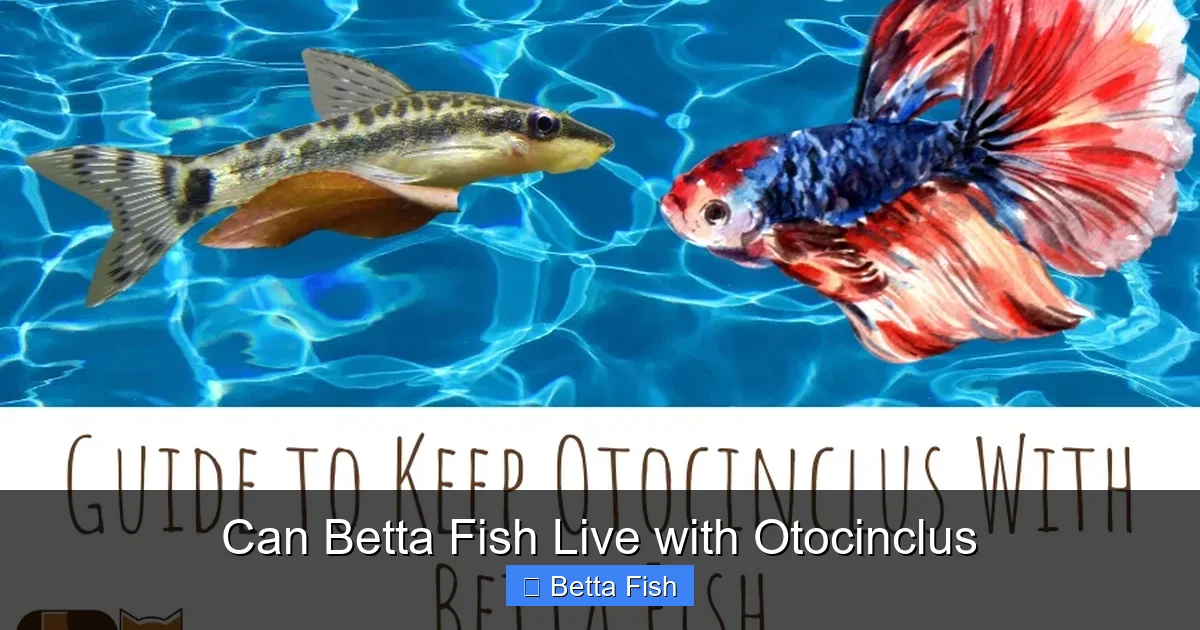
Betta fish and otocinclus can live together successfully in the same tank, making them one of the most compatible freshwater aquarium pairings. Both species share similar water parameter requirements, occupy different areas of the tank, and have generally peaceful temperaments. With proper tank size, careful monitoring, and the right setup, these two species can thrive side by side and even benefit each other.
Key Takeaways
- High Compatibility: Betta fish and otocinclus are considered one of the best tank mate combinations due to their peaceful nature and shared water preferences.
- Tank Size Matters: A minimum of 10 gallons is recommended, though 20 gallons or more provides the best environment for both species to coexist comfortably.
- Different Tank Zones: Bettas prefer the top and middle areas while otocinclus stick to surfaces and the bottom, reducing competition and territorial conflicts.
- Water Parameters: Both species thrive in warm water (76-82°F), slightly acidic to neutral pH (6.5-7.5), and clean, well-filtered conditions.
- Otocinclus Need Groups: Otocinclus are social creatures and should be kept in groups of at least 3-6 to reduce stress and promote natural behavior.
- Monitor Temperament: While most bettas are peaceful, individual temperament varies, so always observe interactions during the first few weeks closely.
- Algae Control Benefit: Otocinclus serve as excellent natural algae eaters, helping keep the tank clean while bettas add color and personality to the upper levels.
📑 Table of Contents
- Can Betta Fish Live with Otocinclus? A Complete Compatibility Guide
- Understanding Betta Fish Temperament and Behavior
- Getting to Know Otocinclus Catfish
- Why Betta Fish and Otocinclus Make Great Tank Mates
- Setting Up the Perfect Tank for Bettas and Otocinclus
- Feeding Your Betta and Otocinclus
- Potential Challenges and How to Overcome Them
- Step-by-Step Guide to Introducing Otocinclus to Your Betta Tank
- Frequently Asked Questions About Bettas and Otocinclus
- Final Thoughts on Keeping Betta Fish with Otocinclus
Can Betta Fish Live with Otocinclus? A Complete Compatibility Guide
If you have ever wondered whether your beautiful betta fish could share a tank with those adorable little algae-eating catfish known as otocinclus, you are not alone. This is one of the most common questions in the freshwater aquarium hobby, and the good news is that the answer is overwhelmingly positive. Betta fish and otocinclus are widely regarded as one of the best tank mate combinations you can create in a home aquarium.
Both of these species bring something wonderful to the tank. Bettas are known for their stunning colors, flowing fins, and big personalities. Otocinclus, often called “otos” or “dwarf suckers,” are tiny, peaceful catfish that work around the clock cleaning algae from glass, plants, and decorations. Together, they create a balanced and visually appealing aquarium that is easier to maintain. But before you rush out to buy a group of otocinclus for your betta tank, there are some important things you need to know to make this pairing work perfectly.
In this comprehensive guide, we will cover everything from water parameters and tank setup to feeding strategies and potential challenges. Whether you are a beginner setting up your first community tank or an experienced aquarist looking for the perfect algae control solution, this article will give you all the information you need to help your betta fish and otocinclus live together in harmony.
Understanding Betta Fish Temperament and Behavior
What Makes Bettas Unique
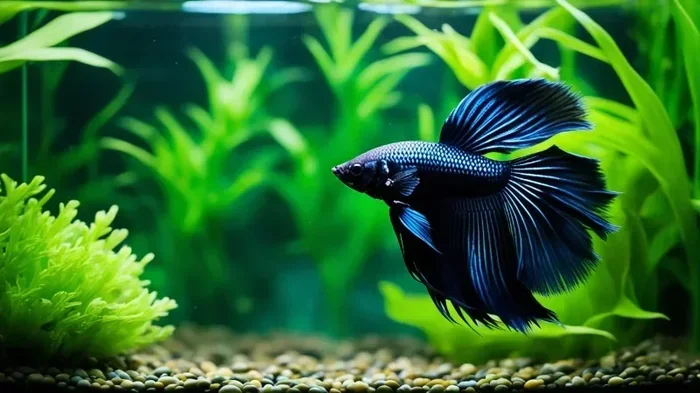
Betta fish, also known as Siamese fighting fish, are one of the most popular freshwater aquarium fish in the world. Native to the shallow rice paddies and slow-moving waters of Southeast Asia, bettas have been bred for centuries for their vibrant colors and dramatic fin displays. Male bettas in particular are known for their territorial nature, which is why they earned the “fighting fish” nickname.

Visual guide about Can Betta Fish Live with Otocinclus
Image source: petshun.com
However, not all bettas are aggressive. Each betta has its own unique personality. Some are laid-back and curious, while others are more feisty and territorial. This individual variation is exactly why compatibility with tank mates can never be guaranteed with 100% certainty. The key is understanding your specific betta’s temperament and choosing tank mates that are unlikely to trigger aggressive behavior.
Why Bettas Can Be Challenging Tank Mates
Bettas can be picky about their roommates for several reasons. First, they are territorial and may see fish with bright colors or long fins as rivals. This is why keeping two male bettas together is almost always a disaster. Second, bettas can be slow-moving fish, especially varieties with long flowing fins like halfmoon or rosetail bettas. Fast, nippy fish can stress them out by constantly darting around the tank. Third, bettas prefer calm water and can become stressed in overly active or crowded environments.
Despite these challenges, bettas can absolutely live with the right companions. The secret is choosing fish that are peaceful, occupy different areas of the tank, and do not resemble another betta. This is where otocinclus truly shine as tank mates. If you want to explore more options beyond otos, check out our guide on what other fish can live with betta fish for a comprehensive list of compatible species.
Getting to Know Otocinclus Catfish
Natural Habitat and Characteristics
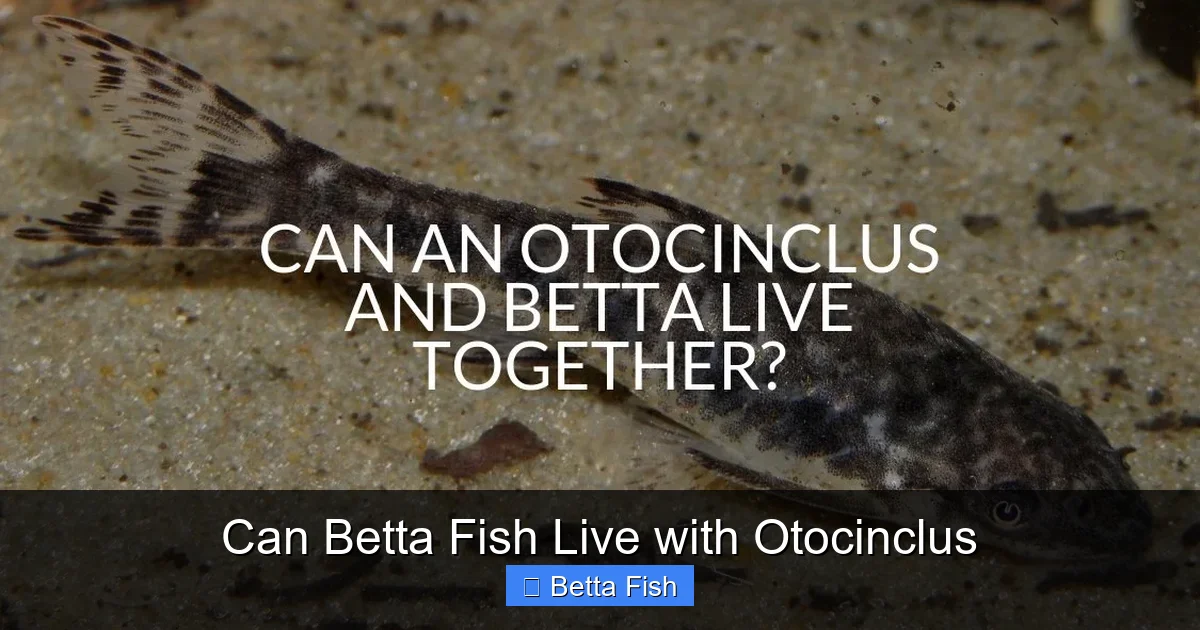
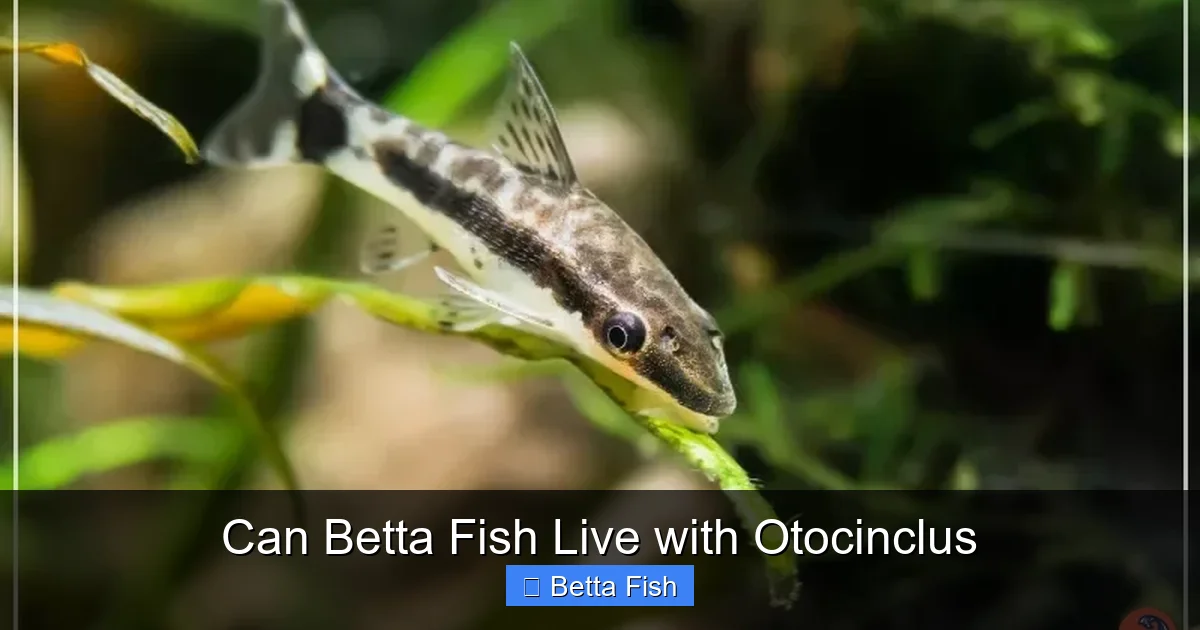
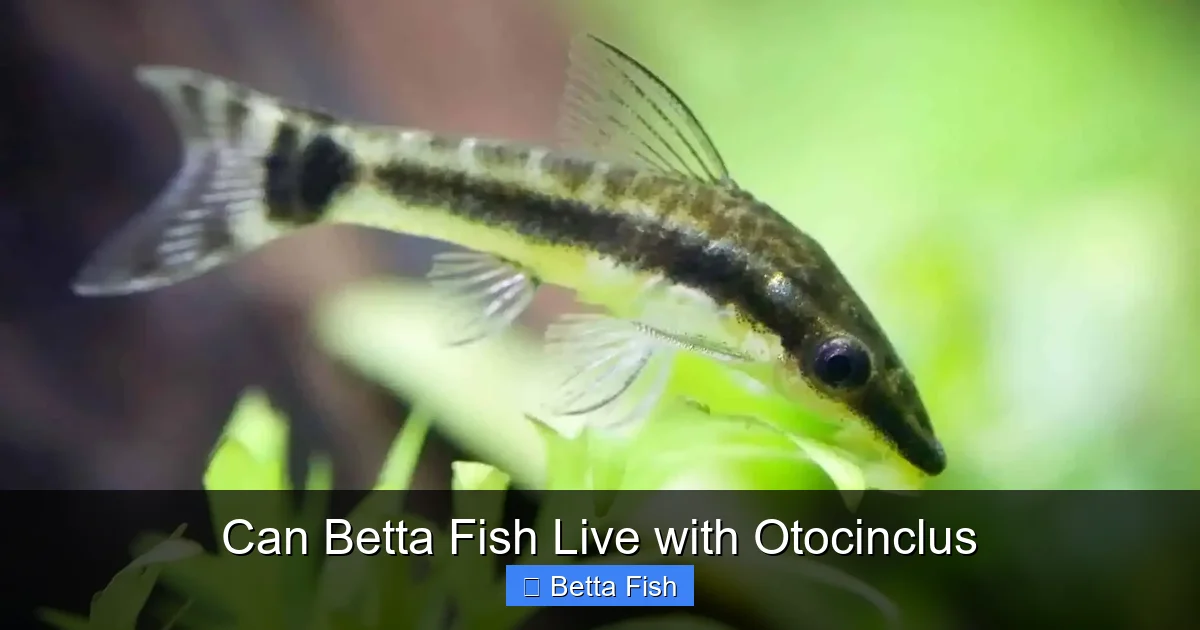
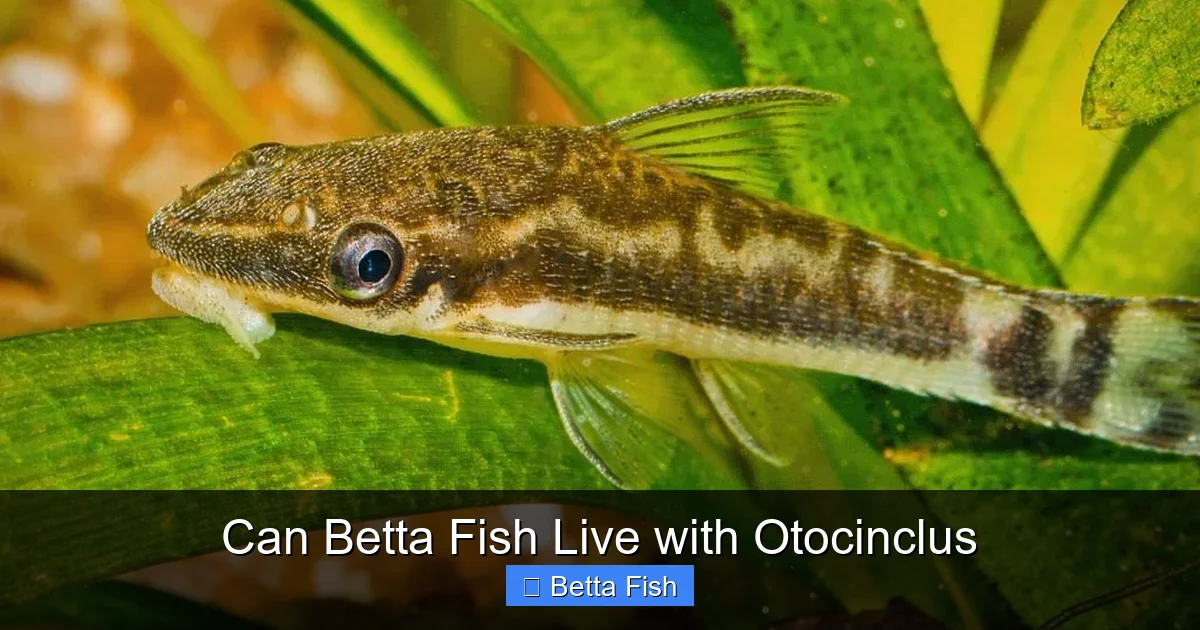
Otocinclus catfish are small, peaceful freshwater fish native to South America. They are found in streams and rivers throughout countries like Brazil, Argentina, and Venezuela. In the wild, they live in shallow, slow-moving waters with plenty of vegetation and algae growth. These tiny catfish typically grow to only 1.5 to 2 inches in length, making them one of the smallest aquarium catfish species available.
Visual guide about Can Betta Fish Live with Otocinclus
Image source: bettacarefishguide.com
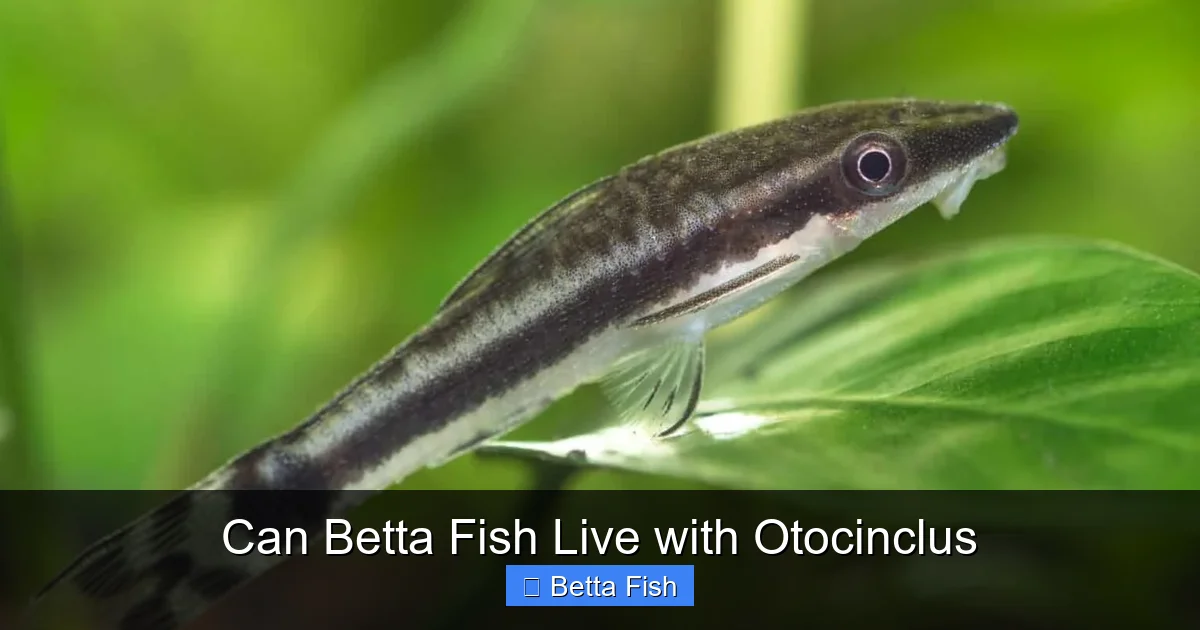
Otocinclus belong to the Loricariidae family, which includes plecos and other armored catfish. They have a distinctive sucker mouth that they use to attach to surfaces and graze on algae. Their bodies are slender and streamlined, usually featuring a brownish or olive coloration with a distinctive stripe running along their sides. This natural camouflage helps them blend in with plants and decorations in the aquarium.
Social Behavior and Group Dynamics
One of the most important things to understand about otocinclus is that they are highly social fish. In the wild, they live in large groups, and this social behavior carries over into the aquarium. Keeping otocinclus alone or in very small numbers can lead to stress, poor health, and even premature death. A group of at least 3 to 6 otocinclus is recommended, though larger groups of 8 or more are even better if your tank can accommodate them.
When kept in proper groups, otocinclus display fascinating social behaviors. You will often see them resting together on the same leaf or piece of driftwood, gently bumping into each other as they graze, and swimming in loose coordination around the tank. This social bonding is essential for their well-being and is one of the reasons they make such rewarding fish to keep.
Why Betta Fish and Otocinclus Make Great Tank Mates
Complementary Tank Zones
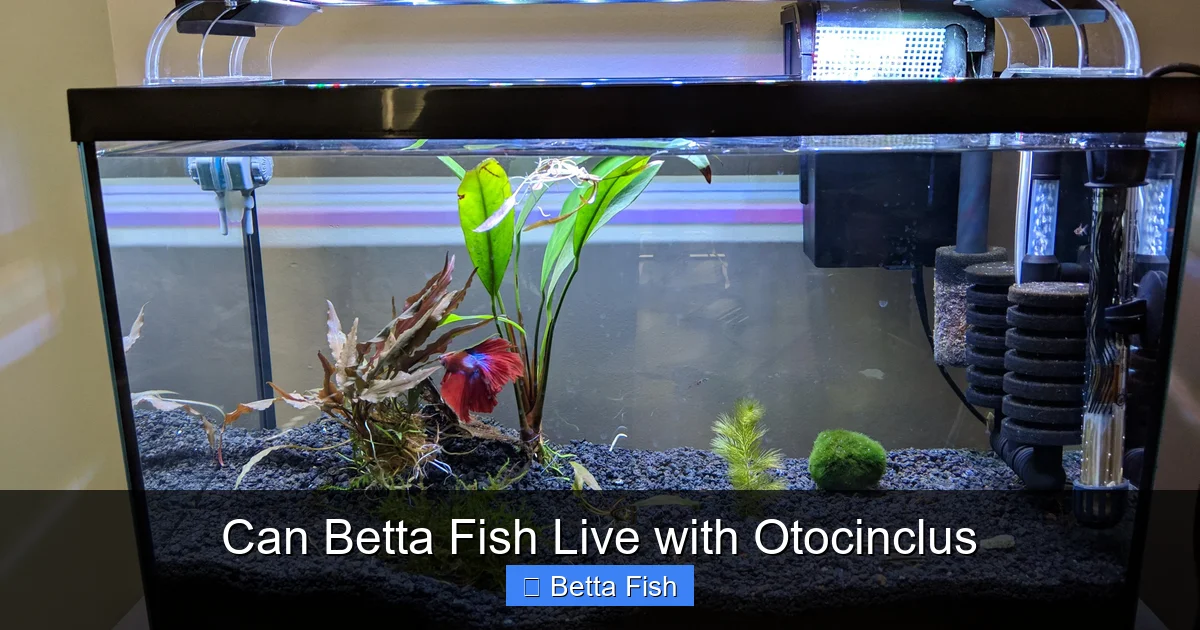
One of the biggest reasons betta fish and otocinclus get along so well is that they occupy completely different areas of the aquarium. Bettas are surface and mid-water dwellers. They love to explore the top levels of the tank, investigate floating plants, and rest near the surface on broad leaves. Otocinclus, on the other hand, are bottom and surface grazers. They spend most of their time attached to the glass, plant leaves, decorations, and substrate, methodically cleaning algae from every available surface.
Visual guide about Can Betta Fish Live with Otocinclus
Image source: i.redd.it
This natural separation means that bettas and otocinclus rarely cross paths in a way that would cause conflict. Your betta will happily patrol the upper waters while your otos work their magic on the algae below. It is like having roommates who use different rooms of the house at different times. There is very little competition for space or resources, which dramatically reduces the chance of territorial disputes.
Shared Water Parameter Preferences
Another major advantage of pairing bettas with otocinclus is that they thrive in very similar water conditions. Both species prefer warm water temperatures between 76°F and 82°F. They both do best in slightly acidic to neutral water with a pH range of 6.5 to 7.5. Additionally, both species require clean, well-filtered water with low levels of ammonia, nitrite, and nitrate.
This compatibility in water parameters makes it much easier to maintain a healthy environment for both species. You do not have to compromise on temperature or water chemistry to keep both fish happy. For more information on creating the ideal environment, you might also be interested in reading about can a betta fish live with an algae eater, which covers similar ground with additional algae-eating species options.
Peaceful Temperaments
Both bettas and otocinclus are generally peaceful fish, although individual bettas can vary. Otocinclus are about as gentle as fish get. They are not aggressive, they do not nip fins, and they do not compete for food in an aggressive way. Their small size and calm demeanor mean they are unlikely to provoke even a moderately territorial betta.
From the betta’s perspective, otocinclus do not look like rivals. They are small, dull-colored, and do not have the flowing fins or bright colors that might trigger a betta’s territorial instincts. Most bettas will completely ignore their otocinclus tank mates, which is exactly the kind of relationship you want in a community tank.
Setting Up the Perfect Tank for Bettas and Otocinclus
Minimum Tank Size Requirements
While bettas can survive in smaller tanks, adding otocinclus to the mix means you need to upgrade your aquarium size. A minimum of 10 gallons is recommended for a betta with a small group of otocinclus, but a 20-gallon tank or larger is ideal. The extra space gives your betta room to establish a territory without feeling crowded, and it provides enough surface area for your otocinclus to find adequate algae and biofilm to graze on.
Visual guide about Can Betta Fish Live with Otocinclus
Image source: fishlaboratory.com
Larger tanks also provide more stable water conditions. In smaller tanks, water parameters can fluctuate rapidly, which stresses both species. A 20-gallon long tank is particularly good because it offers a larger bottom surface area, which benefits the otocinclus that spend most of their time on the substrate and lower surfaces.
Filtration and Water Flow
Both bettas and otocinclus prefer gentle water flow. Bettas come from slow-moving waters and can struggle in strong currents, especially long-finned varieties. Otocinclus also prefer calm to moderate flow, as they are small fish that can be pushed around by powerful filters. A sponge filter or a hang-on-back filter with an adjustable flow rate works well for this type of setup.
Regardless of the filter you choose, make sure it is properly cycled before adding any fish. A fully cycled tank with established beneficial bacteria is essential for maintaining water quality. Both bettas and otocinclus are sensitive to ammonia and nitrite, so regular water changes of 25-30% per week are important for keeping the environment healthy.
Plants, Hiding Spots, and Decorations
A well-decorated tank is crucial for the success of a betta and otocinclus community. Live plants are highly recommended because they provide hiding spots, reduce stress, improve water quality, and promote algae growth that your otocinclus can feed on. Great plant options include Java fern, Anubias, Amazon sword, Java moss, and floating plants like frogbit or water lettuce.
Hiding spots are especially important for otocinclus, as they are small, shy fish that need places to retreat when they feel threatened. Driftwood, caves, rock formations, and dense plantings all provide excellent shelter. Bettas also appreciate having places to hide and rest, particularly near the surface. Betta hammocks, broad-leaf plants, and floating logs give your betta comfortable resting spots at the top of the tank.
Feeding Your Betta and Otocinclus
Dietary Needs of Betta Fish
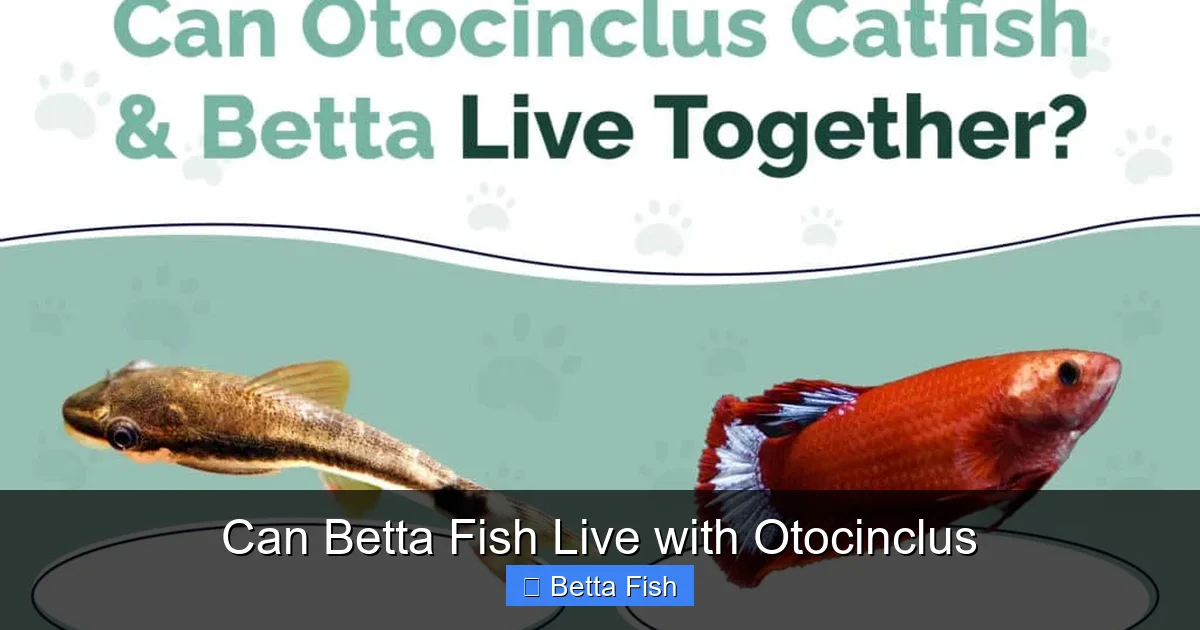
Bettas are carnivorous fish that require a protein-rich diet. High-quality betta pellets should form the staple of their diet, supplemented with frozen or live foods like bloodworms, brine shrimp, and daphnia. Feed your betta once or twice daily, offering only as much food as they can consume in about two minutes. Overfeeding is a common problem that can lead to water quality issues and health problems like bloating and constipation.
Visual guide about Can Betta Fish Live with Otocinclus
Image source: articles.hepper.com
Dietary Needs of Otocinclus
Otocinclus are primarily herbivores and algae eaters, but here is where many aquarists run into problems. In a clean, well-maintained tank, there may not be enough natural algae to sustain a group of otocinclus. This means you need to supplement their diet with algae wafers, blanched vegetables like zucchini, cucumber, and spinach, and biofilm-rich foods.
Place algae wafers in the tank in the evening, as otocinclus are more active during low-light periods. Remove any uneaten food after 24 hours to prevent water quality issues. Blanched vegetables can be clipped to the side of the tank using a vegetable clip or weighted down with a plant weight. Many oto keepers find that their otos develop a particular preference for certain vegetables, so experiment to see what your group enjoys most.
Avoiding Feeding Competition
One potential challenge when keeping bettas and otocinclus together is feeding competition. Bettas are enthusiastic eaters and may try to consume the algae wafers intended for the otos. To prevent this, feed your betta at one end of the tank while placing algae wafers at the opposite end. You can also feed the otos after lights out when the betta is less active. With a little planning, both species can get the nutrition they need without conflict.
Potential Challenges and How to Overcome Them
Aggressive Betta Behavior
While most bettas will coexist peacefully with otocinclus, there are always exceptions. Some bettas have particularly aggressive temperaments and may chase or nip at tank mates. If your betta shows persistent aggression toward your otocinclus, you may need to separate them. Signs of aggression include flaring at the otos, chasing them around the tank, or nipping at their fins.
Visual guide about Can Betta Fish Live with Otocinclus
Image source: aquariumnexus.com
If you notice aggressive behavior, try rearranging the tank decorations to break up established territories. Adding more plants and hiding spots can also help by giving the otos places to escape. In rare cases, you may need to rehome either the betta or the otocinclus if the aggression does not subside. Always have a backup plan, such as a separate cycled tank or a tank divider, just in case.
Otocinclus Health Concerns
Otocinclus can be delicate fish, especially when first introduced to a new tank. They are often wild-caught and may arrive at the store in poor condition. It is not uncommon for otocinclus to experience a higher mortality rate during the first few weeks in a new aquarium. To minimize this risk, buy otocinclus from a reputable source, quarantine new arrivals if possible, and make sure your tank is well-established with plenty of natural algae and biofilm.
When selecting otocinclus at the store, look for active fish that are attached to surfaces and appear to be grazing. Avoid fish that are lying on their sides, have sunken bellies, or appear lethargic. A healthy otocinclus will have a rounded belly and will be actively moving around the tank.
Water Quality Issues
Maintaining excellent water quality is essential when keeping any community tank, but it is especially important with otocinclus. These small catfish are sensitive to poor water conditions and can deteriorate quickly if ammonia or nitrite levels spike. Test your water parameters regularly using a liquid test kit and perform consistent weekly water changes.
A good maintenance schedule includes testing water parameters weekly, performing 25-30% water changes weekly, cleaning the filter media monthly (in old tank water, not tap water), and vacuuming the substrate to remove uneaten food and waste. This routine will keep your tank environment stable and healthy for both your betta and your otocinclus.
Step-by-Step Guide to Introducing Otocinclus to Your Betta Tank
Preparation Before Adding Otocinclus
Before bringing home your otocinclus, make sure your tank is fully prepared. The aquarium should be fully cycled, meaning it has been running for at least 4-6 weeks with established beneficial bacteria. Water parameters should be stable and within the ideal range for both species. The tank should have plenty of plants, hiding spots, and established algae growth for the otos to graze on.
Visual guide about Can Betta Fish Live with Otocinclus
Image source: bettasource.com
If your tank is relatively clean with little algae growth, consider adding algae wafers a week or two before introducing the otos. This establishes a feeding routine and ensures there is food available from day one. You can also add Indian almond leaves or driftwood, which promote biofilm growth that otocinclus love to eat.
The Introduction Process
When you bring your otocinclus home, take your time with the acclimation process. Float the bag in the tank for 15-20 minutes to equalize the temperature. Then, slowly add small amounts of tank water to the bag over the course of 30-45 minutes. This gradual acclimation helps reduce stress and prevents shock from sudden water parameter changes.
Release the otocinclus into the tank in the evening or with the lights dimmed. This gives them time to explore and find hiding spots before the betta becomes active. Avoid releasing them directly into the betta’s favorite territory. Instead, gently guide them toward a planted area or near driftwood where they can settle in peacefully.
Monitoring the First Few Weeks
The first two to three weeks are critical for establishing a peaceful coexistence. Watch for signs of aggression from the betta, such as flaring, chasing, or nipping. Also monitor the otocinclus for signs of stress, including hiding constantly, refusing to eat, or swimming erratically. Some initial caution is normal, but persistent aggression or stress requires intervention.
During this period, maintain a consistent feeding schedule and keep up with regular water changes. Avoid making any major changes to the tank setup, as stability is key during the adjustment period. If everything goes well, you should see your otocinclus becoming more active and confident over time, grazing openly alongside your betta.
Frequently Asked Questions About Bettas and Otocinclus
How Many Otocinclus Should I Keep with My Betta?
A group of at least 3 to 6 otocinclus is recommended. They are social fish that do much better in groups. In a 20-gallon tank, you could comfortably keep 6 to 8 otocinclus with a single betta. Larger groups help the otos feel secure and display more natural behaviors.
Visual guide about Can Betta Fish Live with Otocinclus
Image source: bettacarefishguide.com
Will My Betta Eat the Otocinclus?
This is extremely unlikely. Otocinclus are too large for a betta to eat, and they do not behave like prey fish. They spend most of their time attached to surfaces, which makes them even less interesting as a potential meal. Your betta is far more likely to ignore the otos entirely than to view them as food.
Do Otocinclus Need a Heater?
Yes, otocinclus need a heater just like bettas do. Both species are tropical fish that require warm water between 76°F and 82°F. A reliable adjustable heater is essential for maintaining a stable temperature, especially during colder months.
Final Thoughts on Keeping Betta Fish with Otocinclus
So, can betta fish live with otocinclus? Absolutely yes. This pairing is one of the most successful and rewarding combinations in the freshwater aquarium hobby. Both species bring unique benefits to the tank, and their compatibility in terms of water parameters, temperament, and tank zone preferences makes them natural partners.

Visual guide about Can Betta Fish Live with Otocinclus
Image source: articles.hepper.com
The key to success lies in proper preparation. Make sure you have an adequately sized tank of at least 10 gallons, preferably 20 or more. Provide plenty of plants, hiding spots, and decorations to create a comfortable environment for both species. Keep your otocinclus in a proper group of at least 3-6 individuals, and supplement their diet with algae wafers and blanched vegetables. Monitor the tank closely during the first few weeks and be prepared to make adjustments if needed.
If you are looking for more ideas on building a thriving community tank around your betta, be sure to check out our detailed guide on can betta fish live with shrimp, which explores another excellent tank mate option. You might also enjoy learning about can betta fish live with snails for even more algae control and tank cleaning companions.
With the right setup and a little patience, your betta fish and otocinclus can create a beautiful, balanced, and low-maintenance aquarium that you will enjoy for years to come. Happy fish keeping!
Frequently Asked Questions
Can betta fish live with otocinclus in a 5-gallon tank?
A 5-gallon tank is too small for both a betta and otocinclus. Otocinclus need to be kept in groups of at least 3, and they require more space to graze and explore. A minimum of 10 gallons is recommended, with 20 gallons being ideal for this combination.
Will otocinclus clean algae in a betta tank?
Yes, otocinclus are excellent algae eaters and will help keep your betta tank clean. They consume various types of algae including green spot algae, brown algae, and biofilm from glass, plants, and decorations. However, you should still supplement their diet with algae wafers and blanched vegetables.
Do otocinclus need to be in groups?
Yes, otocinclus are social fish that should always be kept in groups. A minimum of 3 otocinclus is recommended, but groups of 6 or more are ideal. Keeping them alone causes stress and can lead to health problems and a shorter lifespan.
What temperature do betta fish and otocinclus need?
Both betta fish and otocinclus thrive in water temperatures between 76°F and 82°F. This overlap in temperature requirements is one of the reasons they make such compatible tank mates. A reliable aquarium heater is essential for maintaining a stable temperature.
Can otocinclus live with aggressive betta fish?
While most bettas are peaceful enough to live with otocinclus, highly aggressive individuals may chase or harass them. If your betta shows persistent aggression, you may need to separate the fish or provide additional hiding spots and visual barriers in the tank.
How do I feed otocinclus in a betta tank without the betta stealing their food?
Feed your betta at one end of the tank while placing algae wafers at the opposite end for the otos. You can also feed the otocinclus after lights out when the betta is less active. Using a feeding dish on the substrate can also help keep the algae wafers in place for the otos.