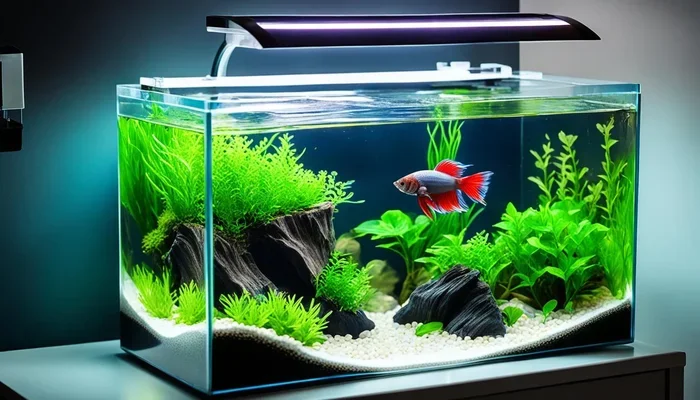
How Often Are You Supposed to Feed Your Betta Fish

You should feed your betta fish 1 to 2 small meals per day. A proper betta fish feeding schedule keeps your fish healthy, active, and full of color. Overfeeding is the biggest mistake new owners make, so small portions and consistent feeding frequency are the keys to success.
If you own a betta fish, you have probably wondered about the right betta fish feeding schedule. Feeding your fish the right amount at the right times makes a huge difference in their health and happiness. Too much food can pollute the water and make your fish sick. Too little food leaves them weak and tired. This guide breaks down exactly how often are you supposed to feed your betta fish in simple, easy-to-follow steps.
The good news is that feeding bettas is not complicated. Once you understand their natural eating habits, setting up a routine becomes second nature. Whether you are a complete beginner or have had bettas for years, this article covers everything you need to know about betta fish diet, portions, timing, and the mistakes to avoid.
Key Takeaways
- Feed 1-2 times daily: Two small meals or one moderate meal per day is the sweet spot for most bettas.
- Watch portion sizes: Only give what your fish can eat in 2 minutes to prevent overfeeding and water pollution.
- Skip a day weekly: Fasting once a week helps your betta’s digestion and prevents bloating.
- Variety matters: Rotate between pellets, frozen bloodworms, and brine shrimp for balanced nutrition.
- Adjust for age and health: Young, active bettas need more food, while older or sick fish eat less.
- Clean water is essential: Pair your feeding routine with regular tank maintenance for the best results.
📑 Table of Contents
Why Feeding Frequency Matters for Betta Fish
Betta fish are tropical fish that come from warm, slow-moving waters in Southeast Asia. In the wild, they eat small insects and larvae throughout the day. However, they do not eat large meals very often. This natural behavior shapes their feeding frequency in home aquariums.
When you feed your betta too much, the extra food sinks to the bottom and rots. This releases ammonia into the water, which is toxic to fish. On the other hand, underfeeding can lead to a weakened immune system and dull colors. Finding the right balance is the foundation of good betta fish care.
The Digestive System of a Betta Fish
Betta fish have small stomachs, roughly the size of their eye. This means they cannot handle large amounts of food at once. Their digestion works best with small, frequent meals rather than one big feeding. Understanding this helps you set the right feeding routine from day one.
A healthy digestive system also keeps your fish active and colorful. If your betta seems lethargic or loses its appetite, the problem might start with how and when you feed them. Paying attention to fish digestion is one of the easiest ways to keep your betta thriving.
How Often Should You Feed Your Betta Fish
The general rule for how often are you supposed to feed your betta fish is once or twice a day. Most experts agree that two small meals spaced 8 to 12 hours apart works best. Some owners prefer one meal a day, especially for older bettas or fish that are less active.
Here is a simple breakdown of common betta fish feeding frequency options:
- Once a day: One moderate meal, ideally in the morning. This works well for adult bettas.
- Twice a day: Small morning and evening meals. This mimics natural eating patterns.
- Every other day: Some owners fast their bettas every other day to prevent overfeeding and bloating.
- Weekly fasting: Skipping one full day per week helps the digestive system reset.
Your schedule should match your own routine. Bettas do well with consistency, so try to feed them at the same times each day. A predictable betta fish routine reduces stress and makes feeding easier for you.
How Much Food Per Feeding
Portion control is just as important as timing. A good rule of thumb is to give your betta only what it can eat in 2 minutes. For most bettas, this means 2 to 3 small pellets or a pinch of flakes. If food falls to the bottom and sits there, you have given too much.
Young bettas and growing fish may need slightly more food than adults. Pregnant or breeding females also have higher energy needs. Always watch your fish during feeding time. If they stop eating or spit out food, it is a sign to reduce the portion size.
Best Foods for Your Betta Fish
Not all fish food is created equal. Bettas are carnivores by nature, which means they need protein-rich food. The wrong diet can lead to health problems, poor color, and a shortened lifespan. Choosing the right betta fish food types is a big part of responsible fish keeping.
Betta Pellets
High-quality betta pellets are the staple of most betta fish diets. They are specially formulated to meet the nutritional needs of bettas. Look for pellets with a high protein content and minimal fillers. These should make up the majority of your fish’s meals.
When choosing pellets, check the ingredients list. The first ingredient should be fish meal or a specific protein source, not wheat or corn. Betta fish pellets also come in different sizes, so pick ones that match the size of your fish’s mouth.
Frozen and Live Foods
Frozen and live foods add variety and excitement to your betta’s diet. Brine shrimp and bloodworms are two of the most popular options. These foods are rich in protein and mimic what bettas would eat in the wild.
You can also try daphnia or mosquito larvae for extra variety. Live foods like earthworms can be a great treat, but make sure they come from a clean source. Frozen foods are often safer and easier to store than live options. Just remember that treats should only make up about 10 to 20 percent of the total diet.
Foods to Avoid
Some foods that seem harmless can actually harm your betta. Bread and crackers swell up in the stomach and cause serious digestive issues. Human food in general is not designed for fish and should be avoided. Goldfish food and tropical fish flakes may lack the protein levels bettas need.
Always research a new food before offering it to your fish. If you are curious about whether certain items are safe, check out guides on can you feed betta fish brine shrimp or can you feed your betta fish human food for detailed answers.
Creating the Perfect Feeding Schedule
Setting up a consistent betta fish feeding schedule is one of the simplest things you can do for your fish. Bettas thrive on routine, and a regular feeding time helps them feel secure in their environment. Here is how to build a schedule that works for both you and your fish.
Start by picking two feeding times that fit your daily routine. Many owners choose morning and evening. Feed your betta at the same times every day, even on weekends. Consistency helps regulate your fish’s appetite and digestion.
If you travel or are away from home for a day or two, your betta can handle missing one or two meals without any problems. For longer trips, consider an automatic feeder or ask a friend to feed your fish. You can also learn more about feeding your betta while away by reading how to feed your betta fish while on vacation for practical tips.
Signs Your Feeding Schedule Is Working
A well-fed betta shows bright, vibrant colors and active swimming behavior. Their appetite is consistent, and they eat eagerly at feeding time. Their waste is normal in color and consistency, and the water stays clean longer because there is no excess food.
If your betta seems disinterested in food, looks pale, or spends a lot of time hiding, the feeding schedule might need adjustment. Sometimes the issue is not how often you feed but what you are feeding. Experiment with different food types to find what your betta prefers.
Common Feeding Mistakes to Avoid
Even experienced fish owners make mistakes when it comes to feeding. Knowing what to avoid saves you time, money, and stress. Here are the most common errors people make with their betta fish diet.
Overfeeding
Overfeeding is the number one killer of pet bettas. It is easy to think your fish is hungry when it swims to the front of the tank, but bettas learn to beg for food even when they are full. Extra food decomposes in the water, raising ammonia and nitrite levels. This leads to poor water quality and fish disease.
Signs of overfeeding include bloating, constipation, and a swollen belly. If you notice these symptoms, skip a feeding or two and let your fish’s system reset. Always remove any uneaten food within 5 minutes of feeding.
Underfeeding
While overfeeding gets more attention, underfeeding is also a real concern. A betta that does not get enough food will lose weight, become lethargic, and develop faded colors. In severe cases, chronic underfeeding weakens the immune system and opens the door to infections.
If you are unsure whether you are feeding enough, watch your fish’s body shape. A healthy betta has a rounded but not bloated belly. If the belly looks sunken or the fish seems thin, try increasing the portion size slightly.
Feeding the Wrong Foods
Not all fish food works for bettas. Flakes designed for community tanks often lack the protein bettas need. Some owners try feeding their bettas goldfish food, tropical flakes, or even bread. These are not appropriate and can cause health problems over time.
Stick to food specifically made for bettas or high-protein alternatives. If you want to offer variety, research each food carefully. For example, you might ask yourself, can you feed your betta fish peas or can you feed peanut butter to a betta fish? The answers might surprise you.
Ignoring Water Quality
Feeding and water quality go hand in hand. Uneaten food and waste from digestion pollute the water quickly. Even with the perfect betta fish feeding frequency, poor water quality will undo your efforts. Regular water changes and tank cleaning are essential companions to a good feeding routine.
Make sure your filter is working properly and test your water parameters regularly. A clean tank helps your betta digest food more efficiently and stay healthy. You can read more about maintenance in how often should you clean your betta fish bowl for practical guidance.
Special Feeding Situations
Not all bettas fit the standard feeding pattern. Young fish, breeding fish, and fish recovering from illness all have different needs. Understanding these special situations helps you adjust the betta fish diet accordingly.
Feeding Baby Betta Fish
Betta fry need very small, frequent meals. They have tiny stomachs and fast metabolisms. In most cases, fry should be fed 3 to 5 times a day with very small portions of specially formulated fry food or infusoria.
As they grow, you can gradually reduce the feeding frequency and increase portion sizes. By the time they are adults, they will be on the standard once or twice daily schedule. Learn more about this process by exploring how to feed betta fish fry for detailed fry care tips.
Feeding Sick or Recovering Bettas
A sick betta may lose its appetite completely. In these cases, try offering small amounts of highly palatable food like frozen bloodworms or brine shrimp. Sometimes a favorite food can encourage a sick fish to eat again.
If your betta refuses food for more than 3 days, it is time to check the water quality and consider consulting a fish veterinarian. Maintaining clean water and a calm environment is just as important as food when your fish is recovering.
Feeding Multiple Bettas
Male bettas should never be housed together, but some owners keep females in groups called sororities. Feeding multiple bettas requires attention to ensure each fish gets its fair share. Spread food across the tank so all fish can reach it. Watch for dominant fish that try to hog all the food.
If you are considering tank mates for your betta, make sure the other fish will not eat all the food before your betta gets a chance. Not all fish are compatible, so research carefully before adding new residents. You can find more information about betta compatibility in are you supposed to put betta fish with other fish.
Expert Tips for a Healthy Betta Fish Feeding Routine
Experienced betta keepers follow a few simple habits that make a big difference. These tips can help you fine-tune your approach and get the best results from your feeding routine.
- Use a feeding ring: A floating feeding ring keeps food in one place and prevents it from getting lost in the substrate.
- Soak pellets first: Dry pellets can expand in your betta’s stomach and cause bloating. Soaking them for a few minutes before feeding helps prevent this.
- Observe your fish daily: Spend a few minutes each day watching your betta eat. This helps you spot changes in appetite or behavior early.
- Rotate food types: Switching between pellets, frozen foods, and live foods keeps meals interesting and provides balanced nutrition.
- Keep a feeding log: Writing down what and when you feed helps you track patterns and catch problems early.
- Match feeding to the light cycle: Feed your betta during daylight hours when they are most active and alert.
These small adjustments add up over time. A well-planned betta fish feeding schedule not only keeps your fish healthy but also makes the hobby more enjoyable. When you see your betta swimming happily and displaying bright colors, you will know your routine is working.
Conclusion
How often are you supposed to feed your betta fish comes down to a simple answer: once or twice a day with small portions. A consistent betta fish feeding schedule, paired with high-quality food and clean water, creates the foundation for a long and healthy life for your fish. Avoid the common traps of overfeeding and underfeeding, and always pay attention to your betta’s behavior and body condition.
Remember that every betta is different. Age, activity level, and overall health all play a role in determining the right amount of food. Start with the basic guidelines in this article, then adjust based on what works best for your individual fish. With patience and attention, you will master the art of feeding your betta and enjoy many years of companionship with your colorful aquatic friend.
If you want to dive deeper into betta care, explore more articles on betta fish diet, tank maintenance, and health tips. The more you learn, the better equipped you will be to give your betta the happy, healthy home it deserves.
Frequently Asked Questions
Can I feed my betta fish once a day?
Yes, feeding your betta once a day is perfectly fine for most adult fish. Just make sure the single meal is enough to satisfy their hunger without leaving excess food in the tank. Some owners prefer twice-daily feedings for more consistent energy levels.
What happens if I overfeed my betta fish?
Overfeeding causes bloating, constipation, and poor water quality. Uneaten food decays in the tank and releases harmful ammonia. This can lead to serious health issues and even death. Always feed only what your betta can consume in 2 minutes.
Can I skip feeding my betta fish for a day?
Yes, skipping one feeding day per week is actually beneficial for your betta. It gives their digestive system a rest and helps prevent overfeeding-related problems. Bettas can easily go a day without food without any negative effects.
How do I know if I am feeding my betta enough?
A well-fed betta has a rounded belly, bright colors, and active swimming behavior. They should eat eagerly at feeding time and produce normal waste. If your fish looks thin, lethargic, or disinterested in food, you may need to adjust the portion size or frequency.
Can I feed my betta fish the same food every day?
While betta pellets can be a daily staple, variety is important for balanced nutrition. Rotate between pellets, frozen bloodworms, and brine shrimp to provide different nutrients. Treats like these should make up a small portion of the overall diet.
Should I feed my betta right after turning on the lights?
It is best to wait 15 to 30 minutes after turning on the lights before feeding. This gives your betta time to wake up and become active. Feeding when the fish is alert ensures they eat properly and reduces the chance of uneaten food settling in the tank.