How Many Bloodworms Do You Feed a Betta Fish
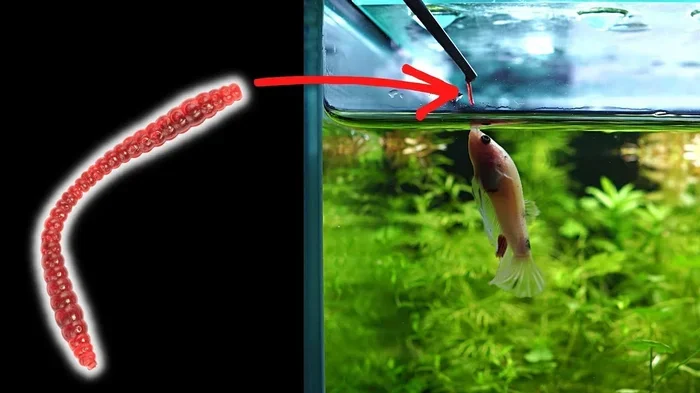
Feeding your betta fish the right amount of bloodworms is key to keeping them healthy and happy. A good rule is 2 to 3 bloodworms per feeding, 2 to 3 times a week. Overfeeding can lead to serious health problems, so portion control matters more than you think.
Every betta fish owner wants to give their colorful companion the best possible care. And feeding is one of the most important parts of that care. But when it comes to bloodworms, many owners wonder if they are giving the right amount. Too few, and your fish misses out on nutrition. Too many, and you risk serious health problems.
The truth is, how many bloodworms do you feed a betta fish depends on several factors. Your fish’s size, age, and overall diet all play a role. In this guide, we break down everything you need to know. You will learn the perfect portion size, how often to feed bloodworms, and the common mistakes to avoid. Let us dive in and make feeding simple and safe for your betta.
Key Takeaways
- Stick to 2-3 bloodworms per feeding: This is the ideal portion for an average adult betta fish.
- Feed bloodworms 2-3 times a week only: They are a treat, not a staple food.
- Choose between frozen, live, and freeze-dried: Each type has pros and cons for your betta’s health.
- Overfeeding is a real risk: Too many bloodworms can cause constipation, bloating, and poor water quality.
- Always soak freeze-dried bloodworms: They expand in the stomach and can cause blockages if fed dry.
- Watch for signs of overfeeding: Cloudy water, uneaten food, and lethargy are warning signs.
📑 Table of Contents
- Why Bloodworms Matter for Betta Fish
- How Many Bloodworms Should You Feed Your Betta
- How Often Should You Feed Bloodworms to a Betta Fish
- Signs of Overfeeding Bloodworms
- Bloodworms vs. Other Betta Fish Foods
- How to Feed Bloodworms the Right Way
- Common Mistakes When Feeding Bloodworms to Betta Fish
- Can Bloodworms Be Part of a Balanced Betta Diet
- Final Thoughts on Feeding Bloodworms to Your Betta
Why Bloodworms Matter for Betta Fish
Betta fish are natural carnivores. In the wild, they eat insects, larvae, and small invertebrates. Bloodworms fit perfectly into this diet because they are rich in protein and packed with nutrients. They are one of the most popular live and frozen foods for bettas, and for good reason.
Bloodworms contain essential amino acids that help your betta build strong muscles and maintain vibrant color. They also provide iron and other minerals that support overall health. However, bloodworms should never replace a balanced diet. Think of them as a nutritious treat, not a full meal replacement.
Types of Bloodworms for Betta Fish
Not all bloodworms are the same. You will find them in three main forms. Each type has its own benefits and drawbacks.
- Live Bloodworms: These are the closest to what bettas eat in the wild. They are full of nutrients and encourage natural hunting behavior. However, they can carry parasites or bacteria if sourced from unreliable suppliers.
- Frozen Bloodworms: A safer and more convenient option. Frozen bloodworms retain most of their nutritional value. You just thaw a small portion before feeding. This is the most popular choice among betta owners.
- Freeze-Dried Bloodworms: These are shelf-stable and easy to store. But they must be soaked before feeding. Feeding them dry can cause digestive issues because they expand inside your betta’s stomach.
How Many Bloodworms Should You Feed Your Betta
This is the question at the heart of this guide. The answer depends on the type of bloodworm and your fish’s size. As a general guideline, 2 to 3 bloodworms per feeding session is the sweet spot for an average adult betta fish.
If you are feeding frozen bloodworms, thaw a small cube and offer 2 to 3 pieces. For freeze-dried bloodworms, soak them first and then give the same amount. If you are using live bloodworms, keep the portion small. Bettas have tiny stomachs — roughly the size of their eye — so even a few worms can fill them up.
Portion Size by Fish Size
Not all bettas are the same size. A larger, well-grown betta can handle a slightly bigger portion. A smaller or younger betta needs less. Here is a simple breakdown:
- Small or juvenile bettas: 1 to 2 bloodworms per feeding
- Average adult bettas: 2 to 3 bloodworms per feeding
- Large or mature bettas: 3 to 4 bloodworms per feeding (maximum)
Remember, bloodworms are a supplement, not a main course. If your betta seems full after just one or two worms, that is perfectly fine. Never force your fish to eat more than it wants.
How Often Should You Feed Bloodworms to a Betta Fish
Frequency is just as important as portion size. Bloodworms are calorie-dense and high in protein. Feeding them too often can lead to health issues. The ideal frequency is 2 to 3 times per week.
On the other days, feed your betta a high-quality betta pellet or flake food. This ensures your fish gets a balanced diet with all the nutrients it needs. If you want a detailed feeding schedule, check out our guide on how often you feed a betta fish for a complete weekly plan.
Sample Weekly Feeding Schedule
Here is a simple schedule that balances bloodworms with regular betta food:
- Monday: Betta pellets (morning and evening)
- Tuesday: 2 to 3 frozen bloodworms (evening only)
- Wednesday: Betta pellets (morning and evening)
- Thursday: Betta pellets (morning and evening)
- Friday: 2 to 3 frozen bloodworms (evening only)
- Saturday: Betta pellets (morning and evening)
- Sunday: Rest day or light feeding with pellets
This schedule gives your betta the protein boost from bloodworms without overdoing it. You can adjust based on your fish’s appetite and activity level.
Signs of Overfeeding Bloodworms
Overfeeding is one of the most common mistakes betta owners make. Bloodworms are tasty and nutritious, but too many can cause real problems. Watch for these warning signs:
- Bloating or swollen abdomen: This is a clear sign your betta has eaten too much. A bloated betta may swim awkwardly or stay near the bottom of the tank.
- Constipation: If your betta has not pooped in a day or two, or if its waste is stringy and white, it may be constipated from too many bloodworms.
- Uneaten food sinking to the bottom: If you drop bloodworms in and your betta ignores them, the food will decay and foul the water.
- Cloudy or smelly water: Excess food breaks down quickly and can spike ammonia levels. This is dangerous for your fish.
- Lethargy or loss of appetite: An overfed betta may become sluggish and refuse food at its next meal.
If you notice any of these signs, skip the next bloodworm feeding and offer plain pellets instead. You can also do a water change to improve tank conditions. For more information on what happens when you overfeed, read our article on can you feed a betta fish too much.
Bloodworms vs. Other Betta Fish Foods
Bloodworms are great, but they should be part of a varied diet. Bettas thrive when they eat different types of food. Here is how bloodworms compare to other common options:
- Betta Pellets: These are the best staple food. They are specially formulated with balanced nutrition. Feed pellets daily as the main diet.
- Betta Flakes: A good alternative to pellets, though they can be messier and dissolve quickly. Some bettas prefer pellets over flakes.
- Brine Shrimp: Another excellent treat, similar to bloodworms in protein content. You can rotate between bloodworms and brine shrimp for variety.
- Daphnia: A natural live food that helps with digestion. It is a great occasional supplement.
Bloodworms are higher in protein than most pellet foods, which makes them excellent for boosting color and energy. But they lack the full range of vitamins and minerals found in quality pellets. That is why variety is essential. For a deeper look at bloodworm-only diets, see our article on can you feed betta fish just bloodworms.
How to Feed Bloodworms the Right Way
How you feed bloodworms matters just as much as how many you give. Follow these simple steps to make feeding safe and effective.
Step 1: Prepare the Bloodworms
If you are using frozen bloodworms, take out a small portion and let it thaw in a little tank water. Never use hot water, as it can destroy nutrients. For freeze-dried bloodworms, soak them in tank water for 5 to 10 minutes before feeding. This prevents them from expanding inside your betta’s stomach.
Step 2: Feed in Small Amounts
Drop 2 to 3 bloodworms into the tank. Watch your betta eat them. If your fish finishes them quickly and still seems interested, you can add one more. But stop if your betta loses interest or starts ignoring the food.
Step 3: Remove Uneaten Food
After 2 to 3 minutes, use a small net or turkey baster to remove any uneaten bloodworms. This keeps the water clean and prevents ammonia spikes. Clean water is essential for betta health.
Step 4: Maintain a Consistent Schedule
Feed bloodworms at the same time each day. Bettas do well with routine. A consistent feeding schedule also helps you monitor your fish’s appetite and spot any changes early.
Quick Tip: Always wash your hands before and after handling fish food. This prevents bacteria from entering the tank and keeps your betta safe.
Common Mistakes When Feeding Bloodworms to Betta Fish
Even experienced betta owners make feeding mistakes. Here are the most common ones and how to avoid them:
- Mistake 1: Feeding too many bloodworms at once. This is the number one error. Remember, 2 to 3 is enough. Your betta’s stomach is tiny.
- Mistake 2: Feeding bloodworms every day. Daily bloodworm feeding leads to nutritional imbalance and obesity. Stick to 2 to 3 times per week.
- Mistake 3: Skipping the soaking step for freeze-dried worms. Dry bloodworms expand in the gut and can cause blockages. Always soak them first.
- Mistake 4: Using bloodworms as the only food source. Bloodworms lack complete nutrition. Combine them with pellets or flakes for a balanced diet.
- Mistake 5: Ignoring uneaten food. Leftover bloodworms decay fast and pollute the water. Always remove uneaten food promptly.
Avoiding these mistakes will keep your betta healthy and your tank water clean. For more feeding tips, our article on how do you feed a betta fish covers all the basics in detail.
Can Bloodworms Be Part of a Balanced Betta Diet
Absolutely. Bloodworms are a healthy addition to a well-rounded betta diet. The key is balance. A balanced betta diet includes high-quality pellets as the staple, supplemented with occasional treats like bloodworms, brine shrimp, or daphnia.
A good rule of thumb is that treats should make up no more than 10 to 15 percent of your betta’s overall diet. The rest should come from nutritionally complete staple foods. This ensures your betta gets everything it needs without the risks of overfeeding treats.
If you are new to betta care, start by reading our beginner guide on what you need for a betta fish beginner. It covers all the essentials, from tank setup to feeding schedules, in one easy-to-follow resource.
Final Thoughts on Feeding Bloodworms to Your Betta
Feeding bloodworms to your betta fish does not have to be complicated. The simple answer to how many bloodworms do you feed a betta fish is 2 to 3 worms, 2 to 3 times per week. Keep the portions small, soak freeze-dried worms before feeding, and always remove uneaten food. These basic steps go a long way in keeping your betta healthy, active, and colorful.
Remember, bloodworms are a treat, not a staple. Your betta’s main diet should be high-quality pellets or flakes. Variety is good, but balance is even better. Watch your fish closely, adjust portions as needed, and enjoy the process of caring for your beautiful betta.
By following the tips in this guide, you are setting your betta up for a long, happy, and healthy life. Few things are more rewarding than watching a well-fed betta swim gracefully around its tank. So go ahead, offer those bloodworms with confidence, and enjoy every moment of the experience.
Frequently Asked Questions
Can I feed my betta fish bloodworms every day?
No, feeding bloodworms every day is not recommended. Bloodworms are high in protein and should be treated as an occasional supplement. Stick to 2 to 3 feedings per week to keep your betta healthy and avoid overnutrition.
How many frozen bloodworms should I feed my betta at once?
For an average adult betta, 2 to 3 frozen bloodworms per feeding is the ideal amount. Thaw them in a small amount of tank water before offering them to your fish. Adjust the number slightly based on your betta’s size and appetite.
Are freeze-dried bloodworms safe for betta fish?
Yes, freeze-dried bloodworms are safe as long as you soak them in tank water for 5 to 10 minutes before feeding. Soaking prevents them from expanding in your betta’s stomach, which can cause digestive blockages if fed dry.
What happens if I give my betta too many bloodworms?
Overfeeding bloodworms can lead to bloating, constipation, and poor water quality from uneaten food decaying in the tank. If this happens, skip the next bloodworm feeding and offer plain pellets instead. A water change can also help restore tank conditions.
Can baby betta fish eat bloodworms?
Yes, but in very small amounts. Baby bettas should get only 1 to 2 bloodworms, crushed or cut into tiny pieces. Their stomachs are even smaller than adult bettas, so portion control is critical. For more on feeding baby bettas, see our guide on feeding young betta fish.
What is the best time of day to feed bloodworms to my betta?
Evening feeding works best for bloodworms. Bettas are naturally more active hunters in low-light conditions. Feeding bloodworms in the evening aligns with their natural behavior and gives them time to digest before resting overnight.
=== CONCLUSION ===
Feeding bloodworms to your betta fish is a wonderful way to boost nutrition and add variety to its diet. The key is moderation. How many bloodworms do you feed a betta fish comes down to 2 to 3 worms, 2 to 3 times a week. Keep portions small, soak dry worms, and always remove uneaten food. By following these simple rules, your betta will thrive with vibrant color, strong health, and plenty of energy. Happy feeding!