Do Betta Fish Need a Cover for Their Tank to Stay Safe
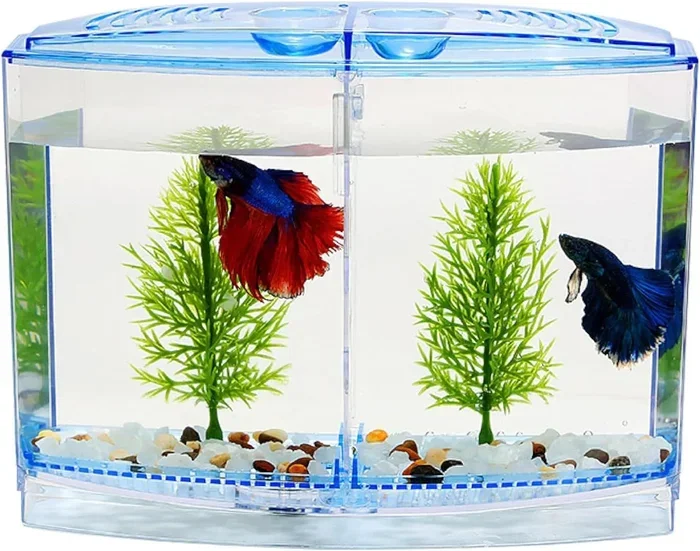
Do betta fish need a cover? The short answer is yes, most betta tanks benefit from a secure lid. A cover stops your fish from jumping out and protects them from drafts. It also helps maintain stable water temperature and humidity. You will learn exactly what type of cover works best and why skipping it can be risky.
Key Takeaways
- Jumping prevention: Bettas are famous escape artists, and a cover stops them from leaping out of the tank.
- Temperature stability: A lid reduces heat loss and keeps your heater working efficiently.
- Dust and debris protection: A cover blocks household dust, insects, and accidental objects from falling in.
- Humidity control: Covered tanks maintain better moisture levels, which supports healthy gills and water quality.
- Light management: A proper cover helps control lighting cycles and reduces algae growth.
- Safe ventilation: You must leave enough airflow to prevent stale water and condensation issues.
- Cover type matters: Mesh, glass, and adjustable lids each offer different benefits for your setup.
📑 Table of Contents
- Do Betta Fish Need a Cover for Their Tank?
- Why a Cover Matters for Betta Safety
- Do Betta Fish Need a Cover for Temperature and Water Stability?
- Breathing, Air Gills, and Surface Access
- Types of Covers and Which One Works Best
- Ventilation, Light, and Airflow Considerations
- Common Mistakes When Covering a Betta Tank
- Final Thoughts on Do Betta Fish Need a Cover
Do Betta Fish Need a Cover for Their Tank?
If you just set up your first betta tank, you might wonder whether a lid is really necessary. Many new owners ask, do betta fish need a cover for their tank, or is it just an optional accessory? The truth is that a cover can make a big difference in safety, stability, and peace of mind. Bettas are active little fish with a reputation for surprising their owners. They can jump, explore, and sometimes do things that catch us off guard.
A tank cover is not just about keeping your fish inside. It also helps with temperature, moisture, and cleanliness. That said, not every cover works the same way. Some lids are too tight, while others leave too much open space. In this guide, we will walk through why covers matter, what kinds of lids are best, and how to choose one that fits your tank and your betta’s habits.
Why a Cover Matters for Betta Safety
The biggest reason to use a cover is simple: bettas can jump. They are not the only fish that do this, but they are especially known for it. A sudden scare, a quick movement near the tank, or even normal excitement can send them leaping toward the surface. If the water level is high and the top is open, that leap can end badly.
A cover creates a physical barrier between your fish and the room. It gives you one less thing to worry about when you are feeding, cleaning, or simply watching your tank. Even calm bettas can jump on occasion, so it is better to be prepared than surprised.
Jumping Behavior and Escape Risks
Bettas often swim close to the surface because they like to breathe air from above the water. That natural habit puts them near the top of the tank more often than many other fish. When they get excited during feeding or feel stressed, they may move suddenly. A cover reduces the chance that a quick burst of energy turns into an escape attempt.
It also helps to remember that bettas can be curious. They may investigate reflections, shadows, or movement outside the tank. If something catches their attention, they might swim upward with extra energy. A secure lid keeps that curiosity from becoming a problem.
Protecting Against Household Hazards
An open tank is more exposed to everyday hazards. Dust can settle on the water. Small insects may wander in. If you have pets or children, an uncovered tank can also be at risk of accidental knocks or objects falling in. A cover adds a layer of protection that helps keep the water cleaner and safer.
This does not mean you need a sealed container. You just need a cover that blocks direct access while still allowing proper airflow. That balance is key.
Do Betta Fish Need a Cover for Temperature and Water Stability?
Many owners focus on jumping and forget about temperature. A cover can help your tank hold heat more effectively, especially if you use a heater. Without a lid, warm air escapes from the surface, and the water can cool faster than you expect. That means your heater may run more often, which can lead to more wear and slightly higher energy use.
A cover also helps reduce sudden temperature swings from room drafts. If your tank sits near a window, door, or air vent, an open top can make the water more vulnerable to changes. Stable temperature matters because bettas do best in consistent conditions.
How a Lid Helps Maintain Heat
When a tank is covered, the surface is partially enclosed. That simple change slows heat loss and helps the water stay closer to your target temperature. It is not a replacement for a good heater, but it can support your overall setup. If you are already asking yourself do betta fish need a cover, think of it as part of a stable environment rather than just a safety lid.
This is especially useful for smaller tanks, which can lose heat more quickly than larger ones. A cover is a simple way to make your tank a little more efficient without much effort.
Reducing Evaporation and Moisture Loss
Covered tanks usually lose less water to evaporation. That means you may not need to top off the tank as often. It also helps keep humidity more consistent around the water surface. For bettas, that can be helpful because very dry air and rapid evaporation can sometimes make the tank environment less comfortable.
Of course, too much cover can trap excess moisture. So the goal is balance, not sealing the tank completely.
Breathing, Air Gills, and Surface Access
Bettas are labyrinth fish, which means they can breathe air from the surface. That is an important detail when choosing a cover. If the lid is too tight or positioned too low, it can limit access to the surface. Your betta still needs room to reach the top and gulp air when needed.
A good cover leaves enough open space for this natural behavior. It should not press against the water or block the surface completely. If your betta seems to struggle reaching the top, the cover may be too close or the water level may be too high.
Labyrinth Organ Basics
The labyrinth organ allows bettas to take in oxygen from the air. This is useful in shallow or low-oxygen water, but it also means surface access matters. Your fish should be able to reach the top easily. A cover that interferes with that ability can cause unnecessary stress.
If you want to understand more about how bettas interact with their environment, you may also find it helpful to read about do betta fish have a sense of smell, since their senses shape how they explore and respond to their tank.
Why Surface Space Still Matters
Even with a cover, your tank should have a clear surface area. Bettas use the top of the water not only for breathing but also for resting and observing their surroundings. A cover should protect the tank without turning it into a cramped space. If your lid has a large opening or a mesh section, that can work very well.
Types of Covers and Which One Works Best
There is no single best cover for every betta tank. The right choice depends on your tank size, your heater and filter setup, and how much access you want for maintenance. The main goal is to find something secure, simple, and safe.
Here are some common options:
- Mesh lids: These allow airflow while still blocking jumps. They are often lightweight and easy to remove.
- Glass tops: These are sturdy and help reduce evaporation. They can be great for heat retention, but they may limit airflow more than mesh.
- Plastic hood lids: These often come with built-in openings for filters and cords. They are convenient, but you should check that gaps are not too large.
- Custom or adjustable lids: These can be useful if your tank has an unusual shape or if you want more control over ventilation.
Mesh vs Glass vs Plastic Lids
Mesh is often a favorite for betta tanks because it balances protection and airflow. Glass is excellent if you want to cut down on evaporation and keep the tank warmer. Plastic hoods are practical and usually designed for easy setup, though you should still check for safe gaps and proper fit.
If you are comparing options, think about your room temperature, how often you feed, and how much maintenance you want to do. A lid that is easy to lift makes water changes and feeding simpler.
Choosing the Right Fit for Your Tank
A cover should sit securely without sliding around. It should not be so loose that a betta could squeeze through, and it should not be so tight that you cannot open it quickly for care and feeding. Measure your tank before buying a lid, and check the clearance below the cover so your betta still has enough swimming space near the surface.
If you are using a smaller tank, you may also want to look at do betta fish like 10 gallon tank setups, since tank size can affect how you plan your cover and surface space.
Ventilation, Light, and Airflow Considerations
A cover should protect the tank without making it stuffy. Airflow matters because stagnant air above the water can lead to excess condensation, smell buildup, and less oxygen exchange at the surface. The best cover allows some exchange while still acting as a barrier.
Lighting is another factor. If your tank is under a lid, light may be slightly reduced or redirected. That is usually fine, but you should make sure your betta still gets a healthy day and night cycle. If you use artificial lighting, the cover should not block it in a way that disrupts the tank’s rhythm.
Avoiding Overheating and Stale Air
If a cover fits too tightly, heat and humidity can build up above the water. In most home setups, this is more of a comfort issue than a major danger, but it is still worth watching. A little ventilation goes a long way. Mesh panels, gaps, or removable lids can help keep air moving.
If you notice heavy condensation every day or a musty smell, your cover may need more airflow. Adjusting the lid or switching to a more breathable option can solve the problem.
Lighting Cycles and Cover Placement
Bettas benefit from consistent light patterns. A cover should not create constant darkness or trap heat from the light source in a way that makes the tank uncomfortable. If your lid sits directly under a lamp or aquarium light, check that the material can handle the warmth and that the tank does not overheat.
For more on lighting needs, you can also explore do betta fish always need light to understand how light cycles affect your fish’s routine.
Common Mistakes When Covering a Betta Tank
Even with good intentions, it is easy to make a few mistakes when adding a cover. Most of them come from making the lid too tight, too loose, or less practical than it should be. Avoiding these problems is usually simple once you know what to watch for.
Making the Tank Too Sealed
A covered tank is not the same as a closed container. If you block too much airflow, you can create unwanted humidity and reduce surface exchange. Your betta still needs access to the top, and the water still needs a healthy relationship with the air above it.
Leaving Large Gaps or Weak Lids
On the other hand, a loose cover may not do its job. If the lid shifts easily or has big openings, a determined betta may still find a way out. Check the fit carefully, especially if your tank water level is high.
Ignoring Maintenance Access
A cover should make care easier, not harder. If you struggle to reach the water for feeding or water changes, you may be less consistent with maintenance. Choose a lid that lifts smoothly and gives you enough room to work.
Quick Tips for a Safe Cover Setup
- Keep the water level a safe distance below the lid.
- Check for gaps where a fish could squeeze through.
- Make sure your betta can reach the surface easily.
- Use a cover that is simple to remove for cleaning.
- Watch for excess condensation and adjust ventilation if needed.
- Match the cover to your tank shape and equipment.
Final Thoughts on Do Betta Fish Need a Cover
So, do betta fish need a cover? In most cases, yes. A cover helps prevent jumping, supports temperature stability, and keeps the tank cleaner and safer. It is one of those simple additions that can make fishkeeping easier and less stressful. The important part is choosing a cover that protects your betta without blocking airflow or surface access.
A good lid should fit well, allow breathing space, and be easy to manage during feeding and maintenance. If you balance safety with ventilation, your betta can enjoy a secure and comfortable home. That peace of mind is worth it, especially when you are trying to create a tank where your fish can thrive.
Frequently Asked Questions
Do betta fish really jump out of their tank?
Yes, bettas can jump, especially if they get startled or excited. A cover helps prevent accidental escapes.
Can I leave my betta tank open if the water level is low?
You can, but it is still risky. Even with a lower water level, a betta may leap when startled, so a cover is usually safer.
Should a betta tank lid block all airflow?
No, a lid should not seal the tank completely. Your betta needs surface access and some airflow for a healthy environment.
Do glass lids work better than mesh lids for bettas?
Both can work well. Glass reduces evaporation more, while mesh usually offers better ventilation and easier access.
Will a cover stop my betta from breathing air?
Not if you choose it correctly. A good cover leaves enough open space for your betta to reach the surface and breathe.
How much space should be left between the water and the cover?
Enough for your betta to swim comfortably and reach the surface without trouble. The exact gap depends on your tank and lid design.