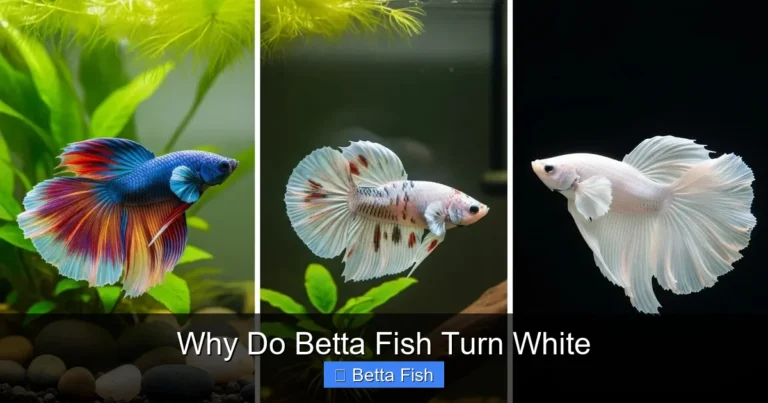
Where to Buy Koi Betta Fish

Finding a healthy koi betta fish requires knowing where to look. Avoid big-box stores and prioritize reputable specialty breeders, either online or local, who focus on fish health and genetics. Always ask for recent photos or videos, inquire about shipping practices, and be prepared to provide a properly cycled, heated tank for your new living jewel.
Key Takeaways
- Health Trumps Color: A vibrant koi pattern is useless if the fish is sick. Prioritize active, alert fish with clear eyes and undamaged fins from any seller.
- Breeders Are Best: Reputable betta breeders, not general pet stores, are the top source for healthy, well-bred koi bettas with predictable traits and strong genetics.
- Online Offers More Variety: Specialized online breeders provide a vastly wider selection of koi bettas than local stores, often with detailed lineage information.
- Local Stores Can Be Hit-or-Miss: While some excellent local fish stores (LFS) have great stock, big-box retailers frequently have poor husbandry. Inspect every tank carefully.
- Ask the Right Questions: Inquire about water parameters, feeding routines, quarantine protocols, and shipping methods. A good seller will have clear answers.
- Never Impulse Buy: Always have your betta tank fully cycled, heated, and decorated before you even where to buy koi betta fish, as they need a stable environment immediately.
📑 Table of Contents
- The Allure of the Koi Betta: More Than Just a Fish
- Understanding the Koi Betta Phenomenon
- Why the Source Matters: Health vs. Hype
- Your Buying Options: A Detailed Breakdown
- How to Vet a Seller: Your Checklist for a Healthy Purchase
- Bringing Your Koi Betta Home: The First Steps
- Conclusion: A Lifelong Commitment to Beauty
The Allure of the Koi Betta: More Than Just a Fish
Imagine a small, flowing silk scarf, alive and shimmering with the bold, marbled colors of a Japanese koi pond—deep oranges, crisp whites, and inky blacks blending into one another. That’s the magic of a koi betta. This isn’t just another pet store fish; it’s a living piece of aquatic art. The koi betta, scientifically known as Betta splendens, is not a separate species but a spectacular color morph and pattern variant. Its defining feature is the “koi” pattern, a type of marble coloration where large, distinct patches of color shift and change over the fish’s lifetime, often influenced by stress, water quality, and mood. This dynamic, almost painterly quality makes each individual koi betta a unique masterpiece.
But this beauty comes with a caveat. The very genetics that create the stunning koi pattern are also linked to a condition called “marble disease” or “loss of color,” which can sometimes be associated with underlying health issues, particularly if the breeding stock is not carefully managed. Therefore, the critical question of where to buy koi betta fish becomes paramount. Your choice of source directly impacts the health, longevity, and vibrancy of your new companion. A poorly sourced koi betta may arrive stressed, diseased, or with a weakened immune system, turning a dream purchase into a heartbreak. This guide will navigate you through the landscape of sellers, from the local pet aisle to dedicated breeders, arming you with the knowledge to make a safe and rewarding choice.
Understanding the Koi Betta Phenomenon
The Genetics Behind the Marble Magic
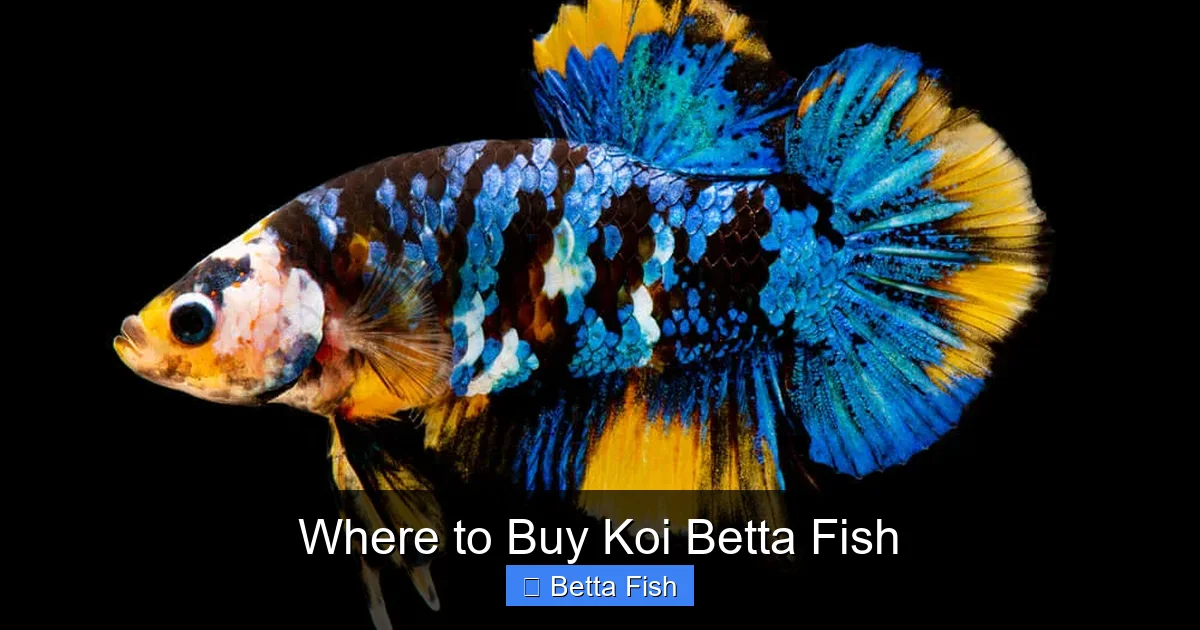
To truly appreciate what you’re looking for, it helps to understand what makes a koi betta “koi.” The pattern is a result of transposons, or “jumping genes,” in the fish’s DNA. These genetic elements can turn pigment cells on or off in different areas of the body over time, causing the color patches to expand, contract, or shift. A true koi betta will have large, high-contrast color blocks—think a solid orange head, a white body, and a black tail—rather than the smaller, speckled marbling of a standard marble betta. The most prized are “full koi” with clean, defined sections.

Visual guide about Where to Buy Koi Betta Fish
Image source: light.fish
Not All Koi Are Created Equal
You’ll see terms like “Koi Halfmoon,” “Koi Plakat,” and “Koi Dumbo.” These refer to the tail type (Halfmoon has a 180-degree spread, Plakat has a short, muscular tail, Dumbo has enlarged pectoral fins). The tail type does not affect the koi pattern itself but influences the overall aesthetic. Furthermore, the stability of the koi pattern varies. Some breeders work with lines that hold their patterns better, while others embrace the constant change as part of the fish’s charm. When you where to buy koi betta fish, ask about the parent fish’s pattern stability if that’s important to you.
Why the Source Matters: Health vs. Hype
The betta fish you see in a small cup at a large chain store is often a product of mass commercial farming. These operations prioritize high volume and low cost, frequently at the expense of fish health and genetic diversity. Bettas are shipped as adults, stressed, and with weakened immune systems. While you might find a koi-colored betta in such a store, it is statistically more likely to have been exposed to diseases like velvet, dropsy, or fin rot. Its koi pattern may also be less defined due to poorer genetic selection.

Visual guide about Where to Buy Koi Betta Fish
Image source: light.fish
In contrast, a dedicated betta breeder—whether a local hobbyist or an established online operation—invests in specific breeding pairs, provides pristine water conditions, feeds high-quality nutrition, and understands the nuances of koi genetics. They raise their fish from fry in controlled environments, resulting in hardier, more vibrant, and often better-structured fish. The price point is higher, but you are paying for expertise, ethics, and a significantly higher chance of receiving a thriving, long-lived pet. This is the single most important factor in where to buy koi betta fish.
Your Buying Options: A Detailed Breakdown
Local Fish Stores (The Good Kind)
A high-quality, independently owned local fish store (LFS) can be a fantastic place to where to buy koi betta fish. These stores often source from regional breeders or importers who specialize in show-quality bettas. The major advantage is you can see the fish in person, assess its health and activity directly, and get immediate, expert advice from the owner. You can also support a local business. How to vet an LFS: Look for clean, well-maintained tanks with clear water and no dead fish. Bettas should be housed singly in at least 1-2 gallons of heated, filtered water (not tiny cups). Staff should be knowledgeable and able to answer questions about the fish’s origin.
Visual guide about Where to Buy Koi Betta Fish
Image source: light.fish
Online Specialty Breeders (The Premier Choice)
This is the undisputed gold standard for serious hobbyists seeking a specific, high-quality koi betta. Online breeders are often passionate experts who maintain smaller, meticulously managed breeding programs. They photograph and video their fish extensively, provide detailed descriptions of color, pattern, and personality, and offer health guarantees. They ship via climate-controlled, overnight services with “live arrival” guarantees. The selection is immense, from premium halfmoons with perfect 180-degree spreads to unique plakat kois. Finding them: Search for terms like “koi betta breeder,” “import bettas,” or check forums like Bettaboxx or Reddit’s r/bettafish for community-recommended breeders. Be prepared for waitlists and prices ranging from $50 to $300+ for top-tier specimens.
Online Retailers & Marketplaces (Proceed with Caution)
Sites like eBay, Etsy, and large online pet retailers have listings for koi bettas. Here, the quality is a extreme spectrum. You might find a good breeder using these platforms, but you’ll also find resellers and less-scrupulous sellers. Critical steps: Read seller reviews meticulously. Look for photos/videos of the exact fish you’ll receive, not just stock images. Ask pointed questions about their setup and how long they’ve kept the fish. Check their shipping policy—overnight with a heat/cold pack is non-negotiable. Avoid any seller who ships via standard mail or cannot provide a recent, clear video of the specific fish.
What to Absolutely Avoid
Big-box pet stores (e.g., PetSmart, PetCo, Walmart) should be your last resort, and often not at all. Their supply chains are notorious for poor betta care. Fish arrive in terrible condition, are kept in cold, unfiltered cups, and are often overmedicated with antibiotics, masking disease. The “koi” pattern in these stores is usually a very basic, low-grade marble. While rescuing a suffering fish is an act of compassion, it’s a gamble with high vet costs and emotional risk. You are also not supporting ethical breeding practices. For the specific goal of where to buy koi betta fish of quality and health, these stores fail on almost every metric.
How to Vet a Seller: Your Checklist for a Healthy Purchase
Whether browsing a website or standing in a store, use this checklist. A legitimate, caring seller will welcome your questions.
- Visual Proof: You must see the exact fish you’re buying in a recent (within 48 hours) clear photo or, even better, a short video. A video shows movement, fin condition, and behavior—a fish clamped at the bottom of a cup is a red flag.
- Tank Conditions: In photos/videos, the fish’s current tank should be clean, with appropriate decor (plants, hiding spots), and appear to be at least a gallon in size. It should have a heater (often visible as a stick-on thermometer or the heater itself).
- Health Guarantee: Reputable sellers offer a live arrival guarantee (usually 24-48 hours after receipt) and sometimes a short-term health guarantee (e.g., 7 days). Understand the terms—do they require you to send a photo of the deceased fish in the bag? Do they offer a replacement or refund?
- Shipping Practices: They should ship overnight (1-day) only, using insulated boxes with proper heat or cold packs depending on the season. They should ship early in the week (Mon-Wed) to avoid weekend delays in warehouses. Ask if they “drop-ship” (the fish comes from a third party you don’t know) or if they ship their own stock.
- Quarantine Protocol: A good breeder or store will quarantine new fish for at least 30 days before offering them for sale to prevent disease spread. Ask if they do this.
- Communication: Do they respond promptly and professionally to your questions? Vague answers or pressure to buy quickly are bad signs.
Bringing Your Koi Betta Home: The First Steps
You’ve found your fish and placed your order. The work isn’t over—your preparation is critical. The moment your koi betta arrives, its immune system is compromised from shipping stress. A proper acclimation and a pristine tank are the only things standing between it and illness.
The Pre-Arrival Checklist (Non-Negotiable)
Your tank must be fully cycled—this means the beneficial bacteria colony is established to process ammonia and nitrites. This process takes 4-6 weeks. Test your water with a liquid test kit; you need to see 0 ppm ammonia, 0 ppm nitrite, and low nitrates (<20 ppm). The tank needs a gentle filter (sponge filters are ideal) and a heater set to a constant 78-80°F (25.5-26.5°C). Provide silk or live plants, a cave or decor for security, and a lid (bettas jump!). Do not use gravel that can trap waste; sand or smooth, large-grain substrate is better.
The Drip Acclimation Method
Never just dump your betta into the new tank. The drip acclimation method slowly equalizes water parameters (temperature, pH, hardness) over 1-2 hours. Float the sealed bag in the tank for 15-30 minutes to equalize temperature. Then, using airline tubing and a control valve (or by creating a loose knot), sipher small amounts of tank water into the bag over 60-90 minutes. Once the bag’s water volume has roughly doubled, gently net the betta from the bag and place it in the tank. Discard the bag water—do not pour it in, as it may contain shipping toxins or pathogens.
Conclusion: A Lifelong Commitment to Beauty
The journey to where to buy koi betta fish is the first step in a rewarding relationship. These fish are not disposable decorations; with proper care—clean water, a heated tank, a varied diet of quality pellets, frozen, or live foods—a koi betta can live 3-5 years, sometimes longer. Their patterns will evolve, their personalities will shine, and they will become a captivating centerpiece in your home. By choosing a reputable source, you are not just buying a fish; you are investing in the health and welfare of an individual creature and supporting ethical breeding practices. Take your time, do your research, ask the hard questions, and get your tank ready first. The moment you see your unique, marble-patterned koi betta flare its fins in its new, perfect home, you’ll know every ounce of research was worth it. Welcome to the wonderful world of betta keeping.
Frequently Asked Questions
How much does a quality koi betta fish typically cost?
A true, high-quality koi betta from a reputable breeder usually costs between $50 and $300, depending on the fish’s specific pattern, coloration, tail type, and lineage. Less expensive options ($20-$40) may be found from good local stores or online, but the pattern and health may be less predictable. Avoid prices that seem too good to be true, as they often indicate poor husbandry or unhealthy stock.
Is it safe to ship a live betta fish long distances?
Yes, when done correctly by experienced breeders. They use insulated boxes, heat or cold packs, and ship via overnight couriers (like FedEx or UPS) to minimize transit time to 1-2 days. The fish is bagged with clean water and pure oxygen. Always choose sellers with a clear “live arrival guarantee” and proven, humane shipping practices. Never accept a betta shipped via standard ground mail.
What are the biggest red flags when evaluating a seller?
The biggest red flags are: an inability or refusal to provide a recent, clear video of the exact fish you’re buying; selling bettas in tiny, unheated cups in photos; vague or non-existent health guarantees; shipping via non-overnight methods; and poor communication. If a seller’s website or social media only shows perfect, staged stock photos and no real customer interaction, be extremely cautious.
Should I buy a koi betta from a local store or online?
Both can be excellent if you do your homework. An exceptional local fish store (LFS) lets you see the fish’s health firsthand and build a local relationship. Online specialty breeders offer vastly more selection and detailed genetic information but require trusting shipping and photos/videos. Your decision should be based on finding the healthiest, best-suited fish from the most transparent and reputable source available to you.
What is the best age to buy a betta fish?
The ideal age is between 3 and 6 months old. At this age, the betta is fully mature, its colors and finnage are developed, and its personality is evident. It is also past the fragile fry stage but still young enough to adapt readily to a new home and live a full lifespan. Avoid very young “fry” or very old adults, as both can be more delicate.
What should I do if my koi betta arrives sick or dies in transit?
First, document everything. Take clear photos/videos of the fish in the unopened bag (if deceased) or of its condition immediately upon opening. Contact the seller immediately with this evidence. A reputable seller with a live arrival guarantee will offer a refund or a replacement, often requiring you to ship the deceased fish back in the original bag (frozen). Read the seller’s guarantee policy before purchasing so you know the exact procedure.