How Long Does Blue Betta Fish Live For

The average blue betta fish lives for 3 to 5 years, but with the right care, some can reach 7 years or more. Water quality, diet, tank size, and stress levels all play a major role in determining how long your blue betta will live. This guide covers every factor that impacts blue betta fish lifespan and gives you actionable steps to maximize their years.
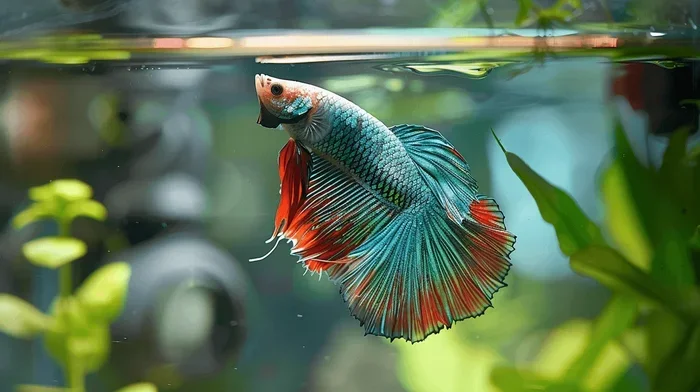
Blue betta fish are some of the most stunning creatures you can keep at home. Their vivid blue coloration and flowing fins make them a favorite among fish keepers of all levels. But if you are thinking about bringing one home, you probably want to know how long you can enjoy their beauty. So, how long does blue betta fish live for?
The answer depends on several important factors. Genetics, tank conditions, diet, and overall care all shape the lifespan of your blue betta. In this article, we will walk through everything you need to know about blue betta fish lifespan. You will learn what shortens their life, what extends it, and how to give your fish the best possible home.
Many people assume betta fish are fragile and short-lived. The truth is quite different. With the right setup and attention, a blue betta can live a surprisingly long and happy life. Let us break down the details so you can give your fish every advantage.
Key Takeaways
- Average lifespan: Blue betta fish typically live 3 to 5 years with proper care.
- Tank size matters: A minimum 5-gallon tank helps blue bettas live longer and healthier lives.
- Water quality is critical: Clean, warm water with low ammonia keeps your blue betta thriving.
- Diet affects longevity: Feeding a varied, high-quality diet prevents disease and extends life.
- Stress reduces lifespan: Avoid aggressive tank mates and keep the environment calm and stable.
- Genetics play a role: Some blue betta varieties are naturally hardier than others.
- Common mistakes shorten life: Overfeeding, small bowls, and dirty water are the top killers.
📑 Table of Contents
Average Lifespan of Blue Betta Fish
On average, a blue betta fish lives for about 3 to 5 years. This is the typical range you will see in most care guides. But that number is just an average. Individual fish can live shorter or longer lives depending on how they are cared for.
Some blue bettas have been known to reach 6 or even 7 years old. These are usually fish that received excellent care from day one. The key word here is consistency. Keeping water parameters stable and feeding a balanced diet over a long period makes a real difference.
It is also worth noting that where you buy your blue betta matters. Fish from reputable breeders often have better genetics. This means they start life with a stronger foundation. A fish from a pet store might carry hidden health issues that shorten its blue betta fish lifespan. Always try to source from trusted sellers when possible.
Why Some Blue Bettas Live Longer Than Others
You might wonder why two blue bettas from the same store can have very different lifespans. The answer comes down to a combination of factors. Genetics is the first piece of the puzzle. Some fish are simply built to last longer. Just like dogs or cats, bettas inherit traits from their parents.
The second factor is the environment. A fish kept in a clean, well-maintained tank will always outlive one kept in a dirty bowl. The third factor is nutrition. Fish that eat a varied, high-quality diet stay healthier as they age. These three pillars, genetics, environment, and nutrition, work together to determine how long your blue betta will live.
Factors That Affect Blue Betta Lifespan
Several key factors influence how long your blue betta will live. Understanding these will help you make better decisions every day. Let us look at each one in detail.
Water Quality and Parameters
Water quality is the single most important factor in your blue betta’s lifespan. Betta fish are sensitive to ammonia, nitrite, and nitrate buildup. Poor water quality stresses the fish and opens the door to disease. Keep your tank cycled before adding your blue betta.
The ideal temperature for a blue betta tank is between 78 and 80 degrees Fahrenheit. Use a reliable heater and thermometer to maintain stable conditions. Sudden temperature changes can shock your fish and weaken its immune system. Test the water regularly with a liquid test kit. Aim for a pH between 6.5 and 7.5. Keep ammonia and nitrite at zero.
Tank Size and Setup
Many people keep bettas in tiny cups or bowls. This is a common mistake that shortens blue betta fish lifespan. A small tank means water parameters crash quickly. Toxins build up fast in a tiny volume of water. Your blue betta needs room to swim and explore.
A minimum 5-gallon tank is recommended for a single betta. This gives you enough water volume to dilute waste and maintain stable conditions. Add live or silk plants to provide hiding spots. Bettas feel safer in decorated tanks, and feeling safe reduces stress. Stress is one of the biggest killers of pet fish.
If you want to go bigger, a 10-gallon tank works even better. More water means more stability. You will spend less time doing water changes and more time enjoying your fish. Check out our guide on how long betta fish live in a tank for more setup tips.
Diet and Nutrition
What you feed your blue betta directly impacts how long it lives. A poor diet leads to malnutrition, obesity, and a weakened immune system. Bettas are carnivores by nature. They need protein-rich foods to thrive.
High-quality betta pellets should form the base of their diet. Look for pellets with fish meal as the first ingredient. Supplement with frozen or live foods like bloodworms and brine shrimp. These treats provide extra nutrition and keep mealtime interesting.
Feed your blue betta 2 to 3 small meals per day. Do not overfeed. Excess food rots in the tank and pollutes the water. Overfeeding is one of the most common mistakes new fish owners make. If your fish refuses food for a day or two, do not panic. Bettas can go a few days without eating. Learn more about how long bettas can survive without food in our article on how long a betta fish live without food.
Stress and Tank Mates
Stress is a silent killer. A stressed blue betta is more likely to get sick and less likely to live a long life. Common stressors include aggressive tank mates, bright lights, loud noises, and cramped spaces.
Male bettas should never be housed together. They will fight and may injure or kill each other. Female bettas can sometimes live in groups, but this requires a larger tank and careful planning. If you want to add tank mates, choose peaceful species that won’t nip at your betta’s fins.
Keep the tank in a quiet area of your home. Avoid placing it near speakers or high-traffic zones. A calm environment helps your blue betta feel secure and stay healthy. For more on betta lifespan in different environments, see our article on how long betta fish live in the wild.
Common Diseases and Health Issues
Even with the best care, blue bettas can get sick. Knowing the signs of common diseases helps you catch problems early. Early treatment often means the difference between a full recovery and a shortened life.
Fin rot is one of the most common issues. It shows up as ragged or discolored fins. It is usually caused by poor water quality. Ich, also known as white spot disease, appears as tiny white dots on the body and fins. Both conditions are treatable if you act quickly.
Swim bladder disorder is another frequent problem. It causes your betta to float sideways or struggle to stay upright. Overfeeding and constipation often trigger this condition. Feeding peas (with the skin removed) can help relieve constipation. Keep your tank clean and your fish’s diet balanced to prevent most of these issues.
How to Help Your Blue Betta Live Longer
Now that you know the factors that affect lifespan, let us talk about what you can do to help your blue betta live a longer, healthier life. These practical tips are easy to follow and make a real difference.
- Keep the water clean. Perform 25 to 30 percent water changes every week. Use a gravel vacuum to remove debris from the substrate. Clean water is the foundation of a long life.
- Maintain stable temperatures. Use a quality heater and monitor the temperature daily. Fluctuations stress the fish and weaken its immune system.
- Feed a balanced diet. Rotate between pellets, frozen foods, and occasional live foods. Avoid overfeeding at all costs.
- Provide mental stimulation. Add plants, caves, and gentle decorations. Bettas are curious creatures that benefit from an enriched environment.
- Quarantine new fish. If you add any new tank mates, keep them in a separate tank for two weeks first. This prevents the spread of diseases.
- Watch for warning signs. Look for changes in behavior, appetite, or appearance. Catching illness early gives your fish the best chance of recovery.
Quick Tips for a Longer Blue Betta Life
- Always cycle your tank before adding your blue betta.
- Use a gentle filter to avoid strong currents.
- Keep the tank lid closed. Bettas are jumpers and can escape.
- Avoid placing the tank in direct sunlight. It promotes algae growth and temperature swings.
- Handle your fish gently during tank maintenance.
Blue Betta Fish Lifespan by Variety
Not all blue bettas are the same. Different varieties may have slightly different lifespans based on genetics and breeding history. Let us look at some popular blue betta types and what you can expect.
| Variety | Typical Lifespan | Notes |
|---|---|---|
| Blue Veiltail | 3 to 5 years | Most common variety, generally hardy |
| Blue Halfmoon | 3 to 5 years | Beautiful fin shape, slightly more delicate |
| Blue Crowntail | 3 to 5 years | Distinctive spiky fins, good genetics |
| Blue Plakat | 3 to 5 years | Shorter fins, often hardier |
| Blue Marble | 3 to 5 years | Unique color patterns, resilient |
As you can see, most blue betta varieties share a similar lifespan range. The differences come down to individual care and genetics rather than the variety itself. A well-cared-for blue plakat may outlive a poorly kept blue halfmoon. Focus on the basics and your fish will reward you with years of companionship.
Female bettas tend to live slightly longer than males in some cases. The difference is usually small, but it is worth noting. If you want to learn more about gender differences in lifespan, check out our guide on how long female betta fish live.
Common Mistakes That Shorten Blue Betta Lifespan
Many blue bettas die earlier than they should because of preventable mistakes. Being aware of these errors helps you avoid them. Here are the most common ones.
Keeping bettas in bowls. Bowls are too small to maintain stable water conditions. They also lack filtration and heating. A bowl is not a suitable home for any betta fish.
Overfeeding. It is tempting to give your fish too much food. Uneaten food rots and poisons the water. Feed small amounts 2 to 3 times a day and remove any leftovers after a few minutes.
Skipping water changes. Even with a filter, waste builds up over time. Regular water changes remove nitrates and keep your blue betta healthy. Set a schedule and stick to it.
Ignoring warning signs. Many fish owners wait too long to address health issues. By the time visible symptoms appear, the problem may already be serious. Observe your fish daily and act fast if something seems off.
Adding aggressive tank mates. Some fish will nip at betta fins or harass them constantly. This causes chronic stress and shortens lifespan. Choose peaceful, non-aggressive companions only.
Conclusion
So, how long does blue betta fish live for? The answer is in your hands. With proper care, a clean tank, a good diet, and a stress-free environment, your blue betta can live a full and happy life of 3 to 5 years or even longer. The factors that determine lifespan are mostly within your control. You choose the tank size, the water quality, the food, and the overall environment.
Remember that every fish is an individual. Some blue bettas will naturally live longer than others. But by following the tips in this guide, you give your fish the best possible chance at a long and healthy life. Pay attention to water parameters, feed wisely, and watch for signs of illness. Your blue betta will thank you with vibrant color and lively behavior for years to come.
Start applying these practices today. Your future self, and your blue betta, will be glad you did. If you want to explore more about betta care, check out our article on how long betta fish live for a broader look at betta lifespan across all varieties.
Frequently Asked Questions
What is the average lifespan of a blue betta fish?
The average blue betta fish lives for 3 to 5 years. With excellent care and good genetics, some can reach 6 or 7 years old. The key factors are water quality, diet, and a stress-free environment.
Can blue betta fish live longer than 5 years?
Yes, blue betta fish can live longer than 5 years. Some well-cared-for fish reach 6 to 7 years. This requires consistent water maintenance, a balanced diet, and a properly sized tank. Genetics also plays a role in extreme longevity.
Does tank size affect how long blue betta fish live?
Absolutely. A larger tank provides more stable water conditions and dilutes toxins more effectively. A minimum 5-gallon tank is recommended. Smaller bowls and cups lead to rapid water quality decline, which shortens your blue betta’s life.
What is the most common cause of early death in blue betta fish?
Poor water quality is the most common cause. Ammonia and nitrite buildup from infrequent water changes stress the fish and lead to disease. Overfeeding and incorrect temperatures also contribute significantly to early death.
How can I make my blue betta fish live longer?
Keep the water clean with regular changes, maintain stable temperatures between 78 and 80 degrees Fahrenheit, feed a varied and high-quality diet, and reduce stress by avoiding aggressive tank mates. These simple steps add years to your fish’s life.
Are blue betta fish harder to care for than other colors?
No, blue betta fish are not harder to care for than other colors. The care requirements are the same across all betta varieties. Water parameters, diet, and tank setup are universal for all bettas regardless of their color or fin type.