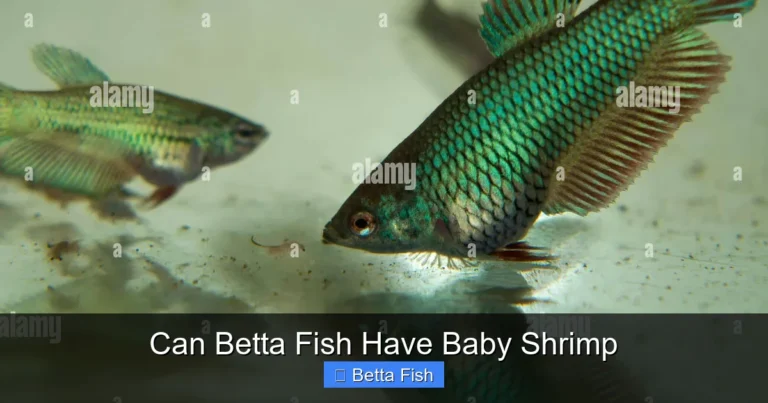
Can Bettas Be Put in with Other Fish
Yes, bettas can live with other fish—but it depends on the species, tank size, and the betta’s personality. Choosing peaceful, non-aggressive tank mates and providing a well-planted, spacious aquarium significantly increases your chances of success. Avoid fin-nippers, brightly colored fish, and other bettas unless carefully managed.
Key Takeaways
- Bettas are territorial: They may attack fish that resemble them in color, shape, or finnage, especially in small tanks.
- Tank size matters: A minimum of 20 gallons is recommended when housing bettas with other fish to reduce stress and aggression.
- Choose calm, small tank mates: Species like neon tetras, corydoras, and ghost shrimp often work well with bettas.
- Avoid fin-nippers and aggressive fish: Tiger barbs, guppies, and other flashy or nippy species are risky choices.
- Monitor behavior closely: Even compatible species can clash; watch for signs of stress or aggression during the first few weeks.
- Provide hiding spots and plants: Live plants, caves, and decorations help break lines of sight and reduce confrontations.
- Introduce new fish slowly: Use a quarantine tank and acclimate new arrivals carefully to prevent disease and aggression.
📑 Table of Contents
Can Bettas Be Put in with Other Fish?
If you’ve ever kept a betta fish, you know how stunning and full of personality they are. With their flowing fins and bold colors, it’s no wonder they’re one of the most popular pet fish in the world. But what happens when you want to add more life to your aquarium? Can bettas be put in with other fish?
The short answer is yes—but it’s not always simple. Bettas are known for being territorial, especially males. That means they don’t always get along with just any tank mate. The good news? With the right setup, the right species, and careful observation, many bettas can live peacefully in a community tank.
In this guide, we’ll explore everything you need to know about keeping bettas with other fish. We’ll cover which species are safe, which to avoid, how to set up your tank for success, and what signs to watch for. Whether you’re a beginner or a seasoned aquarist, this article will help you create a harmonious underwater world.
Understanding Betta Behavior
Why Bettas Are Considered Aggressive
Bettas, especially males, are naturally territorial. In the wild, they defend small areas against rivals. This instinct doesn’t disappear in captivity. A male betta may see another brightly colored fish—or even one with long fins—as a threat. As a result, he might flare, chase, or attack.
It’s important to remember that not all bettas are the same. Some are more laid-back, while others are highly aggressive. Females tend to be less aggressive than males, but even they can be feisty. Knowing your betta’s personality is key before introducing any tank mates.
Territory and Stress
Stress plays a big role in how your betta reacts to other fish. A cramped tank, poor water quality, or lack of hiding spots can make your betta more irritable. When stressed, even a normally calm betta may become aggressive.
To reduce stress, provide plenty of space and enrichment. Live plants, caves, and driftwood not only look great—they also give your betta places to claim as his own and escape if needed. This helps him feel secure and less likely to lash out.
Best Tank Mates for Bettas
Peaceful Community Fish
When choosing tank mates for your betta, look for species that are calm, small, and won’t compete for the same space. Avoid anything flashy or fast-moving that might trigger your betta’s aggression.
Good options include:
- Neon tetras: Small, fast, and usually stay in the middle of the tank. Their blue and red colors are subtle enough not to provoke most bettas.
- Ember tetras: Even smaller than neons, with a gentle orange glow. They’re peaceful and tend to school, which can distract a curious betta.
- Corydoras catfish: Bottom dwellers that mind their own business. They help clean up leftover food and are great for community tanks.
- Harlequin rasboras: Calm, mid-level swimmers that don’t bother bettas and add nice movement to the tank.
Always introduce new fish slowly and monitor interactions. Even peaceful species can sometimes clash with a particularly feisty betta.
Invertebrates: Shrimp and Snails
If you’re nervous about adding fish, consider invertebrates instead. Many bettas do well with certain types of shrimp and snails.
Ghost shrimp are a popular choice. They’re transparent, fast, and help clean algae. Some bettas may try to eat them, but if the tank is large enough and has hiding spots, ghost shrimp can thrive.
Amano shrimp are larger and better at avoiding predators. They’re excellent algae eaters and usually safe with bettas.
As for snails, nerite snails and mystery snails are great options. They’re slow-moving, have hard shells, and won’t bother your betta. Plus, they help keep the tank clean.
Just be aware that some bettas may nip at snail antennae. If this happens, it’s best to remove the snail to prevent injury.
Fish to Avoid with Bettas
Fin-Nippers and Aggressive Species
Some fish are simply not compatible with bettas. These include species that are known to nip fins or are overly aggressive.
Tiger barbs are a classic example. They’re fast, nippy, and love to chase slow-moving fish like bettas. Even in groups, they can stress out your betta and cause serious damage to his fins.
Guppies might seem like a good idea because they’re small and colorful, but their bright tails can trigger a betta’s aggression. Male guppies, in particular, may be seen as rivals.
Other fish to avoid include:
- Cichlids: Most are too aggressive and territorial.
- Goldfish: They require cooler water and produce a lot of waste, making them poor tank mates for bettas.
- Other bettas: Male bettas should never be housed together. Females can sometimes live in groups (called sororities), but this requires careful planning and a large tank.
Brightly Colored or Long-Finned Fish
Even if a fish isn’t aggressive, its appearance can set off your betta. Fish with bright red, blue, or flowing fins may be mistaken for another betta.
For example, male endlers or swordtails might look too similar to a betta, leading to fights. Stick with duller-colored or smaller species to minimize risk.
Setting Up a Community Tank for Bettas
Tank Size and Layout
One of the most important factors in keeping bettas with other fish is tank size. A small bowl or 5-gallon tank is not suitable for a community setup.
Aim for at least 20 gallons when adding tank mates. This gives everyone enough space to establish territories and reduces the chance of conflict. Larger tanks also dilute aggression and make it easier for fish to avoid each other.
When arranging your tank, create distinct zones. Use plants, rocks, and decorations to break up sightlines. This way, your betta can’t see the entire tank at once, which helps reduce stress and aggression.
Water Conditions and Filtration
Bettas prefer warm, clean water with a temperature between 76–82°F (24–28°C). Most compatible tank mates thrive in similar conditions, so matching water parameters is usually easy.
Use a gentle filter to avoid strong currents. Bettas don’t like fast-moving water, and a powerful filter can stress them out. Sponge filters or adjustable hang-on-back filters work well.
Perform regular water changes—about 25% weekly—to keep ammonia and nitrite levels low. Clean water is essential for reducing stress and preventing disease.
Introducing New Fish to Your Betta
Quarantine First
Before adding any new fish to your betta’s tank, quarantine them for at least two weeks. This helps prevent the spread of diseases like ich or fin rot.
Set up a separate tank with similar water conditions and observe the new fish for signs of illness. Only introduce them to the main tank once you’re sure they’re healthy.
Slow and Steady Introduction
When it’s time to add the new fish, do it gradually. Float the bag in the tank for 15–20 minutes to equalize temperature. Then, slowly add small amounts of tank water to the bag over 30 minutes.
After acclimation, release the new fish into the tank. Watch your betta closely for the first few hours. If he flares or chases, don’t panic—some initial posturing is normal. But if aggression continues, you may need to separate them.
Have a Backup Plan
Always be ready to remove a fish if things go wrong. Keep a spare tank or divider on hand. It’s better to be safe than sorry.
Remember, not every betta will accept tank mates. If your betta is extremely aggressive, it’s okay to let him live alone. A happy, healthy betta is the goal—not a crowded tank.
Signs of Compatibility and Conflict
Positive Signs
When bettas and other fish get along, you’ll notice:
- Calm swimming patterns
- No chasing or flaring
- Fish eating normally
- Peaceful coexistence during feeding
If your betta ignores the other fish or only shows mild curiosity, that’s a great sign. Over time, they may even develop a sort of routine, occupying different parts of the tank.
Warning Signs
On the flip side, watch for these red flags:
- Constant chasing or nipping
- Torn or frayed fins
- Hiding or refusal to eat
- Excessive flaring or gill puffing
If you see any of these, act quickly. Prolonged stress can weaken your betta’s immune system and lead to illness. Remove the aggressor or the victim, depending on the situation.
Final Thoughts
So, can bettas be put in with other fish? Absolutely—but it requires thought, preparation, and ongoing observation. The key is choosing the right tank mates, providing enough space, and understanding your betta’s unique personality.
Start with peaceful, non-threatening species like corydoras or neon tetras. Avoid fin-nippers and flashy fish. Set up a spacious, well-decorated tank with plenty of hiding spots. And always monitor behavior closely during the first few weeks.
With patience and care, you can create a beautiful, thriving community tank that includes your betta. Just remember: every fish is different. What works for one betta might not work for another. Stay flexible, stay informed, and most importantly—enjoy the journey.
Frequently Asked Questions
Can male bettas live with other fish?
Yes, male bettas can live with other fish, but it depends on the species and the individual betta’s temperament. Peaceful, small fish like corydoras or neon tetras are often good choices. Always monitor behavior closely after introduction.
Can female bettas live with other fish?
Female bettas are generally less aggressive than males and can often coexist with peaceful community fish. However, they can still be territorial, so tank size and setup are important. A 20-gallon tank with hiding spots is ideal.
What fish should I avoid with bettas?
Avoid fin-nippers like tiger barbs, brightly colored fish like guppies, and aggressive species like cichlids. Also, never house male bettas together. These combinations often lead to stress, injury, or death.
Can bettas live with snails or shrimp?
Yes, many bettas do well with snails and shrimp. Nerite snails, mystery snails, ghost shrimp, and amano shrimp are popular choices. Provide hiding spots to increase their chances of survival.
How big should a tank be for bettas with other fish?
A minimum of 20 gallons is recommended when keeping bettas with other fish. Larger tanks reduce aggression and give everyone enough space to establish territories. Smaller tanks increase the risk of conflict.
What should I do if my betta attacks other fish?
If your betta shows persistent aggression, separate the fish immediately. Use a tank divider or move the aggressor or victim to a different tank. Not all bettas are suited for community living, and that’s okay.