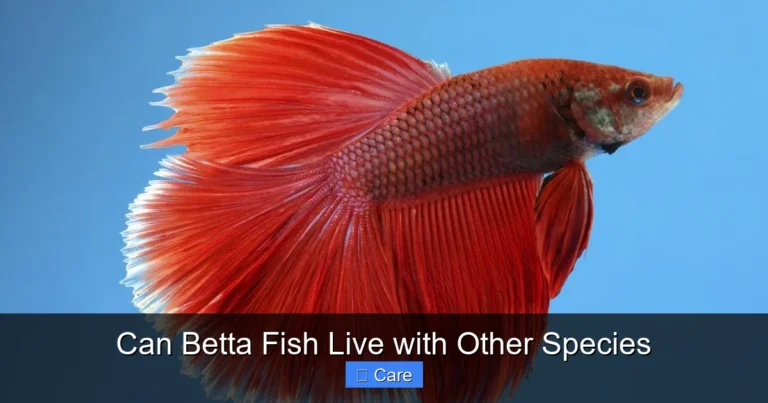
Can a Betta Fish Live With a Turtle Find Out Here

Can a betta fish live with a turtle is a common question for new aquarium owners. Most turtles are too aggressive, messy, or cold-water dependent for a betta fish to thrive safely. You will learn the real risks, tank requirements, and better tank mate options in this guide.
This is a comprehensive guide about can a betta fish live with a turtle.
Key Takeaways
- Aggression risk: Many turtles bite, chase, or stress betta fish, making cohabitation unsafe.
- Water temperature mismatch: Betta fish need warm water, while most turtles prefer cooler conditions.
- Water quality issues: Turtles produce heavy waste that can quickly dirty a shared tank.
- Tank size matters: A very large, well-filtered tank may reduce risk, but success is still rare.
- Hiding places help: Plants, caves, and territories can lower stress, but they do not guarantee safety.
- Better tank mates exist: Calm fish, snails, or shrimp may suit a betta fish better than turtles.
- Watch behavior closely: If you try a shared setup, monitor feeding, hiding, and injury signs daily.
[FEATURED_IMAGE_PLACEHOLDER]
Can a Betta Fish Live With a Turtle: The Short Answer
Many people ask, can a betta fish live with a turtle, because both animals seem small and peaceful at first glance. The short answer is usually no. Most turtles and betta fish have very different needs, and putting them together often creates stress, injury, or poor water quality.
A betta fish is a warm-water tropical fish with a long, flowing fin set. Turtles are reptiles that often swim quickly, explore everything, and may see small fish as food or competition. Even a calm turtle can disturb a betta fish just by moving around the tank.
That does not mean every situation is impossible. Some large, well-planned aquariums can reduce risk. Still, for most home hobbyists, the safest choice is to keep them separate. This guide explains why, what to watch for, and what alternatives may work better.
Why Turtles and Betta Fish Usually Do Not Mix Well
The biggest issue is behavior. Turtles are curious and often nippy. They may chase moving objects, nibble fins, or bump into tank mates. A betta fish can become stressed by constant movement, even if the turtle never attacks directly.
Another problem is size and speed. Many aquatic turtles are faster and stronger swimmers than a betta fish. If a turtle corners a betta fish, the fish may not have an easy escape. Stress can weaken the fish over time, even without visible injury.
Turtle Behavior to Watch For
Some turtle behaviors make shared tanks difficult:
- Chasing: Turtles may follow fish around the tank.
- Nipping: Some turtles bite fins or tails out of curiosity.
- Bumping: A turtle can accidentally injure a betta fish while turning or feeding.
- Food competition: Turtles often eat quickly and may leave little for smaller tank mates.
These behaviors do not happen in every turtle, but they are common enough that caution matters. If you already own both animals, observe them carefully before deciding to combine them.
Water Temperature and Habitat Needs
Temperature is another major reason people wonder, can a betta fish live with a turtle, and often get a no answer. Betta fish usually need warm water. They do best when the temperature stays stable and tropical. Turtles, especially many common aquatic species, often prefer cooler or more variable conditions.
When you try to meet both needs in one tank, one animal may suffer. If the water is too warm for the turtle, the turtle may become sluggish or stressed. If the water is too cool for the betta fish, the fish may become inactive, eat less, and get sick more easily.
Filtration and Water Quality
Turtles are known for producing a lot of waste. Their food, shedding, and swimming can cloud water faster than many fish do. That means a shared tank needs strong filtration and frequent maintenance. Even then, water quality can drop quickly.
A betta fish is sensitive to poor water conditions. Dirty water can lead to stress, fin problems, and disease. If a turtle makes the tank harder to keep clean, the fish pays the price.
Quick tips for water care in any community tank:
- Use a powerful filter suited to the tank size.
- Test water regularly for ammonia, nitrite, and nitrate.
- Do partial water changes on a steady schedule.
- Avoid overfeeding, especially with messy animals.
Tank Size and Setup Requirements
If you still want to know can a betta fish live with a turtle, tank size is one of the first details to check. A small tank is almost never a good idea for both animals. Turtles need space to swim and bask. Betta fish need room to establish territory and rest without constant pressure.
A larger tank gives more stable water and more room for hiding spots. It also helps reduce direct confrontation. Even so, a big tank does not automatically make the pairing safe. It only gives you a better chance to manage the environment.
Hiding Places and Territory
A well-decorated tank can help lower stress. Betta fish often appreciate places to rest and hide. Turtles also use rocks, driftwood, and plants as part of their environment. The goal is to create zones so the fish is not always in the open.
Helpful setup ideas include:
- Live or artificial plants: These can break line of sight and give the fish cover.
- Caves or tunnels: Hiding spots give the fish a retreat.
- Open swimming areas: Turtles need room to move, so do not overcrowd the tank.
- Basking space: If the turtle needs dry land, provide a proper basking area.
Keep in mind that decorations must be safe. Sharp edges can tear fins. Loose items can trap animals. Every piece should be secured and aquarium-safe.
Feeding Challenges in a Shared Tank
Feeding time can be stressful in a mixed-species tank. Turtles often eat aggressively. They may swallow food quickly and ignore slower eaters. A betta fish may struggle to get its share if the turtle dominates the feeding area.
Uneaten food also affects water quality. If the turtle leaves scraps or if the fish cannot eat in peace, waste builds up. That can lead to cloudy water, odor, and health problems.
How to Reduce Feeding Competition
If you attempt a shared setup, careful feeding can help:
- Feed in different spots if possible.
- Use sinking foods and floating foods strategically.
- Watch whether the betta fish gets enough to eat.
- Remove leftovers quickly.
- Consider separate feeding times if competition is high.
These steps may lower conflict, but they do not remove the underlying risk. Some turtles are simply too dominant at mealtime.
Health, Stress, and Safety Concerns
Stress is one of the most serious hidden dangers in a shared tank. A betta fish may look fine at first, then slowly show signs of trouble. Stress can weaken the immune system and make the fish more vulnerable to illness.
Watch for common warning signs:
- Hiding more than usual
- Faded color
- Clamped fins
- Loss of appetite
- Slow or uneven swimming
- Visible injuries or torn fins
If you see these signs, the setup may not be working. Sometimes the problem is the turtle. Other times, it is the water quality or lack of shelter. In any case, quick action matters.
When Separation Is the Safer Choice
Sometimes the best answer to can a betta fish live with a turtle is to keep them apart. Separation is especially wise if:
- The turtle is large or very active.
- The betta fish has long, delicate fins.
- The tank is not large enough for both animals.
- The turtle shows chasing or biting behavior.
- Water quality becomes hard to control.
A separate tank gives each animal the environment it needs. It also removes the risk of injury and competition. For many hobbyists, that peace of mind is worth it.
Better Tank Mate Options for a Betta Fish
If you want company for your betta fish, there are often safer choices than turtles. The best tank mates are calm, non-aggressive, and compatible with warm water. They should not chase the fish or compete too heavily for food.
Some hobbyists explore other options, such as peaceful bottom dwellers, small snails, or certain shrimp. Others look at compatible fish that stay out of the betta fish’s way. The right choice depends on tank size, filtration, and the personality of the betta fish.
Choosing Compatible Species
Before adding any new animal, consider these points:
- Temperament: Avoid species that are known to nip or bully.
- Water needs: Choose animals that share similar temperature and water conditions.
- Size: Very small animals may be eaten, while very large ones may overwhelm the tank.
- Behavior: Some animals stay near the bottom, which may reduce conflict.
If you are curious about other pairings, you can read more about can a betta fish live with a bottom feeder. You may also want to explore can freshwater snail live with a betta fish for a quieter tank mate option. Another useful read is can a betta fish live with a ghost shrimp if you want a small, low-conflict addition.
How to Decide If a Turtle and Betta Fish Can Share a Tank
If you are still considering the setup, use a careful checklist. Do not rely on hope alone. Look at the actual animals, the tank, and your ability to maintain the environment.
A Simple Decision Checklist
Ask yourself these questions:
- Is the tank large enough for both animals long term?
- Can you keep the water warm enough for the betta fish without harming the turtle?
- Is the turtle calm, or does it chase and nip?
- Do you have strong filtration and a regular cleaning routine?
- Can you provide hiding places for the fish?
- Are you ready to separate them if problems appear?
If you answer no to several of these, the pairing is probably not a good idea. If you answer yes to most, you may still want to proceed cautiously and watch closely.
Expert Insight
Many experienced keepers suggest treating turtle-and-betta combinations as high-risk. Even when the animals seem calm at first, behavior can change. Feeding, growth, and seasonal activity can all affect how they interact.
A good rule is to start with the safest option. If you want a peaceful community tank, choose animals with similar needs and low aggression. If you want a turtle, give it a dedicated setup. If you want a betta fish, focus on stable water, warm temperatures, and calm companions.
Key Takeaways for Betta Fish and Turtle Owners
Here is the main point to remember: can a betta fish live with a turtle is a question with a cautious answer. In many cases, the risks outweigh the benefits. Turtles can be messy, bold, and unpredictable. Betta fish need calm, warm, clean water and a safe place to thrive.
If you still want to try a shared tank, make it a large, well-filtered setup with plenty of hiding spots. Monitor behavior every day. Be ready to separate the animals if you see stress, injury, or water quality problems. For most people, separate tanks are the simplest and safest path.
A betta fish can live a beautiful, healthy life without a turtle in its tank. Choosing the right environment matters more than forcing an unusual pairing.
Frequently Asked Questions
Can a betta fish live with a turtle in the same tank?
Usually not safely. Most turtles are too active, too messy, or too likely to chase a betta fish. A shared tank can cause stress, injury, and poor water quality unless the setup is very large and carefully managed.
What kind of turtle could live with a betta fish?
Some calm, less aggressive turtles may be less problematic, but there is still risk. Even a gentle turtle can create water quality issues or accidentally disturb the fish. Species choice matters, but behavior and tank size matter even more.
Can a baby turtle live with a betta fish?
A baby turtle may seem small, but it can still stress a betta fish. Baby turtles often grow quickly and may become more active or nippy over time. A shared tank can become unsafe as the turtle gets larger.
Do turtles eat betta fish?
Some turtles may try to eat small fish, especially if the fish is slow, injured, or trapped. Even if a turtle does not hunt the betta fish directly, chasing and nipping can still cause serious harm.
What temperature is best if a betta fish shares a tank with a turtle?
This is one of the hardest parts of the setup. Betta fish generally need warmer water, while many turtles prefer cooler conditions. If you cannot meet both needs comfortably, one animal may become stressed or unhealthy.
What are safer tank mates for a betta fish instead of a turtle?
Safer options are usually calm animals with similar water needs and low aggression. Depending on the tank, some hobbyists choose quiet bottom dwellers, snails, or small shrimp. The best choice depends on your tank size, filtration, and the betta fish’s personality.