Can Bettas Eat Other Fish
Betta fish are natural carnivores and opportunistic hunters, which means they absolutely can and sometimes do eat other fish — especially smaller ones that fit in their mouths. While bettas are better known for attacking and nipping at tank mates rather than consuming them whole, their predatory instincts are real. Understanding their diet, temperament, and proper tank setup is essential if you want to keep bettas with other fish safely.
Key Takeaways
- Bettas are carnivorous predators: In the wild, bettas eat insects, larvae, and small crustaceans, giving them a natural hunting drive that can extend to tiny tank mates.
- Size matters enormously: Bettas are most likely to eat fish small enough to fit in their mouths, such as neon tetra fry, baby guppies, or micro rasboras.
- Attacking is more common than eating: Most bettas will chase, nip, and harass other fish rather than consume them, but the stress can still be fatal for tank mates.
- Male bettas are more aggressive: Male bettas are significantly more territorial and predatory than females, making them riskier companions for other fish.
- Proper tank setup reduces risk: A spacious tank with plenty of hiding spots, plants, and visual barriers dramatically lowers aggression and predation.
- Choose tank mates carefully: Bottom-dwelling fish like corydoras and larger, peaceful species are the safest options for community tanks with bettas.
- A well-fed betta is less aggressive: Keeping your betta on a consistent, protein-rich diet reduces the likelihood of them hunting tank mates out of hunger.
📑 Table of Contents
- Can Bettas Eat Other Fish? The Honest Answer
- Understanding the Betta Fish: Natural Diet and Instincts
- Do Bettas Actually Eat Other Fish in Aquariums?
- What Fish Are Most at Risk Around Bettas?
- Can Bettas Live Safely with Other Fish?
- Feeding Your Betta to Reduce Aggression
- Male vs. Female Bettas: Does Gender Matter?
- Signs Your Betta Is a Danger to Tank Mates
- Frequently Asked Questions About Bettas and Other Fish
- Final Thoughts: Can Bettas Eat Other Fish?
Can Bettas Eat Other Fish? The Honest Answer
If you have ever watched your betta fish stare down a smaller tank mate with those intense little eyes, you have probably wondered — can bettas eat other fish? It is one of the most common questions new betta owners ask, and the answer is not as simple as a yes or no. The truth sits somewhere in the middle, and understanding why requires a closer look at what bettas are, what they eat, and how they behave in a home aquarium.
Betta fish, also known as Siamese fighting fish, are stunning, vibrant creatures that have captured the hearts of aquarium hobbyists around the world. Their flowing fins and bold colors make them one of the most popular pet fish on the planet. But behind that beauty lies a fierce predator with instincts honed over thousands of years in the shallow rice paddies and slow-moving streams of Southeast Asia. In this article, we will break down everything you need to know about bettas and their relationship with other fish — from their natural diet to practical tips for keeping a peaceful community tank.
Understanding the Betta Fish: Natural Diet and Instincts
What Bettas Eat in the Wild
To understand whether bettas eat other fish, we first need to look at what they eat in their natural habitat. Betta splendens are native to Thailand, Cambodia, Vietnam, and parts of Laos. In the wild, they live in shallow, warm waters like rice paddies, marshes, and slow-moving streams. These environments are rich in small prey, and bettas have evolved to be efficient little hunters.
Their natural diet consists primarily of insects and insect larvae, including mosquito larvae, water fleas, daphnia, brine shrimp, and tiny worms. They are obligate carnivores, meaning their bodies are designed to process animal protein, not plant matter. They have upturned mouths perfectly adapted for snatching prey from the water surface, and their digestive systems are short and efficient — built for processing meat, not vegetation.
While fish are not a primary food source for wild bettas, they are opportunistic feeders. If a tiny fish or fry swims too close and fits in a betta’s mouth, there is a real chance the betta will try to eat it. This is not malice — it is simply survival instinct. In the wild, any small, moving creature that fits in your mouth is potential food.
How Domestication Has Changed (and Not Changed) Bettas
Modern bettas have been selectively bred for over a century, primarily for their color, fin shape, and aggression. The bettas you see in pet stores are far removed from their wild ancestors in terms of appearance, but their instincts remain largely intact. They still have the same carnivorous diet, the same territorial behavior, and the same hunting drive.
Selective breeding has actually made some bettas more aggressive than their wild counterparts. Male bettas, in particular, have been bred for fighting, which amplifies their natural territorial instincts. This means a pet store betta may be even more likely to attack or attempt to eat a small tank mate than a wild betta would be.
Do Bettas Actually Eat Other Fish in Aquariums?
The Reality of Betta Predation
So, do bettas eat other fish in home aquariums? The honest answer is: sometimes, but not usually in the way you might imagine. Most adult bettas cannot eat a full-grown fish of any reasonable size. Their mouths are simply too small. A typical adult betta is only about 2.5 to 3 inches long, and their mouths are proportionally tiny.
However, bettas will eat fish that are small enough to fit in their mouths. This includes:
- Fish fry: Baby guppies, mollies, platies, and even betta fry are all at risk if housed with an adult betta.
- Very small species: Some nano fish, like ember tetras or tiny rasboras, may be seen as food depending on the individual betta’s temperament.
- Shrimp: Cherry shrimp and other small invertebrates are often viewed as snacks by bettas. If you are curious about this, check out our guide on can betta fish eat shrimp for more details.
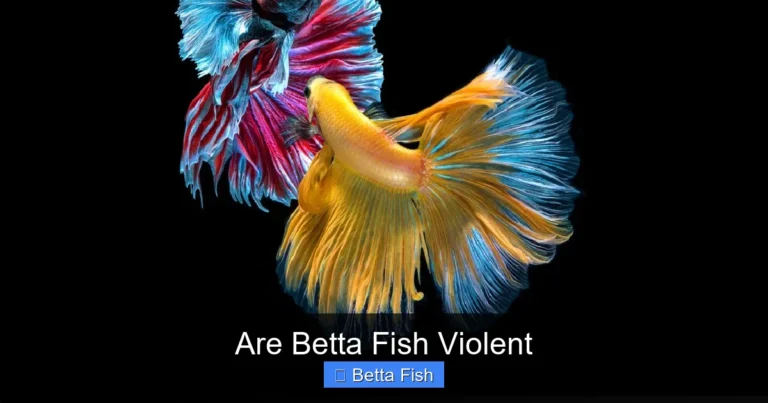
What is more common than outright eating is aggressive behavior. Bettas are far more likely to chase, nip fins, and harass other fish than to consume them. This aggression can be just as deadly — stressed fish are vulnerable to disease, and constant harassment can lead to injury and death even if the betta never actually eats the other fish.
Factors That Influence Betta Aggression Toward Other Fish
Not every betta is a killing machine. Several factors determine how likely your betta is to eat or attack other fish:
- Individual temperament: Just like people, bettas have unique personalities. Some are relatively calm and tolerant, while others are relentless aggressors.
- Gender: Male bettas are generally more aggressive than females. If you are considering a community tank, keeping female bettas with other fish is often a safer bet.
- Tank size: A small tank amplifies territorial behavior. Bettas in cramped spaces are much more likely to attack tank mates.
- Tank layout: Tanks with plenty of plants, caves, and visual barriers give other fish places to hide and break the betta’s line of sight, reducing aggression.
- Hunger: A betta that is not being fed enough may be more inclined to hunt tank mates. A consistent feeding schedule with high-quality food is essential.
What Fish Are Most at Risk Around Bettas?
Small and Tiny Fish Species
The fish most at risk of being eaten by a betta are those small enough to be considered prey. This includes most fish fry, baby livebearers, and very small nano species. If a fish can fit in a betta’s mouth, it is potentially on the menu.
Some specific examples of fish that are at higher risk include:
- Neon tetra fry or very young neon tetras
- Baby guppies and Endler’s livebearers
- Cherry shrimp and ghost shrimp
- Microrasboras like the green neon rasbora
- Small snail species (bettas may attack and eat tiny snails)
Fish That Trigger Betta Aggression
Even fish too large to be eaten can be at risk if they trigger a betta’s territorial or aggressive instincts. Bettas are particularly reactive to:
- Fish with bright colors: Bettas may see colorful fish as rivals and attack them.
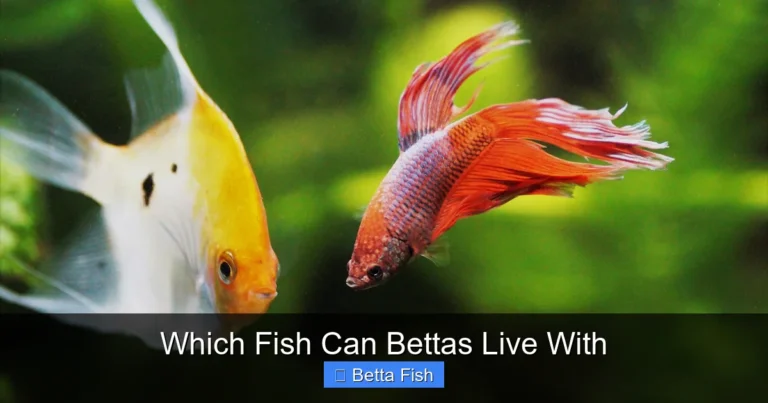
- Fish with long, flowing fins: Guppies, angelfish, and other long-finned species can be mistaken for rival bettas.
- Fish that occupy the same water level: Bettas are top-to-mid-level swimmers, so fish that share this space are more likely to be targeted.
- Fast, darting fish: Quick movements can trigger a betta’s hunting response.
Can Bettas Live Safely with Other Fish?
Choosing the Right Tank Mates
Despite their reputation, bettas can live peacefully with other fish — if you choose the right companions and set up the tank properly. The key is selecting fish that are too large to eat, not colorful enough to trigger aggression, and occupy a different area of the tank.
Some of the best tank mates for bettas include:
- Corydoras catfish: These peaceful bottom-dwellers stay out of the betta’s way and are too large to be eaten. They also help clean up leftover food.
- Kuhli loaches: These eel-like bottom dwellers are shy, nocturnal, and generally ignored by bettas.
- Harlequin rasboras: These mid-level schooling fish are fast enough to avoid bettas and are not flashy enough to trigger aggression.
- Ember tetras: Small but generally fast and non-threatening, though very tiny ones may be at risk.
- Amano shrimp: Larger than cherry shrimp, Amano shrimp are usually safe with bettas and are excellent algae eaters.
- Nerite snails: Their hard shells protect them from betta attacks, and they are great for algae control.
For a more detailed breakdown of compatible species, check out our comprehensive guide on what other fish can bettas live with.
Tank Setup for a Peaceful Community
The tank environment plays a huge role in whether a betta will coexist peacefully with other fish. Here are the essential elements of a betta-friendly community tank:
- Tank size: A minimum of 20 gallons is recommended for a community tank with a betta. Larger tanks give fish more space to establish territories and avoid each other.
- Live plants: Plants like java fern, anubias, and hornwort provide hiding spots and break up sight lines, reducing aggression.
- Caves and decorations: Driftwood, rocks, and ceramic caves give shy fish places to retreat.
- Gentle filtration: Bettas prefer calm water, so a sponge filter or low-flow filter is ideal.
- Proper lighting: Moderate lighting helps plants grow and creates a natural environment that reduces stress for all fish.
Feeding Your Betta to Reduce Aggression
The Importance of a Proper Diet
One of the simplest ways to reduce your betta’s desire to hunt tank mates is to make sure they are well-fed. A hungry betta is a hunting betta. Providing a consistent, high-protein diet keeps your betta satisfied and less likely to view tank mates as food.
A healthy betta diet should include:
- High-quality betta pellets: These should be the staple of your betta’s diet. Look for pellets with protein as the first ingredient.
- Freeze-dried or frozen foods: Bloodworms, brine shrimp, and daphnia are excellent protein-rich treats that mimic a betta’s natural diet.
- Variety: Rotating between different food types ensures your betta gets a balanced range of nutrients.
Feed your betta once or twice a day, offering only as much food as they can consume in about two minutes. Overfeeding can lead to water quality problems, which stress all the fish in the tank. For more information on feeding, visit our article on what can betta fish eat.
Feeding Schedule Tips
Establishing a regular feeding routine helps keep your betta calm and content. Here are some practical tips:
- Feed at the same time each day so your betta learns when to expect food.
- Offer a mix of pellets and frozen or freeze-dried treats throughout the week.
- Consider one fasting day per week to mimic natural feeding patterns and aid digestion.
- Remove any uneaten food after a few minutes to prevent water contamination.
Male vs. Female Bettas: Does Gender Matter?
Male Bettas and Other Fish
Male bettas are the most commonly kept type, and they are also the most aggressive. Their territorial nature means they are more likely to attack, chase, and potentially eat other fish. If you want to keep a male betta in a community tank, you need to be extra careful about tank mate selection and tank setup.
That said, many male bettas do fine with the right companions. It often comes down to the individual fish’s personality. Some male bettas are surprisingly docile, while others will terrorize anything that moves. Always have a backup plan — like a separate tank or divider — in case things do not work out.
Female Bettas and Other Fish
Female bettas are generally less aggressive than males, though they can still be territorial. They are often a better choice for community tanks. Female bettas can even be kept together in groups called sororities, though this requires a large tank and careful monitoring.
If you are specifically interested in keeping a female betta with other fish, our guide on can female bettas live with other fish covers everything you need to know about compatible species and tank requirements.
Signs Your Betta Is a Danger to Tank Mates
Warning Signs to Watch For
Even with the best planning, some bettas simply cannot coexist with other fish. Here are the warning signs that your betta is a genuine threat to tank mates:
- Constant chasing: If your betta relentlessly pursues other fish without letting up, this is a serious problem.
- Fin nipping: Bettas that bite the fins of other fish can cause severe injury and infection.
- Flaring and gill puffing: While occasional flaring is normal, constant displays of aggression toward tank mates are a red flag.
- Cornering other fish: If your betta traps other fish in corners or against decorations, intervention is needed.
- Visible injuries on tank mates: Torn fins, missing scales, or stress stripes on other fish mean your betta is causing harm.
What to Do When Aggression Occurs
If your betta is showing dangerous levels of aggression, act quickly:
- Separate the fish immediately: Use a tank divider or move the betta or the target fish to a separate tank.
- Reassess the tank setup: Add more plants, hiding spots, and visual barriers.
- Consider rehoming: Some bettas are simply not suited for community life, and that is okay. A solo betta tank can be a beautiful and enriching environment on its own.
Frequently Asked Questions About Bettas and Other Fish
Can a Betta Eat a Guppy?
Bettas and guppies are generally not recommended as tank mates. Guppies have bright colors and long, flowing fins that can trigger a betta’s aggression. While an adult guppy is usually too large for a betta to eat whole, the betta may nip at the guppy’s fins relentlessly. Baby guppies, however, are small enough to be eaten and are at serious risk.
Can Bettas Eat Neon Tetras?
Adult neon tetras are typically too large for bettas to eat, but they can still be targets of aggression. Neon tetras are small, fast, and tend to school in the mid-level of the tank — right where bettas patrol. Very young or small neon tetras could potentially be eaten. If you want to try this combination, a larger tank with plenty of plants is essential.
Will a Betta Eat Snails?
Bettas may attack snails, especially smaller species like baby mystery snails or ramshorn snails. Larger snails like nerite snails and mystery snails are usually safe because their shells protect them. However, some bettas are persistent and may harass snails by pecking at their antennae or trying to flip them over.
Final Thoughts: Can Bettas Eat Other Fish?
So, can bettas eat other fish? The answer is yes — but with important caveats. Bettas are natural carnivores with real hunting instincts. They will eat fish small enough to fit in their mouths, and they will aggressively harass fish that trigger their territorial behavior. However, with the right tank mates, a properly sized and decorated tank, and a consistent feeding routine, many bettas can live peacefully in community setups.
The key takeaway is that every betta is different. Some are gentle enough to share a tank with a variety of species, while others are solitary predators that should live alone. Pay attention to your betta’s behavior, be prepared to make changes, and always prioritize the safety and well-being of all your fish. A happy betta and a peaceful tank are absolutely achievable — it just takes a little knowledge and a lot of observation.
Frequently Asked Questions
Can bettas eat other fish in a community tank?
Bettas can eat very small fish or fry that fit in their mouths, but they are more likely to attack and harass other fish than consume them whole. Choosing tank mates that are too large to eat and setting up the tank properly greatly reduces the risk.
What size fish is safe to keep with a betta?
Fish that are at least 1.5 to 2 inches long and too big to fit in a betta’s mouth are generally safe. Bottom-dwellers like corydoras and larger peaceful species are the best choices for betta community tanks.
Do bettas eat fish fry?
Yes, bettas will readily eat fish fry, including baby guppies, mollies, and even betta fry. If you are breeding fish, it is essential to separate the fry from adult bettas to ensure their survival.
Are female bettas less likely to eat other fish than males?
Female bettas are generally less aggressive than males, making them somewhat safer for community tanks. However, they can still be territorial and may eat very small fish or fry, so careful tank mate selection is still important.
How do I stop my betta from attacking other fish?
To reduce aggression, provide a spacious tank of at least 20 gallons with plenty of plants, caves, and visual barriers. Feed your betta a consistent, high-protein diet and choose tank mates that are peaceful, fast, and occupy different areas of the tank.
Can bettas live with shrimp?
Bettas often view small shrimp like cherry shrimp as food and will eat them. Larger shrimp like Amano shrimp are usually safer, but individual betta temperament varies, so there are no guarantees.