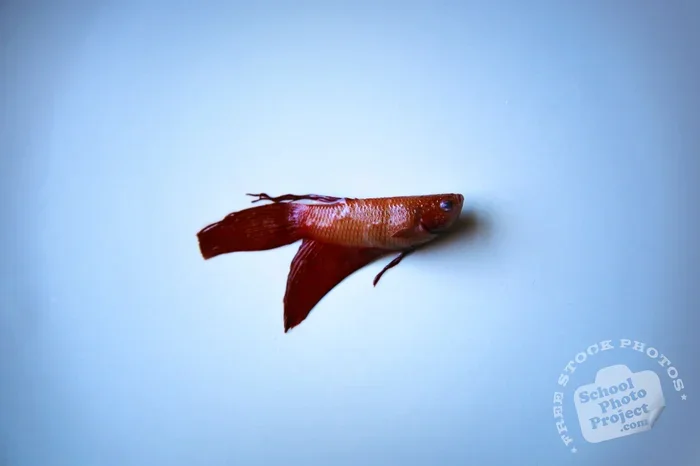
How Do You Know If Your Betta Fish Is Scared

Knowing how do you know if your betta fish is scared is essential for every betta owner. Watch for hiding, color fading, rapid breathing, and avoidance—these are clear scared betta fish behavior signs. Creating a calm betta fish environment with proper tank setup and consistent routines helps your fish feel secure and reduces betta fish stress.
Key Takeaways
- Watch for hiding and avoidance: A scared betta fish will often hide behind plants or avoid swimming in open areas of the tank.
- Color changes signal fear: A stressed or frightened betta may lose color intensity or develop dark stress marks on its body.
- Rapid gill movement and clamped fins: These physical signs show your betta is in a fear or anxiety state and feels threatened.
- Common causes include tank mates and poor water quality: Aggressive companions, loud noises, and dirty water all contribute to a scared betta fish.
- Provide plenty of hiding spots: Plants, caves, and decorations give your betta a safe retreat and help build confidence.
- Maintain a consistent routine: Regular feeding times and stable water conditions reduce anxiety and promote a happy betta fish.
- Slow introductions are key: Whether adding new tank mates or making tank changes, always do it gradually to minimize fear responses.
📑 Table of Contents
- How Do You Know If Your Betta Fish Is Scared
- Understanding Betta Fish Fear Behavior
- Common Signs Your Betta Fish Is Scared
- What Causes Fear in Betta Fish
- How to Help Your Scared Betta Fish Feel Safe
- Building a Fear-Free Betta Fish Environment
- When to Seek Help for Your Betta Fish
- Expert Insights on Betta Fish Fear
- Key Takeaways
- Frequently Asked Questions
- Conclusion
How Do You Know If Your Betta Fish Is Scared
Betta fish are fascinating pets. They have big personalities, bold colors, and unique behaviors that make them a favorite among fish keepers. But just like any living creature, bettas can feel fear. Understanding how do you know if your betta fish is scared is one of the most important skills every betta owner needs to develop.
When a betta fish is scared, it shows clear signs. These signs can be easy to miss if you do not know what to look for. A frightened betta might hide all day, stop eating, or even change color. Ignoring these signals can lead to bigger problems like betta fish stress, illness, or a shortened lifespan.
This guide will walk you through every sign of fear in betta fish. You will learn what causes your betta to feel threatened, and most importantly, how to help your fish feel safe and confident in its home. Let us dive in.
Understanding Betta Fish Fear Behavior
Bettas are naturally territorial and sensitive creatures. In the wild, they rely on their instincts to survive. When something in their betta fish environment feels off, they react. This reaction is their fear response.
Unlike dogs or cats, bettas do not show fear in obvious ways. They do not cower or whimper. Instead, their fear shows up through subtle changes in betta fish behavior. Learning to read these behaviors is the first step toward becoming a better fish owner.
Why Betta Fish React to Fear
Bettas have a strong “fight or flight” instinct. When they sense danger, their body releases stress hormones. These hormones prepare them to either defend themselves or escape. In a home tank, the “danger” might be something harmless like a new decoration or a curious hand near the glass.
Chronic fear is especially harmful. A stressed betta fish has a weakened immune system. This makes it more vulnerable to diseases like fin rot and ich. That is why recognizing fear early matters so much for your fish’s betta fish health.
Common Signs Your Betta Fish Is Scared
So how do you actually tell if your betta is afraid? There are several clear indicators. Let us break them down one by one.
Hiding Constantly
This is the most obvious sign. A confident betta fish likes to explore its tank. It swims openly, patrols its betta fish territory, and shows off its fins. But a scared betta will disappear behind plants, caves, or other decorations and stay there for hours.
Occasional hiding is normal. Bettas need alone time. But if your fish hides every single day and refuses to come out, something is wrong. It may feel unsafe in its own home.
Color Changes and Stress Marks
Bettas are known for their vibrant colors. When a betta becomes frightened, its body can change dramatically. Look for these color shifts:
- Fading colors: A scared betta may lose its bright pigmentation. The body looks pale or washed out.
- Dark stress marks: Horizontal dark lines or bands may appear on the body. These are classic betta fish stress marks.
- Black spots: Some bettas develop small black dots when they are extremely anxious or frightened.
These color changes are your fish’s way of communicating distress. The good news is that colors usually return once the fear source is removed.
Clamped Fins
A healthy betta holds its fins wide open and flowing. When a fish is scared or uncomfortable, it tucks its fins close to its body. This is called “clamping.” Clamped fins signal that your betta is trying to protect itself. It is a clear indicator of discomfort or betta fish fright.
Rapid Breathing and Gill Flaring
Watch your betta’s gills closely. A relaxed fish breathes slowly and steadily. A frightened fish breathes fast. You may also notice excessive gill flaring, which is a defensive behavior. Your betta is essentially saying, “I am ready to fight if I have to.” This rapid breathing is a direct betta fish fear response.
Loss of Appetite
Bettas are greedy eaters by nature. If your fish suddenly stops eating or only picks at food, fear could be the cause. A scared betta fish prioritizes survival over meals. This is why it is important to check for other fear signs alongside appetite changes.
Erratic Swimming Patterns
Some frightened bettas swim frantically. They dart around the tank without purpose. Others may dash to one side and stay there. This erratic behavior is very different from normal exploration. It shows your fish is trying to escape something it perceives as a threat.
What Causes Fear in Betta Fish
Now that you know the signs, let us talk about the causes. Understanding what makes a betta fish scared helps you prevent problems before they start.
Aggressive Tank Mates
Bettas are famous for their aggression, especially males. They are best kept alone or with very peaceful betta fish tank mates. If you house a betta with a nippy or territorial fish, your betta will live in constant fear. Fin nipping from other fish is a common trigger for chronic stress and anxiety.
Sudden Environmental Changes
Bettas hate surprises. Moving the tank, rearranging decorations, or changing the water all trigger fear responses. Even something as simple as tapping the glass can scare your fish. Always make changes gradually. This gives your betta time to adjust and reduces the chance of a betta fish stress response.
Poor Water Quality
Dirty or unconditioned water makes any fish uncomfortable. Ammonia spikes, high nitrates, and incorrect temperature all cause stress. Your betta may not understand why it feels bad, but its body reacts with fear-like symptoms. Regular water testing and cleaning are essential parts of betta fish care.
Loud Noises and Vibrations
Bettas are sensitive to sound. Loud music, TV noise, or vibrations from nearby speakers can unsettle them. Place your tank in a quiet area of your home. Avoid placing it near doors, speakers, or high-traffic zones.
Overcrowded Tanks
Too many fish or too many objects in a small tank creates a cramped environment. Your betta feels it has no space to call its own. A spacious tank with defined territories gives your fish the confidence to explore and thrive.
How to Help Your Scared Betta Fish Feel Safe
Once you identify that your betta is scared, the next step is action. Here are proven methods to help your fish overcome fear and build confidence.
Add Plenty of Hiding Spots
Hiding spots are a must for any betta tank. Live or silk plants, caves, driftwood, and floating decorations all work well. These give your betta a retreat when it feels overwhelmed. A well-decorated tank mimics a natural habitat and helps your fish feel secure.
You can learn more about proper tank setup in our guide on how to care for a betta fish.
Maintain a Consistent Routine
Bettas love predictability. Feed at the same times each day. Keep the light schedule consistent. Avoid sudden changes. A stable routine removes uncertainty and helps your betta fish feel in control of its environment.
Check and Improve Water Conditions
Clean water is the foundation of a happy betta. Test your water weekly. Keep the temperature between 76 and 82 degrees Fahrenheit. Use a water conditioner to remove chlorine. If you are unsure about water changes, check our article on how often you should clean your betta fish bowl for helpful guidance.
Avoid Aggressive Tank Mates
If your betta is scared because of another fish, rehome the aggressive companion immediately. Bettas should never be forced to share space with bullies. Choose peaceful species like snails or ghost shrimp if you want to add companions. Always monitor interactions closely.
Minimize Noise and Activity Near the Tank
Move the tank to a calmer spot if possible. Keep the area around the tank quiet. Avoid tapping the glass or sudden movements near the water. Over time, your betta will learn that its surroundings are safe.
Use Slow Introductions for Any Changes
Whether you are adding a new plant, changing the substrate, or introducing a new friend, go slow. Make one change at a time. Give your betta a few days to adjust before introducing anything new. This approach prevents triggering a betta fish fear response.
Building a Fear-Free Betta Fish Environment
The best approach is prevention. Design your tank so that fear never becomes an issue in the first place. Here are key elements of a fear-free environment.
Choose the Right Tank Size
A 5-gallon tank is the minimum for a single betta. Larger tanks are even better. More space means more room to swim, explore, and establish a comfortable territory. Small bowls or containers restrict movement and increase stress levels.
Set Up a Natural Layout
Arrange your tank to mimic a natural river or pond environment. Use plants along the back and sides. Leave the center open for swimming. Add a few driftwood pieces or smooth rocks. This layout gives your betta both open space and covered areas, balancing exploration and security.
Use Gentle Filtration and Lighting
Strong filters create currents that tire out bettas. Use a gentle sponge filter instead. Similarly, bright LED lights can stress your fish. Use low to medium lighting and set a consistent day-night schedule. Dim lighting in the evening helps your betta wind down and feel safe.
Compare: Scared Betta vs. Happy Betta
Understanding the difference between a scared and a happy betta helps you monitor progress. Here is a quick comparison:
- Scared Betta: Hides constantly, fades in color, clamps fins, refuses food, swims erratically, rapid gill movement.
- Happy Betta: Swims freely, displays bright colors, holds fins wide open, eats eagerly, moves with purpose, breathes calmly.
If your fish shifts from the left column toward the right, you are doing something right. Keep up the great work.
When to Seek Help for Your Betta Fish
Most fear-related behaviors improve with proper care and adjustments. However, some situations require professional attention. Contact a fish health expert or aquatic veterinarian if:
- Your betta stops eating for more than three days.
- Color loss persists even after removing the stressor.
- You notice torn fins, white spots, or signs of disease.
- Fear behaviors last more than two weeks despite changes.
Sometimes fear is a symptom of an underlying health issue. It is always better to be safe. You can also read about identifying illness in our article on how to tell if your betta fish is sick to rule out health problems.
Remember, a happy betta fish is a healthy betta. Addressing fear early sets the foundation for a long and joyful life for your pet.
Expert Insights on Betta Fish Fear
Aquarium specialists agree that prevention is the best cure for a scared betta. Dr. Linda Wells, an aquatic animal behaviorist, notes, “Bettas respond strongly to their surroundings. Small, consistent improvements in their environment lead to dramatic behavioral changes over time.”
The key takeaway is patience. Do not expect your fish to adjust overnight. Give it time, space, and a stable environment. Gradually, your betta will go from hiding in corners to showing off its beautiful fins with confidence.
Key Takeaways
- Watch for hiding and avoidance: A scared betta fish will often hide behind plants or avoid swimming in open areas of the tank.
- Color changes signal fear: A stressed or frightened betta may lose color intensity or develop dark stress marks on its body.
- Rapid gill movement and clamped fins: These physical signs show your betta is in a fear or anxiety state and feels threatened.
- Common causes include tank mates and poor water quality: Aggressive companions, loud noises, and dirty water all contribute to a scared betta fish.
- Provide plenty of hiding spots: Plants, caves, and decorations give your betta a safe retreat and help build confidence.
- Maintain a consistent routine: Regular feeding times and stable water conditions reduce anxiety and promote a happy betta fish.
- Slow introductions are key: Whether adding new tank mates or making tank changes, always do it gradually to minimize fear responses.
Frequently Asked Questions
How can I tell if my betta fish is scared or just shy?
A shy betta may hide briefly but still explore its tank daily. A scared betta hides constantly, refuses food, shows clamped fins, and may lose color. Shyness is a personality trait. Fear is a reaction to a specific trigger. Watch for physical signs like stress marks and rapid breathing to tell the difference.
Can a betta fish recover from chronic fear?
Yes, most bettas recover fully when the source of fear is removed. Providing hiding spots, clean water, a consistent routine, and a peaceful environment helps them rebuild confidence. Recovery takes time, usually one to three weeks. Be patient and make changes gradually.
What should I do if my betta fish is scared of my hand?
This is very common. Move your hand slowly and avoid reaching into the tank suddenly. Let your betta get used to your presence by placing your hand near the glass for a few minutes each day. Over time, your fish will associate your hand with feeding and stop being afraid.
Does tank size really affect how scared a betta fish feels?
Absolutely. A small bowl limits a betta’s ability to establish territory and swim freely. This creates constant stress. A 5-gallon tank or larger gives your fish room to explore and retreat. Proper tank size is one of the simplest ways to reduce fear and improve overall well-being.
Are certain betta fish colors more prone to showing fear?
All bettas can show fear, but lighter-colored bettas tend to display color changes more visibly. Darker bettas may develop stress marks that are easier to notice. Regardless of color, all bettas share the same physical fear responses like hiding, clamped fins, and rapid breathing.
Can playing with my betta fish help reduce its fear?
Yes, gentle interaction helps. You can use a mirror briefly to encourage natural flaring behavior, which builds confidence. You can also try training tricks using food rewards. Check out our guide on how to play with your betta fish for fun activities that strengthen your bond and reduce anxiety.
Conclusion
Learning how do you know if your betta fish is scared is a vital part of responsible fish ownership. Every betta deserves to feel safe and confident in its home. By watching for signs like hiding, color changes, clamped fins, and loss of appetite, you can catch fear early and take action.
Address the causes. Improve the environment. Stick to a routine. Your betta fish can go from frightened to fearless with the right care. Pay attention, be patient, and enjoy watching your betta grow into a happy, healthy, and confident companion.