How Many Betta Fish in a 75 Gallon Tank
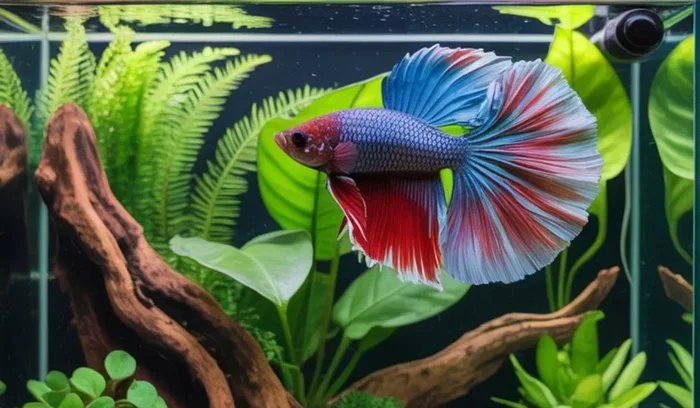
A 75 gallon tank is an excellent choice for betta fish owners who want more space and flexibility. You can comfortably keep 1 betta fish in a 75 gallon tank, and with proper planning, you may add compatible tank mates. The large water volume helps maintain stable parameters, which leads to healthier and happier bettas. Let us explore exactly how to stock and care for a 75 gallon betta tank the right way.
A 75 gallon tank opens up a world of possibilities for betta fish keepers. If you have been wondering how many betta fish in a 75 gallon tank, you are in the right place. This guide covers everything you need to know about stocking, care, and creating a beautiful underwater environment. Whether you are a beginner or a seasoned aquarist, this article will help you make the best decisions for your fish.
The short answer is simple. One betta fish is the ideal choice for a 75 gallon tank. But that does not mean you cannot add other creatures. The large water volume gives you flexibility. It also makes maintaining water quality much easier compared to smaller tanks. Let us dive deeper into why this tank size works so well.
Key Takeaways
- 1 Betta Fish Is Ideal: A single betta thrives best in a 75 gallon tank with room to swim.
- Tank Mates Are Possible: You can add peaceful species like corydoras, tetras, and snails to a 75 gallon setup.
- Water Stability Matters: The large volume of a 75 gallon tank makes it easier to maintain stable temperature and pH.
- Filtration and Heating Are Essential: A quality filter and heater keep the environment clean and comfortable.
- Overstocking Is a Real Risk: Too many fish in a 75 gallon tank can lead to poor water quality and stress.
- Regular Maintenance Is Key: Weekly water changes and cleaning routines keep your tank healthy long term.
📑 Table of Contents
- Why a 75 Gallon Tank Is Great for Betta Fish
- How Many Betta Fish Can You Keep in a 75 Gallon Tank
- Setting Up a 75 Gallon Betta Tank
- Maintenance and Care for a 75 Gallon Betta Tank
- Common Mistakes to Avoid
- How Long Do Betta Fish Live in a 75 Gallon Tank
- Expert Insights on Betta Fish in Large Tanks
- Final Thoughts
Why a 75 Gallon Tank Is Great for Betta Fish
A 75 gallon tank offers significant advantages over smaller setups. Bettas are active swimmers, and they appreciate open space. A larger tank also means more stable water conditions. This is especially important for betta fish health and longevity.
Water Stability and Quality
In a small tank, parameters like ammonia and nitrite can spike quickly. A 75 gallon tank dilutes waste more effectively. This means your water parameters stay more consistent. Stable water conditions reduce stress and help your betta thrive.
Here is why water stability matters so much:
- Ammonia levels stay lower with more water volume.
- Temperature swings are less likely in a larger tank.
- pH fluctuations are easier to manage over time.
- Chemical imbalances are diluted and less harmful.
When you compare this to a betta fish in a 10 gallon tank, the difference is clear. A 75 gallon tank gives your fish room to breathe and explore. It also gives you more room for error when it comes to maintenance schedules.
Swimming Space and Enrichment
Bettas are curious creatures. They love to explore their surroundings. A 75 gallon tank allows you to create a rich and engaging environment. You can add plants, caves, and open swimming areas. This kind of setup keeps your betta mentally stimulated.
Many fish owners ask, do betta fish get bored in a tank. The answer is yes, they can. A small, bare tank can lead to boredom and stress. A larger tank with plenty of enrichment helps prevent these issues. Your betta will display more natural behaviors and brighter colors.
How Many Betta Fish Can You Keep in a 75 Gallon Tank
The golden rule for a 75 gallon tank is one betta fish. Bettas are territorial by nature. They need their own space to feel secure. Adding more than one betta to the same tank can lead to aggression and fighting. This is true even in a large tank.
Can You Keep Multiple Bettas Together?
Some fish keepers wonder if they can house two or more bettas together. The answer is generally no. Male bettas, in particular, should never be kept together. They will fight and can seriously injure each other. Even female bettas can be aggressive in confined spaces.
If you want to add more fish to your 75 gallon tank, consider peaceful species that do not resemble bettas. Avoid fish with bright colors or long fins. These can trigger territorial behavior in your betta.
Tank Mate Options for a 75 Gallon Betta Tank
A 75 gallon tank gives you the freedom to add compatible tank mates. Here are some great options:
- Corydoras Catfish: Peaceful bottom dwellers that stay out of your betta’s way.
- Neon Tetras: Small, colorful fish that school beautifully in groups.
- Snails: Nerite snails and mystery snails help clean algae without bothering your betta.
- Rasboras: Active and peaceful, they add movement to the upper levels of the tank.
- Ghost Shrimp: Low maintenance and great for tank cleanup.
Before adding any tank mates, research their needs carefully. Make sure the species share similar water parameters with bettas. Always introduce new fish slowly and monitor behavior closely.
If you are curious about keeping other fish alongside your betta, check out our guide on can you have other fish in a betta tank for detailed advice.
Setting Up a 75 Gallon Betta Tank
Proper setup is the foundation of a healthy aquarium. A 75 gallon tank requires the right equipment and thoughtful planning. Here is everything you need to consider.
Filtration
A good filter is essential for any aquarium, and a 75 gallon tank is no exception. Choose a filter rated for tanks larger than 75 gallons. This ensures strong mechanical and biological filtration. A canister filter or a hang-on-back filter works well for this size.
Filtration removes harmful waste and keeps the water clean. It also supports the growth of beneficial bacteria. These bacteria break down ammonia and nitrite, keeping your betta safe.
Heating
Bettas are tropical fish. They need warm water to stay healthy. The ideal temperature range is between 76 and 82 degrees Fahrenheit. Use a reliable aquarium heater with a thermostat to maintain consistent warmth.
In a 75 gallon tank, you may need two heaters for even heat distribution. Place one near the filter output and one on the opposite side. This prevents cold spots and keeps the entire tank at a stable temperature.
Plants and Decorations
A well-decorated tank makes your betta feel at home. Live plants are the best choice. They provide natural hiding spots and improve water quality. Some great plant options include:
- Java Fern: Low maintenance and hardy.
- Anubias: Grows slowly and thrives in low light.
- Amazon Sword: Large and dramatic, perfect for a big tank.
- Floating Plants: Hornwort and frogbit provide shade and cover.
Add caves, driftwood, and smooth rocks for extra enrichment. Avoid sharp decorations that can damage your betta’s delicate fins. A well-planted tank also mimics your betta’s natural habitat, which reduces stress.
Maintenance and Care for a 75 Gallon Betta Tank
Even with a large tank, regular maintenance is non-negotiable. A 75 gallon tank is not a set-and-forget setup. You still need to stay on top of cleaning and water changes.
Water Changes
Perform a 25 to 30 percent water change every week. This removes accumulated waste and keeps water parameters in check. Use a gravel vacuum to clean the substrate during each water change.
If you are unsure how to change water properly, our guide on how to change the water in a betta fish tank walks you through the process step by step.
Testing Water Parameters
Test your water regularly using a liquid test kit. Monitor ammonia, nitrite, nitrate, and pH levels. Here is a quick reference for ideal betta water parameters:
- Ammonia: 0 ppm
- Nitrite: 0 ppm
- Nitrate: Below 20 ppm
- pH: 6.5 to 7.5
- Temperature: 76 to 82 degrees Fahrenheit
Catching an imbalance early can save your betta’s life. Test at least once a week, especially during the first few months of cycling your tank.
Cleaning Schedule
Keep a consistent cleaning routine. Here is a simple schedule you can follow:
- Weekly: 25 to 30 percent water change and gravel vacuuming.
- Bi-Weekly: Wipe down the glass and check equipment.
- Monthly: Rinse filter media in removed tank water.
- Quarterly: Trim plants and inspect decorations for wear.
Sticking to a schedule prevents problems before they start. Your betta will thank you with vibrant colors and active behavior.
Common Mistakes to Avoid
Even experienced fish keepers make mistakes. Here are some common errors to watch out for when setting up a 75 gallon betta tank.
Overstocking the Tank
It is tempting to fill a 75 gallon tank with lots of fish. Resist that urge when it comes to bettas. One betta is plenty for this size tank. Overstocking leads to poor water quality, excess waste, and stressed fish.
Remember that every fish adds to the bioload. Even peaceful community fish produce waste. Calculate the total bioload before adding any new inhabitants.
Skipping the Cycling Process
Never add your betta to an uncycled tank. The nitrogen cycle is essential for breaking down harmful toxins. A new 75 gallon tank needs at least 4 to 6 weeks to cycle properly. Use a liquid test kit to confirm that ammonia and nitrite levels are at zero before introducing your fish.
Using the Wrong Equipment
Cheap filters and heaters can fail without warning. Invest in reliable equipment from trusted brands. A good filter and heater protect your betta and save you money on vet bills in the long run.
Neglecting Tank Mates
Just because a 75 gallon tank allows for tank mates does not mean any fish will work. Avoid aggressive or fin-nipping species. Always research compatibility before making any additions to your aquarium.
How Long Do Betta Fish Live in a 75 Gallon Tank
A well-maintained 75 gallon tank can help your betta live a long and healthy life. Bettas typically live between 3 and 5 years. Some lucky fish keepers report their bettas living even longer with excellent care.
The large water volume in a 75 gallon tank plays a big role in your betta’s lifespan. Stable water conditions reduce stress and support the immune system. Your betta is less likely to develop common illnesses like fin rot or ich when living in a spacious, clean environment.
If you want to learn more about betta lifespan in different tank sizes, check out our article on how long do betta fish live in a tank for in-depth information.
Compared to a betta kept in a small unfiltered container, the difference is dramatic. A 75 gallon tank gives your fish the best possible quality of life. It allows natural swimming behavior and promotes overall well-being.
Expert Insights on Betta Fish in Large Tanks
Many aquarists assume bettas only need small tanks because of their size in pet stores. This is a common misconception. In the wild, bettas live in large rice paddies and slow-moving streams. They need space to thrive, not just survive.
A 75 gallon tank closely mimics a natural habitat. It gives your betta room to explore, rest, and hunt. Enrichment items like plants and caves make the environment more stimulating. You will notice your betta becoming more active and colorful over time.
Experienced fish keepers also emphasize the importance of a filtered tank for bettas. While bettas can survive in unfiltered water, a filter makes long-term care much easier. It maintains cleaner water and reduces the frequency of water changes.
Final Thoughts
A 75 gallon tank is one of the best choices you can make for your betta fish. The spacious environment supports health, happiness, and natural behavior. Stick with one betta fish as your centerpiece, and feel free to add compatible tank mates for a vibrant community aquarium.
Remember to maintain a consistent cleaning schedule. Test your water regularly. Invest in quality filtration and heating equipment. These simple steps go a long way in keeping your betta thriving for years to come.
Whether you are setting up a new tank or upgrading an existing one, a 75 gallon setup offers incredible value and enjoyment. Your betta deserves the best, and this tank size delivers exactly that.
Frequently Asked Questions
Can I keep more than one betta fish in a 75 gallon tank?
It is not recommended. Male bettas are highly territorial and will fight each other. Even female bettas can show aggression in a shared space. Stick with one betta per tank to keep your fish safe and stress-free.
What is the best tank mate for a betta in a 75 gallon tank?
Corydoras catfish, neon tetras, and nerite snails are excellent choices. They are peaceful, non-threatening, and share similar water parameter needs. Always introduce new tank mates slowly and observe your betta’s reaction.
Do I need a filter in a 75 gallon betta tank?
Yes, absolutely. A filter keeps the water clean by removing waste and supporting beneficial bacteria. While bettas can technically survive without a filter, a 75 gallon tank benefits greatly from proper filtration for long-term water quality.
How often should I do water changes in a 75 gallon betta tank?
Aim for a 25 to 30 percent water change every week. This removes excess nitrates and keeps the environment healthy. Use a gravel vacuum during each change to clean the substrate effectively.
Can a betta fish live alone in a 75 gallon tank?
Yes, a betta fish can absolutely live alone in a 75 gallon tank. In fact, a single betta will thrive in this spacious environment. The large volume of water provides stable conditions and plenty of room for swimming and exploration.
Is a 75 gallon tank too big for a single betta fish?
Not at all. A 75 gallon tank gives your betta plenty of room to swim and explore. The larger water volume also makes it easier to maintain stable parameters. Your betta will be healthier and happier with more space to call home.
=== CONCLUSION ===
The answer to how many betta fish in a 75 gallon tank is one betta fish. This tank size gives your betta the space, stability, and enrichment it needs to truly thrive. You can also add peaceful tank mates to create a beautiful community aquarium. Just remember to avoid overstocking and keep up with regular maintenance. A well-planned 75 gallon tank is a rewarding setup that brings years of enjoyment for both you and your fish.