How Do Betta Fish Mate If They Kill Each Other

Betta fish have a complex relationship between mating and aggression. Understanding how betta fish mate if they kill each other requires knowing their courtship rituals, territorial instincts, and the right setup to keep them safe during breeding. This guide covers everything from betta fish mating behavior to practical tips for successful breeding without fatalities.
Betta fish are some of the most beautiful and fascinating creatures in the aquarium world. Their vibrant colors and flowing fins make them a favorite among fish keepers. But there is a dark side to their beauty. These fish are known for being aggressive. Many hobbyists wonder how betta fish mate if they kill each other. The truth is, betta fish mating and aggression are closely connected. Understanding this connection is the key to keeping your fish safe and healthy.
Betta fish, also known as Siamese fighting fish, have been bred for centuries for their fighting traits. This history shapes their behavior today. Male bettas, in particular, are highly territorial. They will fight other males to defend their space. But when it comes to mating, things get even more complicated. The aggression that makes them fighters also affects how they behave with potential mates. Let us dive deep into this topic and explore the full picture.
In this article, we will cover everything you need to know about betta fish mating and aggression. You will learn about their courtship rituals, why they fight, and how to breed them safely. Whether you are a beginner or an experienced fish keeper, this guide has something valuable for you.
Key Takeaways
- Betta fish are naturally aggressive: Their territorial instincts make cohabitation risky, especially during mating.
- Courtship rituals are fascinating: Betta fish display unique behaviors like bubble nest building and fin flaring before mating.
- Proper tank setup prevents deaths: Separating males and females until the right moment saves lives.
- Not all bettas kill each other: Some can coexist peacefully with the right conditions and tank mates.
- Breeding requires careful monitoring: Watching for aggression signs helps you intervene before harm occurs.
- Female bettas are less aggressive: Understanding gender differences helps you plan safer breeding setups.
📑 Table of Contents
The Mating Behavior of Betta Fish
Betta fish mating is a complex process. It involves specific rituals and behaviors that are both beautiful and intense. Understanding these behaviors is the first step in answering the question, “how do betta fish mate if they kill each other?”
Courtship Rituals
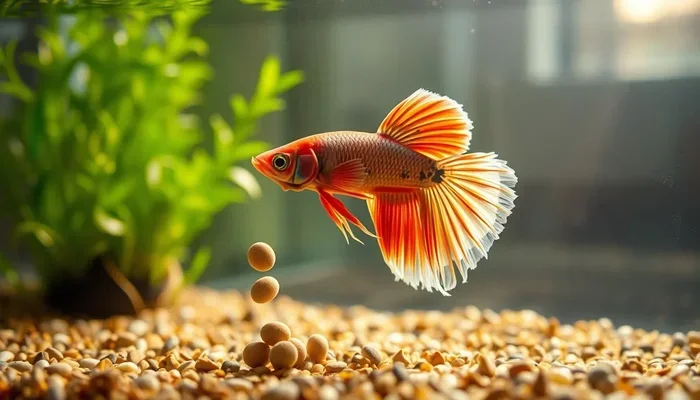
Before mating, male bettas go through an elaborate courtship. They build bubble nests at the water surface. These nests are made of saliva and air bubbles. The male betta works hard to create a safe place for eggs. He also flares his fins and displays bright colors to attract a female.
When a female is interested, she will show vertical stripes on her body. This is called “barring.” It signals that she is ready to mate. The male then wraps his body around the female to stimulate egg release. This process is called “spawning.” It can happen several times over a few hours.
The Role of Aggression During Mating
Aggression plays a big role in betta fish mating. The male betta can become very aggressive during this time. He may chase the female before mating. This behavior is normal but can be dangerous. If the female is not ready or too weak, the male may harm her.
After spawning, the male takes over. He guards the eggs and the bubble nest. He will chase away the female to protect the eggs. This is when fights can turn deadly. The female may become a target if she stays too close to the nest.
Why Do Betta Fish Kill Each Other?
Understanding why betta fish kill each other is essential for any breeder. These fish have strong survival instincts. Their aggression is not random. It serves a purpose in their natural behavior.
Territorial Instincts
Betta fish are territorial by nature. In the wild, they live in small rice paddies and shallow waters. Each male claims a small territory. He defends it fiercely against other males. This instinct does not disappear in captivity. In a small tank, two males will almost always fight.
The fight can escalate quickly. Betta fish have sharp teeth and strong jaws. They can cause serious injuries to each other. In many cases, the fights end with one fish dead. This is why do betta fish kill each other is such a common question among new fish keepers.
Stress and Poor Conditions
Stress is another major factor in betta fish aggression. When fish are kept in poor conditions, they become stressed. Poor water quality, lack of hiding spots, and small tanks all increase stress levels. Stressed bettas are more likely to lash out.
Even during mating, stress can trigger deadly fights. If the tank is too small or the conditions are wrong, the male may attack the female. This is why setting up the right environment is so important for safe breeding.
How to Breed Betta Fish Safely
Breeding betta fish can be a rewarding experience. But it requires careful planning and close monitoring. The goal is to allow mating while preventing injuries or deaths.
Setting Up the Breeding Tank
The breeding tank should be at least 10 gallons. It needs a warm temperature between 78 and 82 degrees Fahrenheit. The water should be clean and well-filtered. Add plenty of plants and hiding spots. These give the female a place to escape if the male becomes too aggressive.
Use a sponge filter to keep the water clean without creating strong currents. Bettas prefer still or slow-moving water. A gentle filter helps maintain water quality without stressing the fish.
The Introduction Process
Never put a male and female betta together in a small tank. Start by placing them in separate containers side by side. This lets them see each other without physical contact. Watch for signs of interest from both fish.
Once the female shows barring and the male builds a bubble nest, you can introduce them into the breeding tank. Do this carefully. Watch them closely for the first few hours. If the male chases the female too aggressively, separate them immediately.
Monitoring the Mating Process
During mating, stay close to the tank. Look for signs of excessive aggression. Some chasing is normal. But if the male bites the female or causes visible injuries, you need to intervene.
Remove the female if she is being harmed. The male will take care of the eggs on his own. He can keep the eggs safe in the bubble nest without the female present. This is a common practice among experienced betta breeders.
Can Betta Fish Live Together After Mating?
This is a tricky question. The answer depends on the individual fish and the setup. Some bettas can coexist peacefully after mating. Others cannot. It is important to know the signs of aggression and be ready to act.
Signs Your Betta Fish Are Getting Along
Look for these positive signs after mating:
- The male ignores the female or keeps a respectful distance.
- Both fish are eating normally.
- There is no fin nipping or chasing.
- The female has hiding spots she can retreat to.
If you see these signs, the pair may be able to share a tank. But continue to monitor them daily. Aggression can appear suddenly, even after a peaceful period.
When to Separate the Fish
Separate the fish if you notice any of these warning signs:
- The male flares at the female constantly.
- The female has torn fins or visible injuries.
- The male stops eating or becomes lethargic.
- There is continuous chasing without breaks.
Remember, do betta fish get along with each other depends on many factors. Tank size, personality, and past experiences all play a role. When in doubt, separate the fish. It is always better to be safe than sorry.
Common Mistakes Breeding Bettas Make
Many new breeders make avoidable mistakes. Learning from these errors can save your fish’s lives.
Using Too Small a Tank
A small tank concentrates aggression. Fish cannot escape from each other. This leads to stress and fights. Always use a tank that is at least 10 gallons for breeding.
Skipping the Quarantine Period
Never introduce new fish directly into the breeding tank. Quarantine them first. This helps prevent disease and allows you to observe their temperament. A quarantine period of two to four weeks is ideal.
Ignoring Warning Signs
Some breeders ignore early signs of aggression. They hope the fish will calm down. This is a dangerous approach. By the time serious fighting starts, injuries may already be severe. Always act quickly at the first sign of trouble.
Expert Tips for Successful Betta Breeding
Experienced breeders follow a few key practices that increase their success rate. Here are some tips to help you breed betta fish safely.
- Condition the fish before breeding: Feed both the male and female high-quality food for two weeks before introducing them. This prepares their bodies for spawning.
- Use a divider: A tank divider lets the fish see each other without physical contact. This reduces shock and stress during the introduction phase.
- Keep the lights dim: Bright lights can stress betta fish. Use soft lighting to create a calm environment for mating.
- Remove the male after spawning: Some breeders remove the male once the eggs are safely in the bubble nest. This prevents any chance of the male attacking the female.
- Watch the water parameters: Keep pH between 6.5 and 7.5. Maintain a stable temperature. Clean water reduces stress and promotes healthy egg development.
Following these tips gives you the best chance of a successful and safe breeding experience. Remember, patience is key. Do not rush the process. Let the fish set the pace.
Conclusion
The relationship between betta fish mating and aggression is complex but manageable. How do betta fish mate if they kill each other? The answer lies in understanding their natural instincts and providing the right environment. With proper tank setup, careful monitoring, and quick action when needed, you can breed betta fish successfully.
Always prioritize the safety of your fish. Watch for signs of aggression. Separate fish when necessary. And never skip the preparation steps. Breeding betta fish is a rewarding hobby, but it comes with responsibility. Respect their nature, and you will create a safe space for these beautiful creatures to thrive.
If you want to learn more about betta fish behavior, check out our guide on do betta fish get along with each other. You can also explore our article on why do betta fish kill each other for deeper insights into their aggressive behavior.
Frequently Asked Questions
Do Betta Fish Kill Each Other When They Mate?
Yes, betta fish can kill each other during mating. Male bettas are naturally aggressive, and their territorial instincts can turn deadly during courtship. This is why proper tank setup and monitoring are essential for safe breeding.
How Long Does the Betta Fish Mating Process Take?
The mating process can take several hours to a few days. Courtship begins with bubble nest building and fin flaring. Spawning itself happens over multiple sessions. After spawning, the male guards the eggs for about 24 to 48 hours until they hatch.
Can a Male and Female Betta Fish Live Together After Mating?
Sometimes, but it is risky. Many males become aggressive toward the female after spawning. It is best to separate them once the eggs are safely in the bubble nest. Always watch for signs of aggression and be ready to intervene.
What Should I Do If My Betta Fish Is Fighting During Mating?
Separate the fish immediately if fighting occurs. Use a tank divider or move one fish to a separate container. Check for injuries and treat them if needed. Always have a backup plan before introducing two bettas for breeding.
Why Do Male Betta Fish Flare Their Fins?
Male bettas flare their fins to display dominance and attract mates. It is a natural behavior seen during courtship and territorial disputes. While fin flaring is normal, excessive flaring can stress the fish out.
Is It Possible to Breed Betta Fish Without Any Aggression?
Complete elimination of aggression is unlikely. Bettas are bred for their fighting nature. However, you can minimize aggression with proper tank size, careful introduction, and close monitoring. Most successful breeders accept some level of aggression as part of the process.