Can You Put Sand in a Betta Fish Tank Heres the Truth
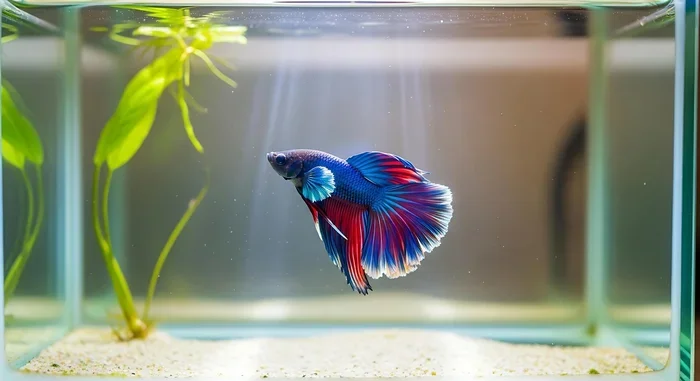
Can you put sand in a betta fish tank? Yes, but you must choose the right grain size, rinse it thoroughly, and keep an eye on water chemistry. This guide walks you through everything you need to know to keep your betta safe and thriving with a sand substrate.
When setting up a betta fish tank, one of the first questions new owners ask is can you put sand in a betta fish tank. The idea of a soft, natural‑looking bottom is appealing, but bettas have specific needs that make substrate choice important. In this article we’ll explore the pros and cons of using sand, how to prepare it correctly, and what to watch for after you add it to your aquarium.
We’ll also compare sand to other common substrates, share quick tips for maintenance, and point out common mistakes to avoid. By the end you’ll have a clear, actionable plan for deciding whether sand is the right fit for your betta’s home.
Key Takeaways
- Choose fine, inert sand: Opt for aquarium‑grade silica or play sand that is smooth and won’t alter pH.
- Rinse before use: Wash sand vigorously until runoff water is clear to remove dust and debris.
- Layer thickness matters: Keep the sand bed 1‑2 inches deep to prevent anaerobic pockets.
- Monitor water parameters: Sand can trap waste; test ammonia, nitrite, and nitrate regularly.
- Consider alternatives: If sand proves tricky, smooth gravel or bare‑bottom tanks work well for bettas.
📑 Table of Contents
- Why Substrate Matters for Betta Fish
- Can You Put Sand in a Betta Fish Tank? The Short Answer
- Benefits of Using Sand in a Betta Tank
- Potential Drawbacks and How to Mitigate Them
- Sand vs. Other Substrates: A Quick Comparison
- Quick Tips for a Successful Sand Substrate
- Common Mistakes to Avoid
- Expert Insights: What Seasoned Betta Keepers Say
- When to Consider Alternatives
- Final Thoughts on Can You Put Sand in a Betta Fish Tank
Why Substrate Matters for Betta Fish
Betta fish are native to shallow, slow‑moving waters of Southeast Asia where the bottom is often muddy or covered with fine sediment. In the wild they spend most of their time near the surface, but a suitable substrate still plays a role in:
- Providing a surface for beneficial bacteria to colonize.
- Anchoring live plants (if you choose to add them).
- Creating a natural aesthetic that reduces stress.
- Helping to stabilize water chemistry.
However, bettas have long, flowing fins that can tear on rough surfaces. That’s why the texture and grain size of any substrate are critical.
Can You Put Sand in a Betta Fish Tank? The Short Answer
Can you put sand in a betta fish tank? Absolutely, provided you follow a few key steps. Sand can give your tank a beautiful, river‑bed look and is gentle on betta fins when it’s fine and smooth. The main concerns are:
- Compaction and the formation of anaerobic zones.
- Dust clouding the water during initial setup.
- Potential impact on pH if the sand is not inert.
When you choose the right product, rinse it well, and maintain proper tank hygiene, sand becomes a safe and attractive option.
Types of Sand Suitable for Betta Tanks
Not all sand is created equal. Look for these characteristics:
- Fine grain size: 0.1‑0.5 mm prevents debris from sinking too deep and reduces the risk of anaerobic pockets.
- Inert composition: Silica‑based sand (often sold as “play sand” or “aquarium sand”) does not leach minerals that alter pH.
- Smooth texture: Avoid sharp or crushed substrates that could snag delicate fins.
Popular choices include:
- Aquarium‑grade silica sand (often marketed for cichlids or planted tanks).
- Pool filter sand (fine, uniform, and inexpensive).
- Natural river sand that has been baked and rinsed (ensure it’s free of contaminants).
If you’re unsure, a quick test is to place a handful in a container of vinegar; if it fizzes, the sand contains calcium carbonate and may raise pH—better to avoid it for bettas.
Preparing Sand Before Adding It to the Tank
Proper preparation prevents cloudy water and removes harmful particles. Follow these steps:
- Measure the amount you need (typically 1‑2 lb per gallon for a 1‑inch bed).
- Place the sand in a clean bucket.
- Fill the bucket with water and stir vigorously.
- Pour off the cloudy water; repeat until the runoff is clear (usually 5‑10 rinses).
- Optional: Soak the sand in a dechlorinated water solution for 15 minutes to neutralize any residual dust.
- Transfer the rinsed sand to the tank using a clean cup or scoop.
Tip: Perform this preparation outside or in a sink to avoid clogging your drain.
Benefits of Using Sand in a Betta Tank
When done correctly, sand offers several advantages:
- Gentle on fins: Fine, smooth grains are less likely to cause abrasions compared to rough gravel.
- Natural look: Mimics the betta’s native habitat, which can reduce stress and encourage natural behaviors.
- Plant friendly: Provides a stable base for rooted plants like Java fern, Anubias, or Cryptocoryne.
- Easy to clean: Waste tends to sit on the surface where it can be siphoned away during water changes.
Many aquarists also report that sand helps maintain a more stable temperature at the bottom of the tank, which can be beneficial in cooler rooms.
Potential Drawbacks and How to Mitigate Them
Sand isn’t without challenges. Being aware of them lets you prevent problems before they start.
1. Compaction and Anaerobic Pockets
If the sand bed is too deep or left undisturbed, debris can accumulate and create low‑oxygen zones that produce harmful hydrogen sulfide.
Mitigation:
- Keep the sand layer no deeper than 2 inches.
- Gently stir the surface during weekly water changes to release trapped gases.
- Consider adding a few Malaysian trumpet snails or small burrowing creatures that naturally aerate the substrate.
2. Cloudy Water During Setup
Even rinsed sand can release fine particles that cloud the water for a few hours.
Mitigation:
- Run your filter on high flow for the first 24 hours.
- Use a fine‑mesh filter sock or sponge to catch particulates.
- Perform a small water change (10‑15 %) after the cloudiness settles.
3. Impact on Water Chemistry
Some sands contain minerals that can raise pH or hardness.
Mitigation:
- Test your water before and after adding sand (pH, GH, KH).
- If you notice a shift, perform partial water changes with reverse‑osmosis or dechlorinated tap water to bring parameters back.
- Choose a sand labeled “inert” or “pH neutral.”
Sand vs. Other Substrates: A Quick Comparison
To help you decide, here’s a simple table comparing sand with two common alternatives: smooth gravel and bare‑bottom tanks.
| Feature | Sand | Smooth Gravel (3‑5 mm) | Bare‑Bottom |
|---|---|---|---|
| Fineness | Very fine (0.1‑0.5 mm) | Medium (3‑5 mm) | None |
| Risk to Fins | Low (if smooth) | Low‑moderate (edges can be slightly rough) | None |
| Plant Support | Good for rooted plants | Good (anchors well) | None (requires pots or floats) |
| Maintenance Effort | Medium (surface vacuuming) | Low (easy to siphon) | Low (no substrate to clean) |
| Cost | Low‑moderate | Low | None |
| Aesthetic Appeal | Natural, soft look | Traditional aquarium look | Minimalist, modern |
If you value a natural look and don’t mind a bit extra maintenance, sand is a strong contender. If you prefer the simplest routine, smooth gravel or a bare‑bottom setup may be better.
Quick Tips for a Successful Sand Substrate
- Start small: Try a ½‑inch sand bed in a quarantine tank first to see how your betta reacts.
- Use a sand‑safe siphon: Choose a gravel vacuum with a wide nozzle that won’t suck up sand.
- Monitor for signs of stress: Clamped fins, lethargy, or loss of appetite can indicate water quality issues.
- Add live plants gradually: Let the sand settle for a few days before planting to avoid uprooting.
- Consider a sand‑compatible filter: Sponge filters work well because they create gentle flow that won’t disturb the sand bed.
Common Mistakes to Avoid
- Using beach sand: It often contains salt, pollutants, and sharp shells.
- Skipping the rinse: Dust clouds the tank and can irritate gills.
- Making the bed too deep: Increases the chance of anaerobic zones.
- Ignoring water tests: Assuming sand is inert without verifying can lead to pH swings.
- Over‑cleaning: Vigorous stirring can release trapped toxins; gentle agitation is enough.
Expert Insights: What Seasoned Betta Keepers Say
We asked a few experienced betta hobbyists about their experiences with sand. Here’s what they shared:
“I’ve kept bettas in sand for over three years. The key is to keep the bed thin and to stir it lightly during water changes. My males show more bubble‑nesting behavior in a sand‑bottom tank than they did in gravel.” – Alex, Betta Forum Moderator
“I started with play sand from the hardware store, rinsed it until the water ran clear, and never looked back. The only issue I had was a slight pH rise after a month, which I fixed with regular water changes and a bit of driftwood to buffer.” – Jenna, Aquarium YouTuber
These real‑world accounts reinforce that sand works well when you respect its quirks.
When to Consider Alternatives
If you notice any of the following, it might be time to switch substrates:
- Persistent cloudiness despite rinsing.
- Measurable pH drift outside the betta’s ideal range (6.5‑7.5).
- Frequent anaerobic smells (rotten‑egg odor) from the substrate.
- Your betta shows chronic fin tearing or irritation.
In those cases, smooth gravel or a bare‑bottom setup with decorative rocks or driftwood can provide enrichment without the substrate risks.
Final Thoughts on Can You Put Sand in a Betta Fish Tank
So, can you put sand in a betta fish tank? The answer is a confident yes—provided you select the right type, prepare it properly, and maintain good tank hygiene. Sand offers a soft, natural environment that many bettas enjoy, and with the simple precautions outlined above, you can avoid the most common pitfalls.
Take the time to test your water, observe your betta’s behavior, and adjust as needed. Your fish will thank you with vibrant colors, active swimming, and perhaps even a beautiful bubble nest.
Frequently Asked Questions
Is play sand safe for betta fish?
Yes, play sand can be safe if it is silica‑based, free of additives, and thoroughly rinsed until the water runs clear. Always test the pH after adding it to ensure it remains stable.
How deep should the sand layer be in a betta tank?
A sand bed of 1 to 2 inches is ideal. This depth provides enough coverage for plants and beneficial bacteria while minimizing the risk of anaerobic pockets.
Do I need to vacuum sand like gravel?
You should gently surface‑vacuum the sand during water changes to remove waste, but avoid digging deep which can release trapped gases. A wide‑nozzle siphon works best.
Can sand cause pH changes in a betta tank?
Some sands contain minerals that can raise pH or hardness. Choose an inert, pH‑neutral sand and test your water before and after adding it to confirm stability.
What are the best plants for a sand substrate betta tank?
Plants that anchor well in sand include Java fern, Anubias, Cryptocoryne, and Vallisneria. You can also use floating plants like duckweed or water lettuce if you prefer not to root them.
Should I add any creatures to help keep the sand clean?
Small burrowing snails such as Malaysian trumpet snails or certain types of shrimp can help aerate the substrate and consume detritus, reducing the chance of anaerobic zones.