How Betta Fish Give Birth
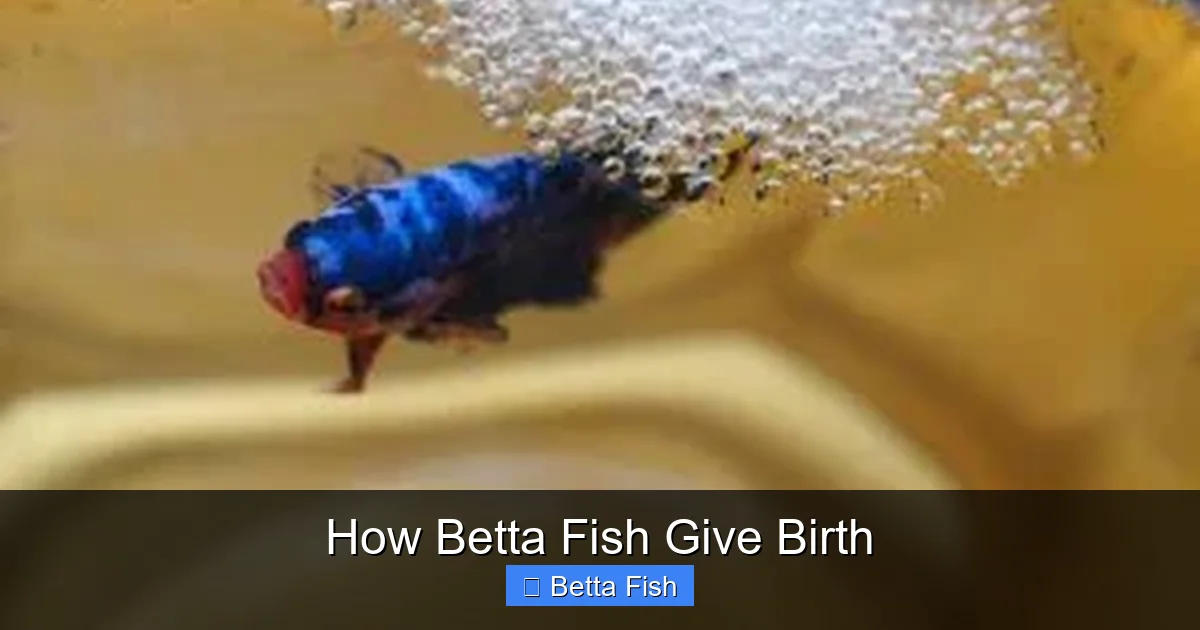
Betta fish don’t give birth like mammals; they are livebearers that release fully formed fry after a short gestation. This article walks you through the breeding cycle, signs of pregnancy, and how to care for newborn bettas so they thrive. Follow our simple steps and avoid common pitfalls for a successful betta breeding experience.
Key Takeaways
- Livebearing, not laying eggs: Betta fry are born fully formed after a 24‑48 hour “birth” period.
- Identify a pregnant female: Look for a round abdomen, darkened gravid spot, and subtle behavior changes.
- Prepare a separate fry tank: A small, filtered, and heater‑equipped tank protects newborns from the adult.
- Feed fry the right food: Infusoria and microworms are perfect first meals for tiny bettas.
- Monitor water quality closely: Frequent water changes prevent disease during this delicate stage.
- Separate males after spawning: Males may eat fry; keep them apart to increase survival rates.
- Patience pays off: Expect 20‑30 fry per batch; not all will survive, but proper care boosts numbers.
📑 Table of Contents
Introduction
When you hear the word “birth,” you probably picture a mammal delivering a newborn. Betta fish do it a little differently. These colorful, feisty little fighters are livebearers, meaning the female carries fertilized eggs inside her body and releases fully formed fry, not tiny eggs that hatch later. Understanding how betta fish give birth helps you create a safe environment for both the pregnant female and her delicate babies.
Whether you’re a beginner who just set up a Betta fish tank or an experienced hobbyist looking to expand your breeding program, this guide will walk you through every step—from spotting a pregnant betta to raising healthy fry.
1. The Science Behind Betta Reproduction
Livebearing vs. Egg‑Laying
Most fish lay eggs, but bettas belong to the family Osphronemidae, which includes other livebearers like gouramis. After mating, the female stores sperm in a specialized organ called the “spermatheca.” She can use this sperm to fertilize multiple batches of eggs over several weeks.
Gestation Timeline
The gestation period is short—usually 24 to 48 hours from the moment the female releases the fry. During this time, the embryos develop inside tiny “egg sacs” that are visible through the female’s translucent belly.
2. Recognizing a Pregnant Betta
Physical Signs
- Gravid spot: A darkened area near the vent that becomes more pronounced as the fry develop.
- Rounded abdomen: The belly swells noticeably, looking like a small watermelon.
- Color changes: Some females become brighter or develop a slight “mask” around the eyes.
Behavioral Clues
Pregnant bettas often become more reclusive, spending time near the surface or hiding among plants. They may also show reduced aggression toward tank mates.

Visual guide about How Betta Fish Give Birth
Image source: doujin-assets.dmm.co.jp
3. Preparing for the Birth
Setting Up a Fry Tank
A separate tank is essential. Use a 5‑gallon breeder with a gentle sponge filter and a heater set to 78‑80°F (25‑27°C). Add fine leaf litter or live plants like Java moss for hiding places.

Visual guide about How Betta Fish Give Birth
Image source: bpic.588ku.com
Water Parameters
Maintain a pH of 6.5‑7.5 and keep ammonia and nitrite at zero. Perform 25% water changes daily during the birthing window to keep the environment pristine.
Feeding the Mother
Give the pregnant female high‑quality betta pellets and occasional live foods (brine shrimp) to boost her energy reserves.
4. The Birth Process
What Happens During Delivery
When the fry are ready, the female will become very active, swimming to the surface and releasing the fry one by one. Each newborn is about 5‑7 mm long, fully formed with a tiny yolk sac that disappears within a few hours.
Immediate Care
Transfer the fry to the prepared tank using a soft net or a turkey baster. Avoid handling them directly; they are fragile and can be injured easily.
5. Feeding and Raising Betta Fry
First Foods
Start with infusoria (tiny protozoa) or commercially prepared fry foods. After 3‑4 days, introduce microworms or newly hatched brine shrimp.
Feeding Schedule
Offer small amounts 4‑5 times a day. Fry have tiny stomachs; overfeeding leads to water quality problems.
Growth Milestones
By two weeks, fry will develop their first true fins and begin showing the vibrant colors of adult bettas. At this point, you can start weaning them onto finely crushed betta pellets.
6. Common Challenges and How to Overcome Them
Fry Mortality
It’s normal to lose some fry. Keep water clean, feed appropriate foods, and remove any dead fry promptly.
Male Aggression
Male bettas are notorious for eating fry. Either keep the male separate from the moment of spawning or remove him immediately after fertilization.
Diseases
Fry are vulnerable to fungal infections. If you notice white cotton‑like growth, treat with a mild antifungal dip (e.g., melafix) following the product instructions.
Conclusion
Now you know how betta fish give birth and what it takes to raise those tiny fighters successfully. From spotting the gravid spot to feeding the first infusoria, each step matters. With a well‑prepared fry tank, clean water, and the right foods, you’ll see your betta brood thrive and grow into the dazzling adults you love.
Happy breeding, and enjoy watching the next generation of bettas light up your aquarium!
Frequently Asked Questions
What does a pregnant betta look like?
A pregnant betta has a rounded abdomen, a darkened gravid spot near the vent, and may become more reclusive or display slight color changes.
How long does it take for a betta to give birth?
After fertilization, the gestation period is typically 24‑48 hours, after which the female releases fully formed fry.
Do I need a separate tank for the fry?
Yes. A small, filtered tank with a heater provides a safe environment and prevents the adult betta from eating the newborns.
What should I feed betta fry first?
Start with infusoria or commercial fry foods, then move to microworms or newly hatched brine shrimp after a few days.
Can the male betta stay with the mother after spawning?
It’s best to remove the male immediately. Males often view fry as food, and separating them greatly improves fry survival.
How often should I change water in the fry tank?
During the first two weeks, perform 25% water changes daily to keep ammonia and nitrite levels at zero.